What the book is
A medieval Icelandic saga, anonymous and untitled in its earliest manuscripts, recounting Eirik the Red’s banishment from Iceland, his founding of Greenland, and his son Leif’s voyage to Vinland. It includes Gudrid’s pilgrimage to Rome and Karlsefni’s attempt to settle Vinland.
The main ideas
Exile drives settlement. Naming shapes reality. Christianity and paganism operate in parallel, not sequence. Vinland is abundance laced with unexplained threat. Prophecy works regardless of faith.
What works
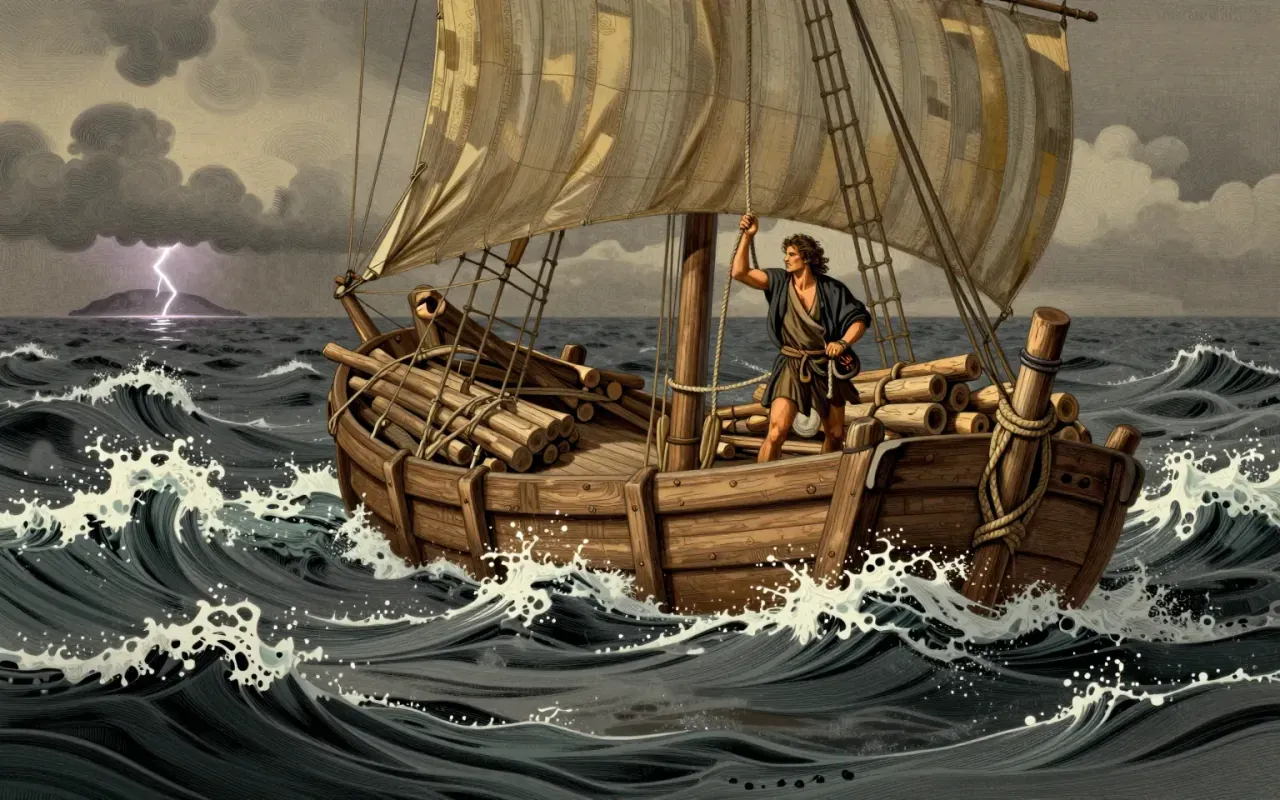
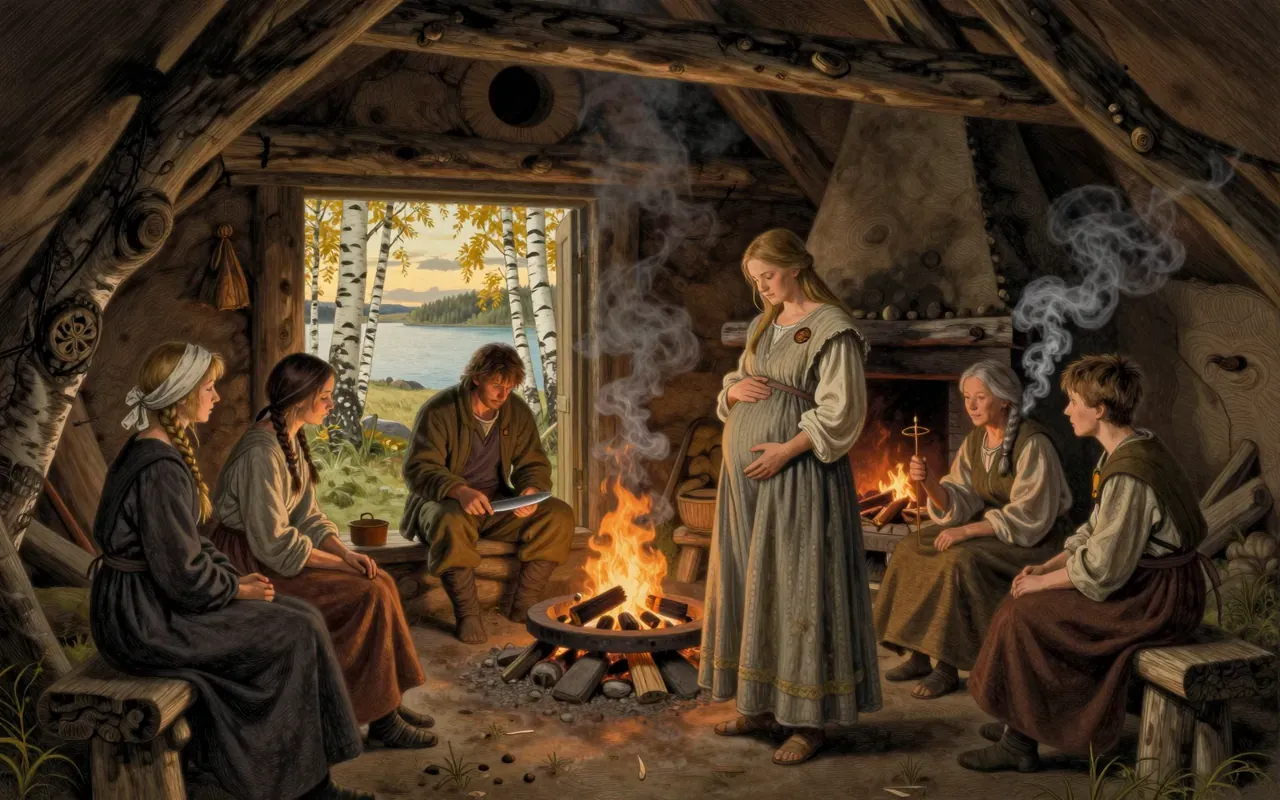
The naming of Greenland is presented as deliberate propaganda—and it works. Gudrid sings a Weird-song while pregnant and Christian, and spirits attend. The whale meat, glass beads and ship timbers ground the story in material reality.
What does not
It fails to explain why the Greenland colony collapsed. It gives no account of climate change, trade failure or Inuit contact. The One-footer appears once and vanishes without consequence. The saga never names a single Vinland winter, nor records how long Karlsefni’s party stayed there.
The themes
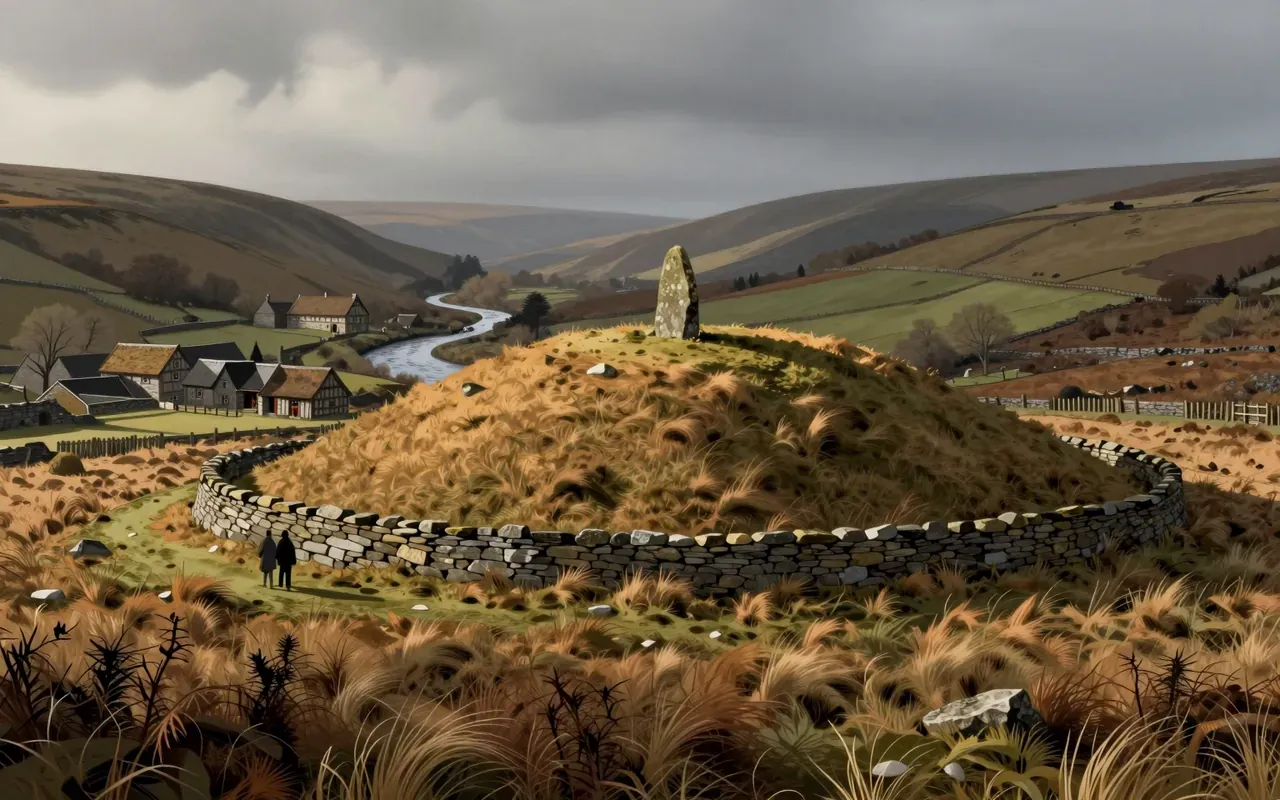
The saga’s themes are exile as foundation, naming as power, syncretism as practice, and landscape as character—not backdrop. Greenland is a named fiction made real by migration. Vinland is fertile and fatal in the same sentence.
Who should read it
Readers who want a primary source on Norse colonial logic, not romantic adventure. Those studying how pre-modern societies justified expansion through rhetoric and ritual. Anyone comparing origin myths across cultures.
Who should not
Readers seeking military strategy, ecological analysis or demographic data. Those expecting a unified narrative arc: the saga jumps between lineages without transition. Anyone who needs maps, chronologies or named sources.
The assessment
Eirik the Red’s Saga argues that Norse expansion into Greenland and Vinland was less about heroic discovery than about social expulsion: Eirik is banished for manslaughter, Thorbjorn leaves Iceland to avoid debt, and Gudrid’s Christian faith coexists with pagan prophecy. It treats naming as a tool of persuasion—Eirik calls it Greenland to lure settlers. The saga refuses to separate belief systems: Weird-songs summon spirits even for converts.
Is it worth your time
Yes—if you read it as political anthropology, not legend. It is short, untranslated in tone, and reveals how a society narrates its own displacement. Skip the genealogical digressions unless you are tracing kinship law.