What the book is
A Middle High German epic poem composed c. 1200, anonymous, preserved in three medieval manuscripts. This 1962 edition presents the complete text in modern English translation. It tells of Kriemhild of Burgundy, her marriage to Siegfried of the Netherlands, his murder by Hagen, and her revenge at Etzel’s Hunnish court — culminating in the slaughter of all Burgundian nobles.
The main ideas
Honour demands reciprocity, then destroys the debtor. Siegfried’s strength is useless once his vulnerability is named. Brunhild’s submission (Q3) is not consent but surrender to force disguised as love. Kriemhild’s vengeance is not catharsis but arithmetic: one life for one, then two, then all. The mermaids’ warning (Q6) is ignored not out of folly, but because the Burgundians have already chosen their end.
What works
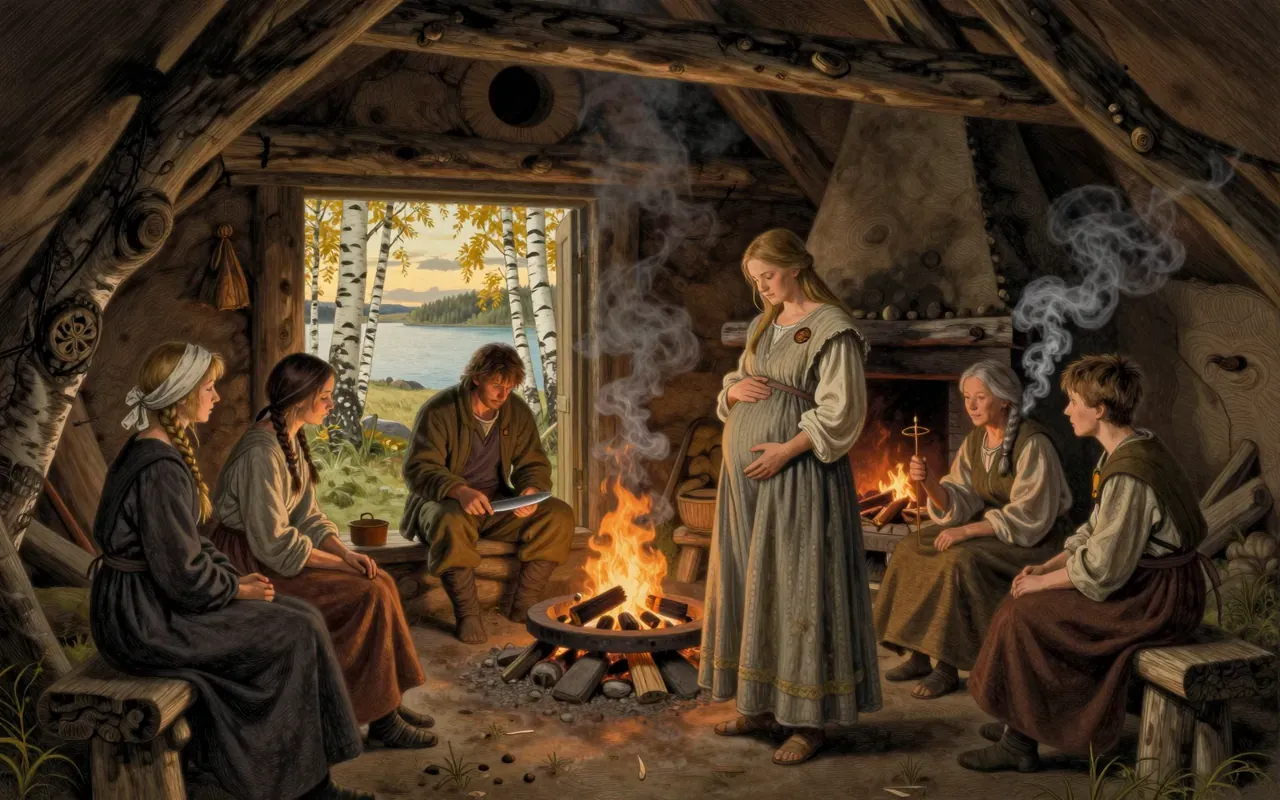
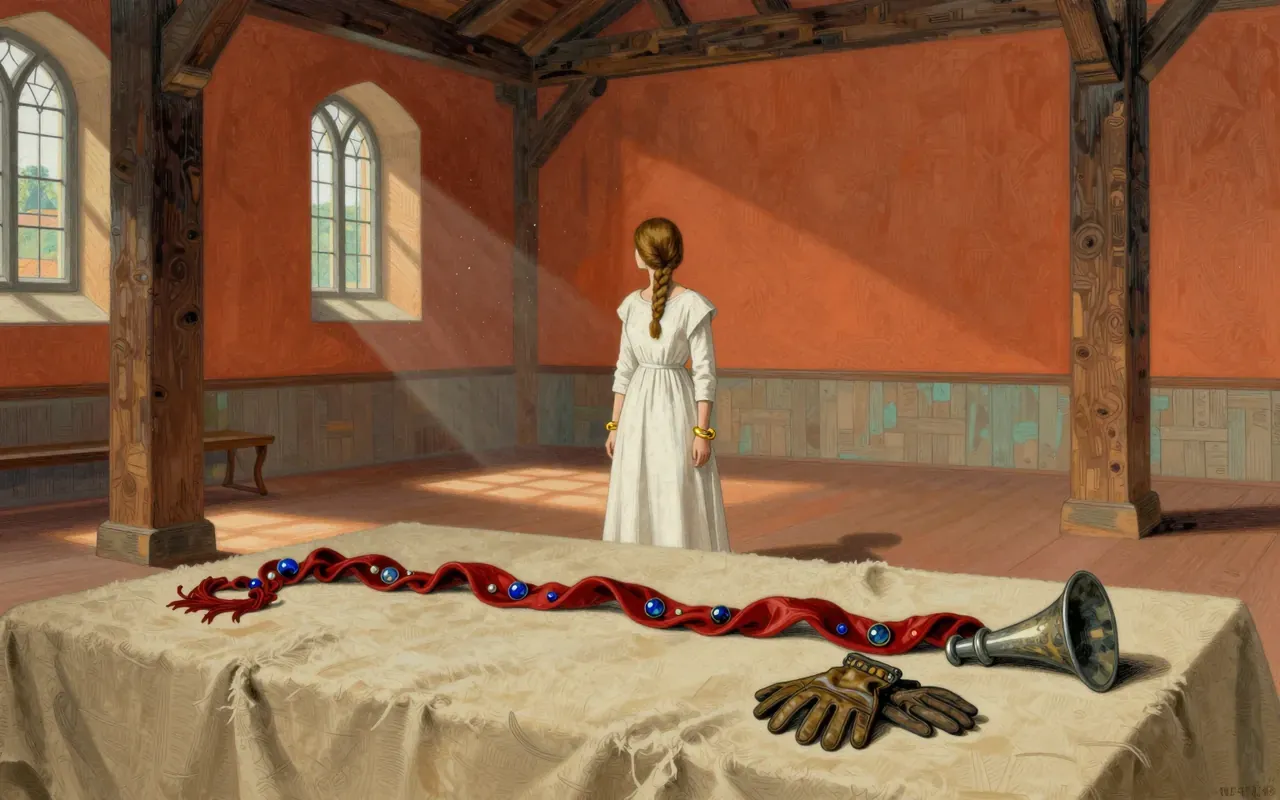
The falcon dream (Q1) is the poem’s structural spine — repeated, interpreted, and fulfilled. The silk cord from Nineveh (Q4) is the only object with provenance, anchoring power in material fact. Hagen’s mark on Siegfried’s back is the only intimate detail in 9,000 lines — a single leaf, not a wound. The mermaids’ warning (Q6) is delivered twice, verbatim, making prophecy mechanical, not mystical.
What does not
It fails to distinguish grief from calculation. Kriemhild’s silence after Siegfried’s death is treated as passive mourning, not the first act of a strategist. The poem gives her no interiority beyond memory and rage. It repeats ritual gestures — oaths, feasts, vows — without examining their erosion. There is no irony, no doubt, no pause for consequence: only motion toward doom.
The themes
The poem turns on three unbreakable chains: fate as foretold vision (Q1, Q2), truth as weaponised fact (Q4), and loyalty as suicide pact (Q5, Q6). It treats oaths as physical objects — they can be broken, but only by breaking the oath-taker. There is no redemption arc, no moral pivot, no moment where a character chooses differently. The falcon dies. The eagles win. The hall burns.
Who should read it
Readers who want myth stripped of psychology. Anyone studying how medieval courts codified violence as virtue. Students of Germanic heroic tradition who need the unvarnished source — not Wagner’s gloss, not Tolkien’s echo. Those who treat narrative as architecture, not therapy.
Who should not
Readers seeking moral resolution or character growth. Anyone who expects internal monologue, motivation, or psychological realism. Those who require historical context within the text — no dates, no geography beyond Worms, Etzel’s land, and the Rhine are named. No explanation of why the Burgundians obey Hagen, or why Kriemhild trusts Rudeger.
The assessment
The Nibelungenlied argues that honour is a trap. Kriemhild’s dream of the falcon torn by eagles (Q1) forecasts not just loss, but the inescapable logic of vengeance that consumes all who touch it. Brunhild’s silk cord from Nineveh (Q4) becomes proof of violated sovereignty, not mere ornament. Hagen’s murder of Siegfried at the spring — marked by a single linden leaf — is not betrayal as lapse, but honour as execution. The feast at Etzel’s hall does not descend into chaos; it fulfils a vow made before any guest arrives.
Is it worth your time
Yes — if you read it as law code, not literature. Its value lies in its rigidity: every vow binds, every insult requires redress, every feast ends in blood. Skip the digressions on heraldry and horse tack. Read only the speeches, the dreams, the vows, and the deaths. The 1962 translation preserves the poem’s blunt syntax and repetitive cadence — essential to its effect.