booksbriefs
Topic

Mythology

The stories a culture tells to explain itself to itself.

15
in books
13:57
average
209 min
in total
60
across the network
Mythology across the network →
All briefs15
16:38

Demian

Hermann Hesse · 1919

Demian argues that moral growth requires destroying the world that raised you — family, church, nation — to make space for the self you were meant to be. It succeeds in its early chapters on guilt and awakening, fails in its later mysticism, and should be read selectively. Skip the organist Pistorius entirely.
16:04

The divine comedy

Dante Alighieri · 1321

The Divine Comedy argues divine justice is geometrical, not merciful — and builds Hell, Purgatory, and Heaven to prove it. It works best as architecture, not narrative: the rose of Heaven, the frozen core of Hell, the mountain of Purgatory. Skip the angelic digressions unless you study scholastic theology.

14:08

Eirik the Red's Saga

Greenland was named to sell land. Vinland was abandoned because the saga never explains how to live there.
13:47

Goblin Market, The Prince's Progress, and Other Poems

Christina Georgina Rossetti · 0

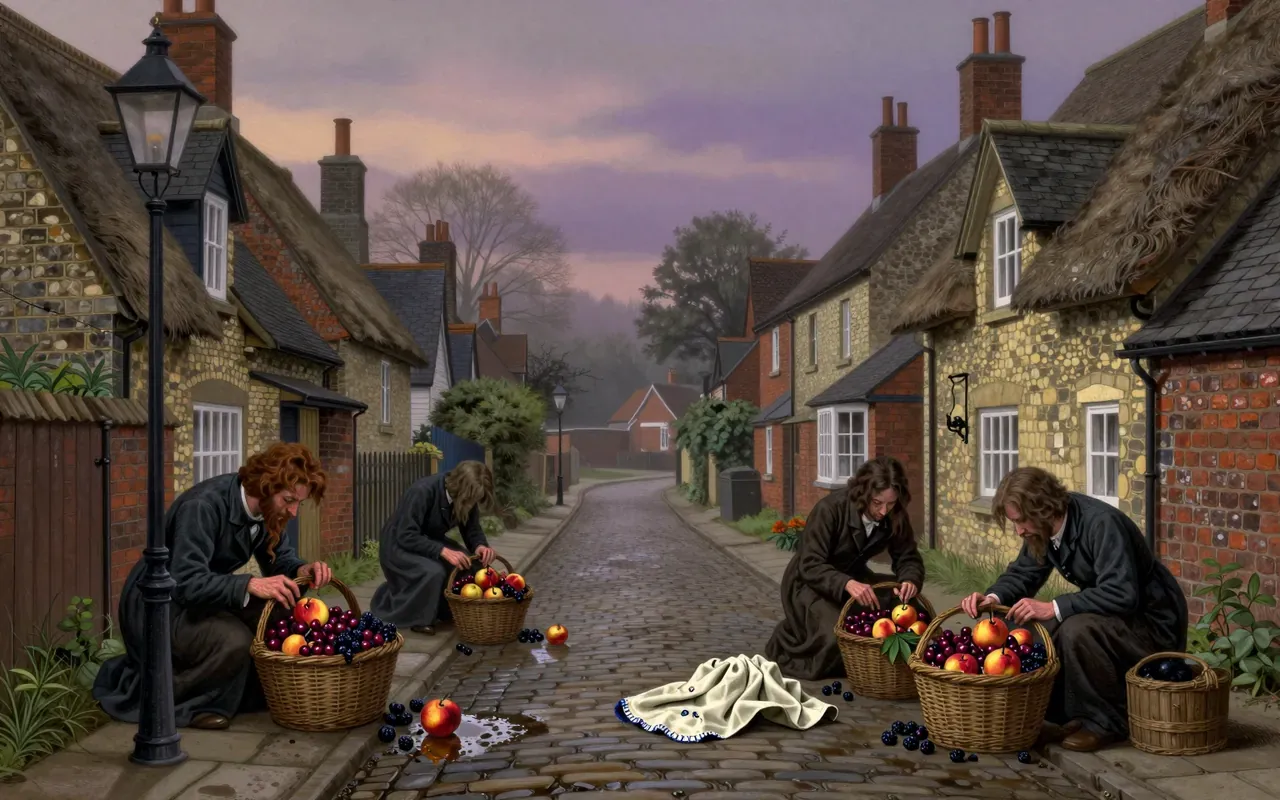
Goblin Market, The Prince's Progress, and Other Poems is Rossetti’s 1862 debut: a tightly wrought collection arguing that desire must be disciplined, salvation is bodily, and sisterhood is liturgical. It works best in Goblin Market’s sensory allegory and falters in The Prince’s Progress’s inert symbolism. Read it for its theology-in-action—not its ideas about society or self.

15:33

The Mabinogion

Welsh legend didn’t borrow from Arthurian romance — it invented the grammar that made it possible.
14:54

A Midsummer Night's Dream

William Shakespeare · 0

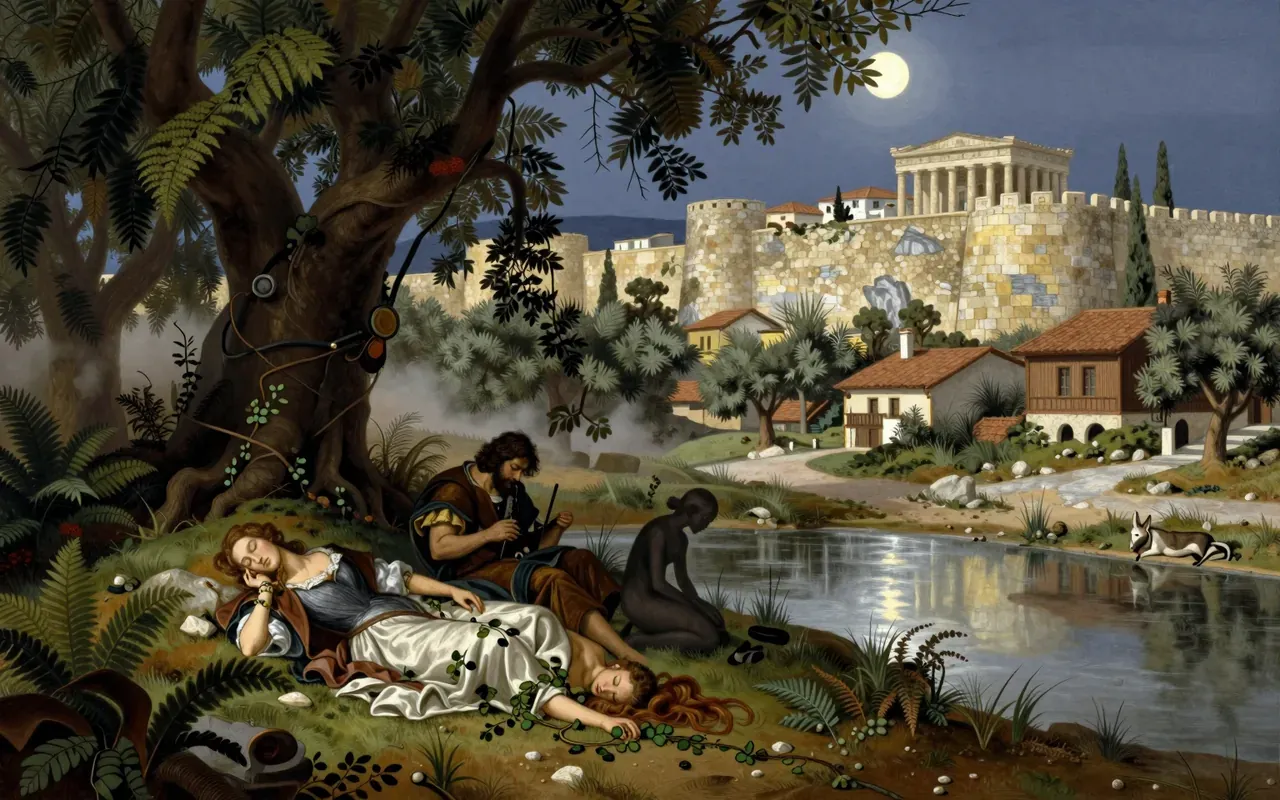
A comic play about love’s irrationality, law’s fragility, and the forest’s power to dissolve both. The brief shows how Hermia’s defiance and Lysander’s 'course of true love' speech drive the action — and why the craftsmen’s subplot should be skimmed after the first reading.

14:10

The Nibelungenlied

Honour is a death sentence signed in advance — and everyone in this poem keeps signing it.
15:06

Paradise Lost

John Milton · 1667

Milton’s 1667 epic argues that rebellion is self-enslaving, that innocence is active, and that grace precedes repentance. It works best in fragments: Satan’s speeches, Eden’s harmony, the Fall’s rupture, and the final departure. Skip the war machinery and speculative cosmology unless you need angelic ballistics.

14:37

Pinocchio

Carlo Collodi · 1883

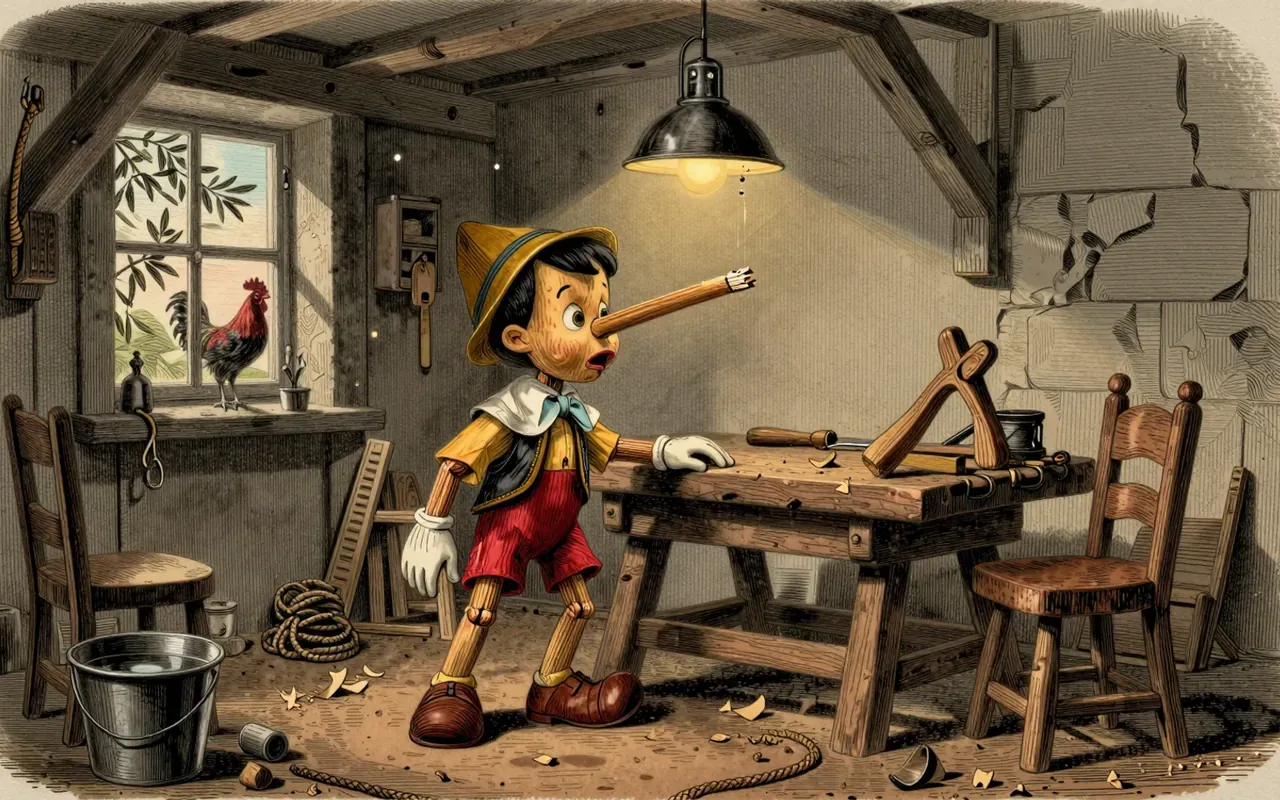
Pinocchio is a moral horror story disguised as children’s literature. Disobedience mutates the body. Redemption arrives only after being swallowed whole—literally—by the Dog-Fish. The brief isolates the core chapters, names what works (the Dog-Fish, the Land of Boobies), and tells you exactly what to skip.

14:54

Sir Gawain and the Green Knight

Jessie L. Weston · 0

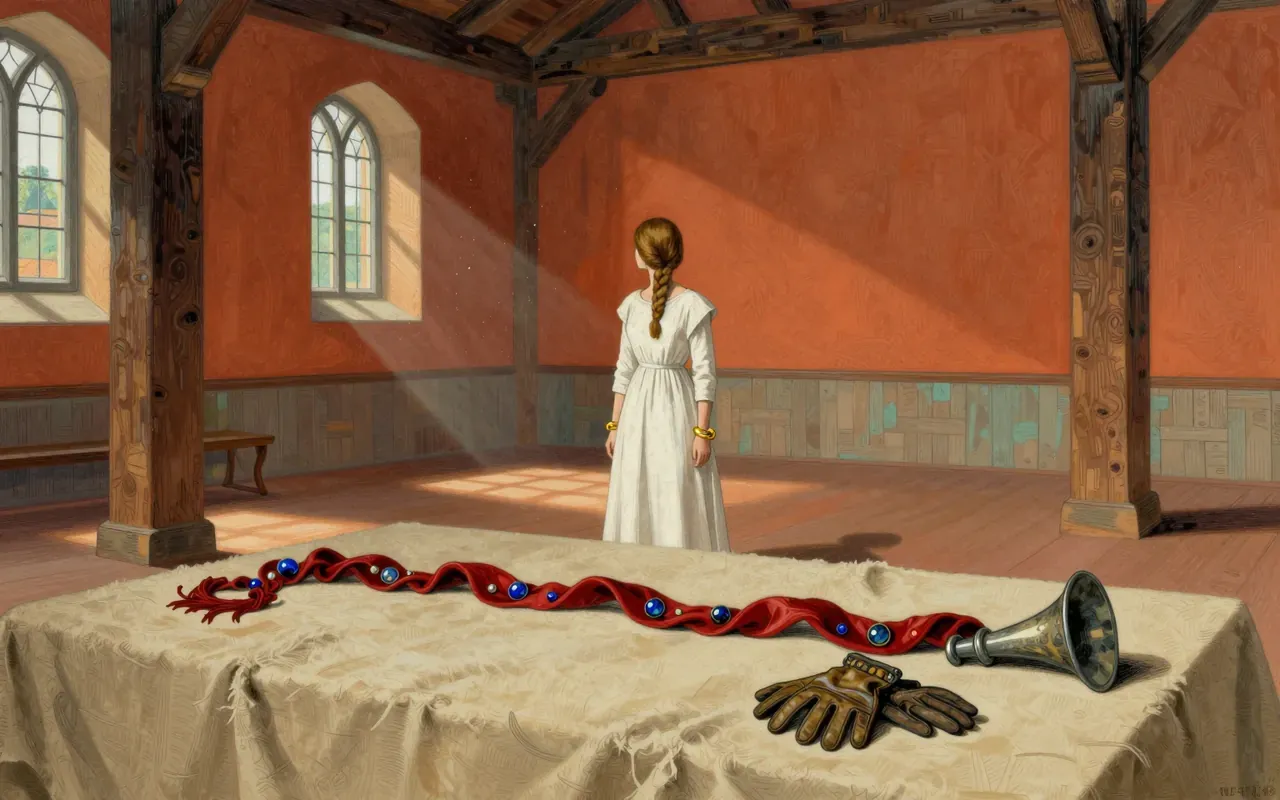
Weston’s 1922 prose version argues Gawain’s flaw is love of life—not lust or cowardice—and that the poem presents chivalry as covenantal, not performative. It clarifies the pentangle’s logic and the girdle’s meaning but sacrifices the poem’s alliterative force. Skip the Preface’s polemics.

11:50

The Song of Hiawatha

Henry Wadsworth Longfellow · 0

Longfellow’s 1855 poem recasts Ojibway oral tradition into a mythic biography of Hiawatha, using Kalevala metre and Romantic moral framing. It works best in its ritual moments—ghosts testing hospitality, Minnehaha’s death, Hiawatha’s departure—but fails as ethnography or theology. Read Chapters I, IV, V and XXII; skip the botanical interludes and explanatory digressions.

14:27

The Wonderful Wizard of Oz

L. Frank Baum · 1899

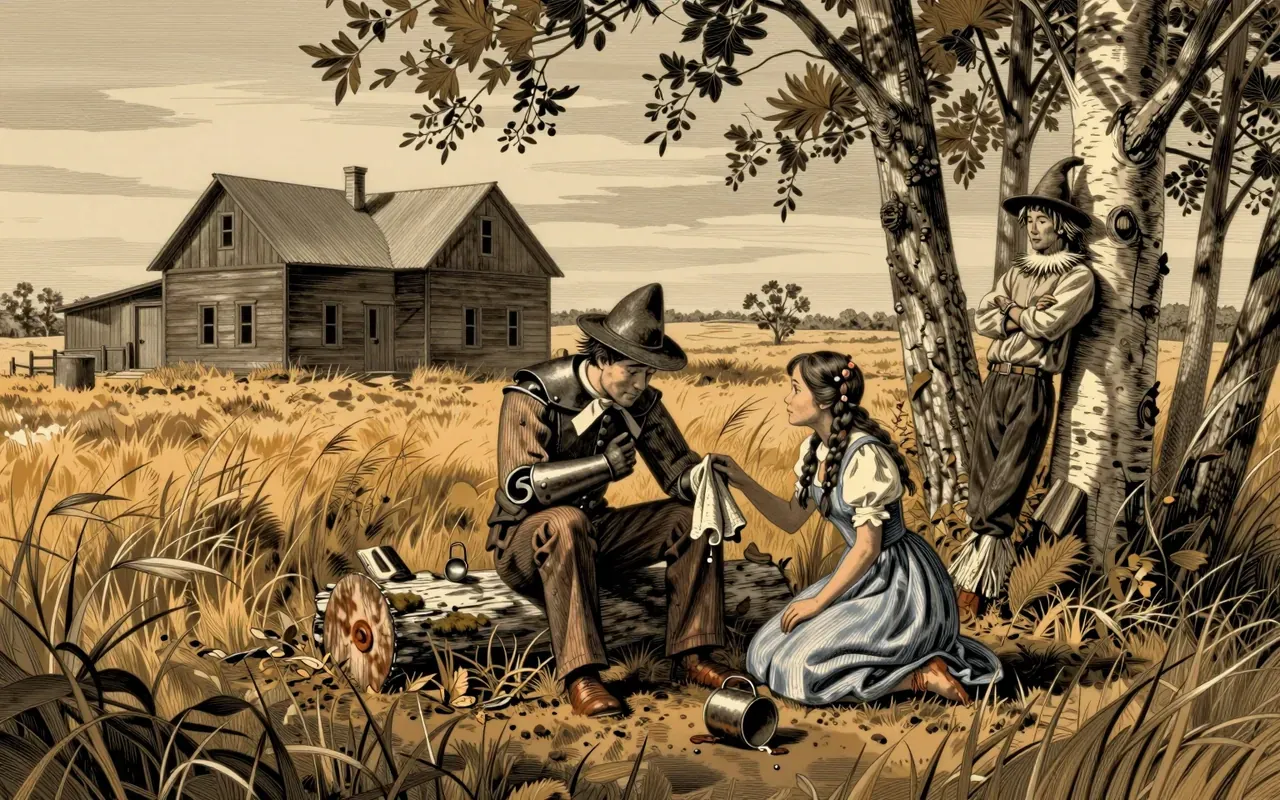
The book replaces Grimm’s moral terror with joyful, amoral wonder. Oz’s green-silk balloon exposes authority as performance. The china Princess’s fear of breaking grounds identity in physical fragility. Glinda reveals Dorothy’s Silver Shoes held her way home all along—but only after she earned return through loyalty and journeying.

10:00

The Hobbit

J.R.R. Tolkien · 1937

Tolkien's 1937 prequel to The Lord of the Rings, in three hundred pages of a simpler world. The brief follows Bilbo from his armchair to the dragon's hoard, then explains why LOTR fans often miss what makes this book work on its own.

12:00

The Lord of the Rings

J.R.R. Tolkien · 1954

Tolkien's trilogy (1954-55) established the modern fantasy epic. The brief covers the quest's architecture, the languages he invented to hold it, and why the appendices might outweigh the text.

11:00

One Hundred Years of Solitude

Gabriel García Márquez · 1967

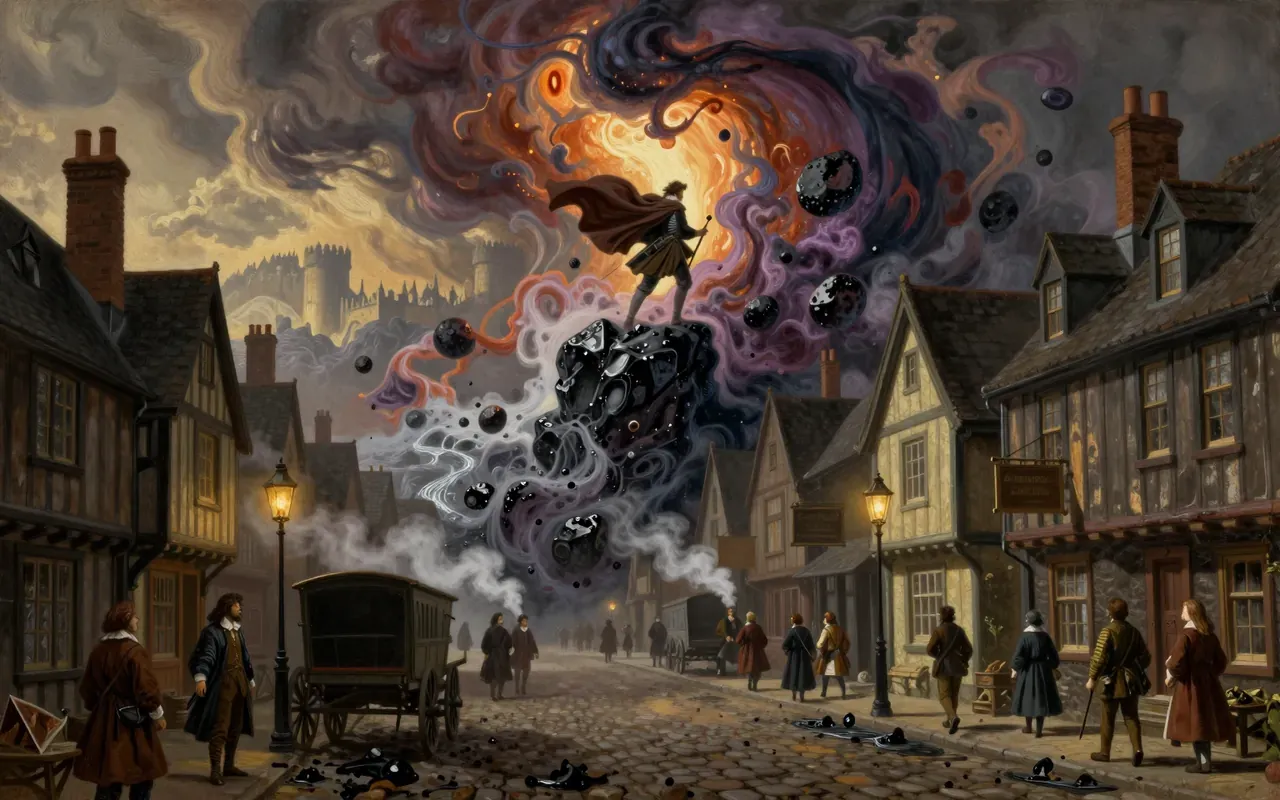
García Márquez's 1967 novel set in the fictional Colombian town of Macondo, where the Buendía family repeats the same names, mistakes, and obsessions across generations. The brief covers the structure of cyclical time, the decay of an isolated settlement, and why the magical elements are not flourish but argument about how the past swallows the present.