Goodness is a catastrophe in a cynical world, and Dostoevsky builds the case without rescue.
Dostoevsky's 1869 novel follows Prince Myshkin, a man of genuine virtue in a corrupt Russian society, as his innocence collides with greed, vanity, and cruelty. The novel treats moral purity as a defect, not an ideal, and offers no redemption for it.
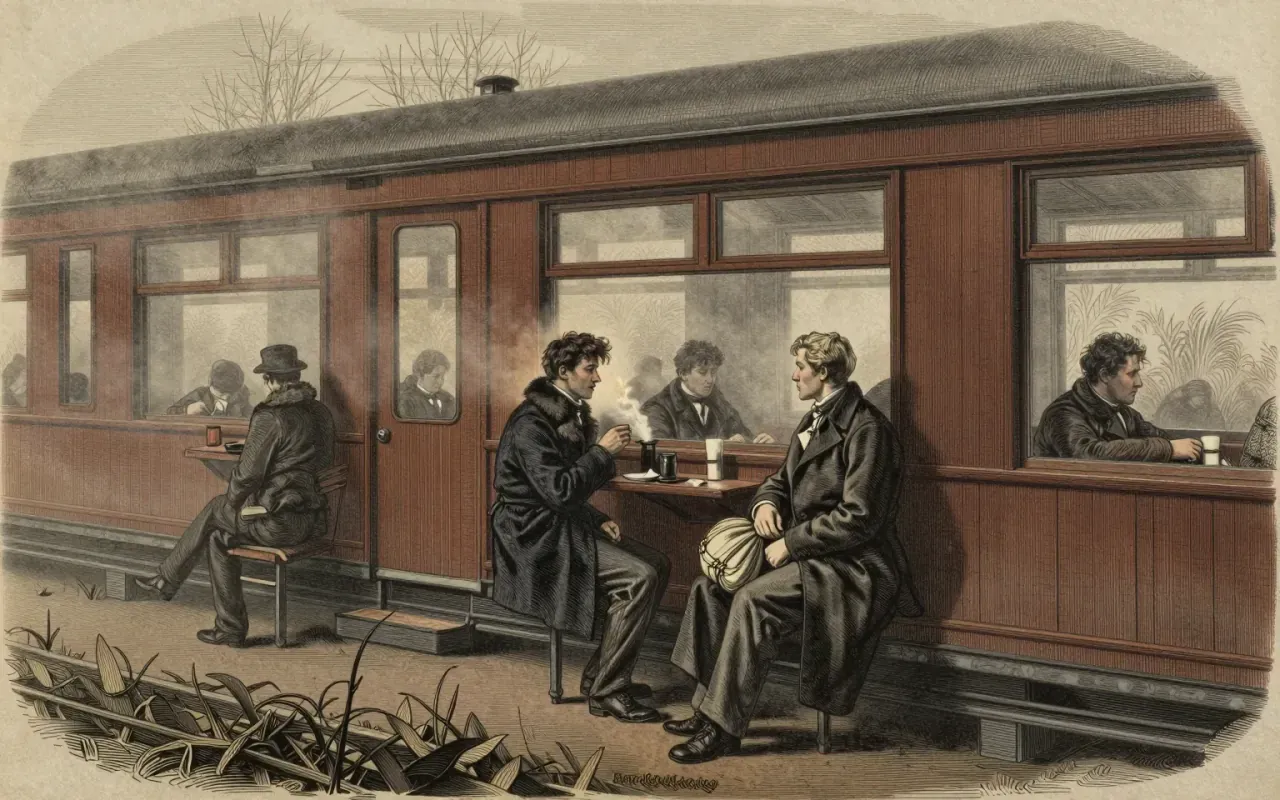
A man of genuine goodness returns to Petersburg from exile. Society reads him as a fool.
2:15
The idiocy of goodness
Myshkin's honesty and compassion are liabilities in a world built on deception and self-interest.
5:30
The triangle
Two women, one wealth, one beauty. Myshkin's inability to exploit either makes him powerless to save either.
10:00
The catastrophe
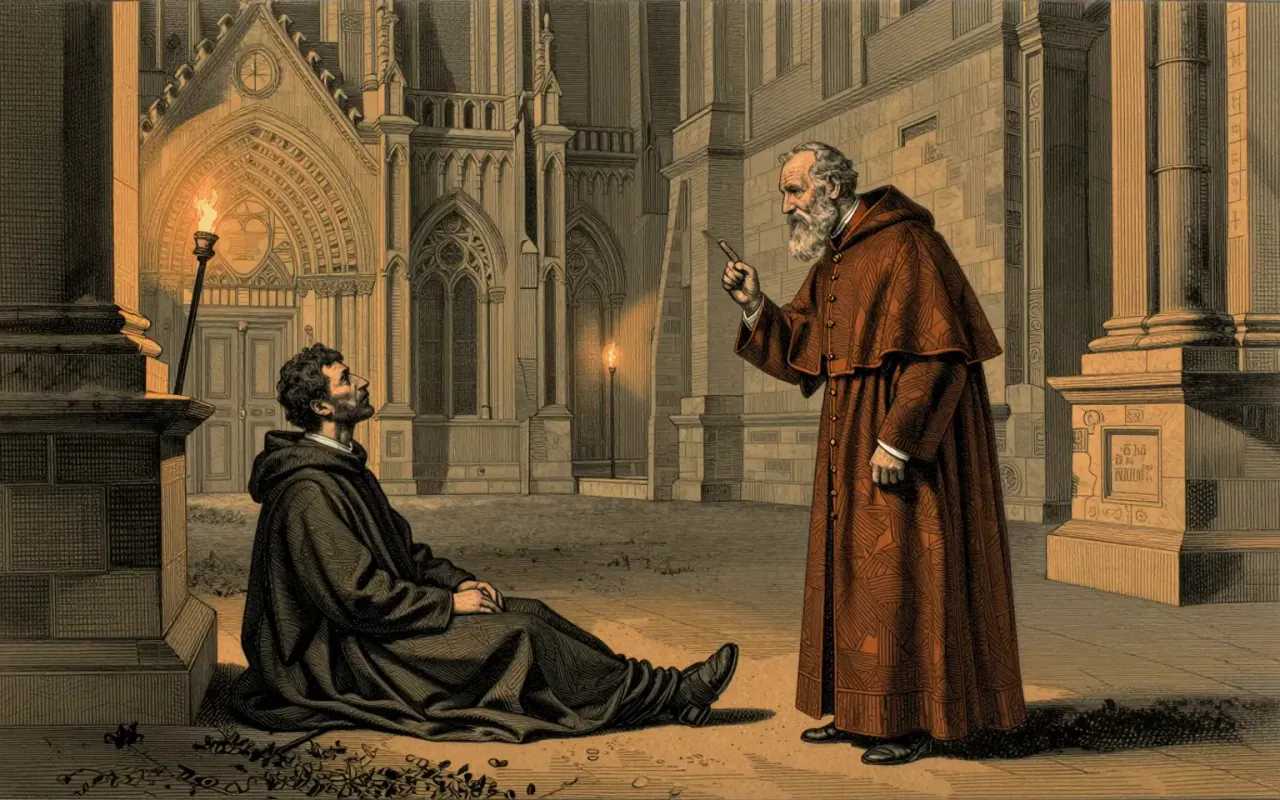
Virtue cannot win against corruption. The novel ends not with redemption but with vacancy.
Worth your time?
Yes. Read the whole thing.
4.5/ 5
What works
The central argument—goodness as inadequacy—is unapologetic and devastating
Myshkin's character is more persuasive than any moral philosophy
The pacing intensifies toward a genuine catastrophe, not melodrama
What does not
The social digression can feel excessive even by Dostoevsky's standards
The novel offers no escape route. Some readers mistake bleakness for nihilism
Read it if
Readers who want philosophy proven through narrative, not argued
Those who can sit with moral ambiguity and refuse easy answers
Skip it if
Readers seeking an uplifting message about goodness
Those who need a tidy resolution or clear hero
The written brief1 min read
What the book is
Dostoevsky’s 1869 novel set in Saint Petersburg, where Prince Myshkin, a man of rare spiritual innocence, navigates a society of wealth, scheming, and corruption. His very goodness becomes the mechanism of his destruction.
Is it worth your time
Yes. It is the hardest look at moral virtue in any major novel. The book does not soften its thesis or offer consolation. If you want to understand what Dostoevsky actually believed about human nature and redemption, this is the evidence.