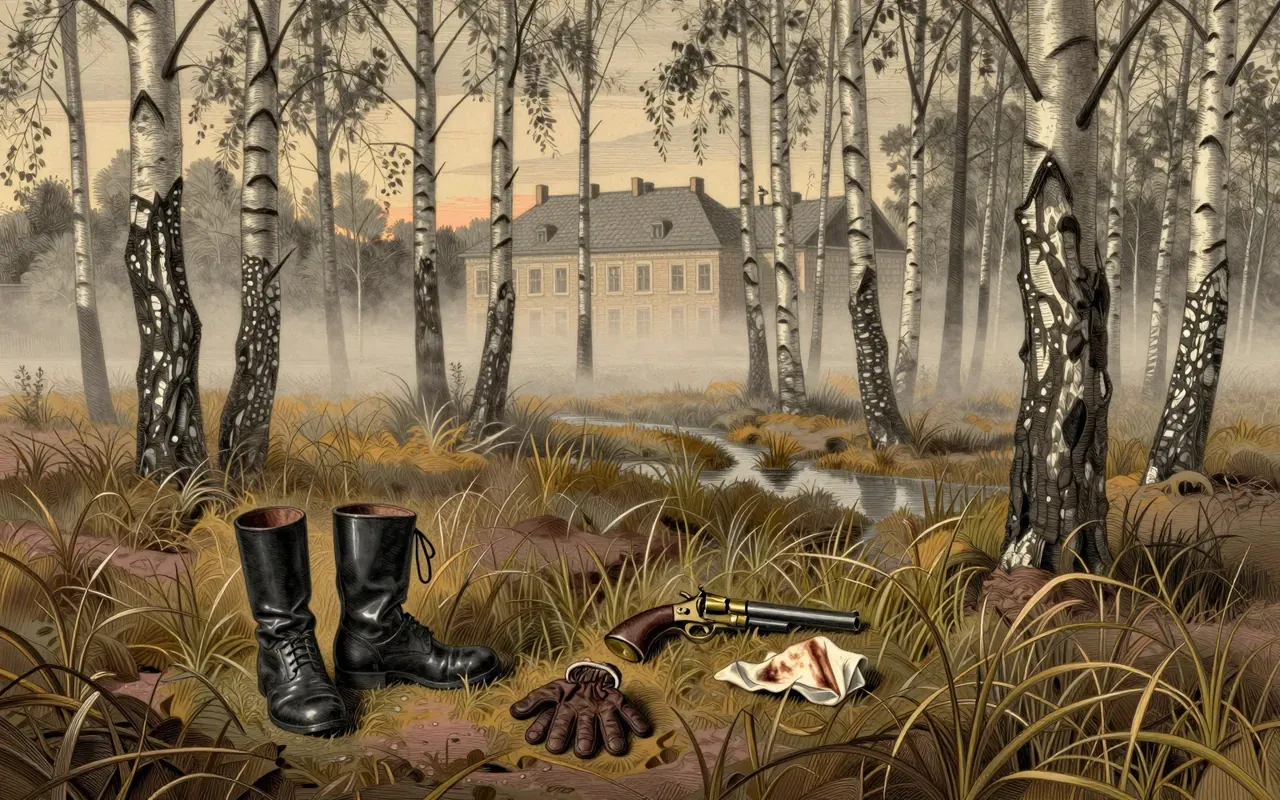
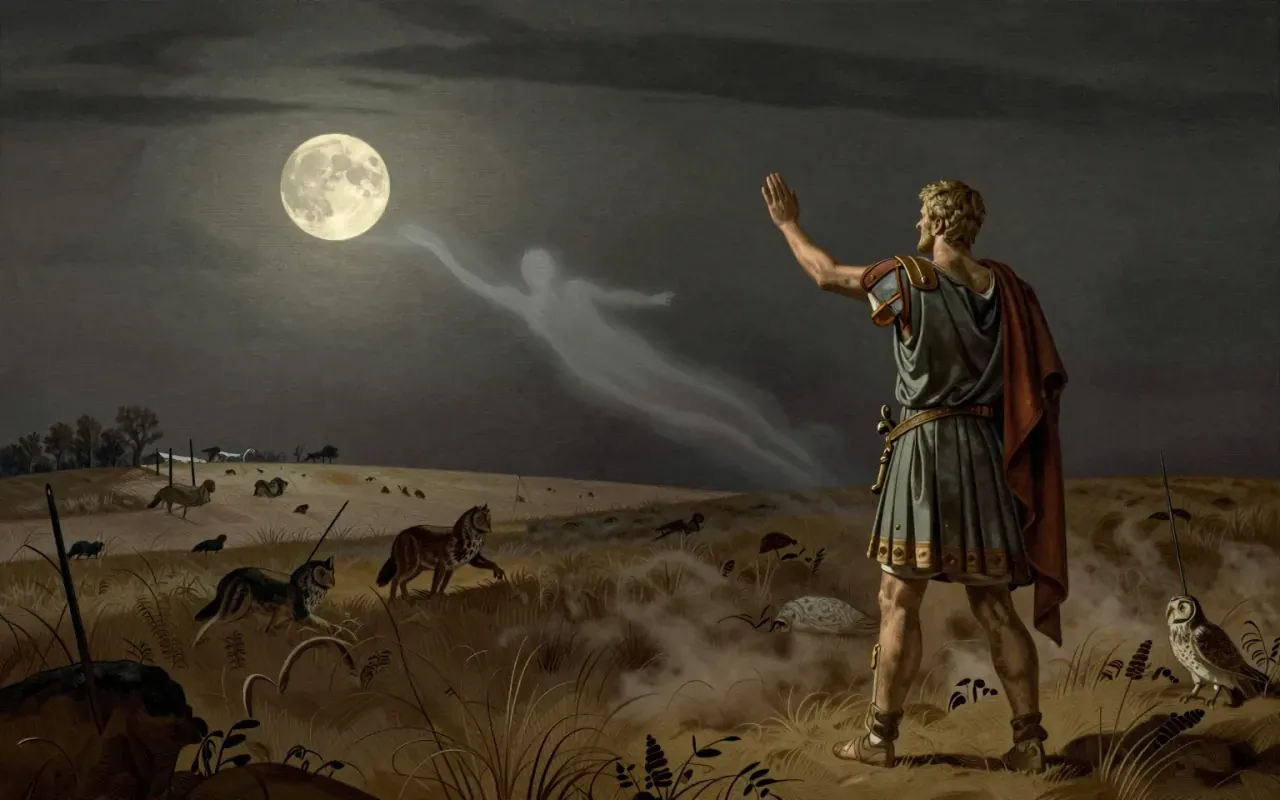
Proust proves that a taste can undo time, and then spends seven volumes explaining why.
Proust's seven-volume masterwork on memory and consciousness, pioneering modernist technique across 3,200 pages. The brief covers the madeleine moment, how time works in the novel, why high society occupies so much space, and which sections actually repay the effort.
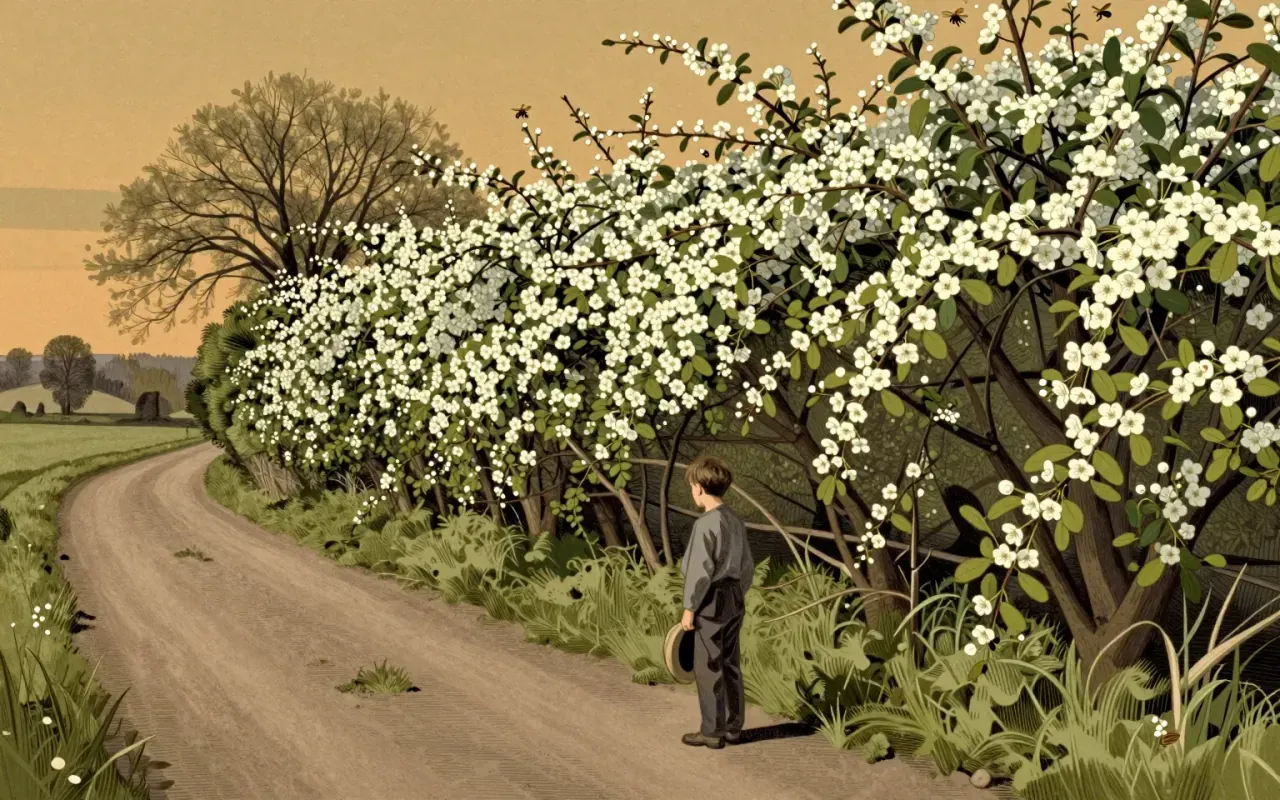
A taste triggers involuntary memory, and the narrator spends decades recovering what it unlocked. This is the book's mechanism.
3:45
Time and consciousness
Proust writes from inside duration itself. Past and present collapse into a single moment of reflection.
7:30
High society and desire
The narrator pursues love and social standing through salons and aristocrats, each chapter a trap. It is the plot, such as it is.
11:00
Why the length matters and what to skip
The digression is the point; each sentence unfolds consciousness. But Volumes 4-6 reward skimming. The ending is non-negotiable.
Worth your time?
Selectively. Start with the brief, then read the parts we point at.
4/ 5
What works
The technical innovation: stream of consciousness, involuntary memory, narrative digression as structure
The meditation on time, desire, and self-creation is unmatched in literature
The ending reconciles everything with a single gesture
What does not
The length can feel self-justifying. Some passages repeat endlessly.
High society preoccupations are historically specific and now remote
The narrator's unreliability goes unexamined; modern readers expect more self-awareness
Read it if
Readers interested in how modernism works from the inside
Anyone pursuing memory, consciousness, or the nature of time in literature
Skip it if
Readers who need continuous plot or likeable characters
Anyone with limited time or patience for 70-hour commitments
The written brief1 min read
What the book is
Proust’s seven-volume novel published 1913–1927, following an unnamed narrator’s recovery of lost time through involuntary memory, spanning salons, desire, and the architecture of consciousness itself.
Is it worth your time
Selectively. It is essential for understanding modernism, but only attempt it if you have genuine interest in consciousness, memory, or prose technique. The ending is extraordinary. The middle requires commitment.