booksbriefs
Fiction

Literary fiction

50
briefs
13:09
average
657 min
in total
36
authors
All briefs50
13:56

Adventures of Huckleberry Finn

Mark Twain · 0

The book argues that moral clarity emerges from direct human contact, not society’s rules—and that Southern 'civilization' is a fraud sustained by violence and self-deception. It does this through Huck’s choices: faking his death, choosing Jim over religion, and rejecting adoption. Tom’s elaborate rescue is exposed as cruel theatre. Read Chapters I–XVI and XXX–XLII. Skip Chapter XL.

14:38

The Adventures of Tom Sawyer, Complete

Mark Twain · 1910

Twain’s 1876 novel treats childhood as a site of real moral risk—not innocence, not corruption, but constant negotiation. Tom’s fence-whitewashing, blood oath, courtroom testimony and cave ordeal are not adventures but ethical trials. The book works best in its sharpest scenes: Ch. II, XX, XXXI and XXXIII. Skip the editor’s introduction and the slower interludes.

16:43

The Awakening, and Selected Short Stories

Kate Chopin · 0

Chopin’s 1899 novel argues that self-ownership is lethal for women in patriarchal society—and shows it through Edna Pontellier’s physical, irreversible awakening and drowning. The selected stories reinforce this with figures who cross thresholds (La Folle), cling to ruins (Ma’ame Pélagie), or lose identity to war (Edmond). Skip the editor’s introduction. Read the novel straight through, then 'La Folle' and 'The Locket'.

13:42

Barren Ground

Ellen Anderson Gholson Glasgow · 1925

Barren Ground rejects romantic redemption. It follows Dorinda Oakley from betrayed youth to stoic middle age, arguing that endurance—not love—is the land’s only reward. The book’s power lies in its refusal of catharsis: Jason’s ruin is physical erasure, not tragedy; Dorinda’s grief is for love she never had, not love she lost.

12:46

Bleak House

Charles Dickens · 0

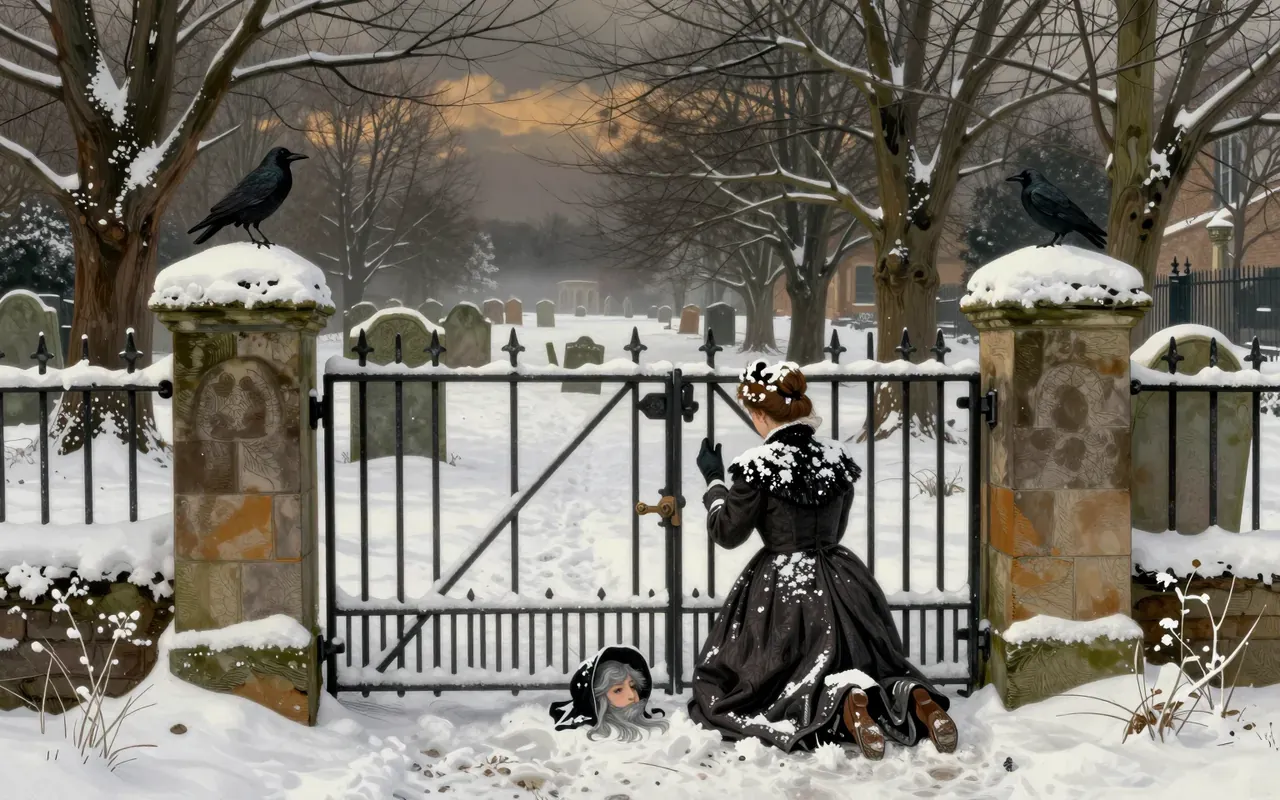
Bleak House is a forensic satire of the Court of Chancery, using the decades-long Jarndyce suit to show how bureaucracy consumes lives. Esther Summerson’s narration grounds its moral force, while Lady Dedlock’s death in snow delivers its final indictment. Skip the preface and the Krook estate subplot—they weaken the argument.

14:20

The Cossacks

Leo Tolstoy · 1910

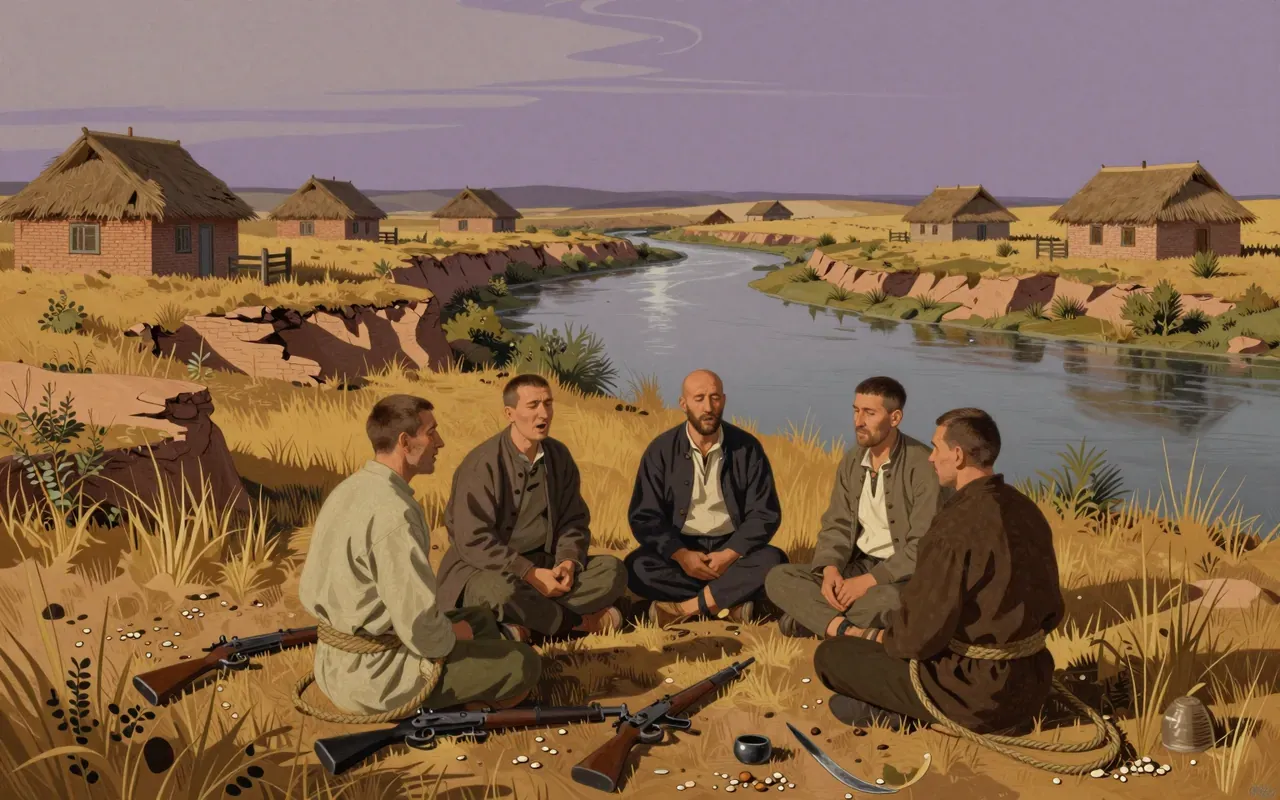
Tolstoy’s novella argues that love is not a bridge but a border — a truth exposed when Moscow aristocrat Olénin fails to win Maryánka amid the Grebénsk Cossacks. The brief isolates the khorovód, the death-song and the farewell as the book’s moral core. It tells you which chapters expose Tolstoy’s argument and which merely rehearse Olénin’s delusion.

15:18

Dead Souls

Nikolai Vasilevich Gogol · 1852

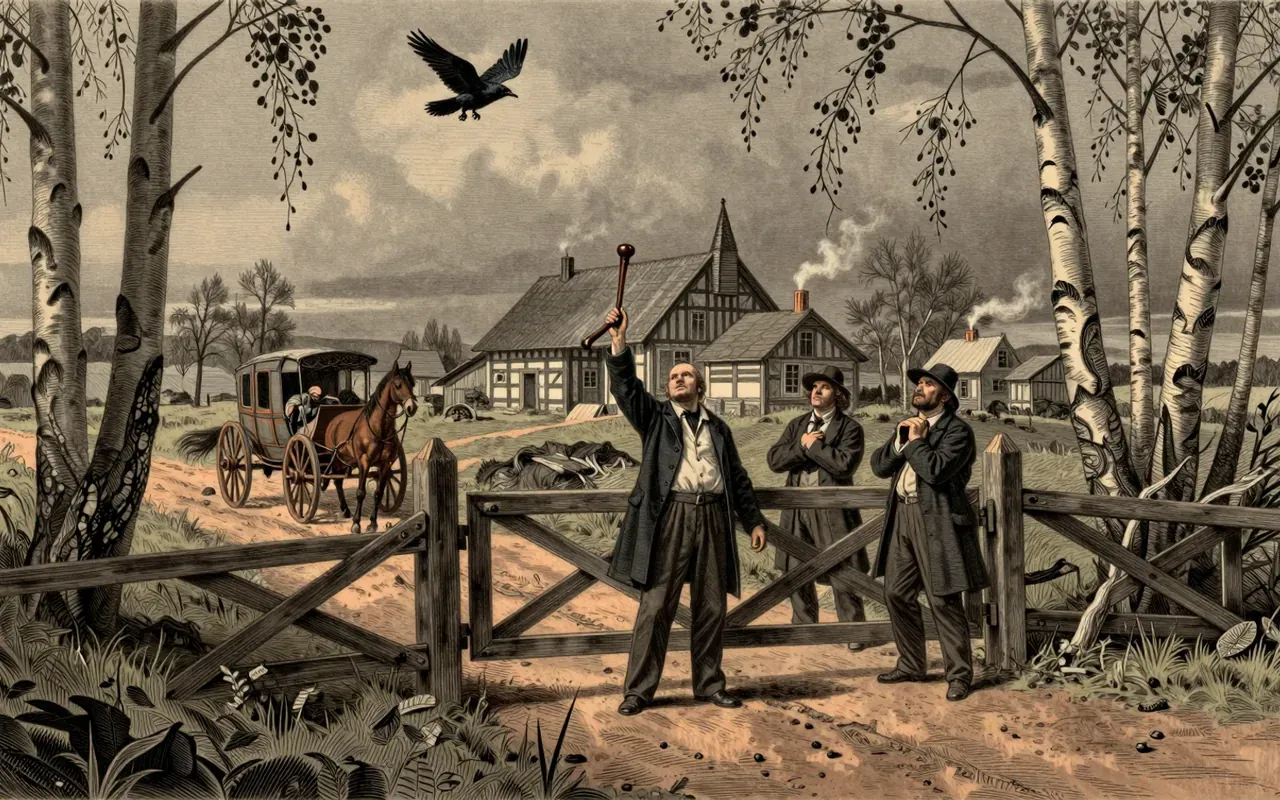
Dead Souls is a satirical diagnosis of imperial Russia’s moral and bureaucratic rot—not a picaresque romp. Chichikov’s ‘dead souls’ scheme works because the state treats serfs as inventory, even when dead. Part I delivers surgical character portraits and systemic critique. Part II collapses into unresolved moralising. Read Part I. Skip the Russia rhapsody. Treat the rest as fragments.

15:46

Death in Venice

Thomas Mann · 1954

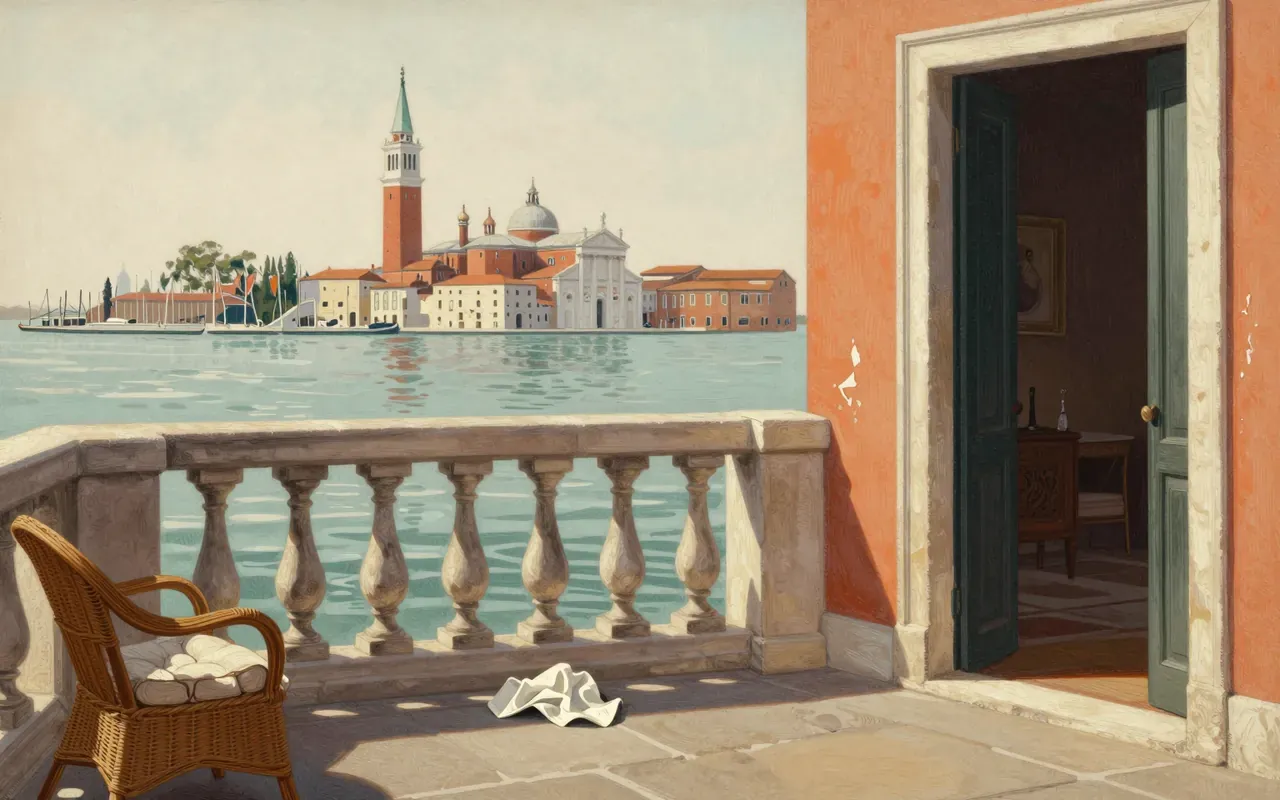
Death in Venice argues that aesthetic obsession is lethal discipline undone. It shows Gustav Aschenbach’s collapse as inevitable — not tragic, not redemptive, but logical. The brief isolates the fatal smile, the bacchanal dream, and the English clerk’s report as the three moments that define the book’s ruthless logic.

16:38

Demian

Hermann Hesse · 1919

Demian argues that moral growth requires destroying the world that raised you — family, church, nation — to make space for the self you were meant to be. It succeeds in its early chapters on guilt and awakening, fails in its later mysticism, and should be read selectively. Skip the organist Pistorius entirely.

13:57

Emma

Jane Austen · 1815

Emma is a precise anatomy of self-deception. It argues that moral growth begins not with grand gestures but with the humiliation of being wrong in front of someone who sees you clearly. The brief isolates the Box Hill reckoning, the Elton misreading, and Emma’s final acceptance of Robert Martin’s worth as the novel’s true turning points.

15:26

Far from the Madding Crowd

Thomas Hardy · 0

The novel argues that love and sanity are tested not by feeling but by labour, weather and time. It works best in the storm sequence and the final wedding—but collapses under the weight of Boldwood’s unexamined obsession. Read it for its material realism, not its psychology.

13:26

Fathers and Sons

Ivan Sergeevich Turgenev · 1883

The brief argues that 'Fathers and Sons' is not about ideas but about their bodily cost. Bazarov’s nihilism collapses when confronted with love, illness, and grief. It tells you which chapters to read (XXI–XXVIII), why to skip the Introduction, and how the grave—not the duel or the arbour—is the novel’s true climax.

14:47

The Fortunes and Misfortunes of the Famous Moll Flanders

Daniel Defoe · 1731

Moll Flanders argues that vanity, not poverty, is the root of moral failure — and that redemption requires sorrow for harm done, not just fear of punishment. Its power lies in Moll’s voice: precise, self-deceiving, and relentlessly consequential. Read Parts 1, 2 and 4. Skip the procedural thievery of Part 3.

14:09

Great Expectations

Charles Dickens · 1861

Great Expectations argues that class shame is internalised before it is acted upon—and that true worth is measured in loyalty, not lineage. The brief isolates Joe’s moral centrality, Jaggers’s ritualised power, and Magwitch’s redemptive love. It tells you which chapters reveal Dickens’s design and which dilute it.

15:00

The House of the Seven Gables

Nathaniel Hawthorne · 0

The House of the Seven Gables treats inherited sin as physical law: the house breathes, time splits at midnight, and guilt lodges in timber and watch springs. It works best in its claustrophobic, symbolic moments—the dead judge in the chair, the garden door closing, love blooming beside a corpse. Skip the expository Preface summaries. Read Chapters 3, 4 and 6.

14:07

Resurrection

Leo Tolstoy · 0

Tolstoy’s final novel argues that law, prison and landed property are tools of class violence. It traces Nekhludoff’s awakening from guilt to Gospel conviction — that love, not law, is humanity’s sole binding principle. The brief isolates the trial, the cell, Panovo’s starvation and the Siberian march as proof. Skip the English visitor and the defiant exile.

14:25

The Scarlet Letter

Nathaniel Hawthorne · 0

The Scarlet Letter is a tightly wound allegory about shame as public theatre and truth as embodied consequence. Hester’s embroidered 'A' asserts authorship over her punishment. Dimmesdale’s hidden stigma proves secrecy corrodes the self. Chillingworth’s withering confirms revenge is self-annihilation. Skip the Custom-House preface. Read the forest meeting and scaffold revelation—they hold the whole argument.

15:04

Sense and Sensibility

Jane Austen · 1811

Sense and Sensibility argues that sensibility disables judgment, not deepens feeling. It breaks Marianne through public humiliation and near-fatal illness, then rebuilds her on Elinor’s terms of duty and restraint. The brief shows how secrecy, class, and financial constraint shape every moral choice—and why the novel’s quiet ending is its most radical act.

14:04

Siddhartha

Hermann Hesse · 0

Hesse argues wisdom is unteachable and must be lived. Siddhartha abandons Brahmanism, rejects the Buddha’s doctrine, and awakens only when he stops seeking answers. The brief isolates these claims, names what the book omits, and tells you which ideas land—and which evaporate on contact with the page.

16:19

Silas Marner

George Eliot · 0

Silas Marner argues that moral restoration comes from daily care—not divine justice or social approval. It works best when showing how Eppie transforms Silas’s isolation into community, and worst when retreating into Nancy’s fatalism or Silas’s unresolved past. Skip Chapter XVII and the Lantern Yard flashback’s second half.

15:50

Steppenwolf

Hermann Hesse · 0

Steppenwolf argues spiritual life demands self-annihilation through laughter—not transcendence. It fails when it abandons Haller’s voice for abstraction. Skip the political despair section. Read the Magic Theatre from the masked ball onward, but stop before Hermine’s command.

14:46

Vanity Fair

William Makepeace Thackeray · 0

Vanity Fair is a satirical novel that treats society as a rigged theatre. It contrasts Becky Sharp’s ruthless self-invention with Amelia Sedley’s passive virtue, exposing class, inheritance and performance as the real engines of power. The brief explains why its irony works, where it grows repetitive, and which chapters deliver its sharpest insights.

11:00

Animal Farm

George Orwell · 1945

Orwell's 1945 allegory of the Russian Revolution told through a farmyard coup. The brief covers the revolution, the factions, how the pigs consolidate power, and why it reads as a prophecy more than fiction.

12:30

Anna Karenina

Leo Tolstoy · 1878

Tolstoy's 1878 novel follows multiple lives in Russian society—the affair between Anna Afremova and Count Vronsky, alongside Levin's marriage and search for meaning through farming. The book argues that domestic life is not private. Who you are is determined by the society around you, and defying it has a cost.

10:47

Brave New World

Aldous Huxley · 1932

The 1932 novel describes a future where stability is engineered through biological castes, pleasure drugs, and psychological conditioning. It poses a question harder to refute than mere tyranny—what if contentment and freedom are irreconcilable?

14:30

The Brothers Karamazov

Fyodor Dostoyevsky · 1880

Dostoevsky's 1880 novel follows four brothers and their father's death, but treats the murder trial as a setup for Ivan's philosophical challenge to God and Alyosha's search for redemption. The book demands the reader inhabit uncertainty rather than resolve it.

12:00

Catch-22

Joseph Heller · 1961

Heller's 1961 novel follows Yossarian, whose only escape from deadly bombing runs is to convince a doctor he is mad. The catch: anyone sane enough to ask is sane enough to fly. It is a circular trap, and the book is built to prove it.

12:00

Dracula

Bram Stoker · 1897

Stoker's 1897 novel, told through letters and journal entries, documents Count Dracula's attempt to establish himself in England and the small group that opposes him. The book's format is unwieldy but its construction is precise; the creature feels inevitable and the humans feel outmatched.

12:20

East of Eden

John Steinbeck · 1952

Steinbeck's 1952 masterpiece spans generations in California's Salinas Valley, following the Trask and Hamilton families through cycles of moral struggle. The brief covers the dual narrative structure, the philosophy of timshel (the ability to choose your nature), and why this is Steinbeck's most ambitious work.

10:30

Fahrenheit 451

Ray Bradbury · 1953

Bradbury's 1953 novel follows a fireman in a totalitarian future who questions his role burning books. The brief traces Montag's awakening from enforcer to resister, examines what the book argues about censorship and conformity, and considers what it gets right and where it falters.

10:50

The Great Gatsby

F. Scott Fitzgerald · 1925

Fitzgerald's 1925 masterpiece on wealth, desire, and the American Dream in its fullest delusion. The brief covers who Gatsby is and why he fails, the machinery of class that destroys him, and why the ending matters.

12:00

The Handmaid's Tale

Margaret Atwood · 1985

Atwood's 1985 novel follows Offred, a handmaid in the Republic of Gilead, forced to bear children for state-sanctioned rulers. It is a precise anatomization of power, gender, and the small rebellions that survive totalitarianism.

12:30

The Idiot

Fyodor Dostoyevsky · 1869

Dostoevsky's 1869 novel follows Prince Myshkin, a man of genuine virtue in a corrupt Russian society, as his innocence collides with greed, vanity, and cruelty. The novel treats moral purity as a defect, not an ideal, and offers no redemption for it.

15:00

In Search of Lost Time

Marcel Proust · 1913

Proust's seven-volume masterwork on memory and consciousness, pioneering modernist technique across 3,200 pages. The brief covers the madeleine moment, how time works in the novel, why high society occupies so much space, and which sections actually repay the effort.

12:00

Madame Bovary

Gustave Flaubert · 1856

Flaubert's 1856 realist novel set in provincial France. Emma Bovary, educated beyond her station, pursues romantic fantasies that her actual life—marriage to a dull country doctor—can never deliver. The book is about how desire becomes destructive in a world that offers no outlet for it.

12:30

The Master and Margarita

Mikhail Bulgakov · 1967

Bulgakov's 1967 novel, written in secret over a decade and banned until his death, weaves together three narratives. The brief covers the plot in two minutes, the political allegory in three, and why the book survived suppression to become one of the century's definitive critiques of authority.

12:00

The Metamorphosis

Franz Kafka · 1915

Kafka's 1915 novella in seventy pages of exact prose. A man becomes an insect overnight. The story is not about the transformation; it is about what comes after, and what it reveals about work, family, and obligation.

11:00

Moby-Dick

Herman Melville · 1851

Melville's 1851 whaling epic told from the deck of the Pequod. The brief covers the three days of the chase that end the book, the characters who live it, and why reading only the whale hunt means missing the long argument that precedes it.

12:00

Of Mice and Men

John Steinbeck · 1937

Steinbeck's novella in a hundred pages about George and Lennie, migrant workers during the Depression, and what happens when a dream meets the world. The brief covers their plan and why it fails, then the impossible choice at the end.

10:00

The Old Man and the Sea

Ernest Hemingway · 1952

Santiago, an aging Cuban fisherman who hasn't caught anything in 84 days, hooks a giant marlin and fights it for three days. When he finally lands it, sharks strip his prize to a skeleton. Hemingway's spare prose turns the ordeal into a study of human will against indifference.

11:00

One Hundred Years of Solitude

Gabriel García Márquez · 1967

García Márquez's 1967 novel set in the fictional Colombian town of Macondo, where the Buendía family repeats the same names, mistakes, and obsessions across generations. The brief covers the structure of cyclical time, the decay of an isolated settlement, and why the magical elements are not flourish but argument about how the past swallows the present.

12:00

The Picture of Dorian Gray

Oscar Wilde · 1890

Wilde's only novel, 1890, a portrait that ages while its subject remains frozen at twenty-five. The brief covers the pact, the corruption, why the painting becomes the moral record the man refuses to be, and what breaks first.

12:00

The Plague

Albert Camus · 1947

Camus's 1947 novel of collective crisis. It's not really about a plague: it's an essay on solidarity, responsibility, and what keeps you acting when survival makes sense but meaning does not.

13:00

Slaughterhouse-Five

Kurt Vonnegut · 1969

Vonnegut's 1969 novel splices autobiography with science fiction to make the firebombing of Dresden absurd instead of tragic. The book moves through time, skipping freely across a life that has already happened, all of it equally real and equally present.

10:30

To Kill a Mockingbird

Harper Lee · 1960

Lee's 1960 novel follows Scout Finch growing up in Depression-era Alabama as her father Atticus defends a Black man wrongly accused of rape. The trial is rigged, but the book is not about whether he wins—it is about what Scout learns when he loses.

11:00

The Trial

Franz Kafka · 1925

Kafka's unfinished novel about a man arrested without charges and caught in an impenetrable legal system. The brief covers what the trial actually investigates, the machinery of power behind the courts, Kafka's ambivalence about the work itself, and which chapters matter most.

12:00

Ulysses

James Joyce · 1922

Joyce's 1922 novel narrates June 16, 1904 in Dublin through stream-of-consciousness prose and multiple narrative styles. At seven hundred and thirty pages, it has become the prototype for modernist difficulty, rewarding those who engage with its experimental form.

12:46

Crime and Punishment

Fyodor Dostoyevsky · 1866

Fyodor Dostoyevsky’s classic follows Raskolnikov, a debt‑ridden student who murders a pawnbroker to prove a theory of extraordinary men. The novel unravels his psychological collapse, the moral backlash, and eventual confession. It offers a brutal study of guilt, class, and redemption, but its sprawling narrative can feel bloated for those seeking a tight thriller.

11:15

Pride and Prejudice

Jane Austen · 1813

Pride and Prejudice is a satirical study of class, courtship and self‑discovery, told through Elizabeth Bennet’s razor‑sharp observations. Austen exposes the hypocrisy of Regency society with brisk dialogue and a tight plot that rewards a quick‑paced reader. The novel’s strengths lie in its memorable characters and social satire; its dated gender expectations and slow pacing may deter modern readers.

11:04

The Stranger

Albert Camus · 1942

Camus's first novel in a hundred and twenty pages of flat, exact prose. The brief covers the plot in one minute, the absurd in three, and why the trial is the real subject of the book.