booksbriefs
all subjects →
15:32in productionCh. 1 · The storm as sentence/ 15:32 · ceiling 15 min
Drama

The Tempest

William Shakespeare · 1611 · 144 pages → 15 min 32 s

Prospero gets everything he wants and then gives it all away, and the play will not tell you why.

A deposed duke with a monopoly on magic wrecks his enemies’ ship, arranges his daughter’s marriage, forgives everyone and abandons his power. The brief covers what Caliban’s claim does to the story, why a plot with no resistance has no tension, and what the epilogue is asking for.

Chapters & takeaways6
  1. 0:58
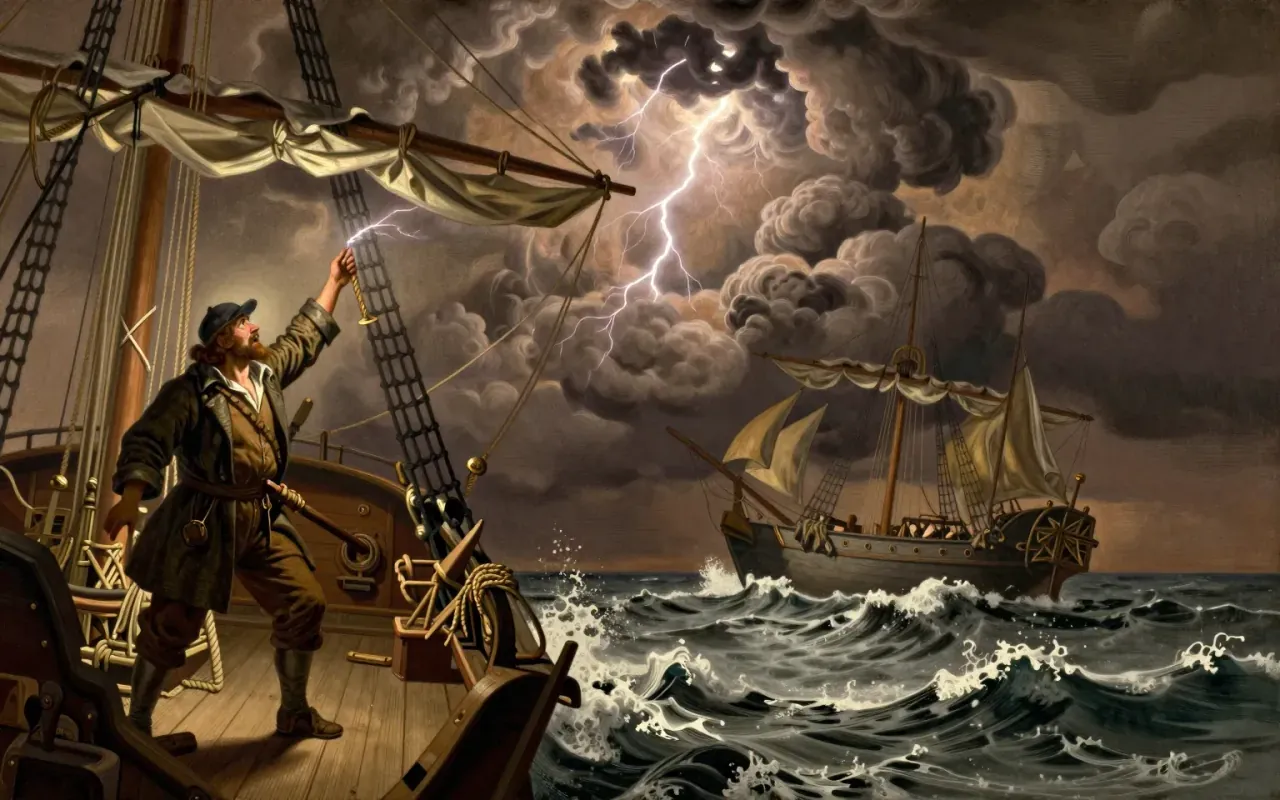
    The storm as sentence

    Prospero’s storm is not chaos but calibrated justice — it delivers specific men to specific reckonings.

  2. 3:26
    Colonial mimicry

    Caliban mistakes Stephano for a god — a grotesque mirror of Prospero’s own divine pretensions.

  3. 5:35
    Accusation by name

    The harpy scene names Alonso, Antonio and Sebastian as guilty — not allegorically, but by title and deed.

  4. 7:35
    The masque breaks

    The masque collapses because Prospero remembers Caliban’s plot — illusion cannot hold against lived resistance.

  5. 9:14
    Mercy is conditional

    Prospero breaks his staff only after Alonso repents — not before, and not for Antonio or Caliban.

  6. 11:31
    The audience holds the spell

    The epilogue makes the audience complicit: Prospero’s freedom depends on their collective breath.

Worth your time?

Yes. Read the whole thing.

3.5/ 5
What works
  • Caliban is given the strongest speech about dispossession Shakespeare wrote, and the play does not answer it
  • The action runs in roughly real time in one place, which almost nothing else in Shakespeare does
  • Prospero’s renunciation is unexplained, and better for it
What does not
  • There is no opposition. Prospero controls every event from the first scene, so the plot has sequence but no tension
  • The masque in Act IV is a court entertainment dropped into a short play, and it stops it for a hundred lines
  • Miranda has three scenes and one decision, and her marriage is arranged over her head
Read it if
  • Readers interested in colonisation as the play’s own subject rather than a later imposition
  • Anyone who wants the strangest and least resolved of the late plays
Skip it if
  • Readers who need a plot with stakes. Nobody is ever in danger
  • Anyone wanting Prospero explained
The written brief2 min read

What the book is

A late play of about 1611. A magician who was once Duke of Milan raises a storm to bring his usurpers to the island where he has lived for twelve years with his daughter, a spirit he has bound, and a servant he took the island from.

The main ideas

Prospero has total control and the play knows it. The question is not whether he wins but what he does once he has. His answer — forgive men who show no remorse, break his staff, drown his book — is given without justification, which is why four centuries of readings have had to supply one.

What works

Caliban. He was there first, was taught language by the man who took the island, and uses it to curse. His speech about the island being full of noises is the best writing in the play, and it belongs to the character the story treats as a monster. The colonial argument is staged, and it is not resolved in Prospero’s favour.

What does not

The absence of resistance. Every plot against Prospero is known to him before it starts, so the conspiracies play as farce and the shipwreck as theatre. The wedding masque is a set piece written for an occasion, and it halts a short play for a long time.

The themes

Power given up voluntarily. Possession of an island and of a language. Forgiveness extended to people who never asked for it, which is either grace or exhaustion.

Who should read it

Readers who want Shakespeare at his least conclusive, and anyone who has met Caliban only as a caricature.

Who should not

Anyone who needs the ending to make an argument. It states a decision and stops.

The assessment

A short, strange, slack play with two of the best speeches in the canon inside it. The plot is the weakest part and the island is the strongest.

Is it worth your time

Yes, and it is the shortest way into the late plays. Two hours, and the epilogue stays with you longer than the plot.
Same shelf · Drama4 of 9
Up next in Books

To Kill a Mockingbird

Harper Lee · 1960 · 10:30

A child watches her father defend a man he cannot save and learns what courage actually costs.

10:30