booksbriefs
Fiction

Drama

28
briefs
13:47
average
386 min
in total
13
authors
All briefs28
13:13

The Agamemnon of Aeschylus

Aeschylus · 0

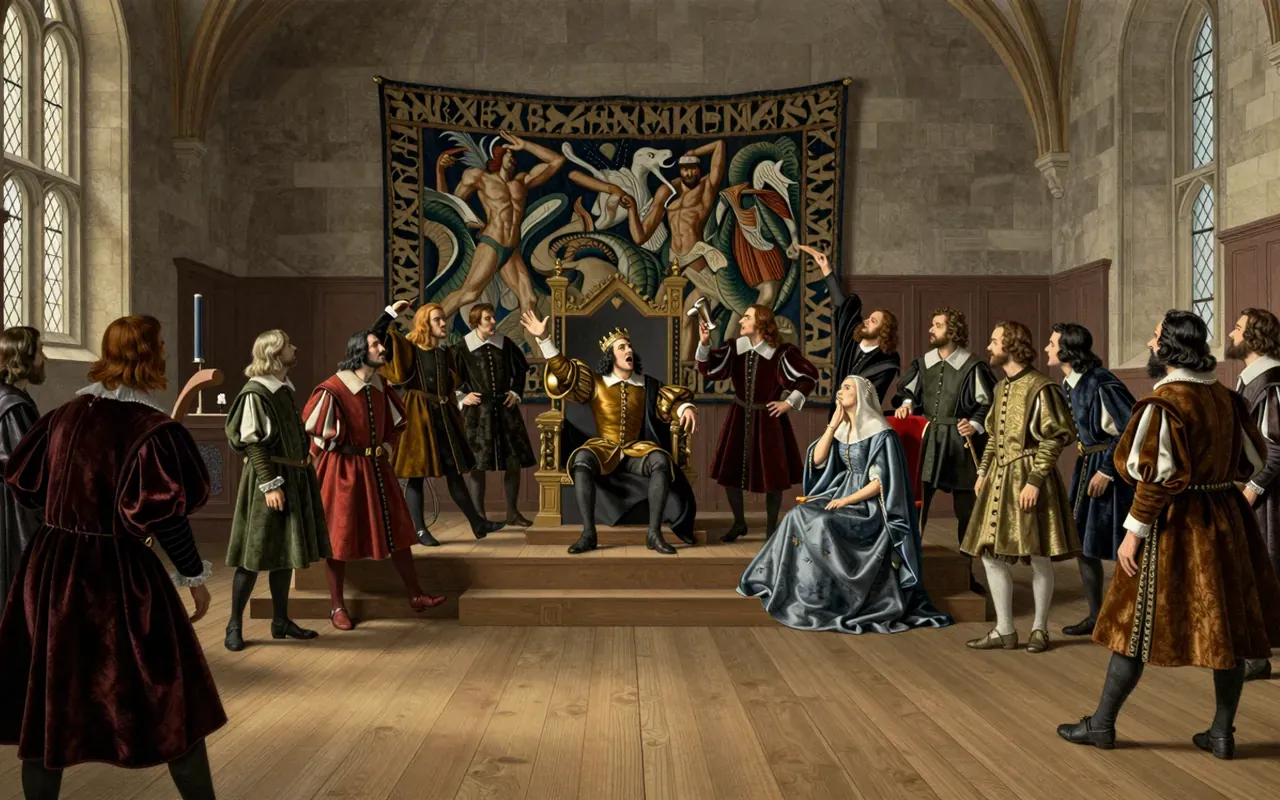
The Agamemnon argues that vengeance is self-replicating, not redemptive. It works best in performance — the Watchman’s vigil, the tapestry scene, Clytemnestra’s speeches — and collapses in exposition. Skip the Chorus’s myth-recounting. Read it aloud, not silently.
13:34

The Bacchae of Euripides

Euripides · 406 BC

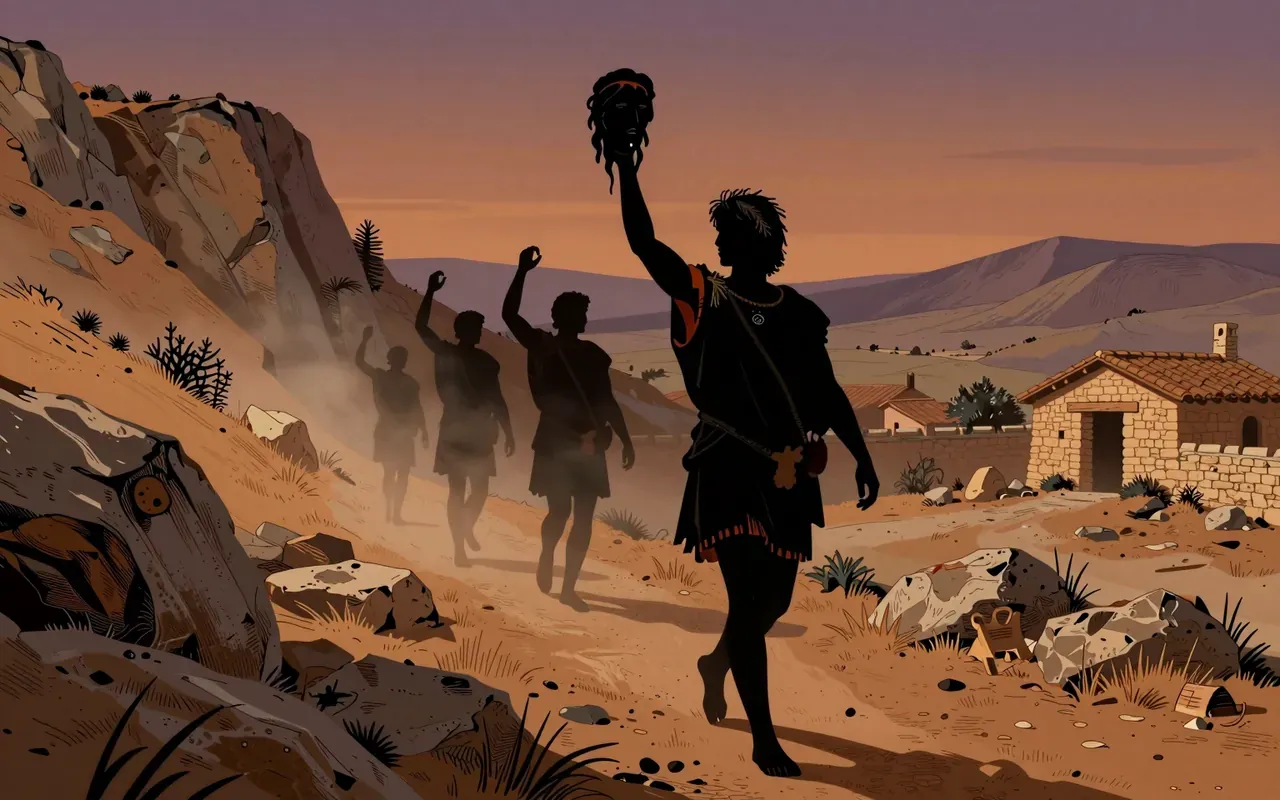
The Bacchae argues that divine power brooks no dissent — it dismantles reason, identity and kinship with surgical precision. It works because its horror is structural, not sensational. Skip nothing: the play’s force lies in its unbroken logic from opening line to final exile.

16:24

A Doll's House

Henrik Ibsen · 1889

A wife’s secret forgery unravels her marriage in three acts. The brief shows how Ibsen uses legal detail—not psychology—to expose marriage as a system of female wardship. It tells you which lines carry the argument and why the door slam is jurisprudence, not drama.

13:36

The Frogs

Aristophanes · 0

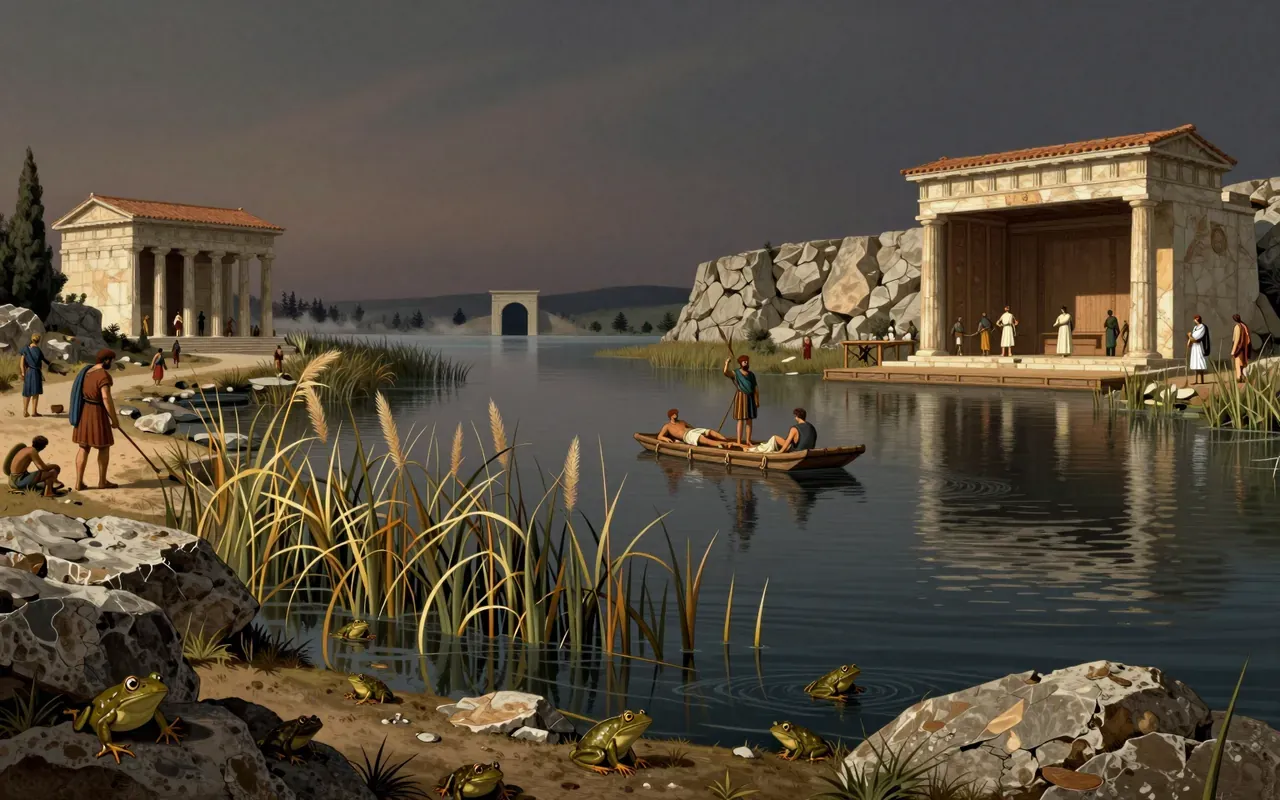
The Frogs is a 405 BCE Athenian comedy arguing that tragedy sustains democracy. Dionysus descends to Hades to retrieve Euripides—but chooses Aeschylus instead, because his poetry offers civic instruction, not just artistry. The brief explains why the frogs matter more than the plot, why the weighing scale is the play’s true thesis, and why the ending is policy, not poetry.

13:55

Ghosts

Henrik Ibsen · 0

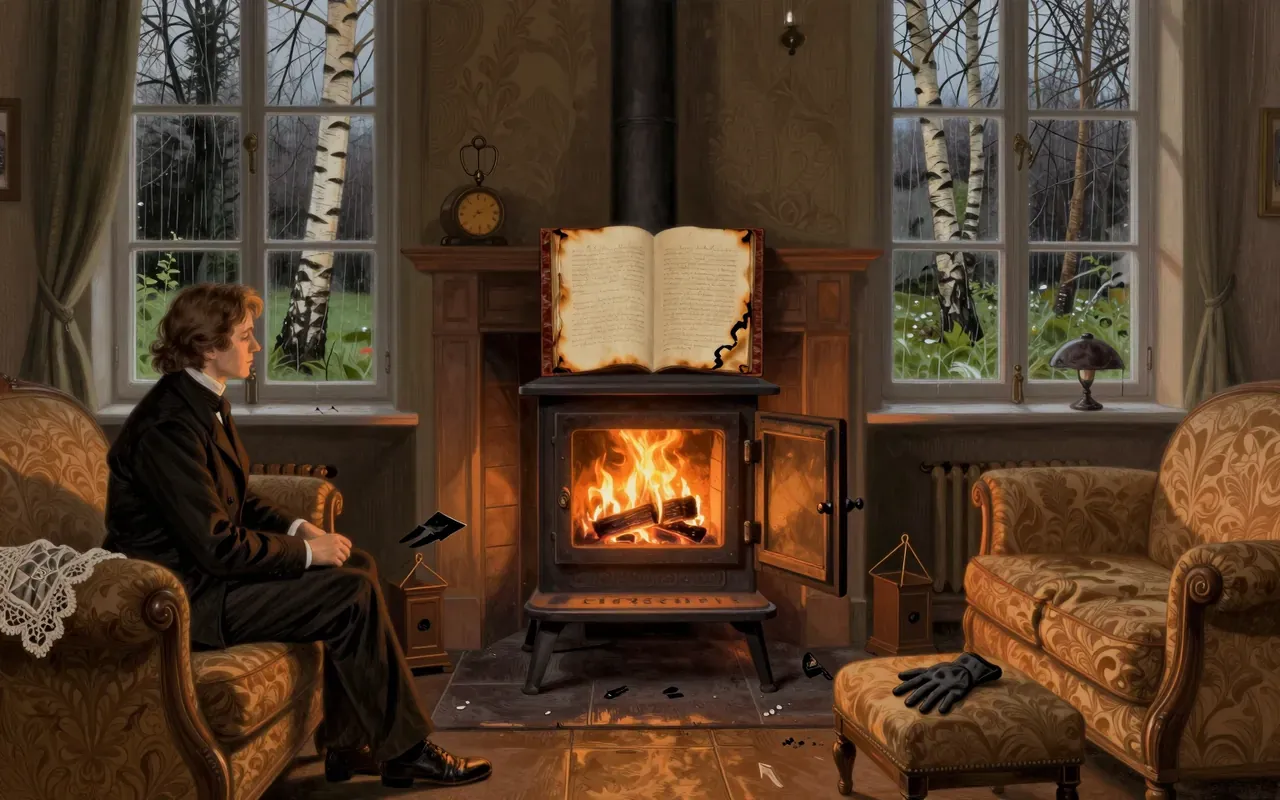
Ibsen’s Ghosts argues that inherited lies—not spirits—are the real ghosts. It shows how moral evasion destroys lives across generations. The brief explains why the Orphanage fire matters, what ‘ghosts’ actually mean, and why the ending refuses resolution.

13:57

Hamlet

William Shakespeare · 0

Hamlet is not about indecision. It is about the impossibility of acting on unverifiable truth in a world where every word is overheard and every gesture weaponised. The brief cuts through the soliloquies to show how surveillance, performance and mortality structure the play—and why the Ghost’s first demand is the only thing that matters.

13:46

Hedda Gabler

Henrik Ibsen · 0

Hedda Gabler is a surgical study of female agency under constraint. It argues that for Hedda, destruction is the only form of authorship left. The brief explains why her final shot is not despair but design—and why the play refuses to forgive, explain, or release her.

12:32

The Importance of Being Earnest

Oscar Wilde · 1893

A satirical three-act play that reduces Victorian respectability to linguistic games. It works because every line lands like a scalpel, not a sermon. Skip any production that treats it as heart-warming—it is not.

14:13

King Lear

William Shakespeare · 0

King Lear is not about redemption. It shows how power without insight unravels — through Lear’s demand for flattery, Cordelia’s silence, and the storm as physical consequence. The brief isolates its brutal logic, names what works (the storm, the Fool, the blinding), and says what to skip (expository padding). It is worth your time only if you accept that some truths arrive as wounds.

10:57

The Master Builder

Henrik Ibsen · 0

The Master Builder argues that genius is sustained by moral evasion—and that no tower can stand on ash. It works as a claustrophobic duel between Solness and Hilda, but collapses under its own refusal to interrogate her motive or hold Solness to account. Read it for the tower, not the triumph.

13:21

Medea of Euripides

Euripides · 406 BC

Medea is not a study in madness — it is a forensic account of how law, gender and exile converge to make vengeance rational. The brief explains why her children’s murder is strategic, not hysterical, and why the dragon-chariot ending is the point, not a flaw. Read it for its precision, not its pity.

14:54

A Midsummer Night's Dream

William Shakespeare · 0

A comic play about love’s irrationality, law’s fragility, and the forest’s power to dissolve both. The brief shows how Hermia’s defiance and Lysander’s 'course of true love' speech drive the action — and why the craftsmen’s subplot should be skimmed after the first reading.

13:30

Othello

William Shakespeare · 0

Othello is a tragedy about how language and suggestion can destroy certainty, love, and self. It argues jealousy is not emotion but logic gone rogue—and that 'ocular proof' can be manufactured from nothing. The brief explains why Iago needs no motive, why the handkerchief matters more than any character, and why the play refuses closure.

14:44

Pygmalion

Bernard Shaw · 1912

Pygmalion is not a rags-to-riches fantasy. It is a surgical dissection of how accent enforces class in England—and how linguistic transformation without power leaves Eliza stranded. The brief shows why Higgins’s triumph is hollow, why Doolittle’s rise is damning, and why Eliza’s final act is not marriage but sovereignty.

13:52

The Robbers

Friedrich Schiller · 1805

The Robbers is a Sturm und Drang tragedy about moral contagion: Francis forges a letter to disinherit his brother Charles, who then joins a robber band. Charles returns to find his father imprisoned, kills Amelia in a final 'sacrifice', and surrenders to justice. The brief isolates the forged letter, the dungeon revelation, and the suicide-sacrifice climax—and tells you which acts to skip.

15:28

Uncle Vanya

Anton Pavlovich Chekhov · 0

Uncle Vanya is a devastating portrait of wasted lives and unacknowledged labour. It argues that intellectual prestige is often fraud, romantic love is mostly fatigue, and endurance is measured in knitted socks and tuned guitars—not grand gestures. The brief isolates Sonia’s final monologue as the play’s moral centre and tells you why Voitski’s failed shot matters more than his rage.

12:50

Wallenstein's Camp

Friedrich Schiller · 1805

A dramatic poem showing soldiers in Wallenstein’s Pilsen camp pledging loyalty not to empire but to their commander. It argues loyalty is performative, collective and born of fear—not ideology or reason. Read it for its raw depiction of martial sovereignty, not for history or character.

13:57

The wild duck

Henrik Ibsen · 0

The play argues truth is catastrophic when imposed on fragile lives. Gregers Werle forces Hjalmar Ekdal to confront his wife Gina’s past with Werle Sr., triggering a collapse that ends with Hedvig’s suicide. Relling’s ‘life-lie’ is the play’s core idea: illusion is not weakness but survival infrastructure. Read it for the loft, the duck, and the pistol—not for redemption.

12:30

Anna Karenina

Leo Tolstoy · 1878

Tolstoy's 1878 novel follows multiple lives in Russian society—the affair between Anna Afremova and Count Vronsky, alongside Levin's marriage and search for meaning through farming. The book argues that domestic life is not private. Who you are is determined by the society around you, and defying it has a cost.

15:08

Julius Caesar

William Shakespeare · 1616

Brutus joins the conspiracy on principle and loses Rome to a better speaker. The brief covers why Shakespeare puts the murder at the halfway mark, how Antony turns a hostile crowd line by line, and why the second half never matches the first.

14:00

Les Misérables

Victor Hugo · 1862

A fifteen-hundred-page novel set across early nineteenth-century France, from the Paris sewers to the barricades of the July Rebellion. The brief covers Valjean's redemption, the costs of poverty, and why Hugo believed the republic must include the poor.

15:02

Macbeth

William Shakespeare · 1623

A soldier is told he will be king, kills to make it happen, and narrates his own disintegration in the plainest verse Shakespeare wrote. The brief covers what the witches actually promise, why Lady Macbeth is written out of the second half, and where the play sags.

12:00

Madame Bovary

Gustave Flaubert · 1856

Flaubert's 1856 realist novel set in provincial France. Emma Bovary, educated beyond her station, pursues romantic fantasies that her actual life—marriage to a dull country doctor—can never deliver. The book is about how desire becomes destructive in a world that offers no outlet for it.

13:42

The Merchant of Venice

William Shakespeare · 1600

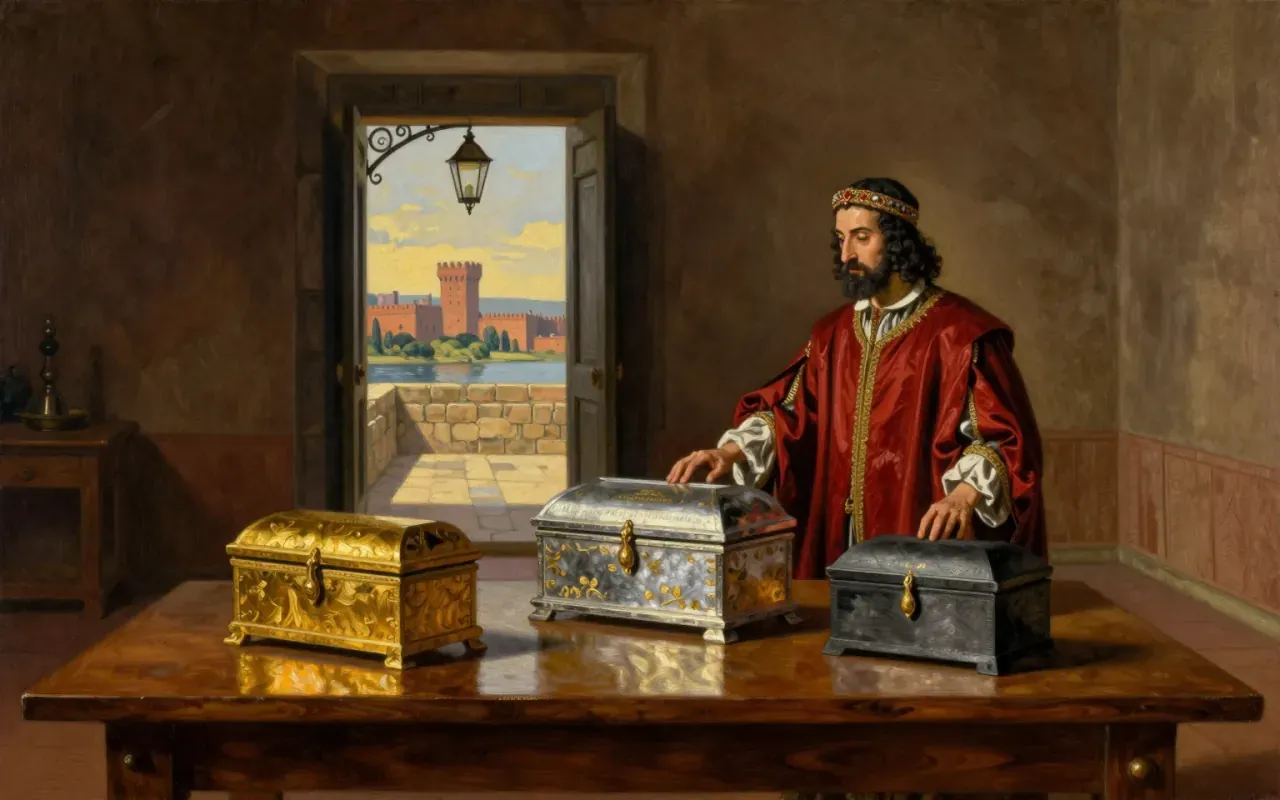
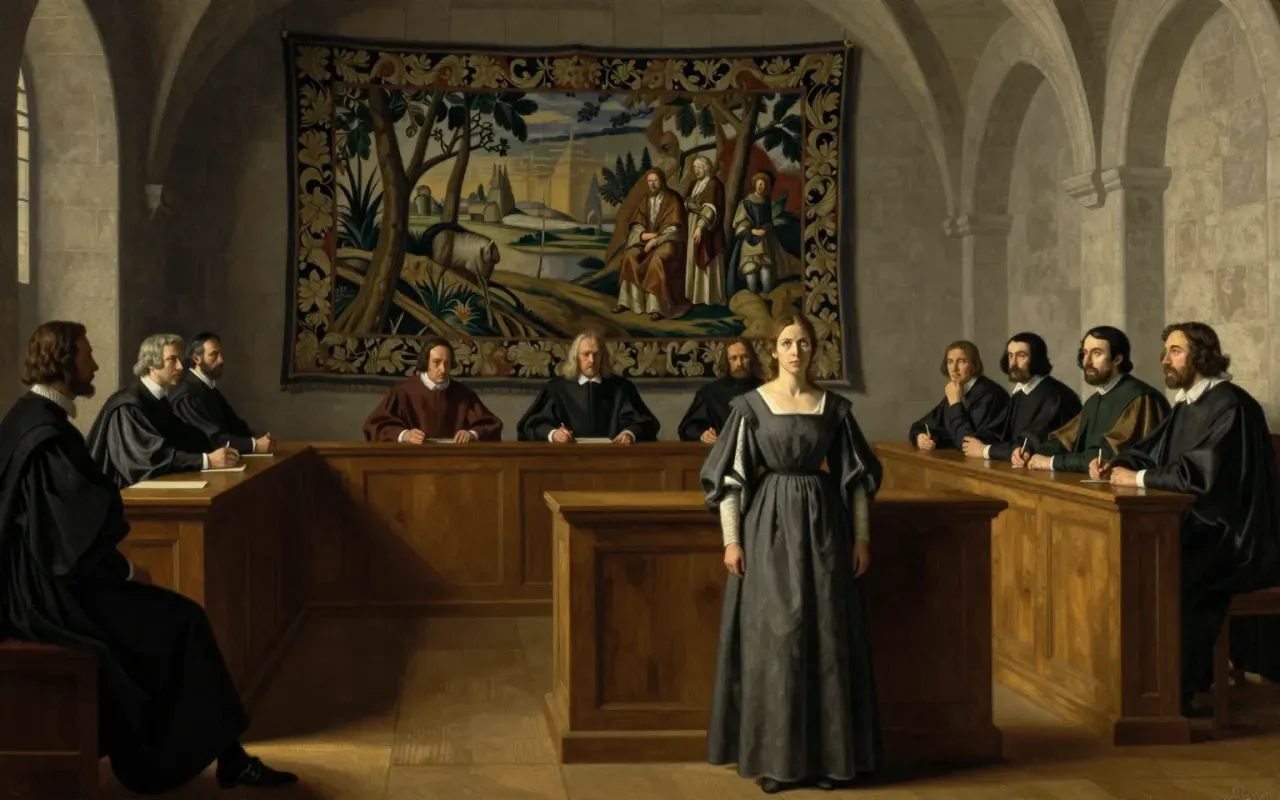
Antonio borrows against a pound of his own flesh, and the court that saves him strips Shylock of his money and his religion. The brief covers the trial, the thin plot surrounding it, and the antisemitism that is not a misreading but the play’s own material.

14:13

Much Ado about Nothing

William Shakespeare · 1600

Beatrice and Benedick argue their way into a marriage; Claudio believes a lie about Hero and denounces her at the altar. The brief covers why the comic plot outlives the romantic one, what two words in Act IV do to the play, and how little the villain has to try.

14:41

Romeo and Juliet

William Shakespeare · 1597

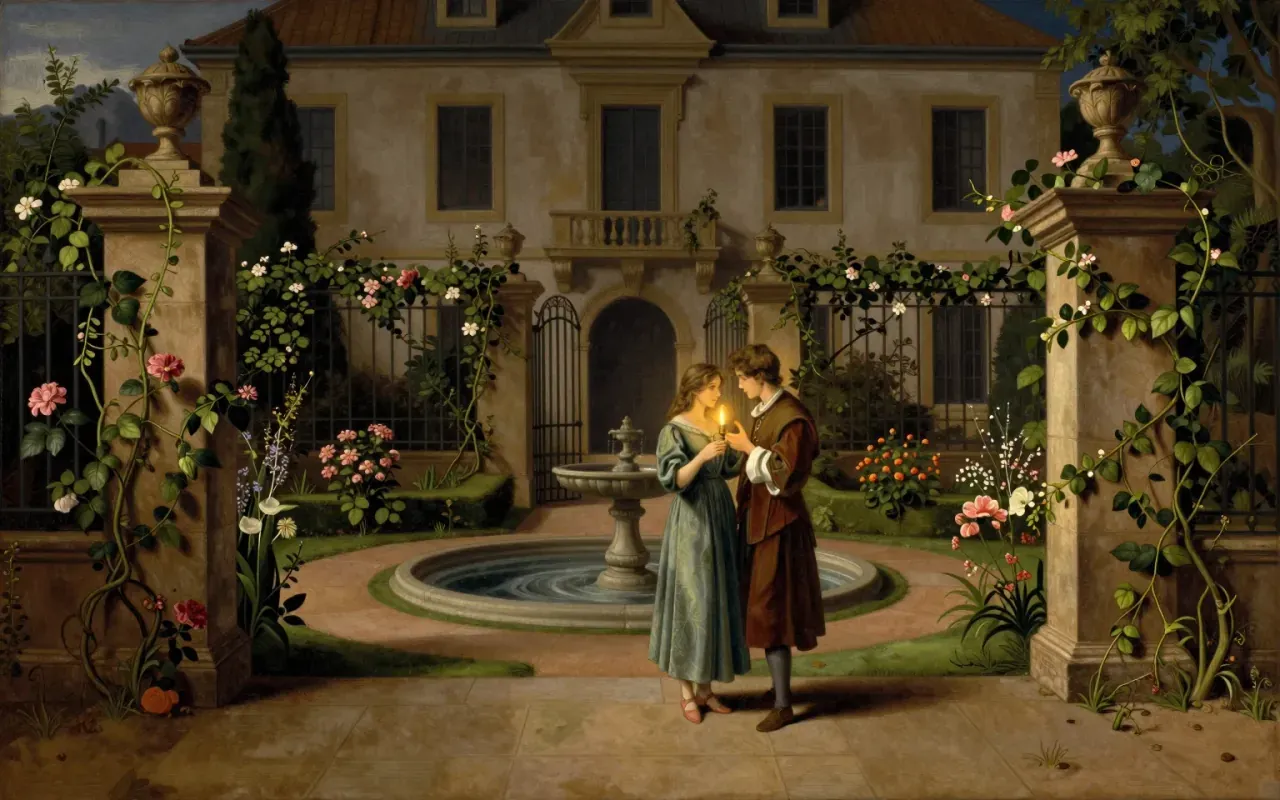
Two teenagers from feuding families marry in secret and are dead within four days. The brief covers the compression Shakespeare imposes on his source, why Mercutio and the Nurse are the best things in it, and the case that the lovers are less interesting than the people around them.

15:32

The Tempest

William Shakespeare · 1611

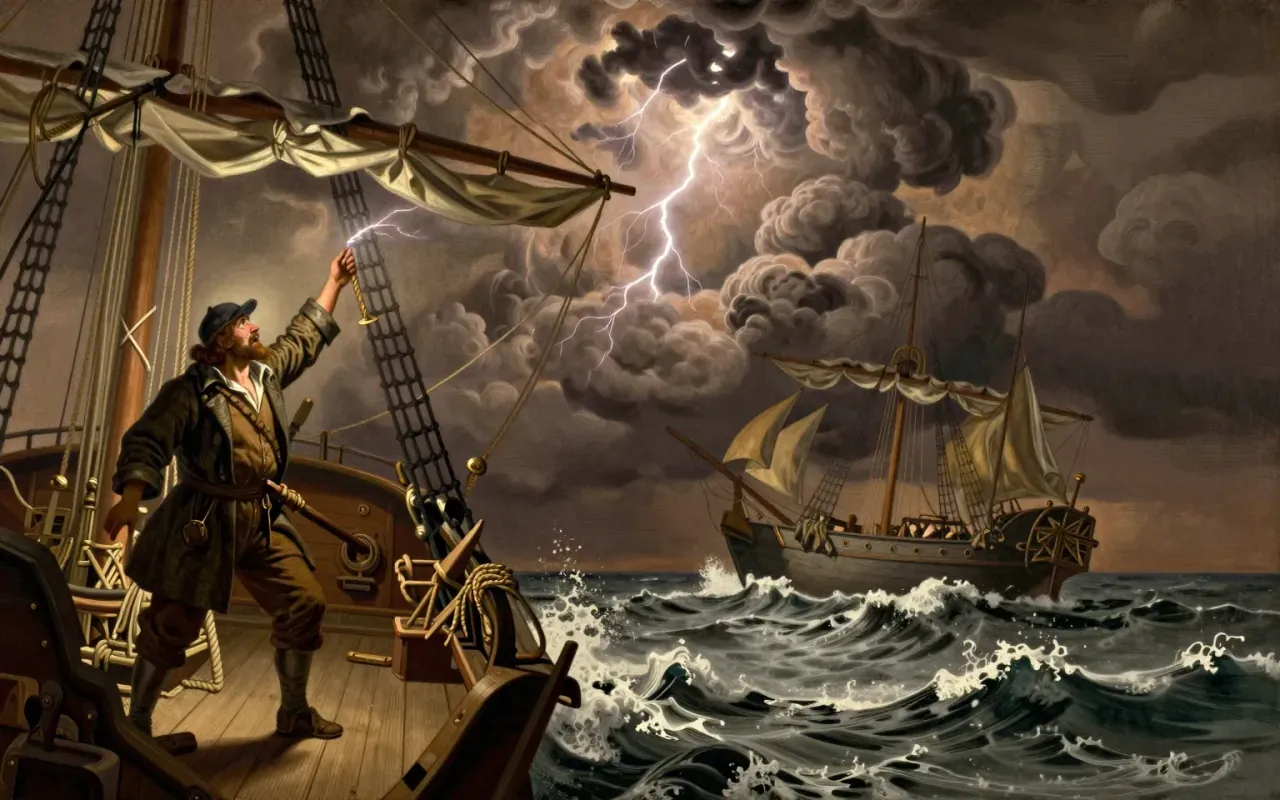
A deposed duke with a monopoly on magic wrecks his enemies’ ship, arranges his daughter’s marriage, forgives everyone and abandons his power. The brief covers what Caliban’s claim does to the story, why a plot with no resistance has no tension, and what the epilogue is asking for.

10:30

To Kill a Mockingbird

Harper Lee · 1960

Lee's 1960 novel follows Scout Finch growing up in Depression-era Alabama as her father Atticus defends a Black man wrongly accused of rape. The trial is rigged, but the book is not about whether he wins—it is about what Scout learns when he loses.