A child watches her father defend a man he cannot save and learns what courage actually costs.
Lee's 1960 novel follows Scout Finch growing up in Depression-era Alabama as her father Atticus defends a Black man wrongly accused of rape. The trial is rigged, but the book is not about whether he wins—it is about what Scout learns when he loses.
Scout and Jem grow up in a small Alabama town where race is the subtext of everything, now made text by a trial.
2:45
The case
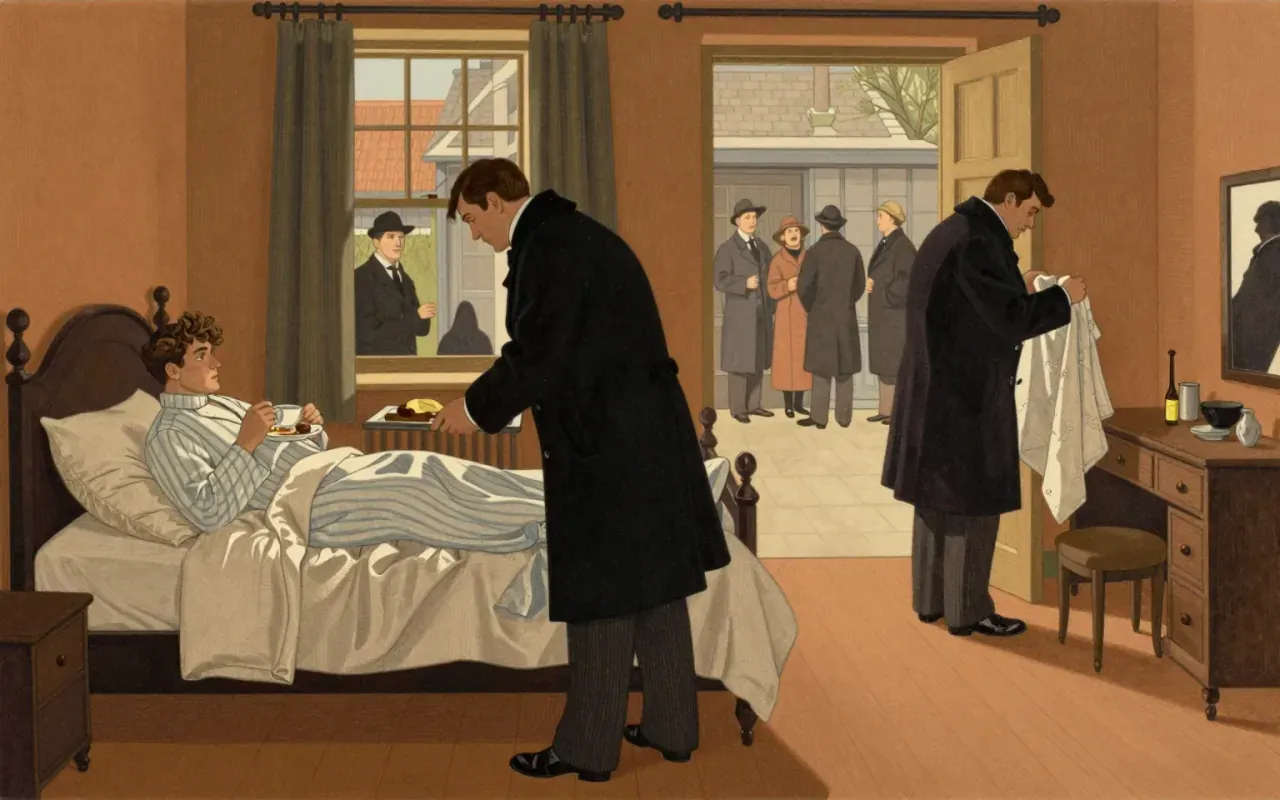
Atticus defends Tom Robinson against a crime he did not commit. The evidence is overwhelming. The verdict is not.
5:15
What Atticus shows them
Courage is not winning. Courage is doing what you know is right even when you will lose.
8:00
The two stories
The trial has an ending. Boo Radley's story unfolds invisibly, teaching a separate lesson about judgment.
Worth your time?
Yes. Read the whole thing.
5/ 5
What works
The voice of Scout is exact, funny, and never condescending to her own confusion
Atticus Finch is one of the few fictional characters who has changed how people think about ethics
The structure—childhood framing a trial, trial framing Boo—is tight
What does not
The recent scholarship on Lee's racial politics complicates the book's reputation without invalidating it
Some sections slow in the middle
Read it if
Readers who want to understand American race and class through a child's eyes
Anyone thinking about what courage looks like in ordinary life
Skip it if
Readers only looking for narrative surprise
The written brief1 min read
What the book is
Lee’s only novel, published when she was 34 after a decade of writing. It is set in a fictional Alabama county in the 1930s and narrated by Scout, who recounts a defining trial in her childhood: her father, a lawyer, defending a Black man falsely accused of raping a white woman.
Is it worth your time
Yes. It is a short book that justifies its canonical status. Read it as a novel about a child’s education, not as a moral argument, and it survives its own reputation.