booksbriefs
Author · 1828–1906

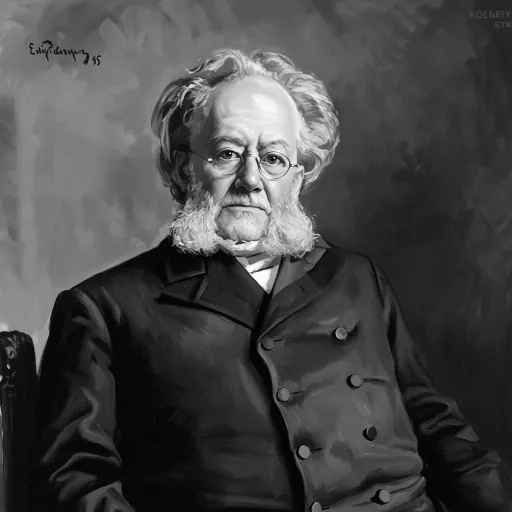
Henrik Ibsen

5
briefs
13:48
average
69 min
in total
On books.briefs5
16:24

A Doll's House

Henrik Ibsen · 1889

A wife’s secret forgery unravels her marriage in three acts. The brief shows how Ibsen uses legal detail—not psychology—to expose marriage as a system of female wardship. It tells you which lines carry the argument and why the door slam is jurisprudence, not drama.
13:55

Ghosts

Henrik Ibsen · 0

Ibsen’s Ghosts argues that inherited lies—not spirits—are the real ghosts. It shows how moral evasion destroys lives across generations. The brief explains why the Orphanage fire matters, what ‘ghosts’ actually mean, and why the ending refuses resolution.

13:46

Hedda Gabler

Henrik Ibsen · 0

Hedda Gabler is a surgical study of female agency under constraint. It argues that for Hedda, destruction is the only form of authorship left. The brief explains why her final shot is not despair but design—and why the play refuses to forgive, explain, or release her.

10:57

The Master Builder

Henrik Ibsen · 0

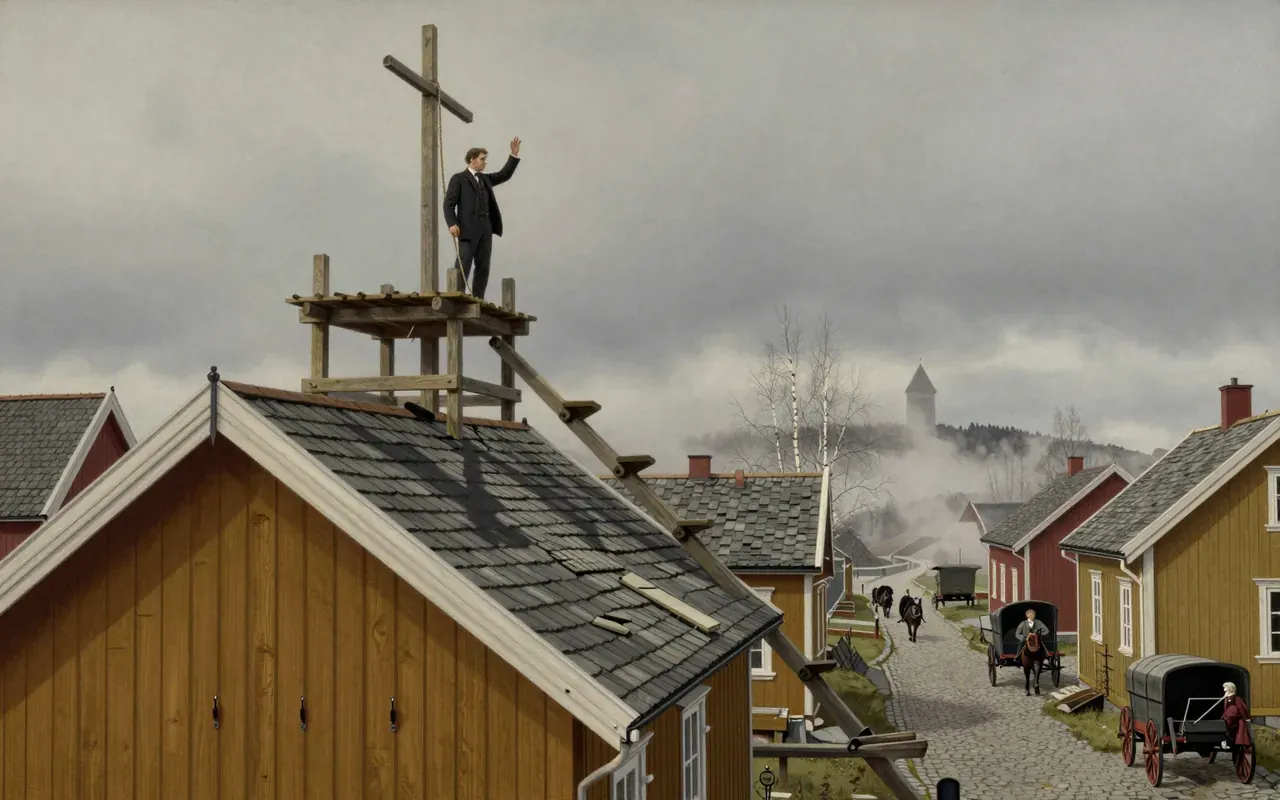
The Master Builder argues that genius is sustained by moral evasion—and that no tower can stand on ash. It works as a claustrophobic duel between Solness and Hilda, but collapses under its own refusal to interrogate her motive or hold Solness to account. Read it for the tower, not the triumph.

13:57

The wild duck

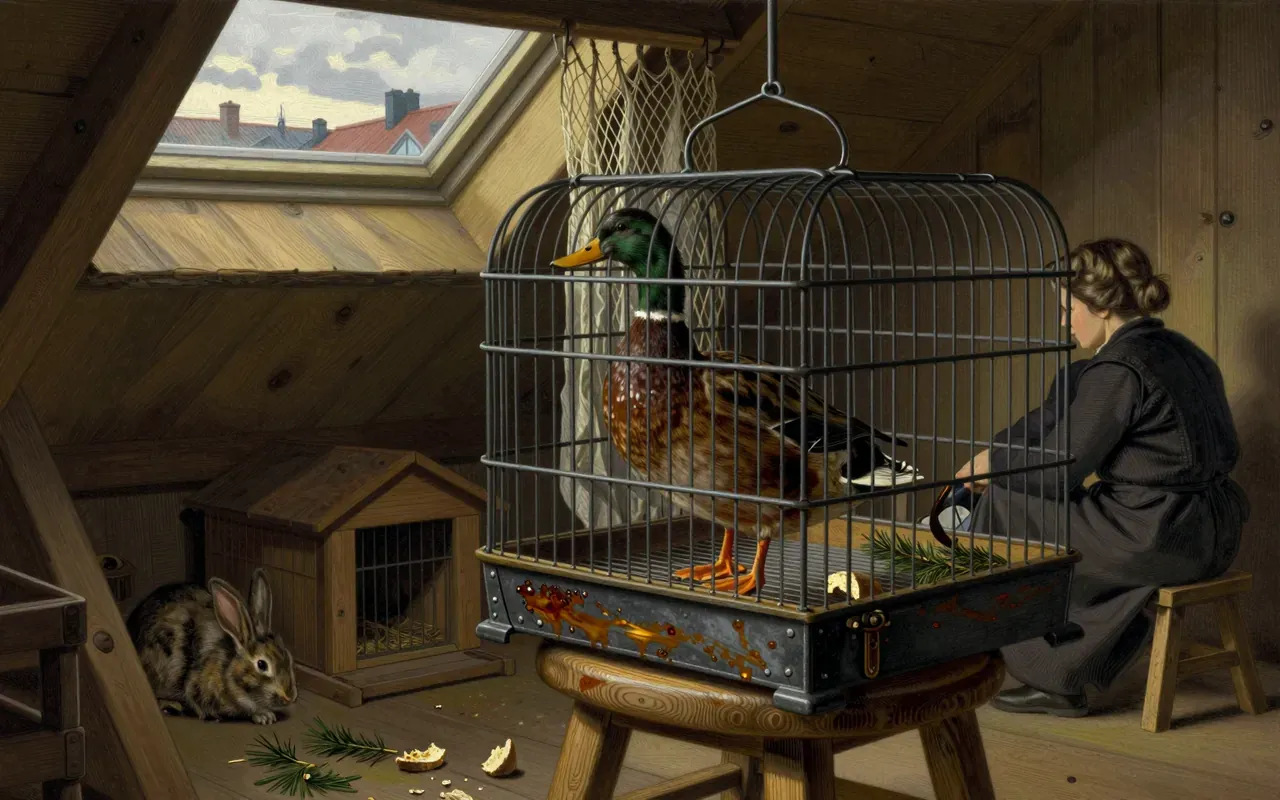
Henrik Ibsen · 0

The play argues truth is catastrophic when imposed on fragile lives. Gregers Werle forces Hjalmar Ekdal to confront his wife Gina’s past with Werle Sr., triggering a collapse that ends with Hedvig’s suicide. Relling’s ‘life-lie’ is the play’s core idea: illusion is not weakness but survival infrastructure. Read it for the loft, the duck, and the pistol—not for redemption.