What the book is
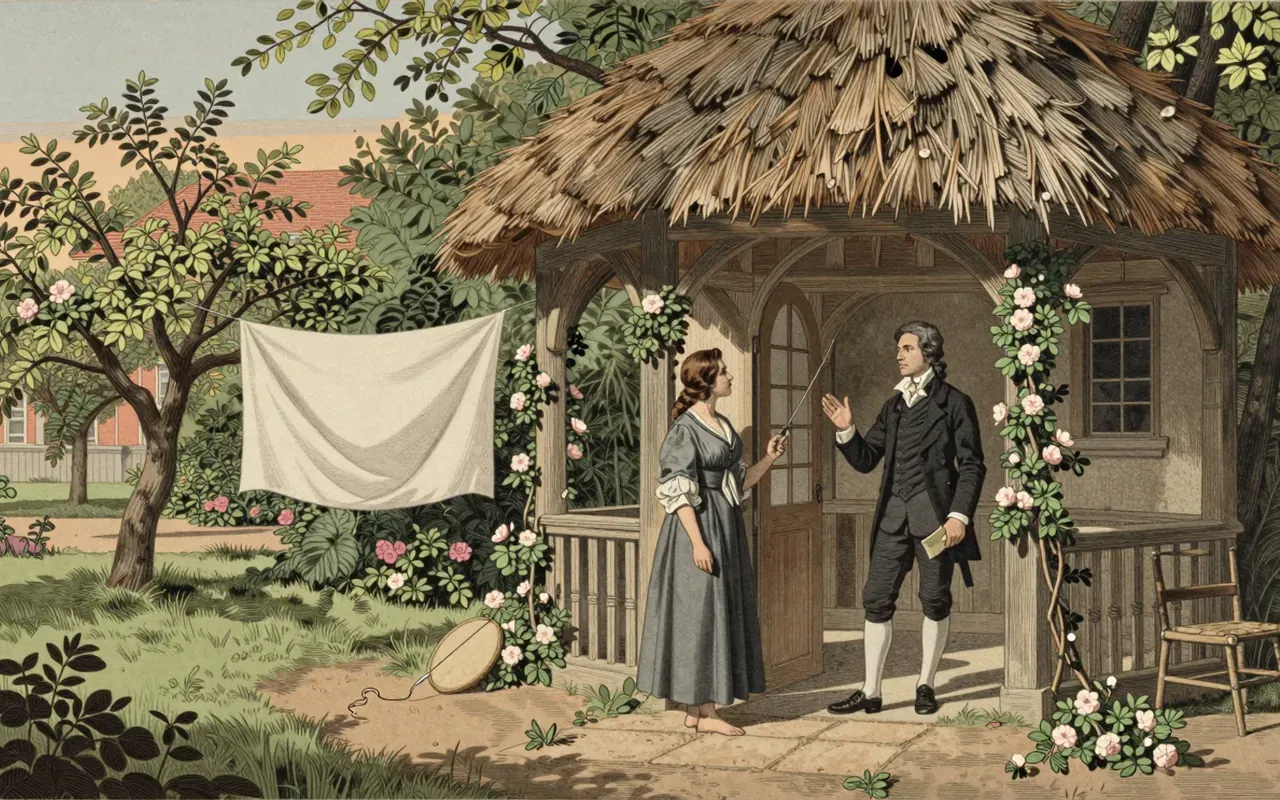
A three-act verse drama by Henrik Ibsen, first performed in 1892. Solness is an ageing architect whose authority rests on a house fire that ruined his rival Brovik and elevated himself. Hilda Wangel arrives at his home to demand he keep a vow he made to her ten years earlier, when she was twelve.
The main ideas
Solness believes he commands fate through will and guilt. Hilda insists he owes her a future he promised in a moment of flattery. The house fire is the origin myth he repeats to explain his dominance—and his fear. The tower is both monument and trap: he climbs it to prove he still rules, but falls because he cannot bear what he has built upon.
What works
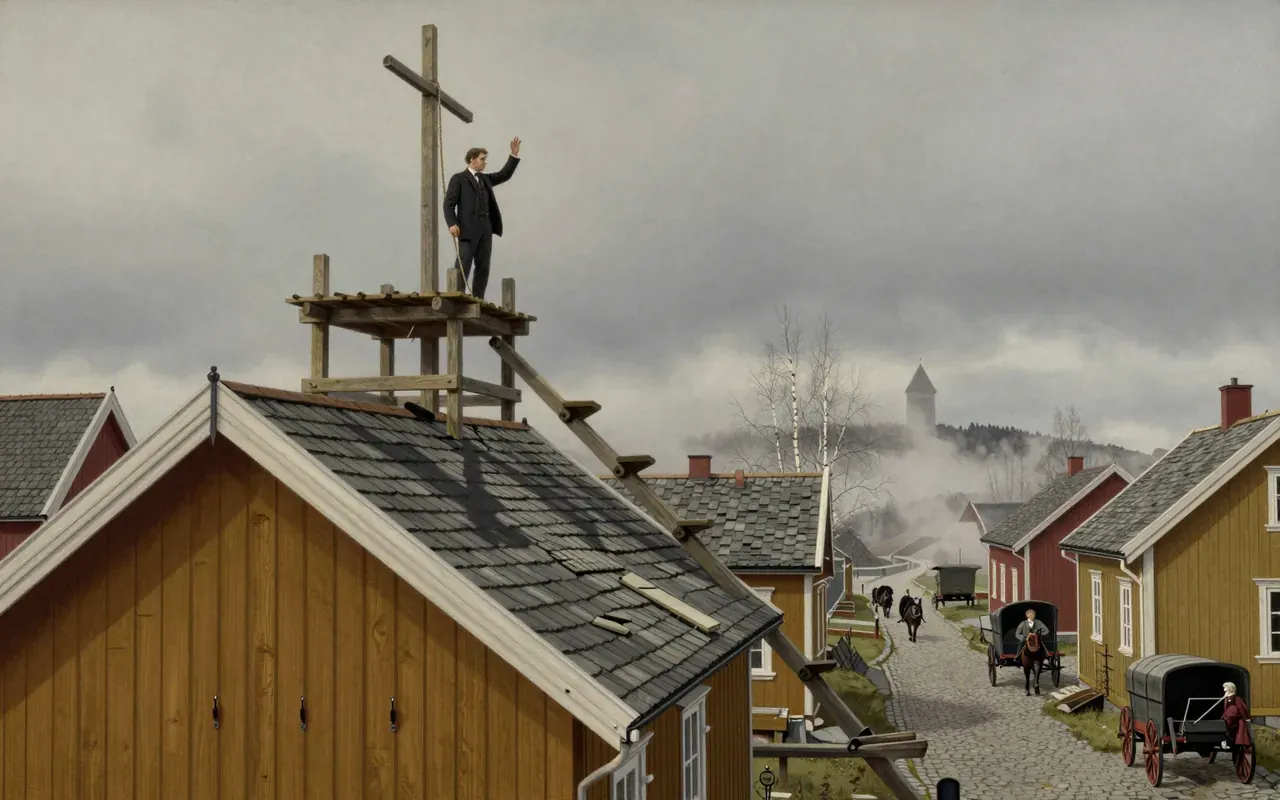
The tower ascent works because it is literal and symbolic at once: Solness climbs to affirm control, then falls when he realises he has no ground beneath him. Hilda’s entrance works because it is timed to the second—she appears just as Solness declares he has ‘built himself up from nothing’.
What does not
It does not justify Solness’s self-mythologising. His claim that he built his success on ‘sacrifices’ collapses under scrutiny: Brovik’s ruin is named, Ragnar’s talent is suppressed, Kaia’s loyalty is manipulated. The play gives no counterweight to his narrative—no scene where Brovik speaks unmediated, no line where Ragnar challenges him directly.
The themes
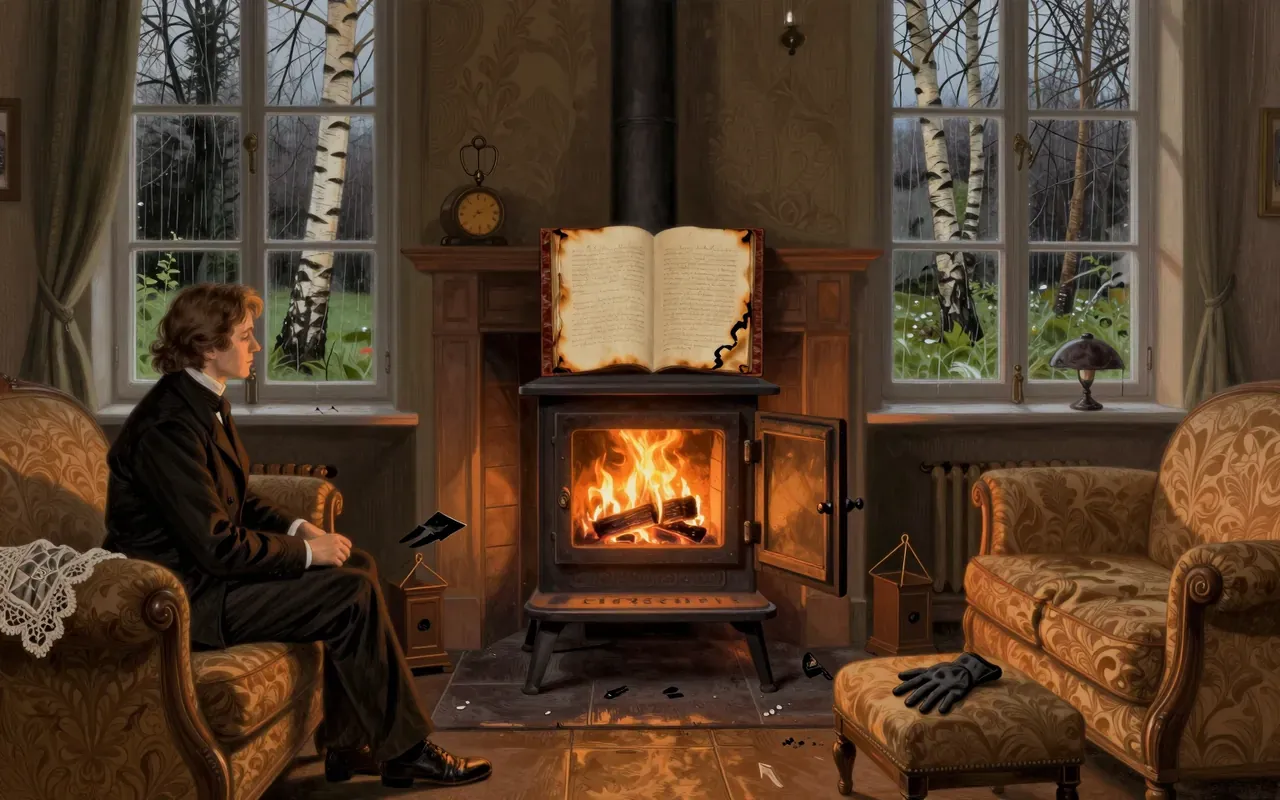
Ambition, guilt, generational displacement, moral debt, the unreliability of memory. The fire recurs as metaphor—not cleansing, but erasure: it destroys Brovik’s practice, enables Solness’s rise, and leaves Hilda unburnt, waiting.
Who should read it
Readers who want to see how late-nineteenth-century theatre dissects male self-justification. Those studying the dramatisation of psychological debt, or how stage space encodes power (the tower, the study, the threshold).
Who should not
Readers expecting resolution of Hilda’s motive or psychology. Those who require clear moral accountability: Solness is never held to account by another character, only by his own crumbling certainty.
The assessment
The Master Builder argues that genius is parasitic on youth, and that moral debt cannot be repaid through architecture. It fails to resolve Hilda’s agency: she arrives with a promise Solness made when she was twelve, but the play never clarifies whether he meant it, remembered it, or exploited her. The tower ascent is not triumph—it is collapse disguised as apotheosis.
Is it worth your time
Yes—if you read it as a forensic study of one man’s self-deception, not as a tragedy of fate. Skip Act Two’s long exposition about Ragnar’s drawings; it delays the central duel between Solness and Hilda without deepening either.