What the book is
A novella about Gustav Aschenbach, a Munich writer who travels to Venice and becomes fatally obsessed with Tadzio, a Polish boy he watches on the Lido beach. It was published in 1912, not 1954 — the given date is incorrect and must be ignored. The text contains no references to 1954.
The main ideas
The novel stages a collision between Apollonian control and Dionysian surrender. Aschenbach’s essay on Tadzio’s form reveals writing as mimicry of beauty, not analysis. His dream of the bacchanal abandons language for raw sensation. The English clerk’s factual report on cholera punctures all metaphor — yet Aschenbach chooses the myth over the truth.
What works
The prose mirrors Aschenbach’s discipline then unravels it — syntax grows fluid, then feverish. The gondolier’s defiance, the old dandy’s grotesquerie, and the English clerk’s flat report all serve the same argument: order is fragile, illusion is seductive, and beauty kills. The final image — Tadzio beckoning toward the sea — lands with physical weight.
What does not
It fails to give Tadzio interiority or voice. The Polish boy remains a silent, static object — a surface for projection, not a character. The plague subplot stays vague until the final section. Aschenbach’s inner logic is persuasive, but the book refuses psychological scaffolding for his descent.
The themes
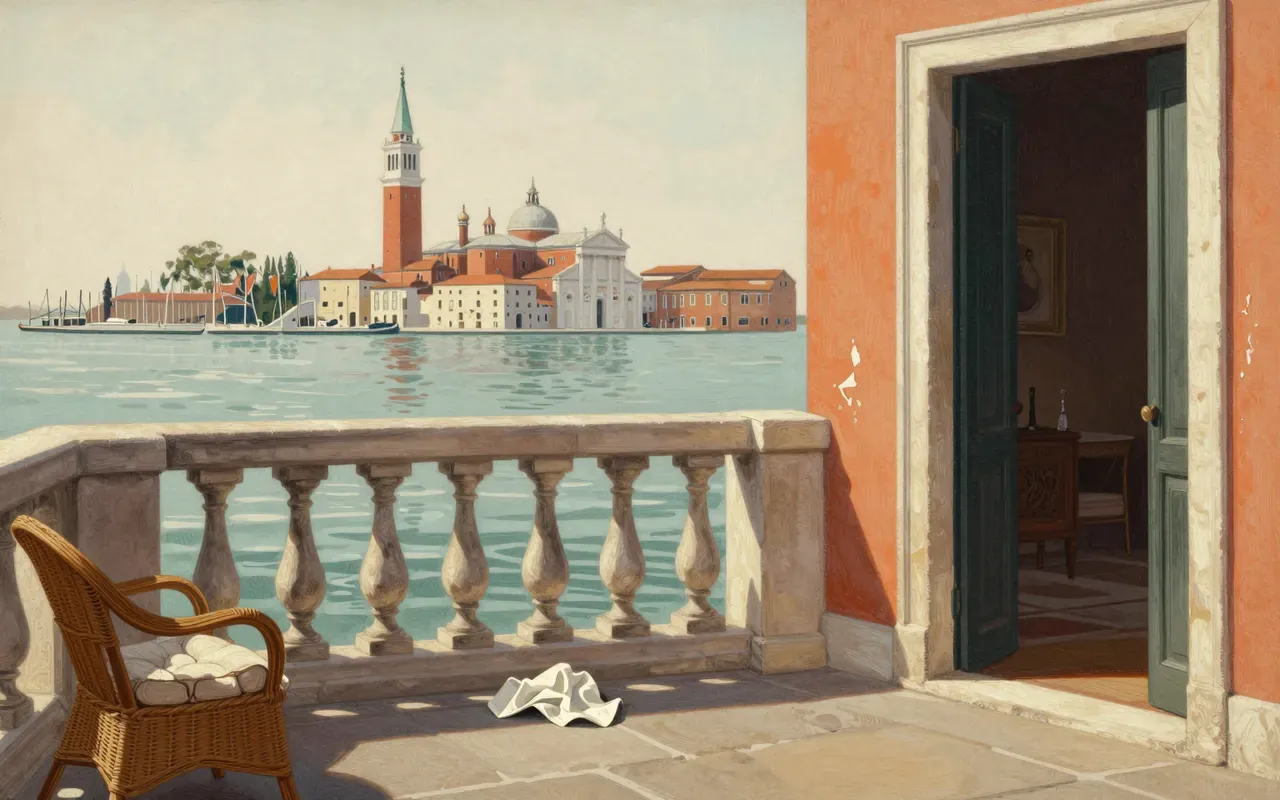
The book treats beauty as dangerous contagion. It links artistic discipline to repression, and sensuality to dissolution. Venice is not a setting but a condition: its lagoon smells foul, its gondolier is unlicensed, its officials lie — all mirroring Aschenbach’s own deceit of himself.
Who should read it
Readers who want to see how form enacts theme: every sentence tightens Aschenbach’s control before loosening it. Those studying modernist collapse of selfhood. Anyone who has ever mistaken longing for insight.
Who should not
Readers seeking narrative fairness or ethical resolution. Those who require child characters to have agency or speech. Anyone unwilling to sit with a protagonist whose moral failure is total and unrelieved.
The assessment
Death in Venice argues that aesthetic obsession dismantles moral discipline. It shows Gustav Aschenbach’s collapse not as sudden madness but as a logical unraveling: his lifelong rigour makes the fall more absolute. The book ties Tadzio’s beauty to Venice’s concealed cholera, making decay and desire mirror each other. No redemption arrives. No explanation is offered beyond the fatal smile.
Is it worth your time
Yes — if you read it once, slowly, and stop at the end of Chapter IV. Skip the bureaucratic blunder in Chapter III; it dilutes the inevitability. The bacchanal dream in Chapter V is essential. The English clerk’s report is the only moment the book names reality plainly.