What the book is
A first-person Bildungsroman set between 1900 and 1918, narrated by Emil Sinclair as he moves from childhood obedience through blackmail, religious crisis, artistic obsession and wartime trauma. Max Demian appears at key thresholds — aged eleven, fourteen, seventeen, twenty — always as catalyst, never as peer or friend.
The main ideas
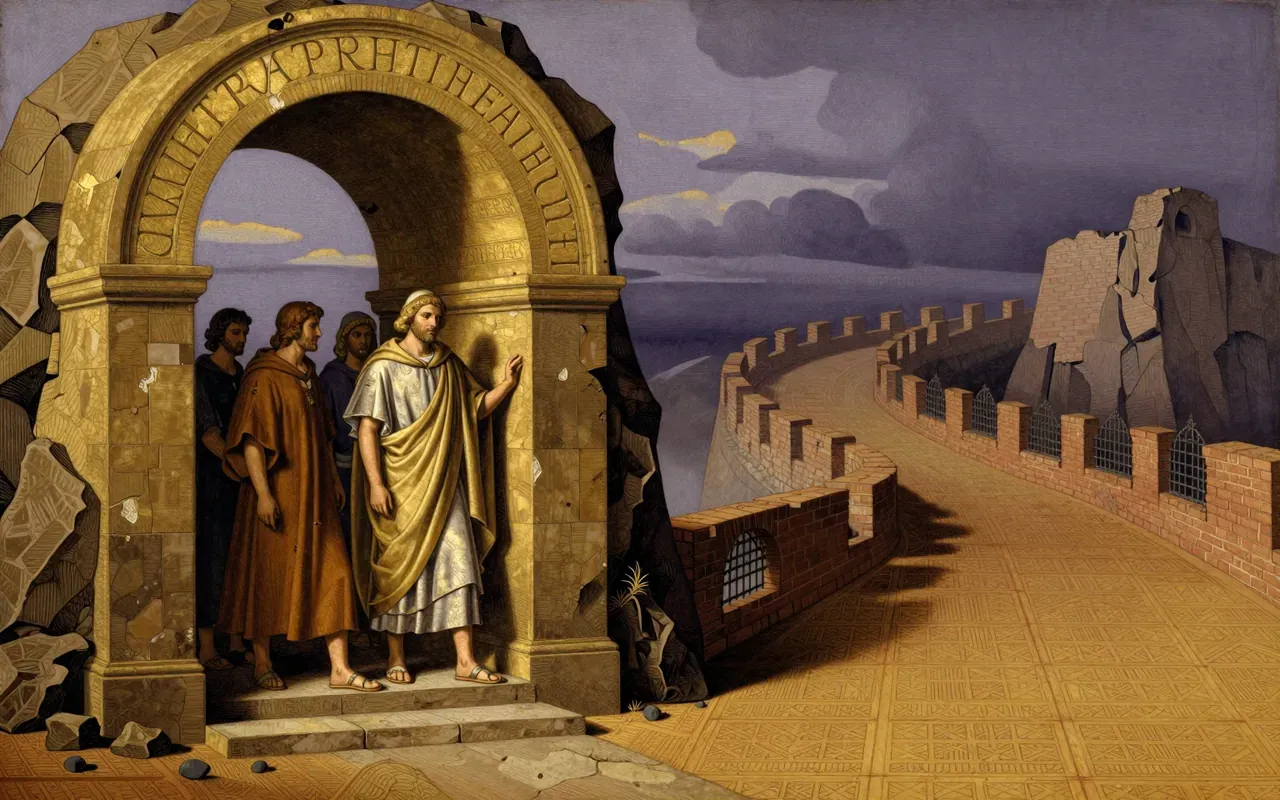
Demian dismantles Christian dualism by reinterpreting Cain and the thieves on the cross as symbols of chosen distinction, not sin. The narrator’s theft at age eleven is the first act of sovereignty. His obsession with Beatrice and vision of Mother Eve are not love stories but failed attempts to externalise an inner guide he already carries — Demian himself.
What works
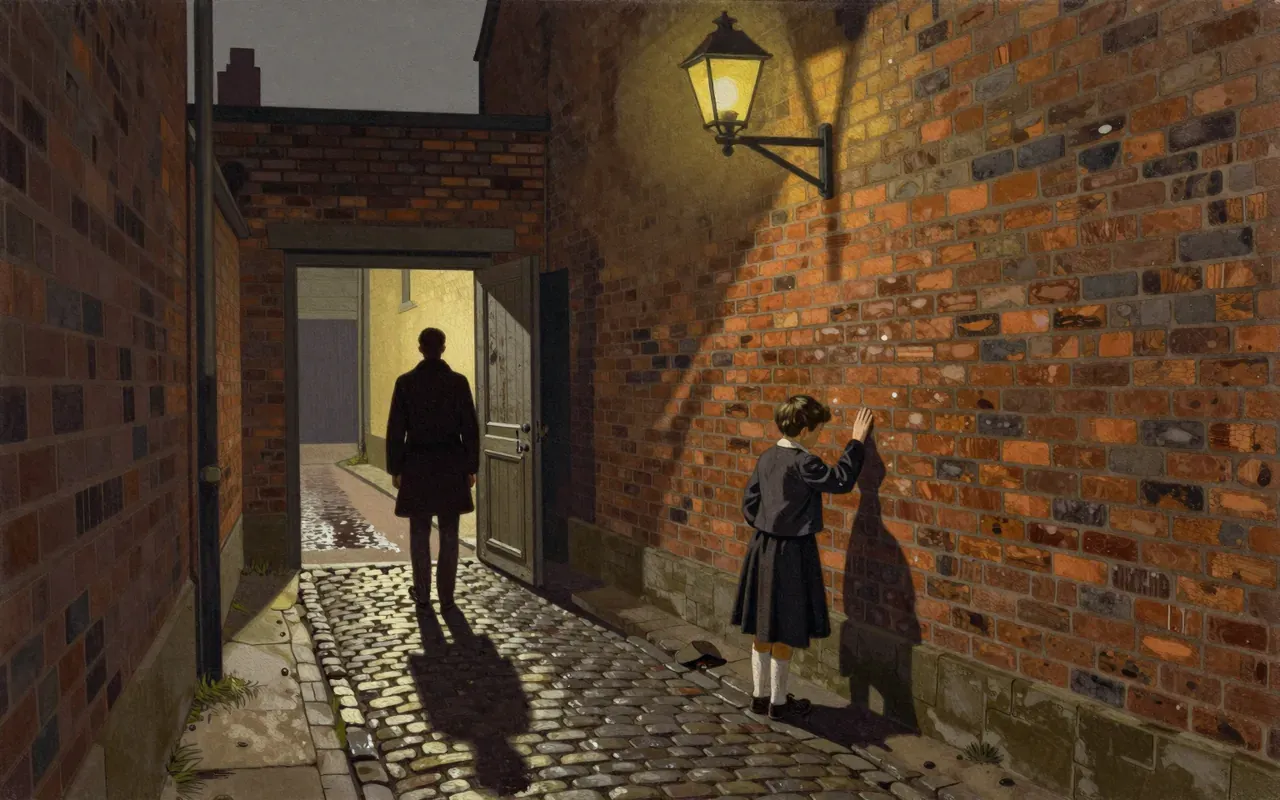
The opening chapter’s depiction of Kromer’s blackmail is psychologically precise and unflinching. Demian’s confrontation with him — no violence, no speech, just presence — remains the book’s most concrete moment of power. The phrase ‘The bird fights its way out of the egg’ lands with physical force because it names destruction as prerequisite, not metaphor.
What does not
The book reduces Eve and Beatrice to vessels for Sinclair’s projections. It repeats the same revelation — ‘you must become yourself’ — across eight chapters without deepening it. Its mysticism collapses into vagueness whenever it tries to name what ‘Abraxas’ actually does in daily life.
The themes
The book turns on individuation, the sacredness of the forbidden, and war as psychic rupture. Its central motif — the bird breaking the egg — appears three times: as a note (Ch. V), a dream (Ch. VII), and a wartime vision (Ch. VIII). Each time, it signals destruction as necessary birth.
Who should read it
Readers who recognise their own adolescence in Sinclair’s shame, secrecy and sudden awakenings. Those who want a pre-Freudian map of the unconscious built from biblical myth, not clinical terms. Anyone who has ever mistaken a charismatic mentor for a saviour.
Who should not
Readers who need women characters with interiority or agency. Those allergic to archetypal language (‘the mother’, ‘the goddess-devil’). Anyone seeking historical realism — the war arrives off-page, then vanishes into symbolism.
The assessment
Demian argues that self-realisation demands rejecting inherited morality and embracing the ‘other world’ of instinct, desire and the demonic. It insists every person must destroy their old world to be born anew — symbolised by the bird breaking the egg. The book fails when it substitutes mythic pronouncements for psychological insight, especially in its treatment of women as archetypes rather than people.
Is it worth your time
Selectively. Read Chapters I, III and VIII only. Skip Pistorius entirely — his entire arc (Ch. IV–V) adds nothing but repetition. The final hospital reunion (Ch. VIII) works only if you accept that Demian was never a person but a projection Sinclair finally internalises.