booksbriefs
Topic

Mortality

The fact everything else is arranged around.

3
in books
15:08
average
45 min
in total
31
across the network
Mortality across the network →
All briefs3
15:46

Death in Venice

Thomas Mann · 1954

Death in Venice argues that aesthetic obsession is lethal discipline undone. It shows Gustav Aschenbach’s collapse as inevitable — not tragic, not redemptive, but logical. The brief isolates the fatal smile, the bacchanal dream, and the English clerk’s report as the three moments that define the book’s ruthless logic.

15:13

Master and Man

Leo Tolstoy · 1910

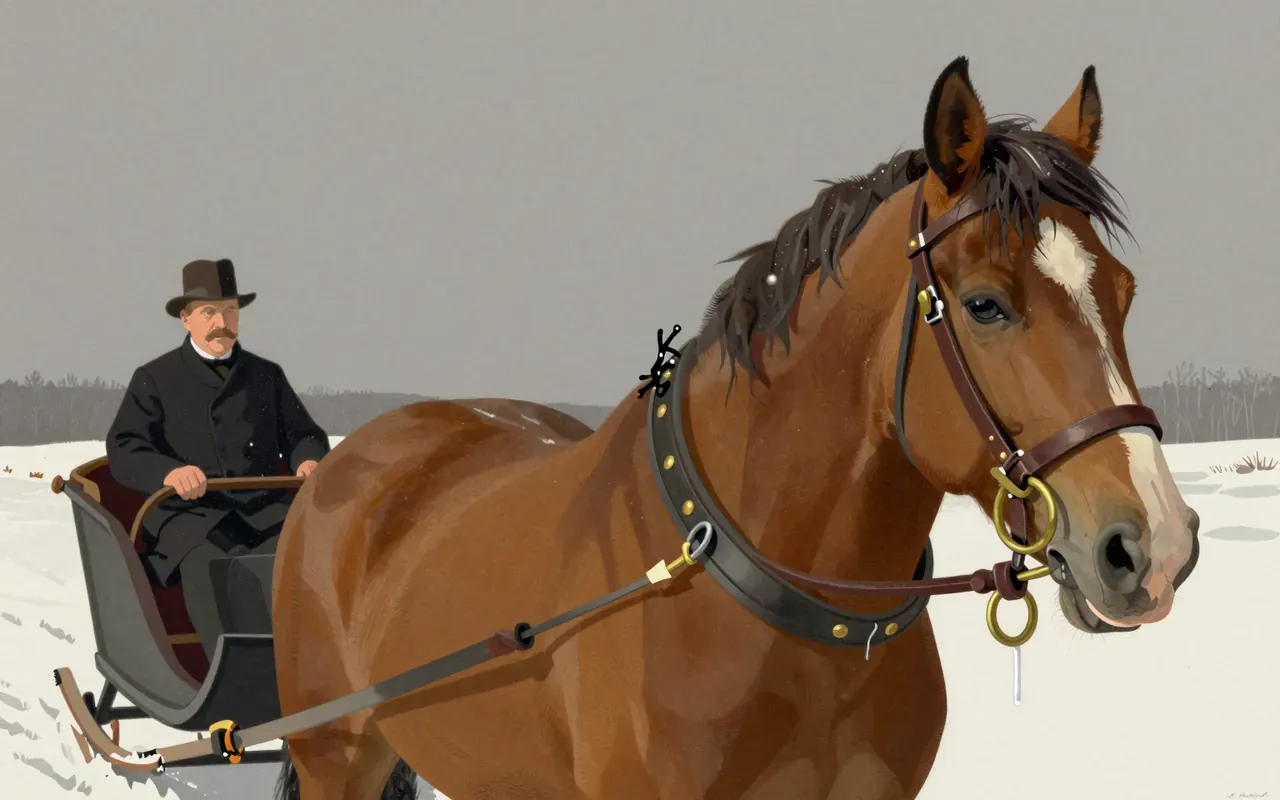
Tolstoy’s 1910 parable strips away all pretence: a merchant and his labourer are stranded in a blizzard, and salvation arrives only when the merchant lies frozen atop the man he exploited. The wormwood circle (VIII) proves reason is useless. Skip the homestead interlude (IV). Read it once, in under ninety minutes.

14:25

Spoon River Anthology

Edgar Lee Masters · 0

The brief argues that Spoon River Anthology’s power lies entirely in its epitaphs—the dead speaking plainly about lies, loss and local truth. The Epilogue’s mythic allegory undermines that power. Read The Hill. Skip the rest.

More from books

All briefs →
13:56

Adventures of Huckleberry Finn

Mark Twain · 0

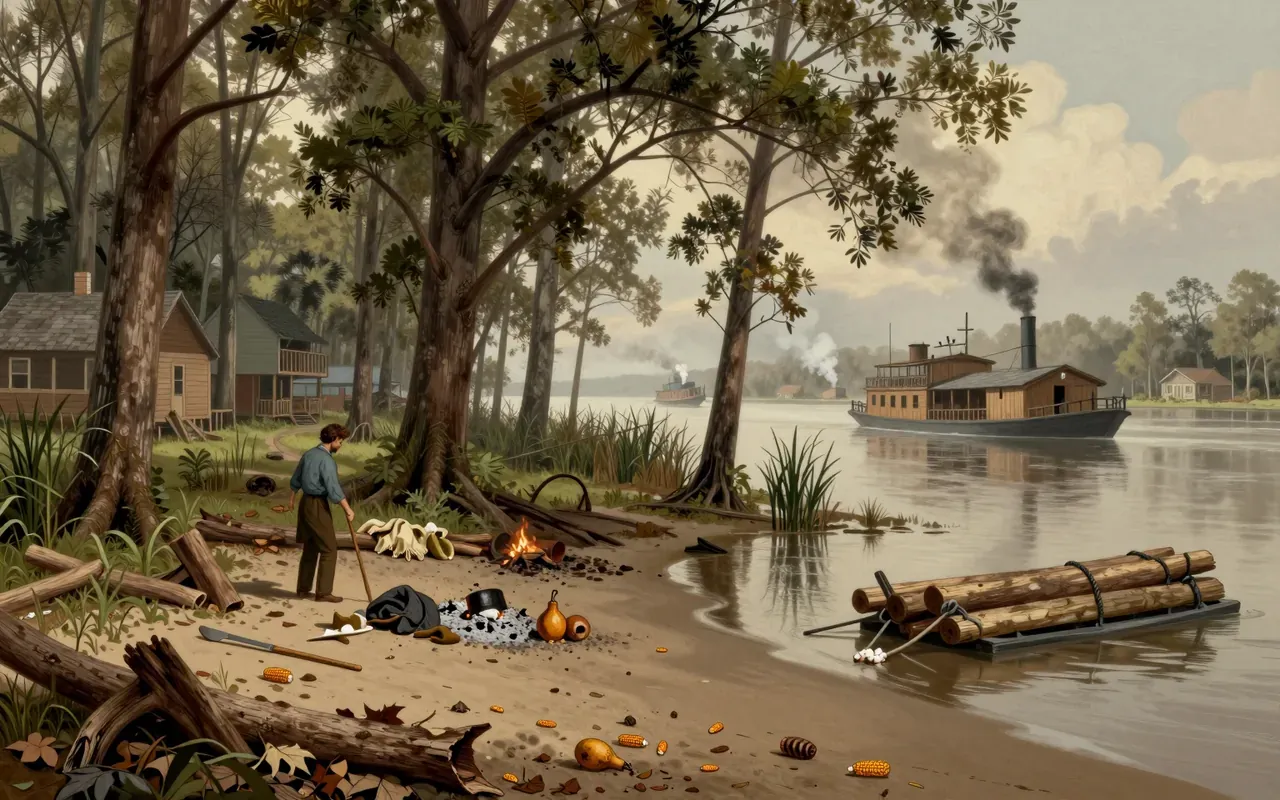
The book argues that moral clarity emerges from direct human contact, not society’s rules—and that Southern 'civilization' is a fraud sustained by violence and self-deception. It does this through Huck’s choices: faking his death, choosing Jim over religion, and rejecting adoption. Tom’s elaborate rescue is exposed as cruel theatre. Read Chapters I–XVI and XXX–XLII. Skip Chapter XL.

14:38

The Adventures of Tom Sawyer, Complete

Mark Twain · 1910

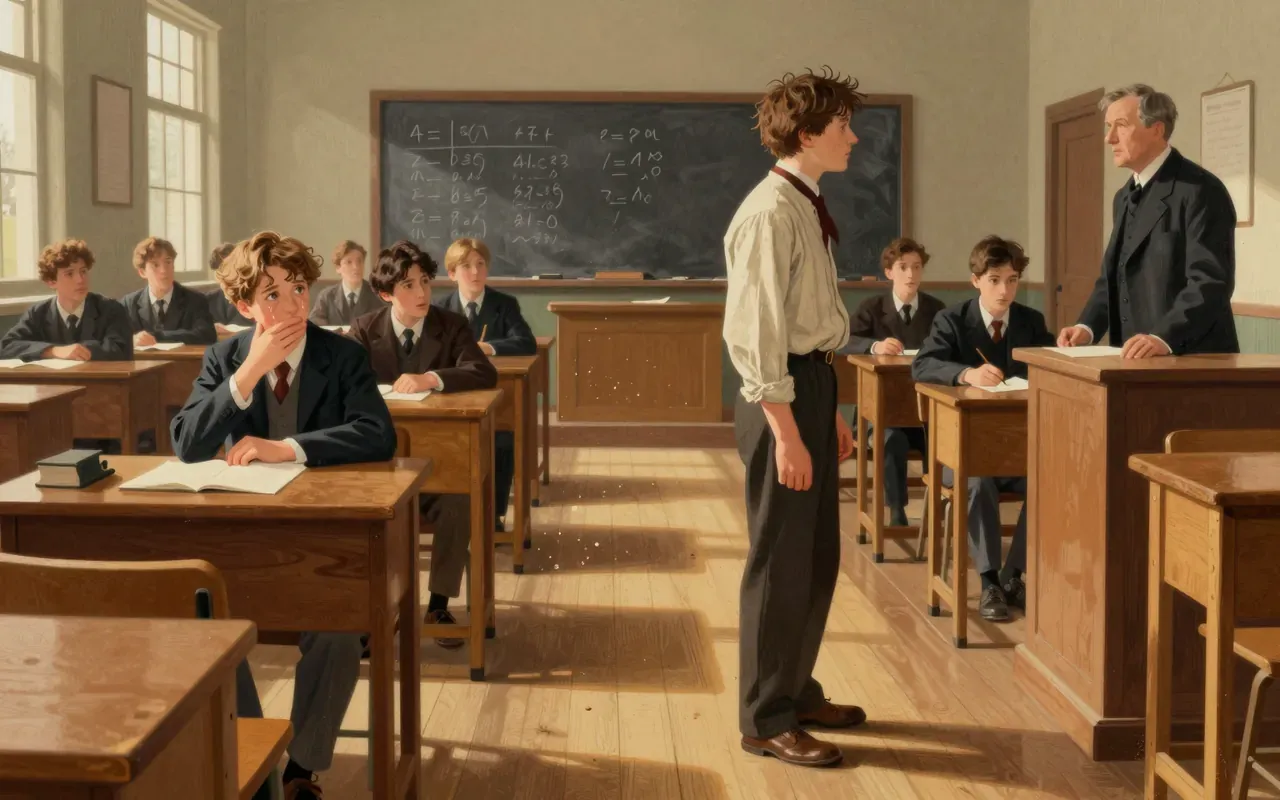
Twain’s 1876 novel treats childhood as a site of real moral risk—not innocence, not corruption, but constant negotiation. Tom’s fence-whitewashing, blood oath, courtroom testimony and cave ordeal are not adventures but ethical trials. The book works best in its sharpest scenes: Ch. II, XX, XXXI and XXXIII. Skip the editor’s introduction and the slower interludes.

13:13

The Agamemnon of Aeschylus

Aeschylus · 0

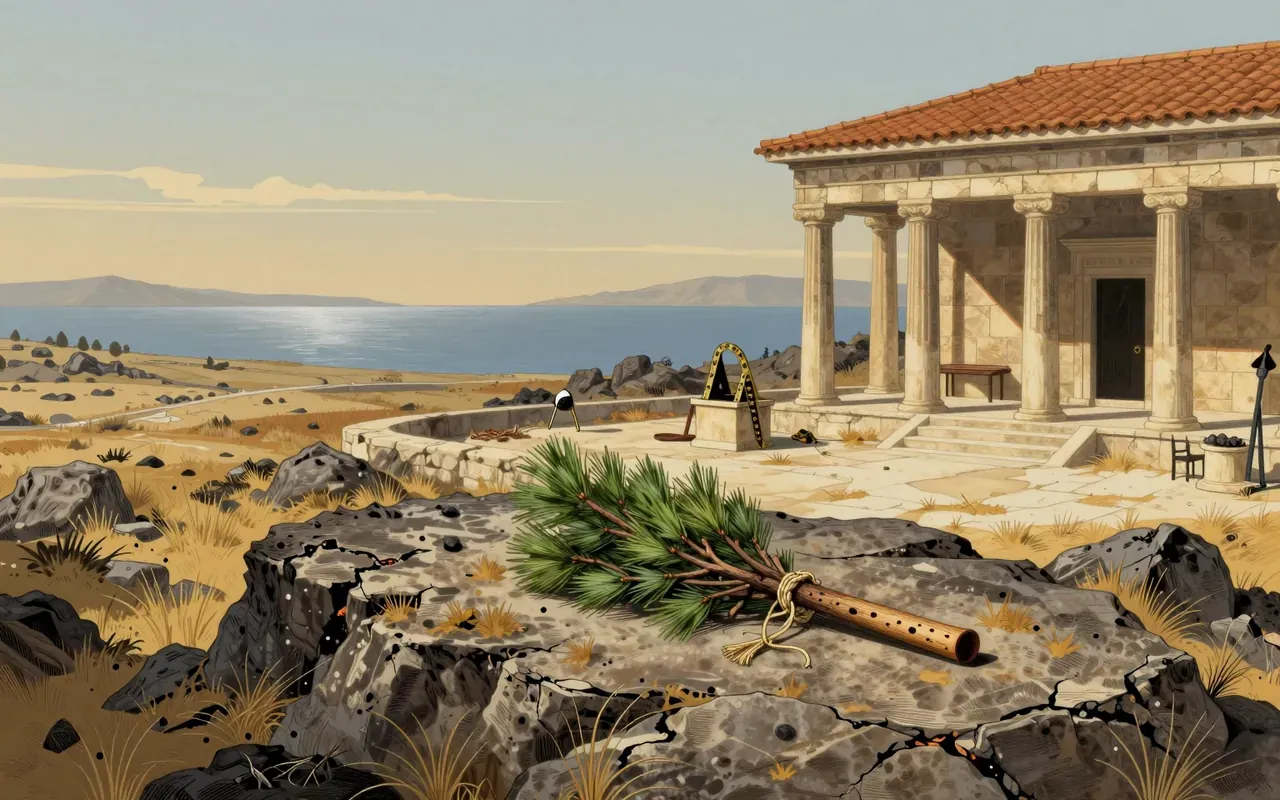
The Agamemnon argues that vengeance is self-replicating, not redemptive. It works best in performance — the Watchman’s vigil, the tapestry scene, Clytemnestra’s speeches — and collapses in exposition. Skip the Chorus’s myth-recounting. Read it aloud, not silently.

15:17

Alice's Adventures in Wonderland

Lewis Carroll · 0

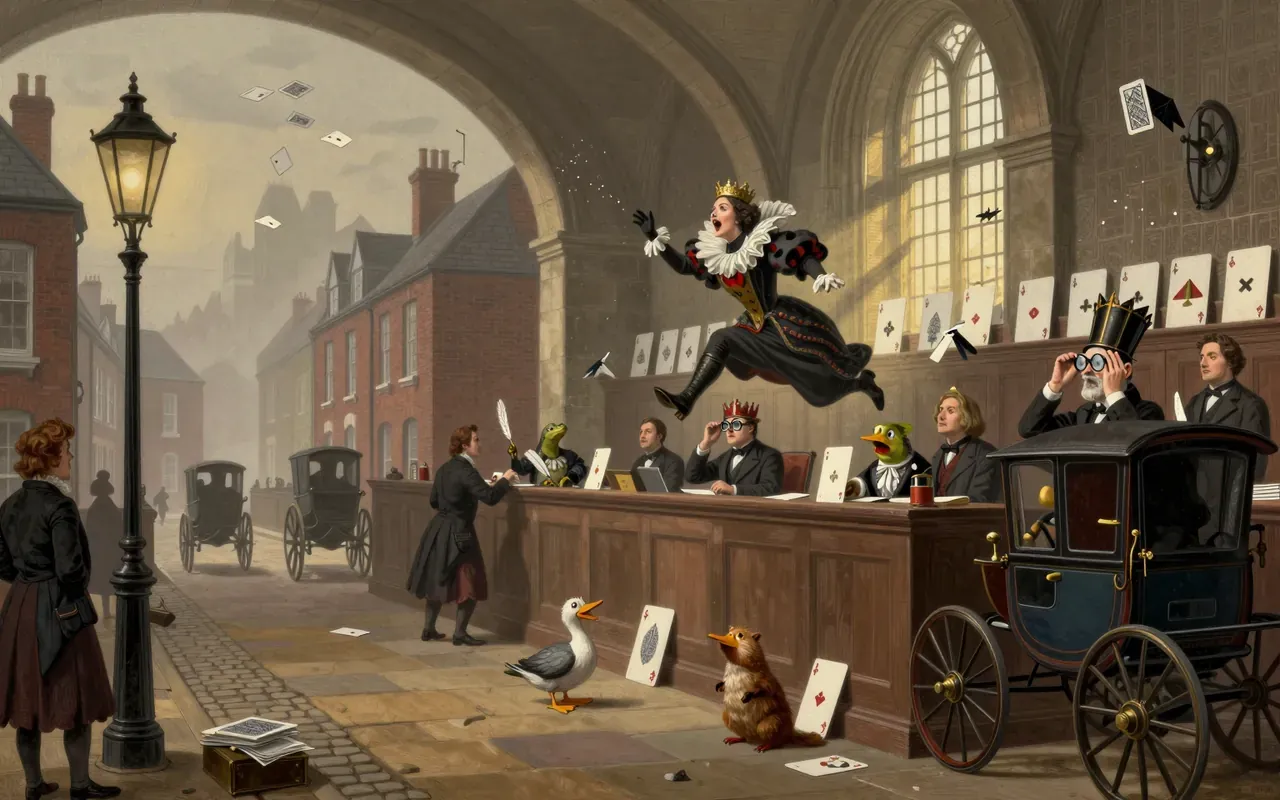
It is a satire of logic, language and authority disguised as children’s fantasy. The brief shows how Alice’s physical instability mirrors her intellectual rebellion—and why the final line, 'You’re nothing but a pack of cards!', is the book’s entire argument. Skip the Duchess’s moralising and the Mock Turtle’s songs.