Leopold Bloom's single day in Dublin, narrated through Joyce's stream of consciousness—the difficulty is the reward.
Joyce's 1922 novel narrates June 16, 1904 in Dublin through stream-of-consciousness prose and multiple narrative styles. At seven hundred and thirty pages, it has become the prototype for modernist difficulty, rewarding those who engage with its experimental form.
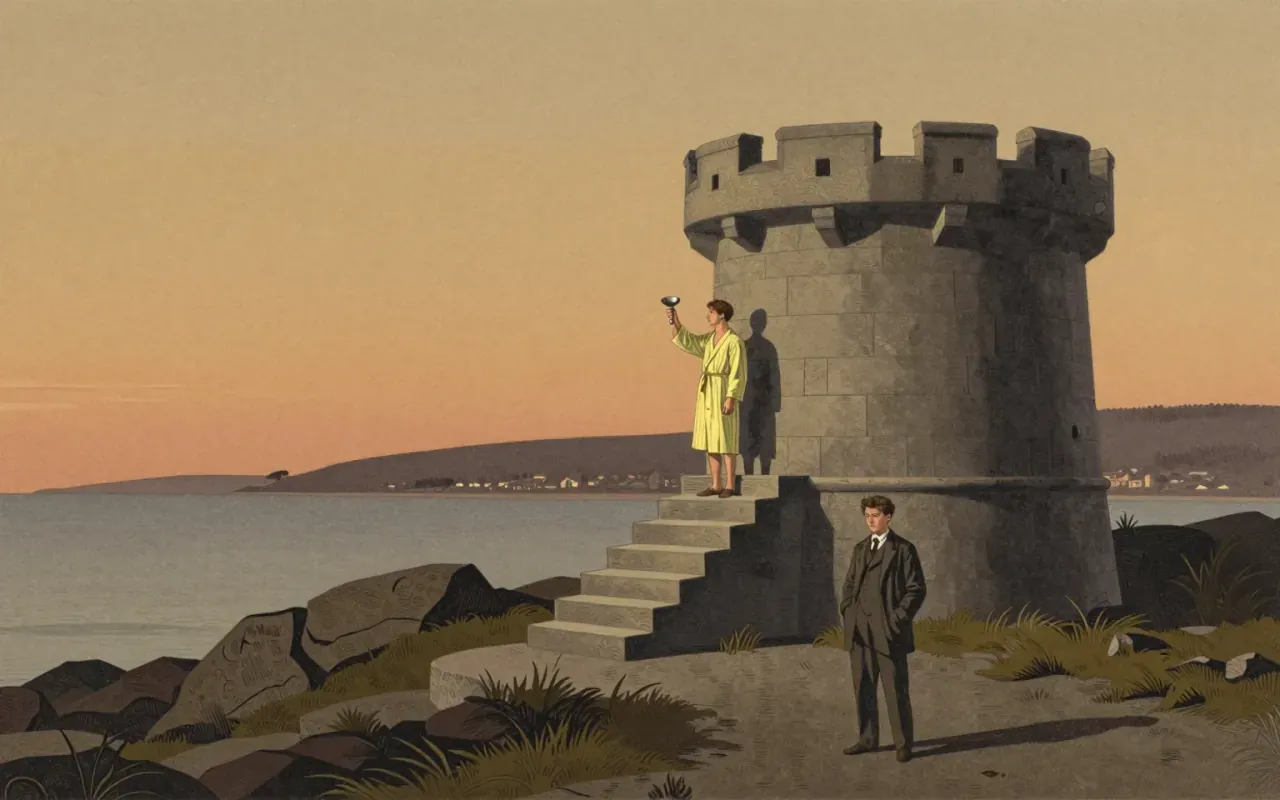
Ulysses narrates June 16, 1904 in Dublin; it took Joyce seven years to write and readers often much longer to finish.
2:00
Stream of consciousness
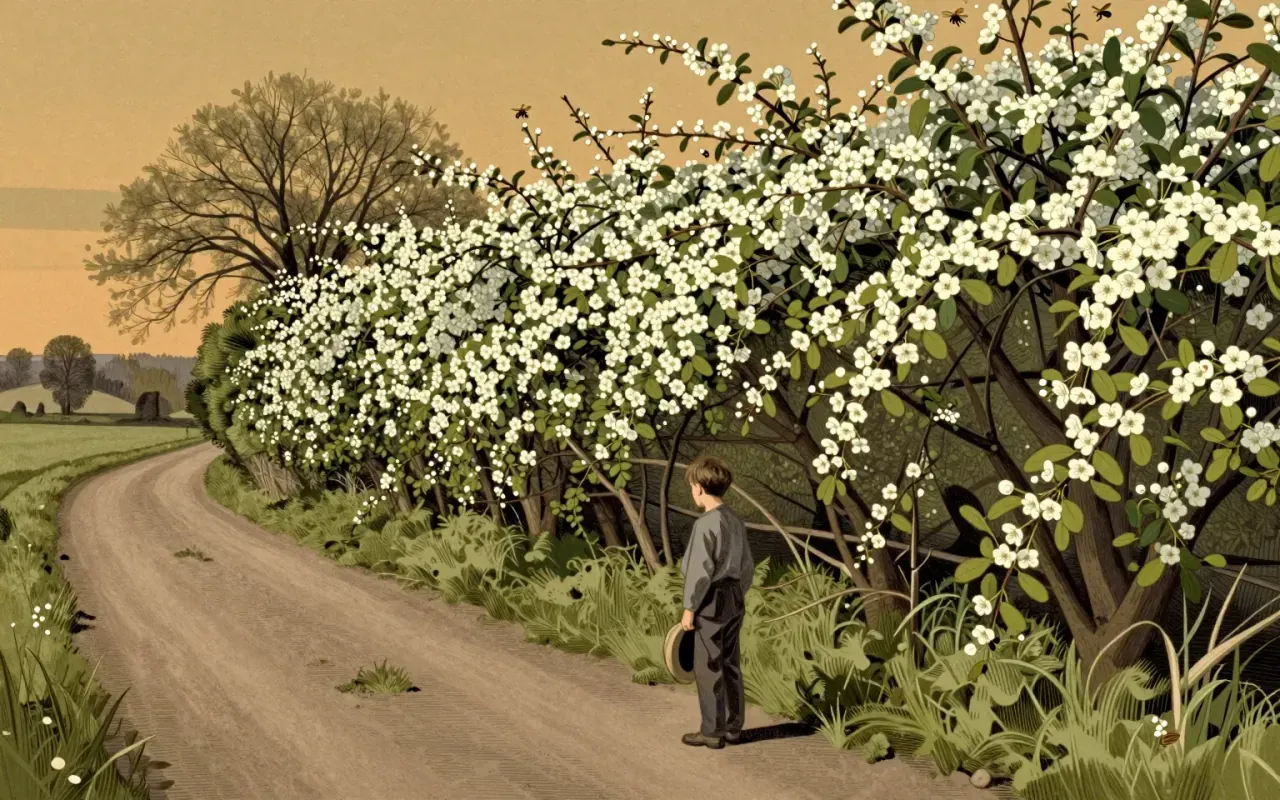
Joyce's technique captures thought without grammar, punctuation, or hierarchy. This is what actual thinking sounds like, which is nothing like previous fiction.
4:30
The Odyssey structure
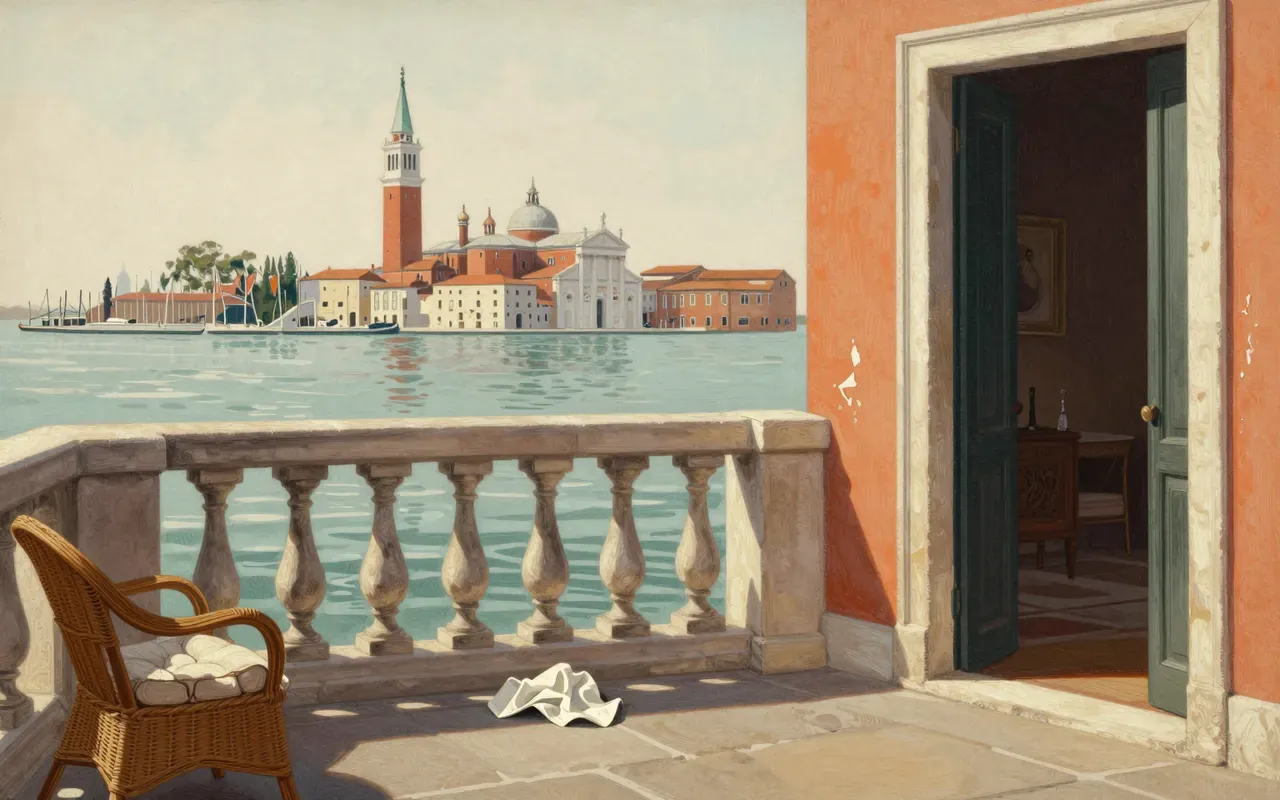
Each episode echoes a book of Homer, but the connection is loose. Leopold Bloom is no hero, and his Dublin is no ancient Mediterranean.
6:45
The difficulty
The final episode is a woman's unpunctuated monologue lasting forty-two pages; most readers require annotation, a guide, or both.
9:00
Why bother
Those who finish report permanent alteration in how they read. The effort returns genuine innovation in narrative form.
Worth your time?
Selectively. Start with the brief, then read the parts we point at.
4.5/ 5
What works
The stream-of-consciousness technique is genuinely innovated
Individual episodes can be read in isolation
The range of narrative voices and styles is extraordinary
What does not
The Odyssey parallel rarely enriches the reading experience
An unguided first reading is likely to frustrate
The difficulty is celebrated by critics in ways that exceed its actual rewards
Read it if
Readers committed to experimental form and willing to read with annotation
Students of modernism and twentieth-century literature
Anyone curious whether the reputation is deserved
Skip it if
Readers seeking narrative momentum
Anyone who reads for escape or comfort
First-time novel readers
The written brief1 min read
What the book is
Joyce’s 1922 novel following Leopold Bloom through Dublin on June 16, 1904. Seven hundred and thirty pages narrated through stream-of-consciousness prose, multiple narrative styles, and a structure loosely paralleling Homer’s Odyssey.
Is it worth your time
Selectively. Ulysses demands commitment: readers typically require annotation or a guide to complete it. Those who finish report that the investment returns lasting change in how they read. The novel is a genuine achievement in narrative form, but it is not a book for casual reading.