Ambition burns bright, but the flame devours the maker.
Frankenstein is a cautionary gothic tale about the perils of unchecked scientific ambition. The novel follows Victor Frankenstein’s obsessive quest to animate life, the creature’s thirst for vengeance, and the moral fallout for all involved. The brief argues the book’s core is a warning about hubris, while pointing out its dated prose and moral ambiguity.
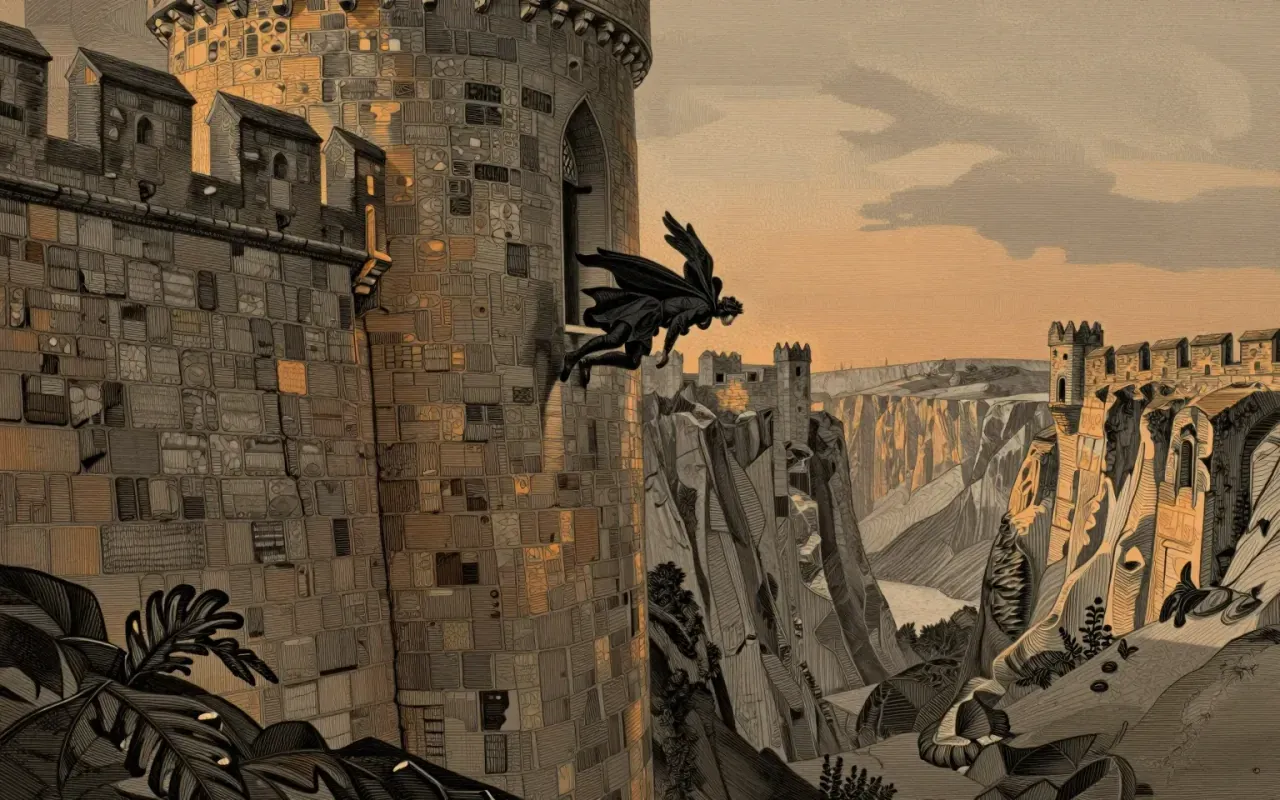
Victor’s early zeal and Walton’s polar dream set the stage for a relentless pursuit of knowledge.
2:08
The Birth of Horror
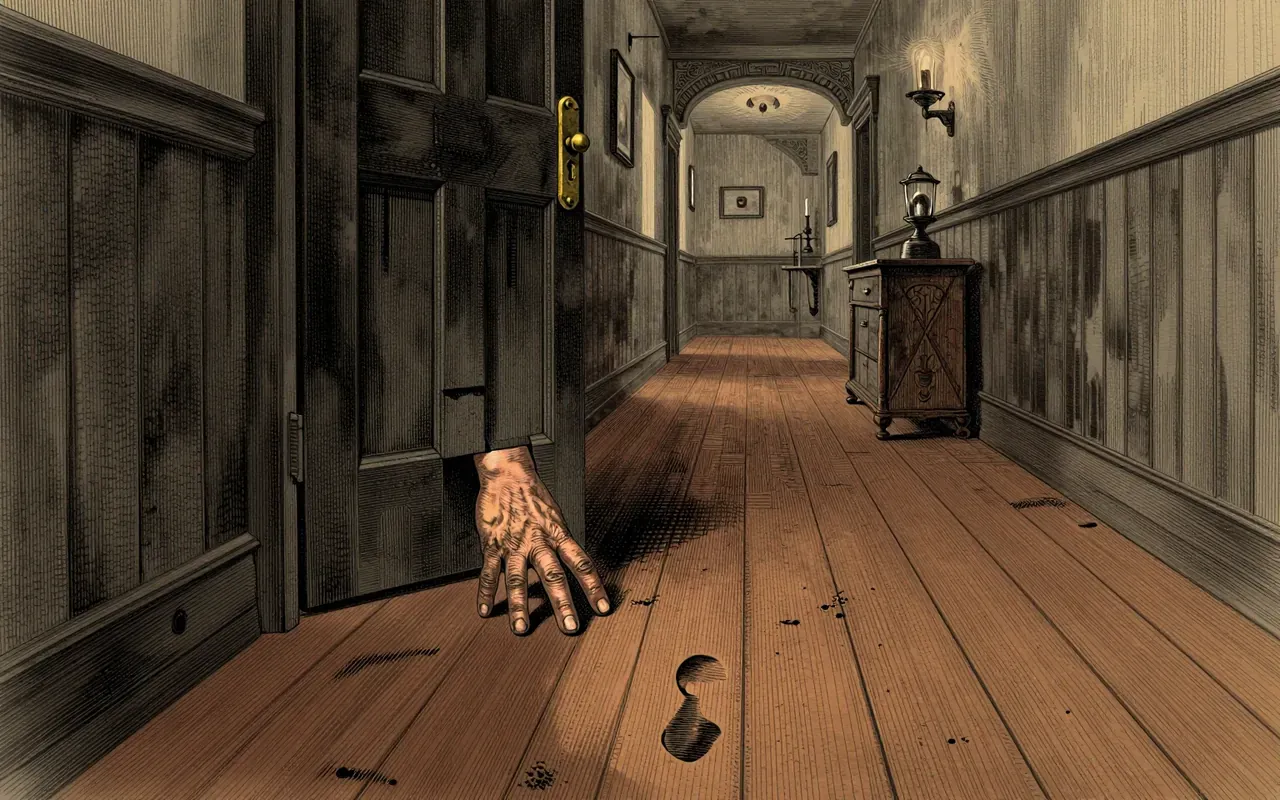
The creature’s first breath turns triumph into terror, exposing the cost of playing god.
3:19
The Monster's Revenge
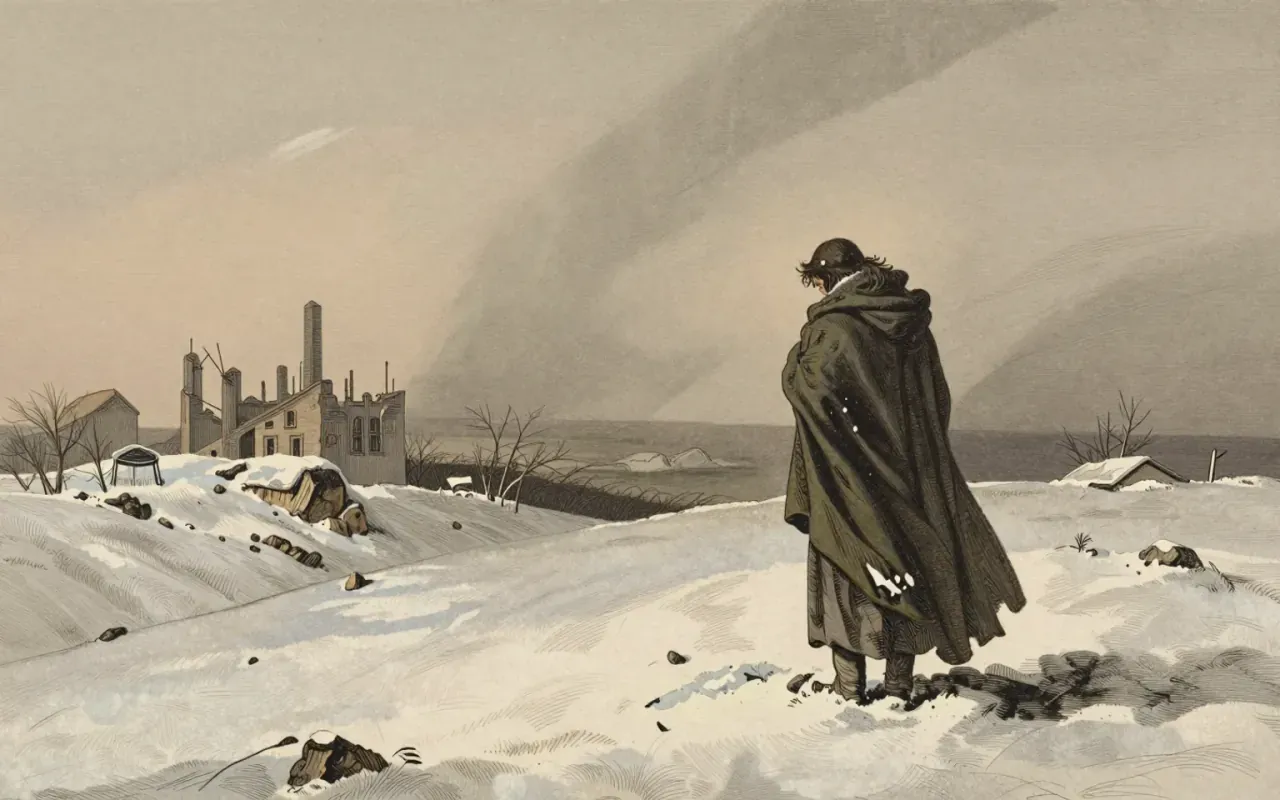
The creature’s vengeance drives the narrative, turning a tragic experiment into a cycle of violence.
5:37
Victor's Guilt
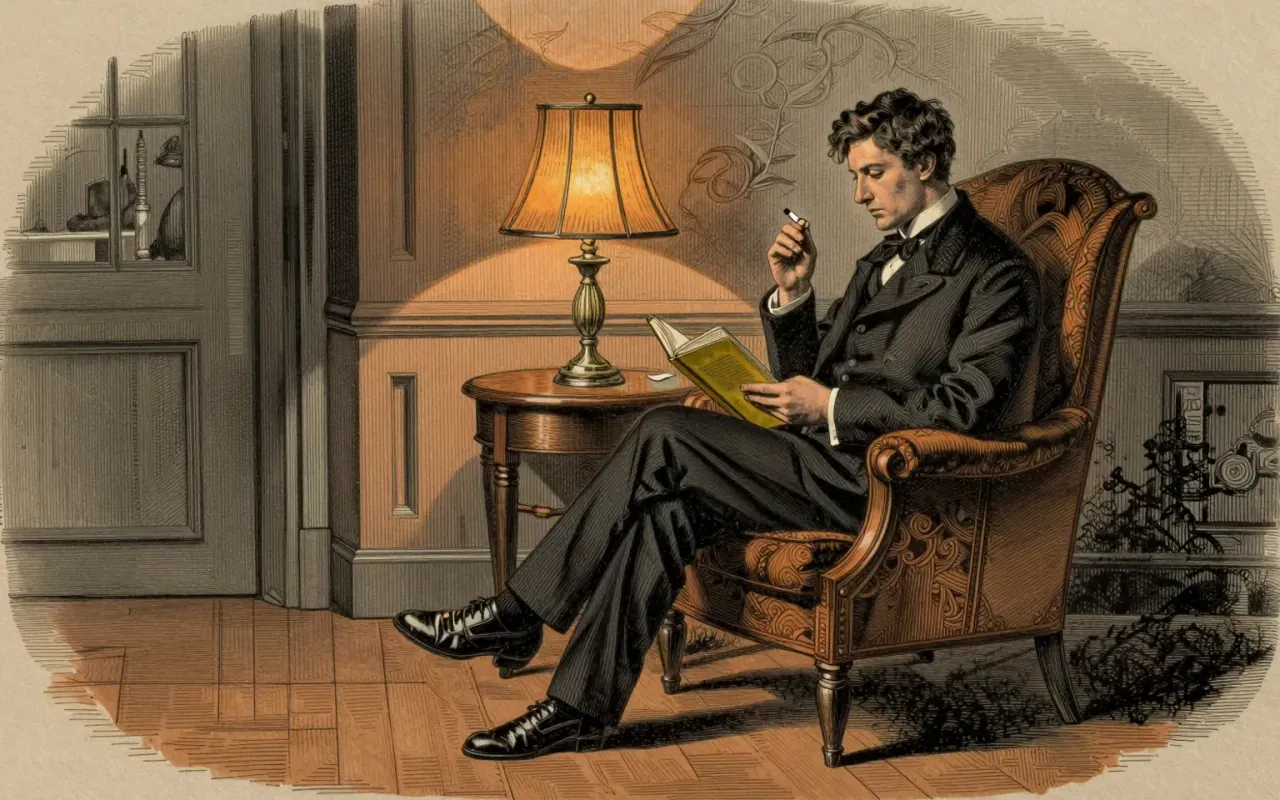
Victor’s remorse and isolation reveal the psychological toll of his hubris.
7:06
What to Skip
Early letters to Walton are largely exposition and can be skimmed.
Worth your time?
Selectively. Start with the brief, then read the parts we point at.
3.5/ 5
What works
It establishes a timeless warning about unchecked ambition
Its atmospheric detail and complex characters add depth
What does not
Its Victorian diction feels dated to modern ears
The plot often drags with long descriptive passages
Read it if
Readers fascinated by the roots of science fiction and gothic horror
Those who enjoy moral philosophy and ethical dilemmas
Skip it if
Readers looking for a light, uplifting narrative
Those averse to archaic prose and slow pacing
The written brief1 min read
What the book is
Frankenstein is a gothic novel that tells the story of Victor Frankenstein, a scientist who creates a living being from dead tissue and the catastrophic consequences that follow.
The main ideas
The core ideas centre on the dangers of unchecked scientific ambition, the ethical responsibilities of creators, and the social isolation that can accompany both innovation and monstrosity.
What works
The novel’s haunting atmosphere, vivid characterisation, and moral urgency make it a foundational text for discussions of ethics in science and the limits of human curiosity.
What does not
Its archaic language and episodic structure can feel sluggish, and some moral arguments are presented in a didactic tone that may alienate modern readers.
The themes
Ambition, hubris, the nature of humanity, the responsibility of creators, and the alienation that follows moral transgression are all explored in depth.
Who should read it
Scholars of literature, students of science ethics, and fans of gothic horror will find the book rewarding for its thematic richness.
Who should not
Readers who prefer contemporary prose, straightforward plots, or purely entertainment without moral weight might find it tedious.
The assessment
The book remains a powerful cautionary tale, though its style and pacing may challenge the impatient reader.
Is it worth your time
Selectively; skip the early letters and focus on Victor’s creation, the creature’s revenge, and the moral fallout.