A vain aristocrat trades his soul for eternal youth, then watches beauty fail to insulate him from consequence.
Wilde's only novel, 1890, a portrait that ages while its subject remains frozen at twenty-five. The brief covers the pact, the corruption, why the painting becomes the moral record the man refuses to be, and what breaks first.
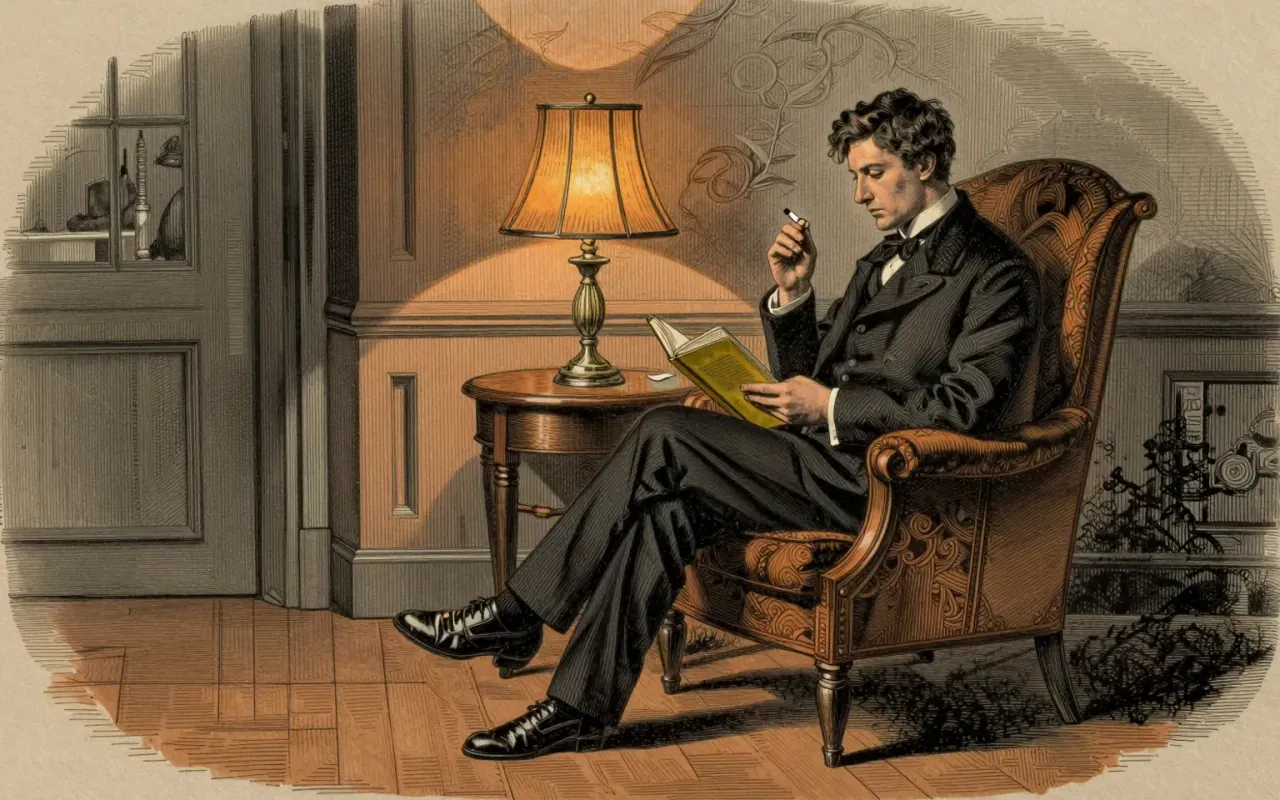
Dorian wishes to stay young forever while his portrait ages instead. He gets exactly what he asks for.
2:45
The corruption
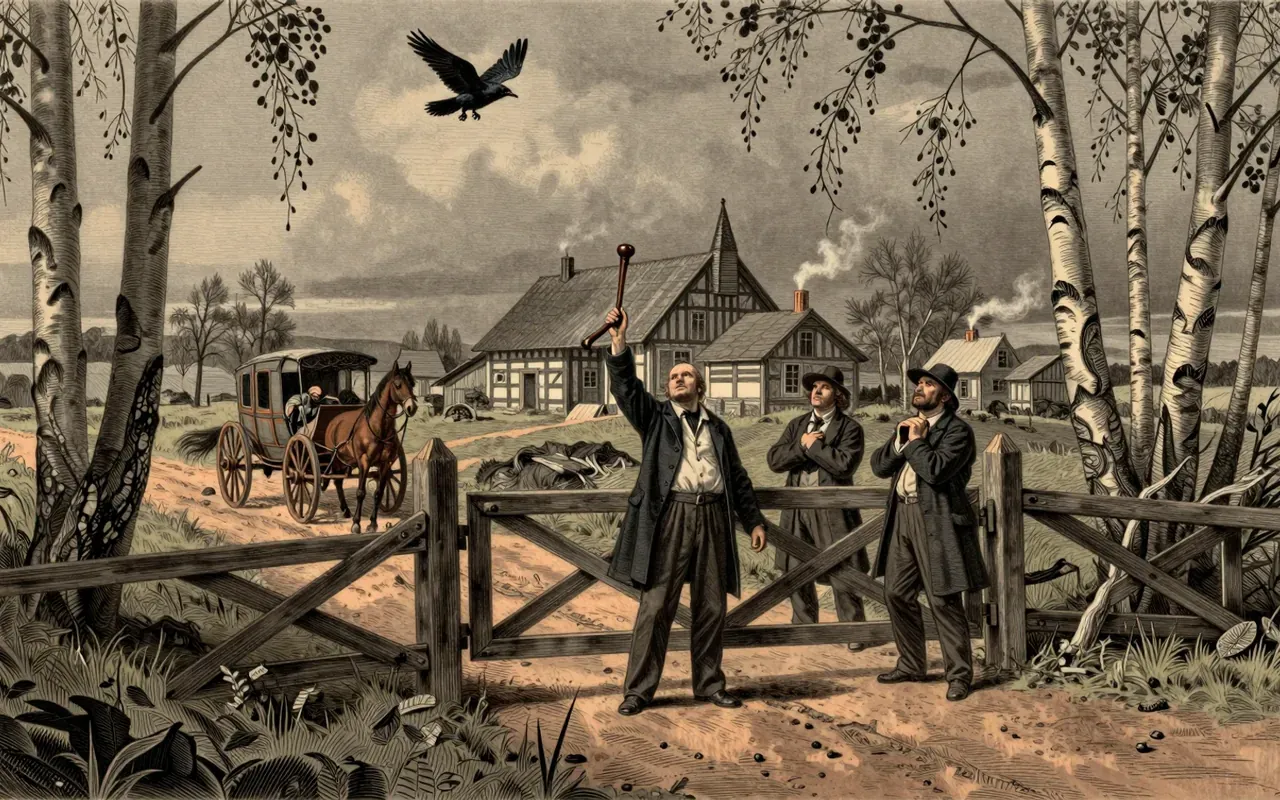
He murders, seduces, and destroys without consequence—the portrait records every sin in his place.
5:30
The portrait as mirror
Beauty becomes a weapon and a curse. The painting shows what Dorian refuses to see in himself.
9:00
The reckoning
You cannot trade your conscience for youth and expect to keep either.
Worth your time?
Yes. Read the whole thing.
4.5/ 5
What works
At 250 pages it can be read in a sitting and stays with you
The corruption unfolds with clinical precision; Wilde never looks away
The portrait as moral ledger is one of the cleanest metaphors in fiction
What does not
The digression on jewels and decorative objects, while sumptuous, stops the plot cold
Read it if
Readers who want philosophy embedded in narrative, not lecture
Anyone interested in the cost of beauty and consequence
Skip it if
Readers who need a likeable protagonist
The written brief1 min read
What the book is
Wilde’s only novel, published in 1890 as a serialized magazine story then expanded into a scandal. Dorian Gray, a beautiful young aristocrat in London, wishes he could trade his aging for his portrait’s, then discovers the wish has been granted. The portrait begins to record every sin, every cruelty, every indulgence, while Dorian’s face remains perfect.
Is it worth your time
Yes. It is short, morally precise, and does not require you to forgive its protagonist. Read it in one sitting or across two evenings.