A vampire moves to London in the epistolary novel that invented the modern monster myth.
Stoker's 1897 novel, told through letters and journal entries, documents Count Dracula's attempt to establish himself in England and the small group that opposes him. The book's format is unwieldy but its construction is precise; the creature feels inevitable and the humans feel outmatched.
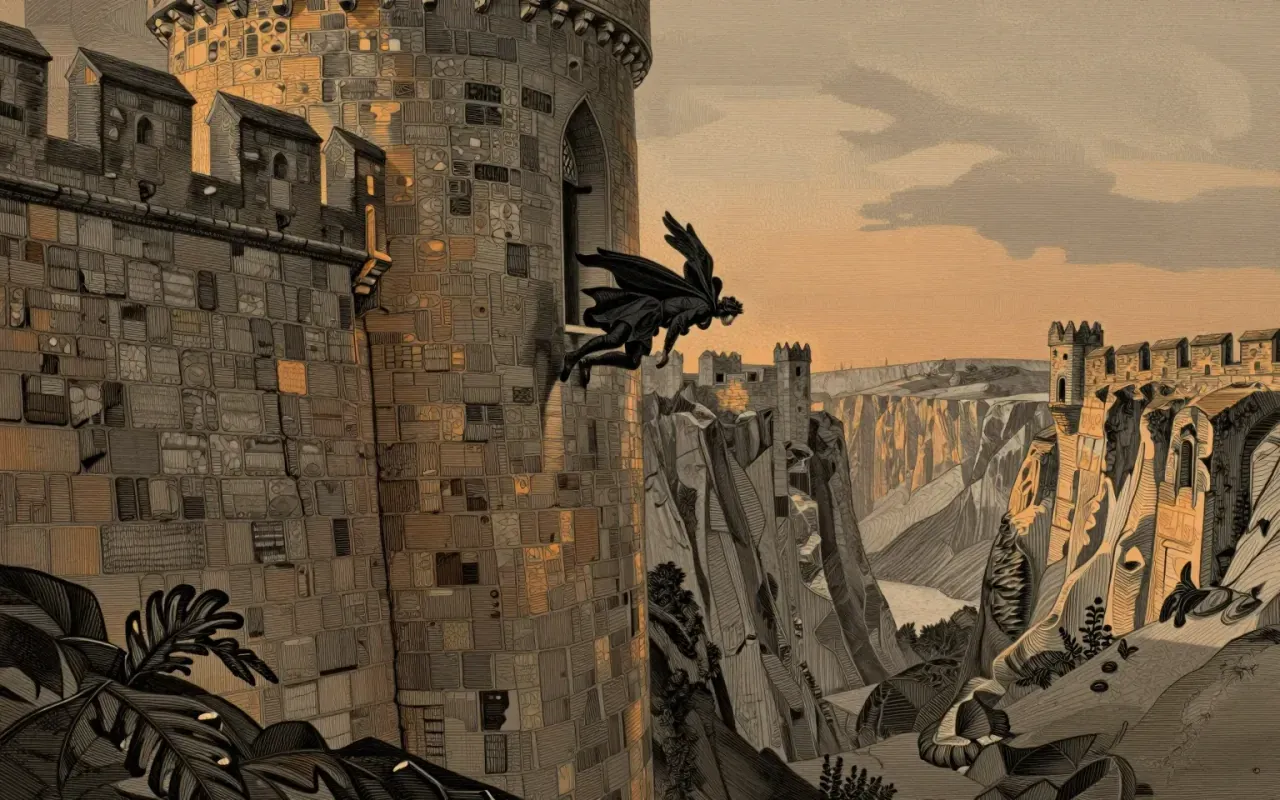
A vampire travels from Transylvania to England by ship and rail. The story unfolds in letters, diary entries, and ship logs, told by the people trying to stop him and the woman he pursues.
2:30
Why the format matters
No narrator explains the threat; you read it arriving. The scattered perspectives create anxiety that a single viewpoint would squash.
5:15
The creature
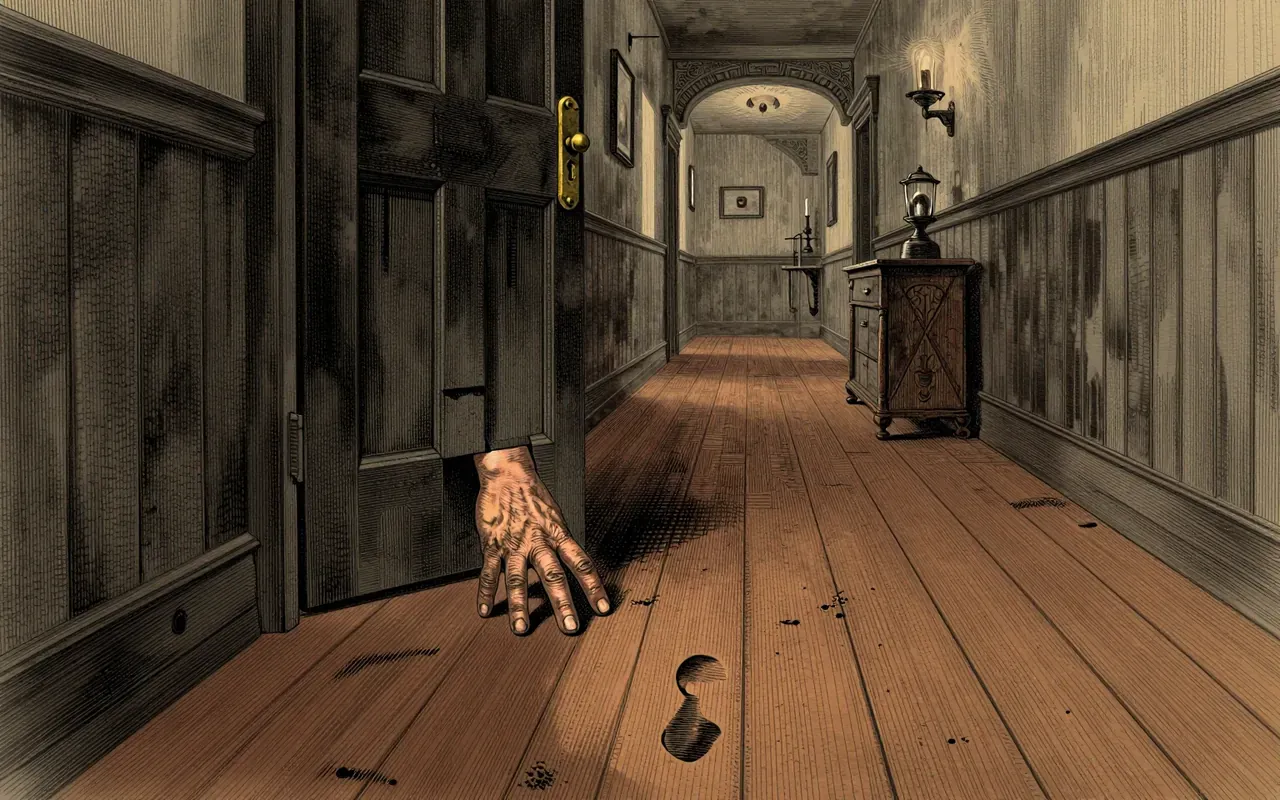
Dracula is intelligent, patient, and unstoppable. He wins most of his battles. What makes the book work is that the humans know this.
8:00
What to know before you read
It is slow in the first third and dense in the second. The ending is quick. The sexualized fear of female sexuality reads now as embarrassing, not just gothic.
11:30
Why it still works
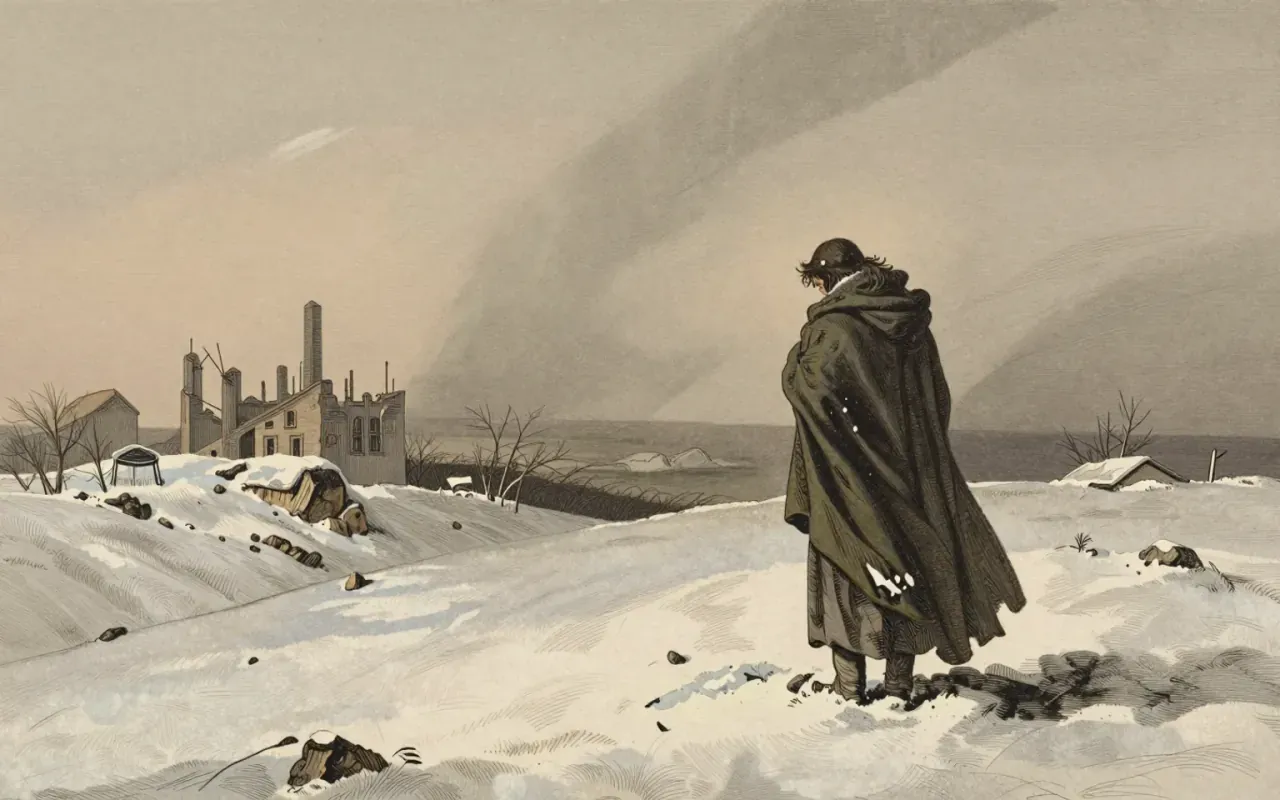
The isolation is perfect. The humans have half-knowledge and fight with faith and knives. Modern vampire fiction inherits the template Stoker built.
Worth your time?
Yes. Read the whole thing.
4/ 5
What works
The epistolary form creates genuine uncertainty: you never know more than the characters do
The vampire's slow, methodical approach is more frightening than any lunge
The ensemble cast each bring a different response to the supernatural: science, faith, empiricism, and they clash intelligently
What does not
The pacing stumbles; it reads like historical documentation for three hundred pages before the story accelerates
The women exist primarily as objects of desire and possession; Van Helsing's condescension toward them is treated as fatherly
The ending resolves quickly and with less ingenuity than the buildup promises
Read it if
Anyone curious why every vampire after 1897 echoes Dracula
Readers who like escalating, systematic dread
Skip it if
Readers who want quick pacing or a clear hero
Anyone uncomfortable with the sexual anxiety baked into Victorian gothic
The written brief1 min read
What the book is
Bram Stoker’s 1897 epistolary novel following Count Dracula’s movement from Transylvania to England and the band of men and one woman who learn too late what he is.
Is it worth your time
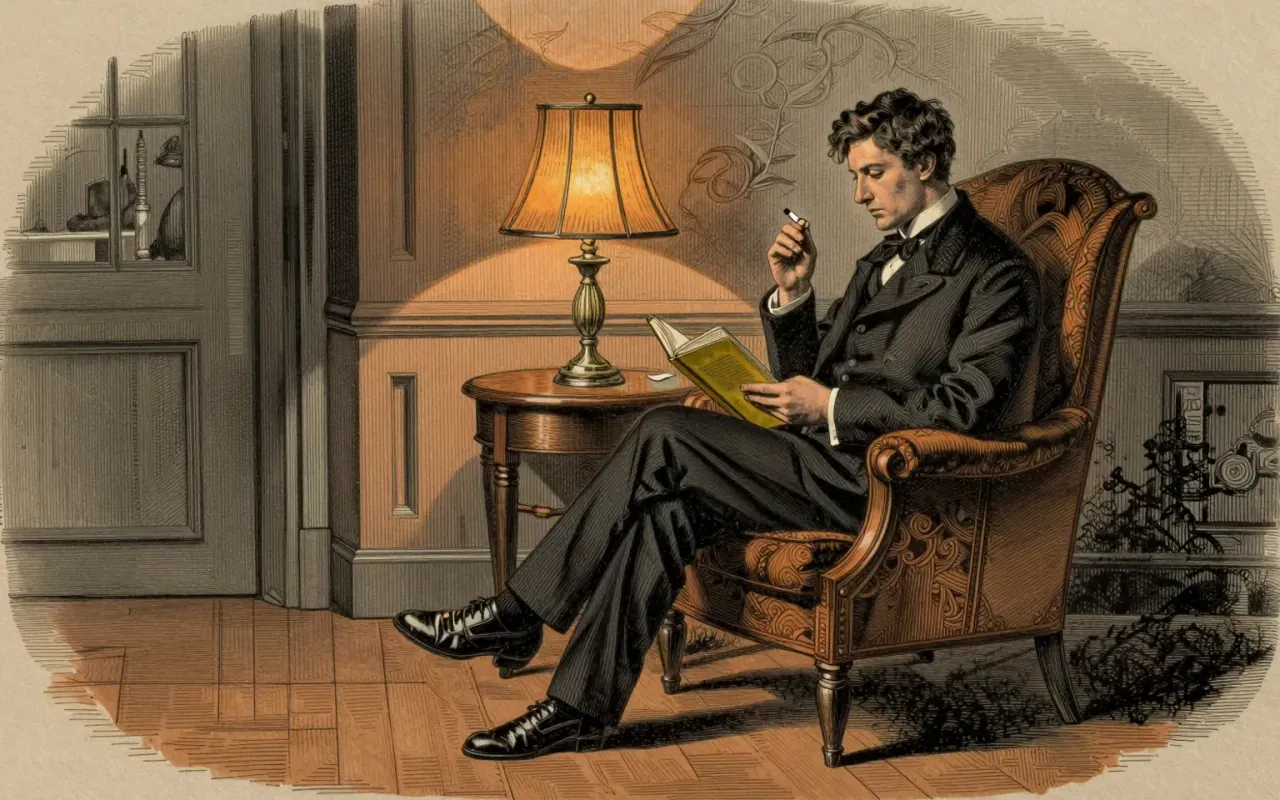
Yes. Nine hours, and the structure pays off even if the pacing is uneven. Every vampire story after it is a reply.