A reluctant burglar proves that courage and resourcefulness matter more than bloodline or size.
Tolkien's 1937 prequel to The Lord of the Rings, in three hundred pages of a simpler world. The brief follows Bilbo from his armchair to the dragon's hoard, then explains why LOTR fans often miss what makes this book work on its own.
Bilbo's life is interrupted by dwarves who need a burglar. He doesn't want to go.
2:00
The journey
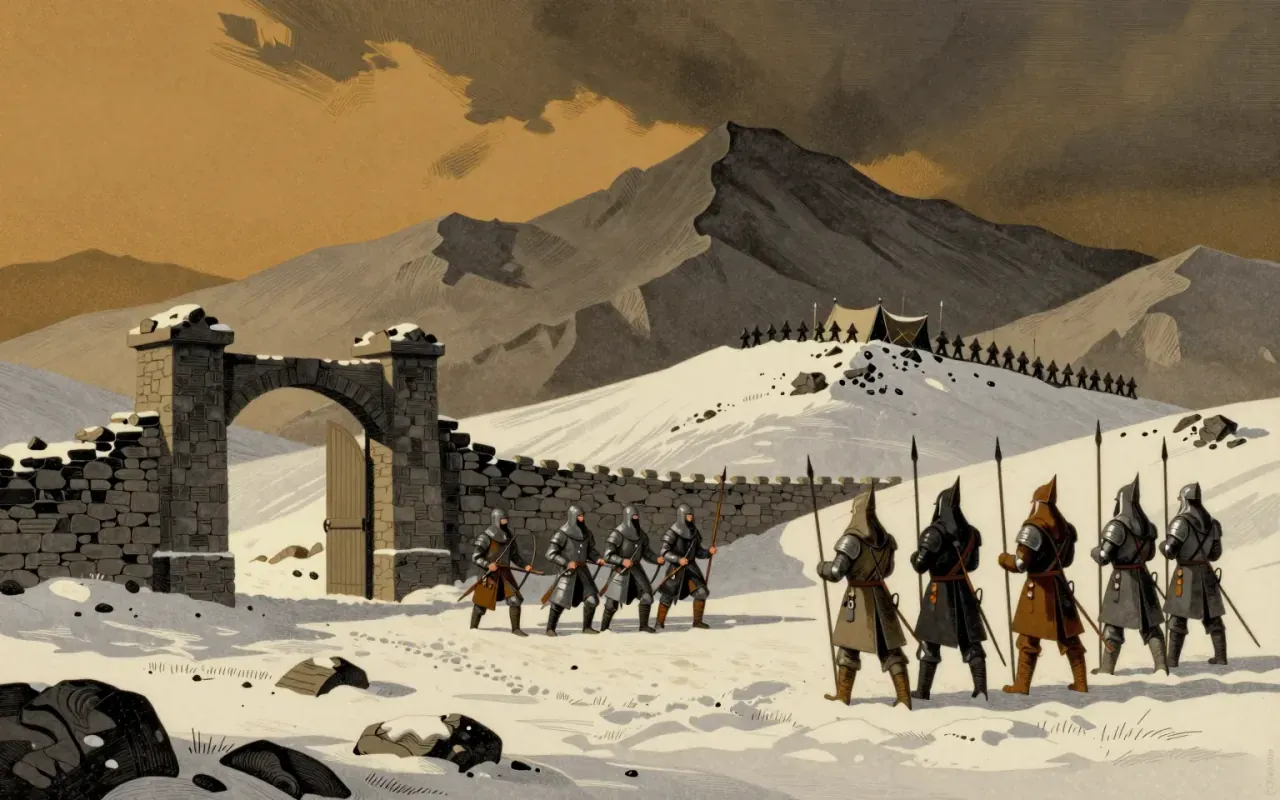
Trolls, elves, goblins, and Gollum teach Bilbo that the world is larger and stranger than the Shire.
4:15
The dragon
Facing Smaug forces everyone—Bilbo included—to choose between comfort and consequence.
7:00
The return
Home is not the same place when you come back changed.
Worth your time?
Yes. Read the whole thing.
4.5/ 5
What works
It established the fantasy template: the unlikely hero, the perilous journey, the found fellowship
The prose is clear and the pacing keeps you moving for seven hours
Bilbo's growth is earned, not given
What does not
It is lighter in tone than its sequel, which some readers find incongruous
The female characters exist almost entirely offstage
Read it if
Anyone building a foundation in fantasy
Readers who like adventure that doesn't take itself too seriously
Skip it if
Readers who expect the tone and scale of The Lord of the Rings
The written brief1 min read
What the book is
Tolkien’s 1937 novel of Bilbo Baggins, a Hobbit who is dragged from his comfortable home in the Shire by a wizard and thirteen dwarves to help them reclaim treasure guarded by a dragon. It is shorter and lighter in tone than The Lord of the Rings, which it precedes.
Is it worth your time
Yes. It reads in a weekend and builds the world that sustains the trilogy. More importantly, it works as its own story: the hero is defined not by his breeding or size, but by his willingness to think and act when no one else can.