booksbriefs
all subjects →
15:02in productionCh. 1 · The trap is sprung/ 15:02 · ceiling 15 min
Drama

Macbeth

The shortest tragedy, and the only one where the murderer states the whole case against his crime and commits it anyway.

A soldier is told he will be king, kills to make it happen, and narrates his own disintegration in the plainest verse Shakespeare wrote. The brief covers what the witches actually promise, why Lady Macbeth is written out of the second half, and where the play sags.

Chapters & takeaways6
  1. 0:45
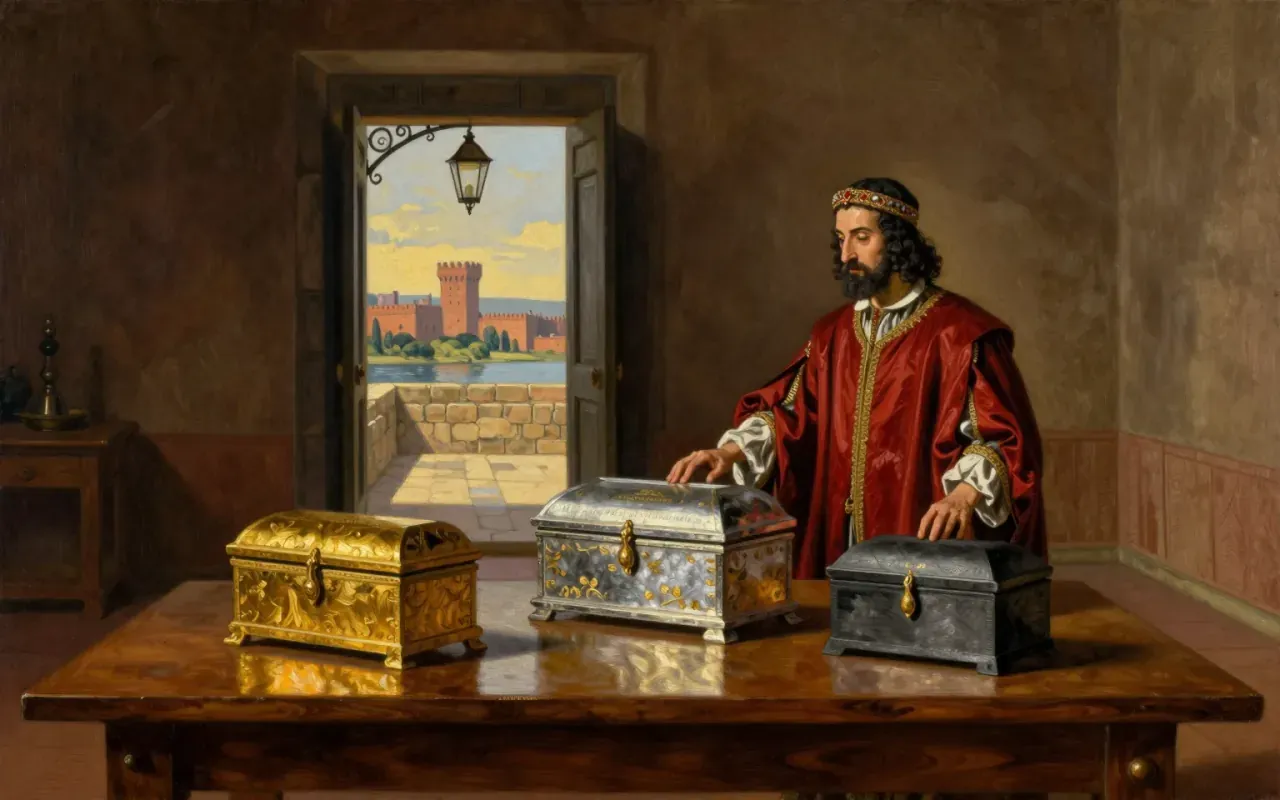
    The trap is sprung

    The witches don’t predict—they provoke. Macbeth’s ambition wakes only after he hears he is Thane of Cawdor.

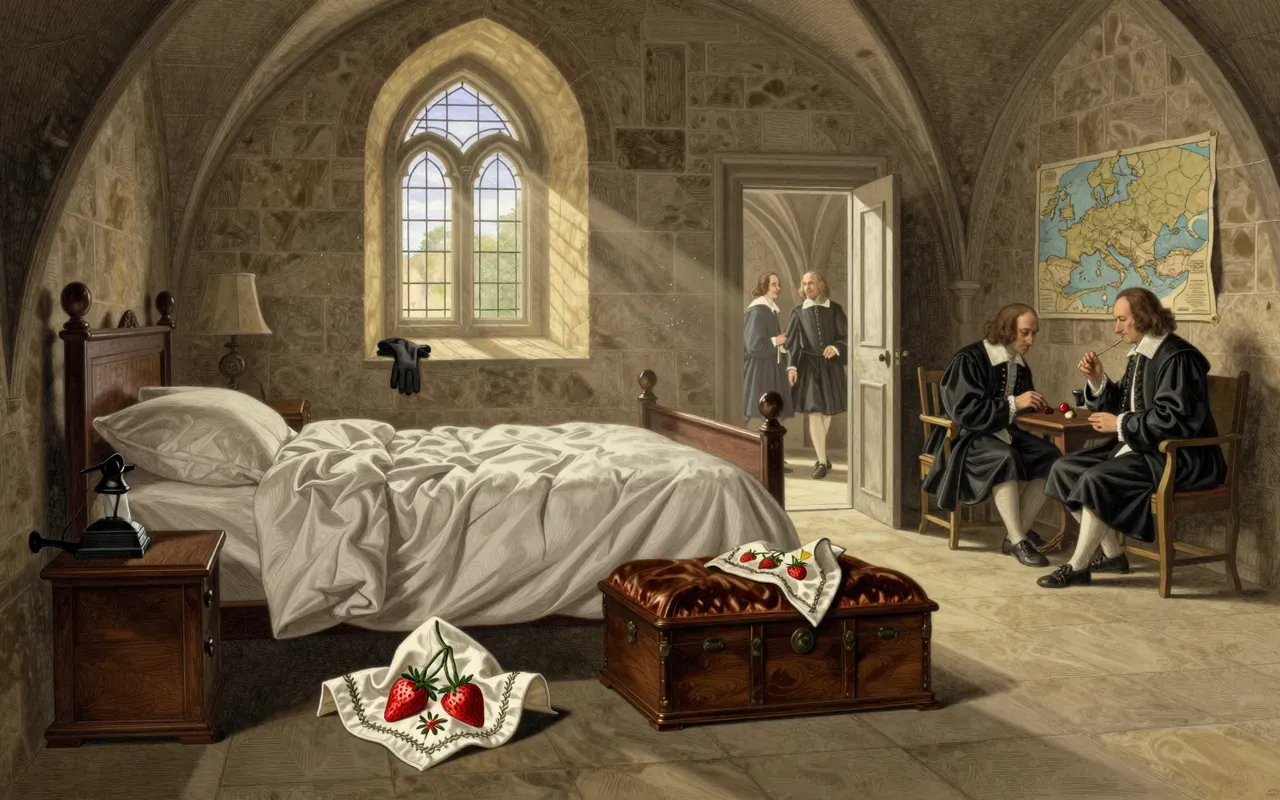
  2. 2:50
    The dagger hallucination

    Macbeth sees a dagger he cannot grasp—conscience made visible, then ignored.

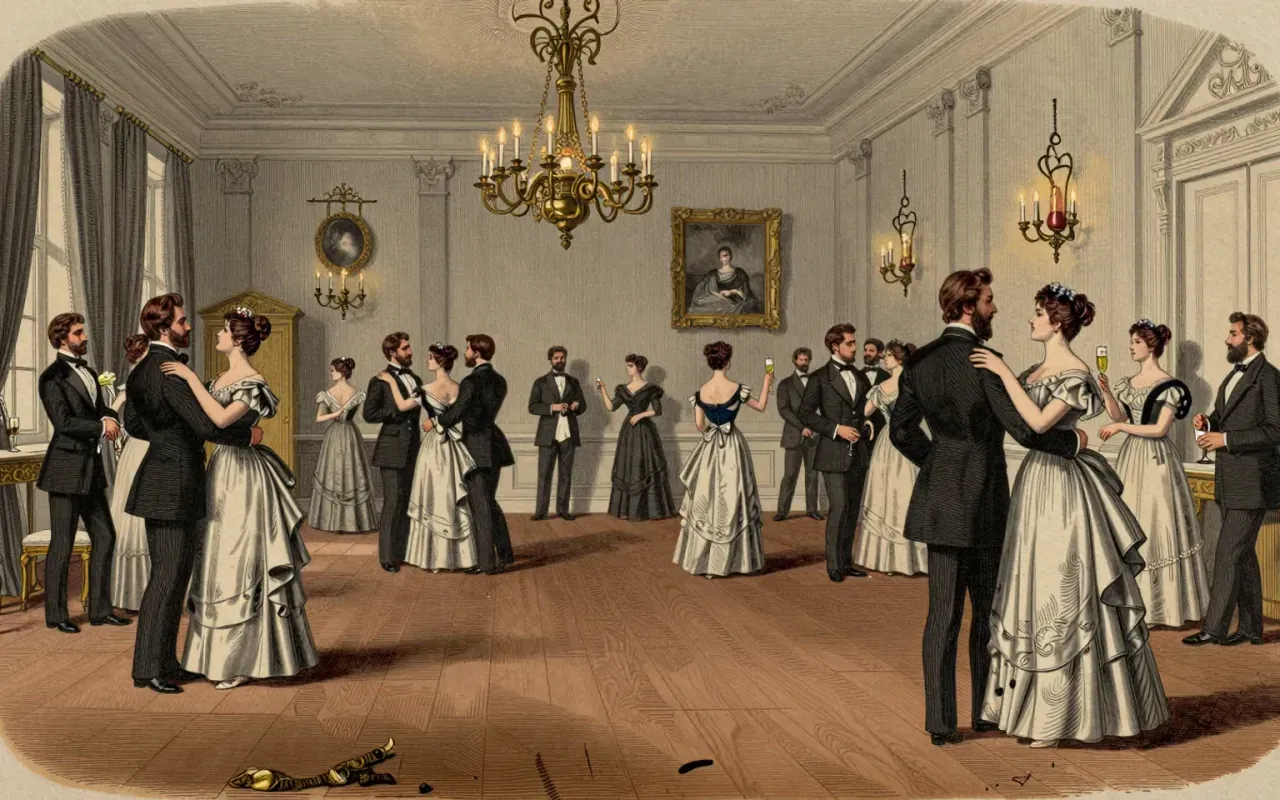
  3. 4:41
    The ghost at the banquet

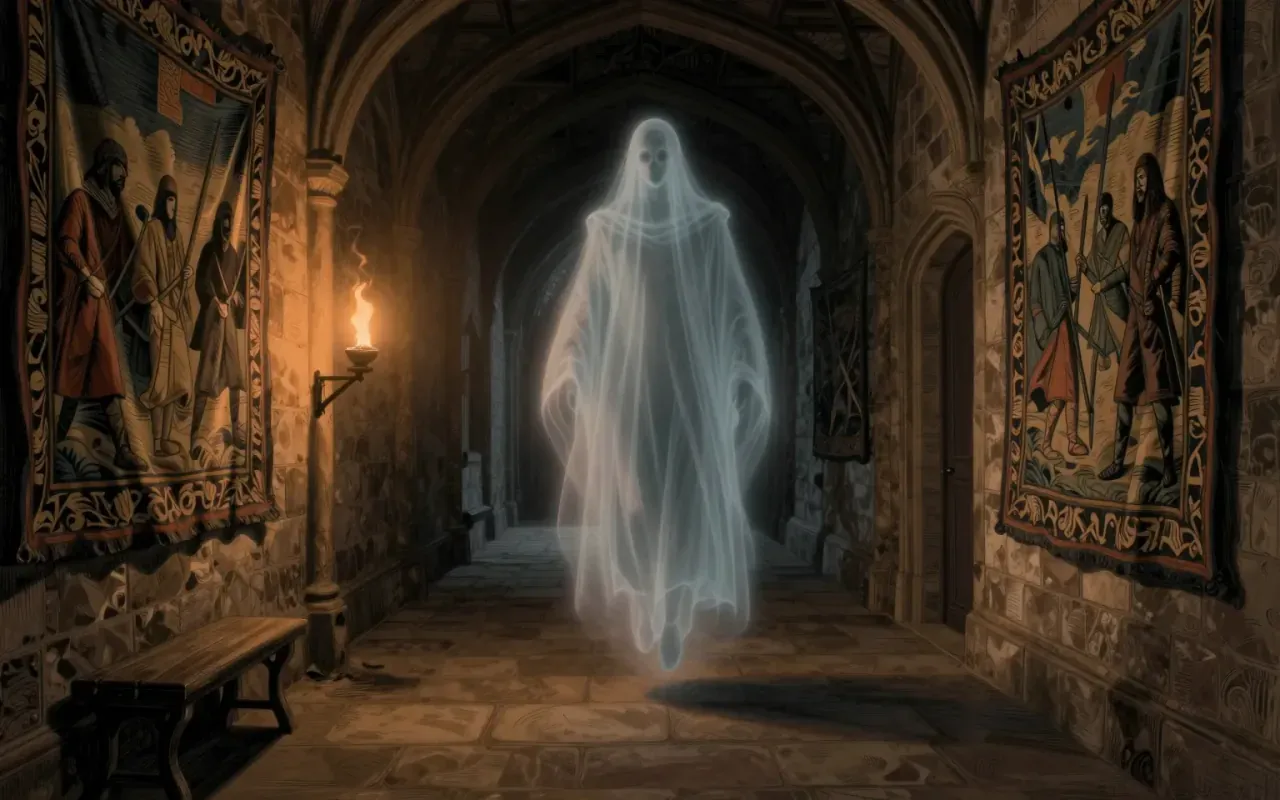
    Banquo’s ghost sits at the feast only for Macbeth—proof his authority is already spectral.

  4. 6:23
    The slaughter of Fife

    Macbeth orders the murder of Macduff’s wife and children—not soldiers, not rivals, but innocents.

  5. 8:51
    Out, damned spot

    Lady Macbeth washes her hands in Act V, Scene 1—blood she cannot see, but feels, and cannot stop feeling.

  6. 11:03
    What to skip

    Skip Act IV’s English court scenes. They slow the descent and dilute the horror.

Worth your time?

Yes. Read the whole thing.

4.5/ 5
What works
  • The soliloquies do something unusual — Macbeth understands his own case against the murder completely, and commits it anyway
  • It is fast: two thousand lines shorter than Hamlet, with almost no subplot
  • The imagery is consistent enough to track across the whole play — blood, sleep, clothing that does not fit
What does not
  • Lady Macbeth is the strongest figure in the first half and is written out of the second, returning to sleepwalk and die offstage
  • The English scene runs 200 lines of loyalty-testing and stops the play dead
  • The Hecate material is almost certainly not Shakespeare’s and reads like a different, worse play
Read it if
  • Readers who want the psychology of a decision rather than the machinery of a plot
  • Anyone starting on the tragedies, because this is the shortest and most direct
Skip it if
  • Readers who need a character to side with
  • Anyone who wants the supernatural settled as either true prophecy or delusion; the play refuses
The written brief2 min read

What the book is

Shakespeare’s shortest tragedy, written around 1606 for a court with a new Scottish king. Three witches tell a general he will be king; he and his wife murder the king who is their guest, and the reign that follows destroys them both.

The main ideas

The witches never tell Macbeth to do anything. They state outcomes, and he supplies the method. The play is careful about this: the prophecy about Banquo’s heirs comes true without anyone acting on it, which leaves Macbeth’s own murders looking entirely unnecessary. Free will is not debated here, it is demonstrated by contrast.

What works

The soliloquies before Duncan’s murder, where Macbeth lays out every argument against it — hospitality, kinship, the king’s own virtue — and finds nothing on the other side but ambition, which he names and calls insufficient. Almost no other Shakespearean protagonist is this clear-sighted about his own crime.

What does not

The fourth act sags. Lady Macbeth vanishes for most of it, the English scene runs long, and the Hecate interpolation adds nothing. The play recovers only when Macbeth is told his wife is dead.

The themes

Ambition that arrives from outside and is adopted as though native. Sleep as the first thing guilt takes. The distance between doing a thing and being the kind of person who has done it.

Who should read it

Anyone who has been told Shakespeare is difficult. Test that here: it is short, the plot is a straight line, and the verse is unusually plain.

Who should not

Readers who need a protagonist they can defend. Macbeth murders a sleeping guest in Act II and a child in Act IV, and the play softens neither.

The assessment

The first two acts are the best account of a decision in English drama. The fourth is padding. The fifth earns it back with the most complete statement of futility in the language.

Is it worth your time

Yes. Two and a half hours, and it wastes almost none of them — there is a stretch in the middle you can skim without loss.
Same shelf · Drama4 of 9
Up next in Books

Madame Bovary

Gustave Flaubert · 1856 · 12:00

A woman's dreams exceed her province, and the cost of the gap is ruin.

12:00