Gregor Samsa wakes as a giant insect. His family reacts the way families do when the rent is unpaid.
Kafka's 1915 novella in seventy pages of exact prose. A man becomes an insect overnight. The story is not about the transformation; it is about what comes after, and what it reveals about work, family, and obligation.
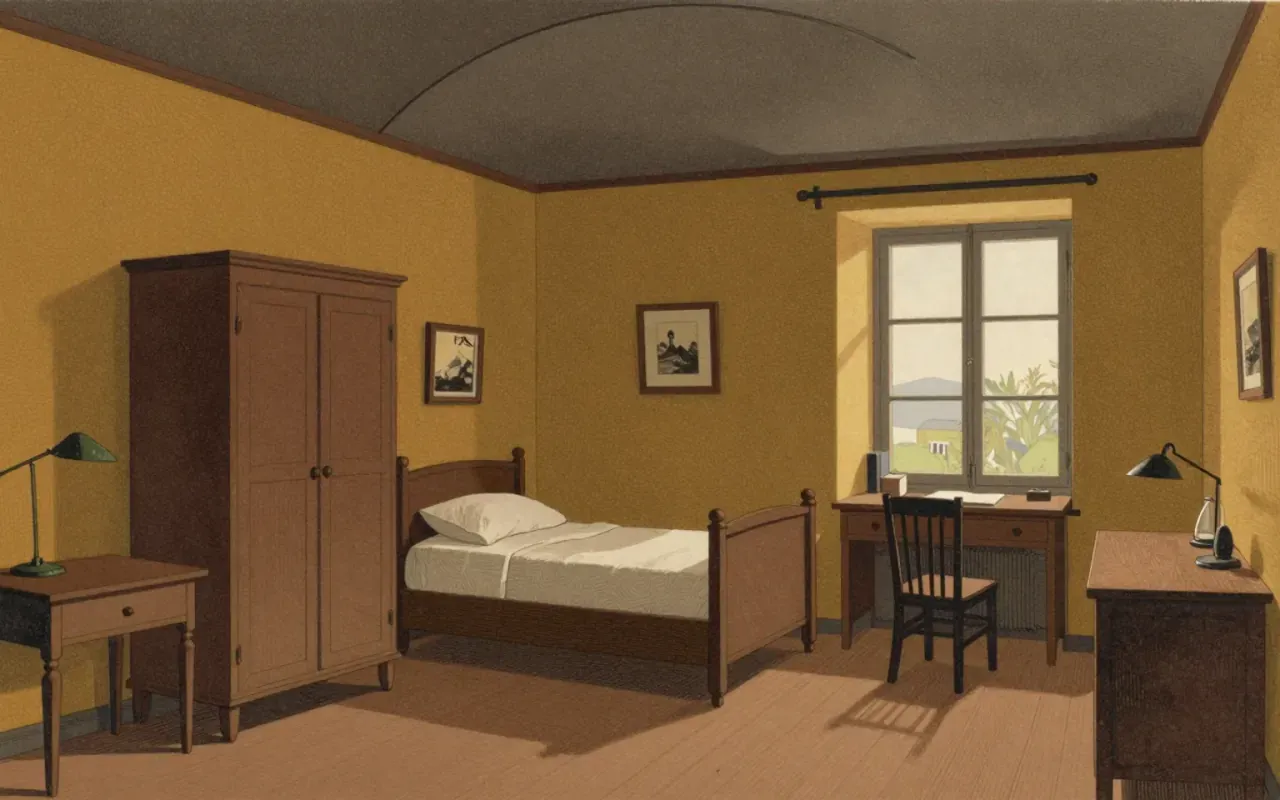
Gregor Samsa wakes to find himself transformed into a giant insect. He accepts this with the same flat resignation he brings to everything else.
3:00
The Family's Predicament
His family grieves, but practical concerns mount fast. How will they eat? How will they hide this? What does this mean for their social standing?
6:00
The Insect as Self
Gregor is no less Gregor for being an insect. He still thinks like a traveling salesman. His humanity persists in his monstrous form.
9:00
Obligation and Dissolution
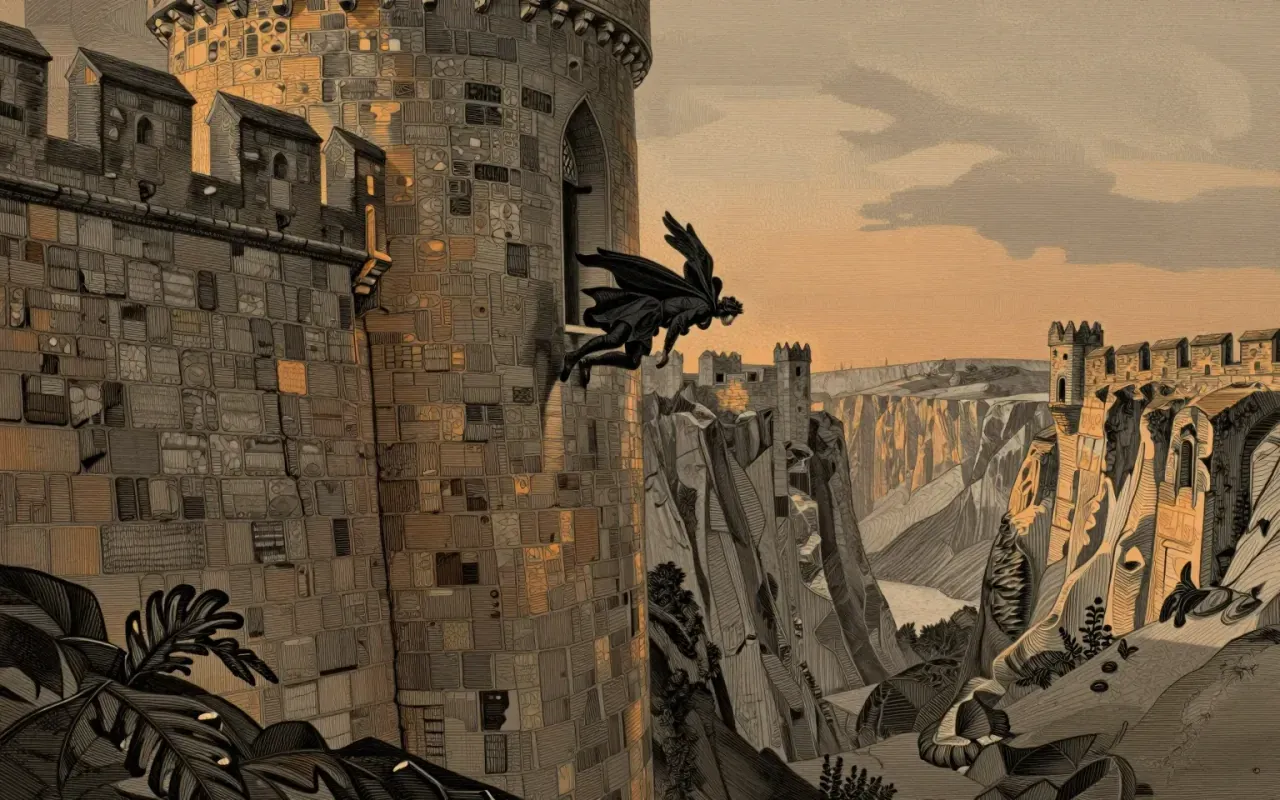
The real horror is not the body; it is the system of work and family debt that made Gregor what he was before the change.
Worth your time?
Yes. Read the whole thing.
4.5/ 5
What works
The style is so precise that the impossible feels inevitable
It reads in ninety minutes and stays with you for days
The absence of explanation is more unsettling than any explanation would be
What does not
Gregor never acts; he only endures and accepts
The ending offers no redemption, no reversal, no relief
Later readings can feel didactic if you read it as parable rather than story
Read it if
Readers who can hold ambiguity without resolving it
Anyone interested in what existentialism reads like in prose
People who want to understand alienation from the inside
Skip it if
Readers who need catharsis or growth from their protagonists
Anyone who finds passivity in a character deeply frustrating
The written brief1 min read
What the book is
Kafka’s 1915 novella: Gregor Samsa, a traveling salesman, wakes one morning transformed into a giant insect. What follows is not a horror story or a transformation story. It is a story about a family that must now reckon with the loss of income, the loss of normalcy, and the man who has ceased to provide both.
Is it worth your time
Yes. It is foundational because it asks a question that still has no good answer: what are you when the thing you do for money is gone? Kafka writes as if the insect is incidental to this problem, not the problem itself. That precision is why it endures.