booksbriefs
Topic

Family

The first institution, and the one hardest to leave.

9
in books
13:13
average
119 min
in total
240
across the network
Family across the network →
All briefs9
16:39

Anne of Green Gables

L. M. Montgomery · 0

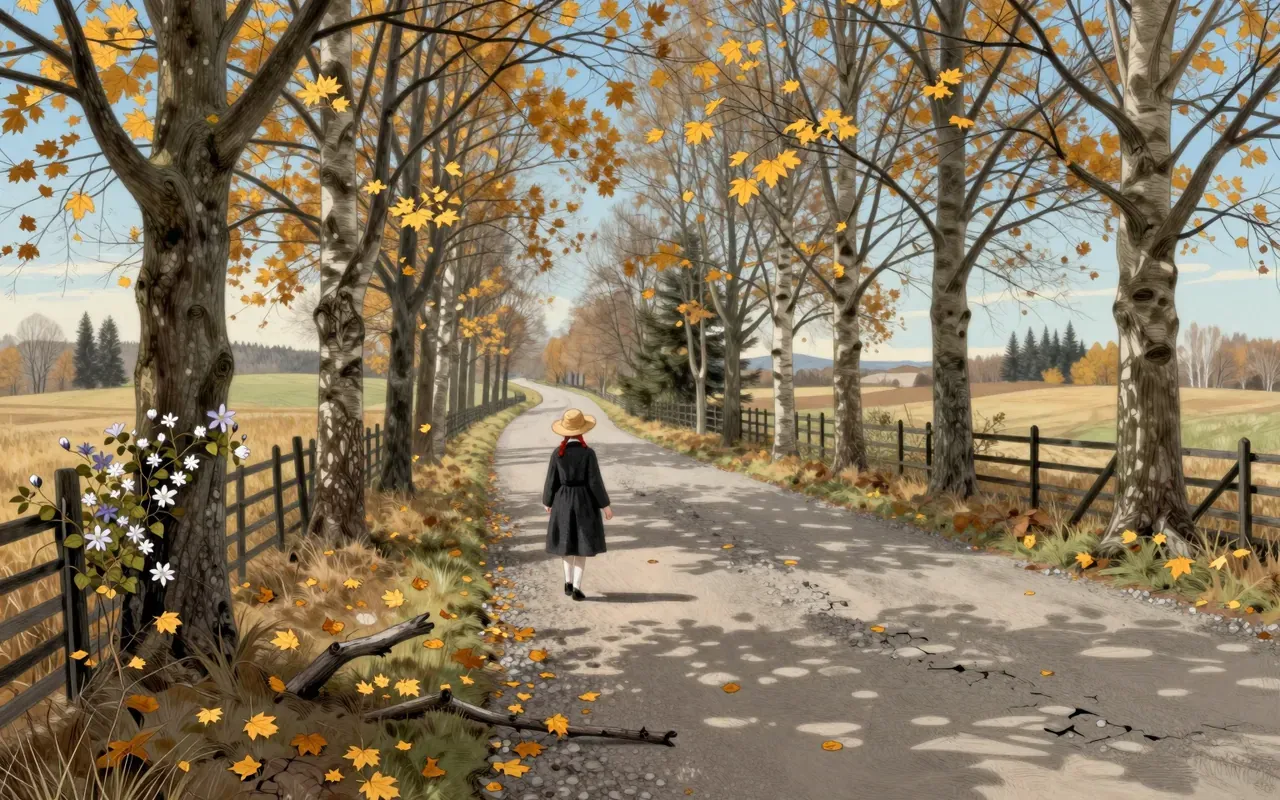
Anne of Green Gables argues that imagination is a child’s tool for claiming personhood—not escape. It shows Anne building selfhood through naming, error and quiet love: the White Way of Delight, the liniment cake, Marilla’s green dress. The brief explains why her red hair matters, why Matthew’s narcissus matters more than his death, and why the bend in the road is the book’s truest sentence.
13:26

Fathers and Sons

Ivan Sergeevich Turgenev · 1883

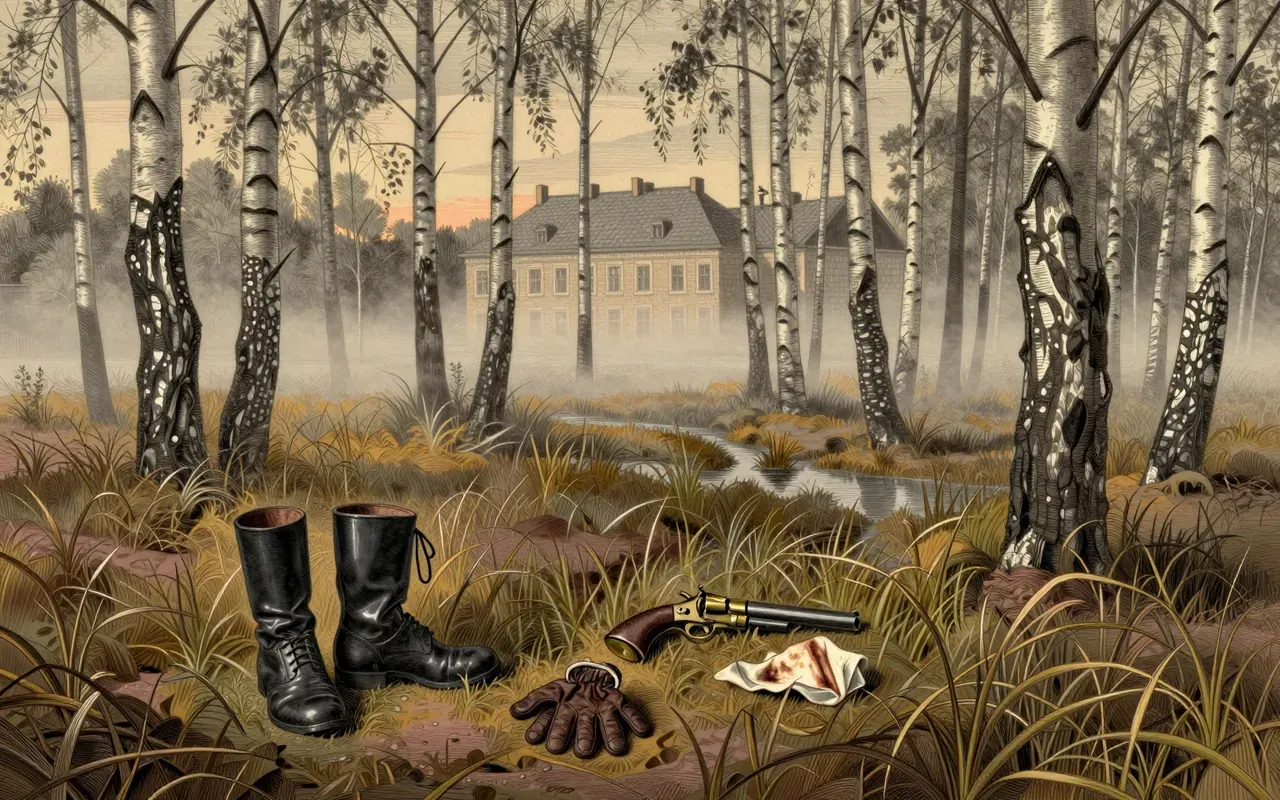
The brief argues that 'Fathers and Sons' is not about ideas but about their bodily cost. Bazarov’s nihilism collapses when confronted with love, illness, and grief. It tells you which chapters to read (XXI–XXVIII), why to skip the Introduction, and how the grave—not the duel or the arbour—is the novel’s true climax.

13:57

The wild duck

Henrik Ibsen · 0

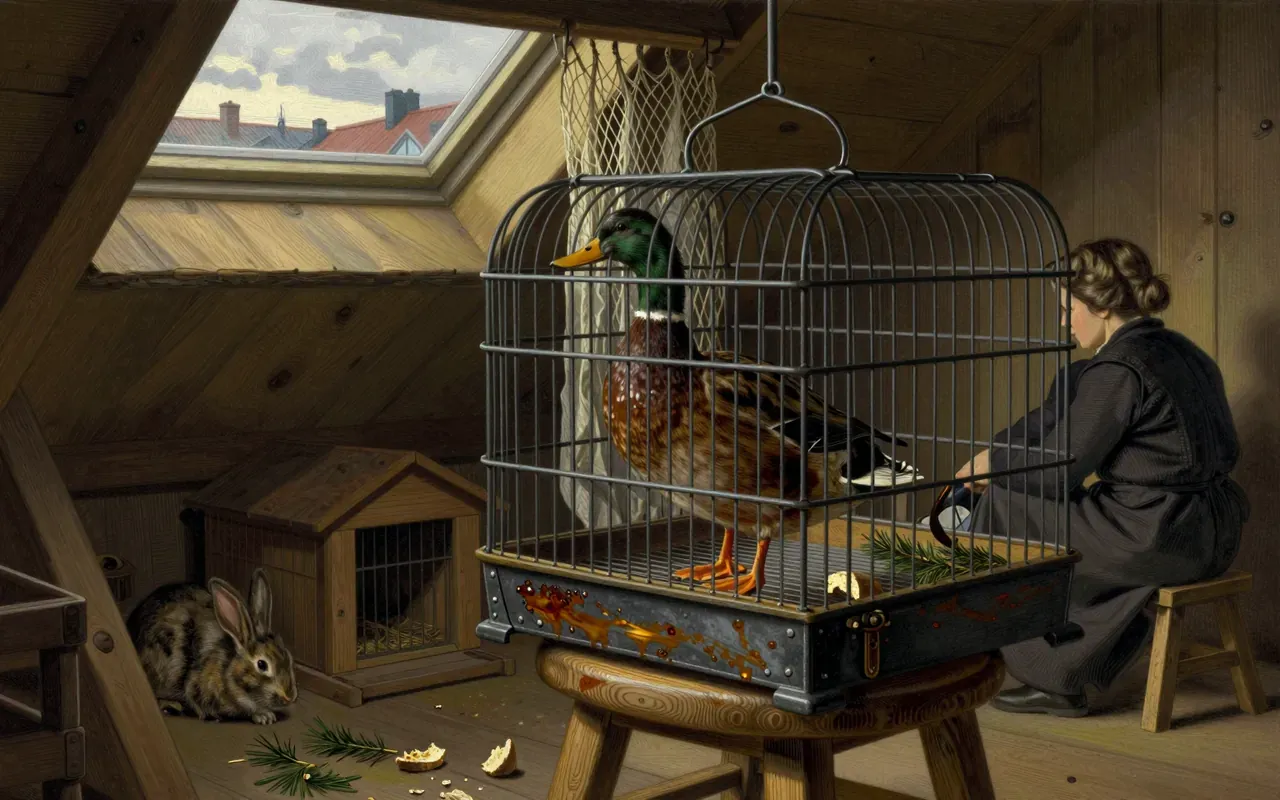
The play argues truth is catastrophic when imposed on fragile lives. Gregers Werle forces Hjalmar Ekdal to confront his wife Gina’s past with Werle Sr., triggering a collapse that ends with Hedvig’s suicide. Relling’s ‘life-lie’ is the play’s core idea: illusion is not weakness but survival infrastructure. Read it for the loft, the duck, and the pistol—not for redemption.

12:30

Anna Karenina

Leo Tolstoy · 1878

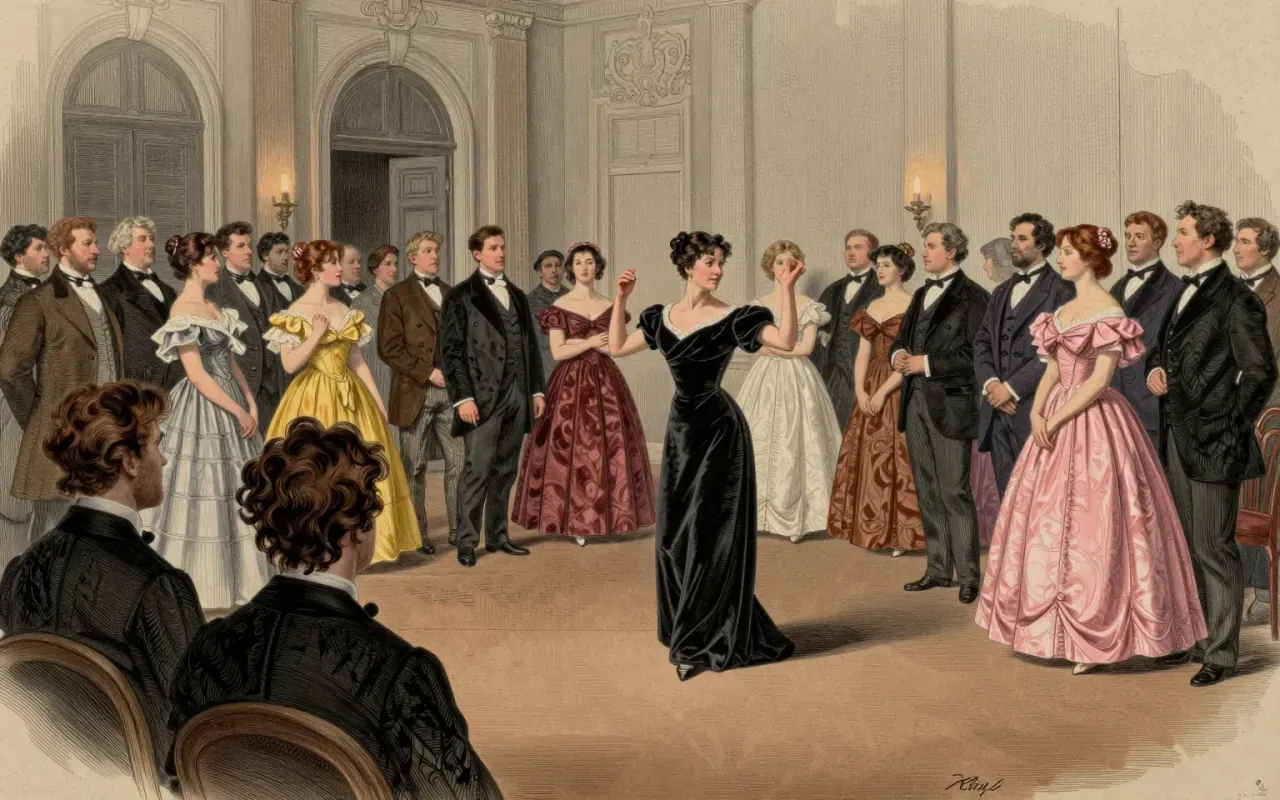
Tolstoy's 1878 novel follows multiple lives in Russian society—the affair between Anna Afremova and Count Vronsky, alongside Levin's marriage and search for meaning through farming. The book argues that domestic life is not private. Who you are is determined by the society around you, and defying it has a cost.

14:30

The Brothers Karamazov

Fyodor Dostoyevsky · 1880

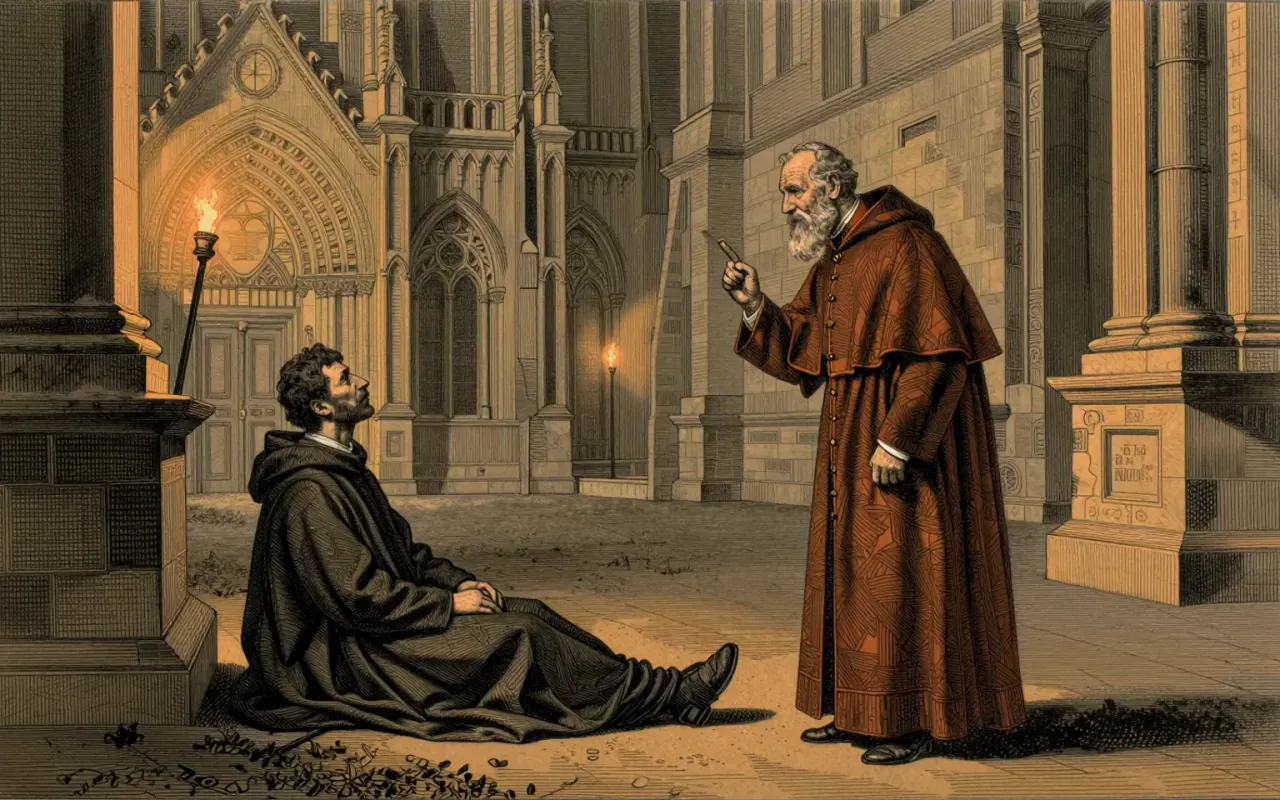
Dostoevsky's 1880 novel follows four brothers and their father's death, but treats the murder trial as a setup for Ivan's philosophical challenge to God and Alyosha's search for redemption. The book demands the reader inhabit uncertainty rather than resolve it.

12:20

East of Eden

John Steinbeck · 1952

Steinbeck's 1952 masterpiece spans generations in California's Salinas Valley, following the Trask and Hamilton families through cycles of moral struggle. The brief covers the dual narrative structure, the philosophy of timshel (the ability to choose your nature), and why this is Steinbeck's most ambitious work.

12:00

The Metamorphosis

Franz Kafka · 1915

Kafka's 1915 novella in seventy pages of exact prose. A man becomes an insect overnight. The story is not about the transformation; it is about what comes after, and what it reveals about work, family, and obligation.

11:00

One Hundred Years of Solitude

Gabriel García Márquez · 1967

García Márquez's 1967 novel set in the fictional Colombian town of Macondo, where the Buendía family repeats the same names, mistakes, and obsessions across generations. The brief covers the structure of cyclical time, the decay of an isolated settlement, and why the magical elements are not flourish but argument about how the past swallows the present.

12:35

War and Peace

Leo Tolstoy · 1869

Tolstoy's 1869 epic follows five aristocratic families through twenty years of Russian history. The brief covers the plot in two minutes, the philosophy in five, why the theory of history is the real argument, and which sections actually matter.