An epidemic arrives in a sealed city. What people choose to do with themselves while trapped defines them more than the crisis itself.
Camus's 1947 novel of collective crisis. It's not really about a plague: it's an essay on solidarity, responsibility, and what keeps you acting when survival makes sense but meaning does not.
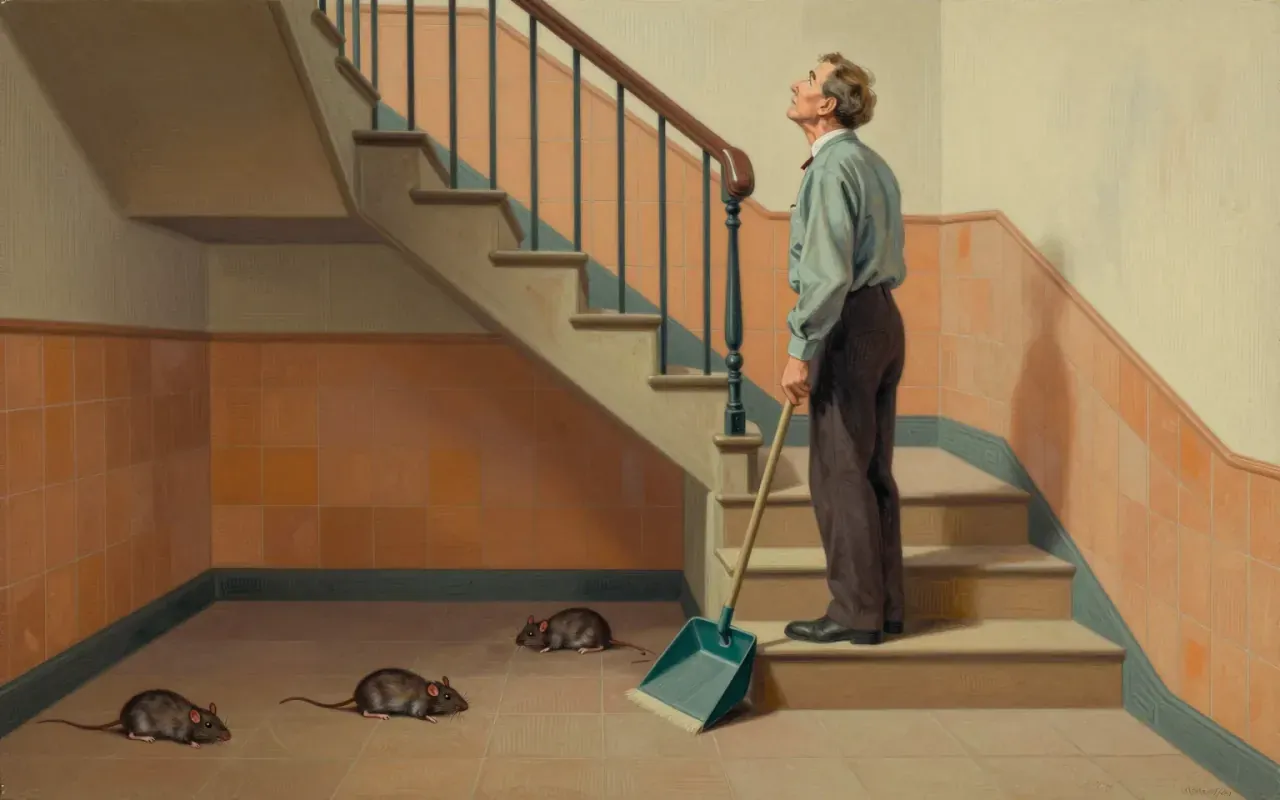
A plague arrives in Oran, sealed the city from the world, and everyone waits for it to end.
2:15
The question
Camus uses the plague as a thought experiment. The real book starts when you ask what people should do when waiting is no longer enough.
5:30
The solidarity argument
Several characters commit to fighting the plague knowing it will not save them. That commitment—not success—is what Camus means by living.
9:45
Why it matters
The plague is Occupation, is suffering, is meaninglessness. The book argues that solidarity is the only plausible response to a world indifferent to human need.
Worth your time?
Selectively. Start with the brief, then read the parts we point at.
4/ 5
What works
The structure—sealed city, repeated cycles, rotating viewpoints—makes the argument physical
Individual characters (Dr. Rieux, Tarrou, Grand) each embody a different answer to the same question
What does not
The allegory can feel heavy-handed; European readers in 1947 understood the reference, modern ones often need to translate it first
The women in the novel are almost entirely absent or peripheral; Camus is writing about a masculine version of solidarity
Read it if
Readers who can sit with allegory; it does not pretend to be a medical thriller
Anyone thinking through what responsibility means when you are powerless
Skip it if
Readers who want plot momentum; the narrative circles and repeats
Those who need a solution; Camus offers a practice, not an answer
The written brief1 min read
What the book is
Camus’s 1947 novel set in Oran, Algeria, during a plague that seals the city and forces its inhabitants to confront what it means to live when nothing they do will change the outcome. It is not a medical narrative but a philosophical investigation into solidarity and chosen action.
Is it worth your time
Selectively. Read it if you want to think seriously about collective responsibility and what people owe each other when circumstances are indifferent to goodwill. Skip it if you need a story with resolution or forward momentum.