Hugo's epic of poverty, justice, and revolution—a man's escape from the law and the law's claim on mercy.
A fifteen-hundred-page novel set across early nineteenth-century France, from the Paris sewers to the barricades of the July Rebellion. The brief covers Valjean's redemption, the costs of poverty, and why Hugo believed the republic must include the poor.
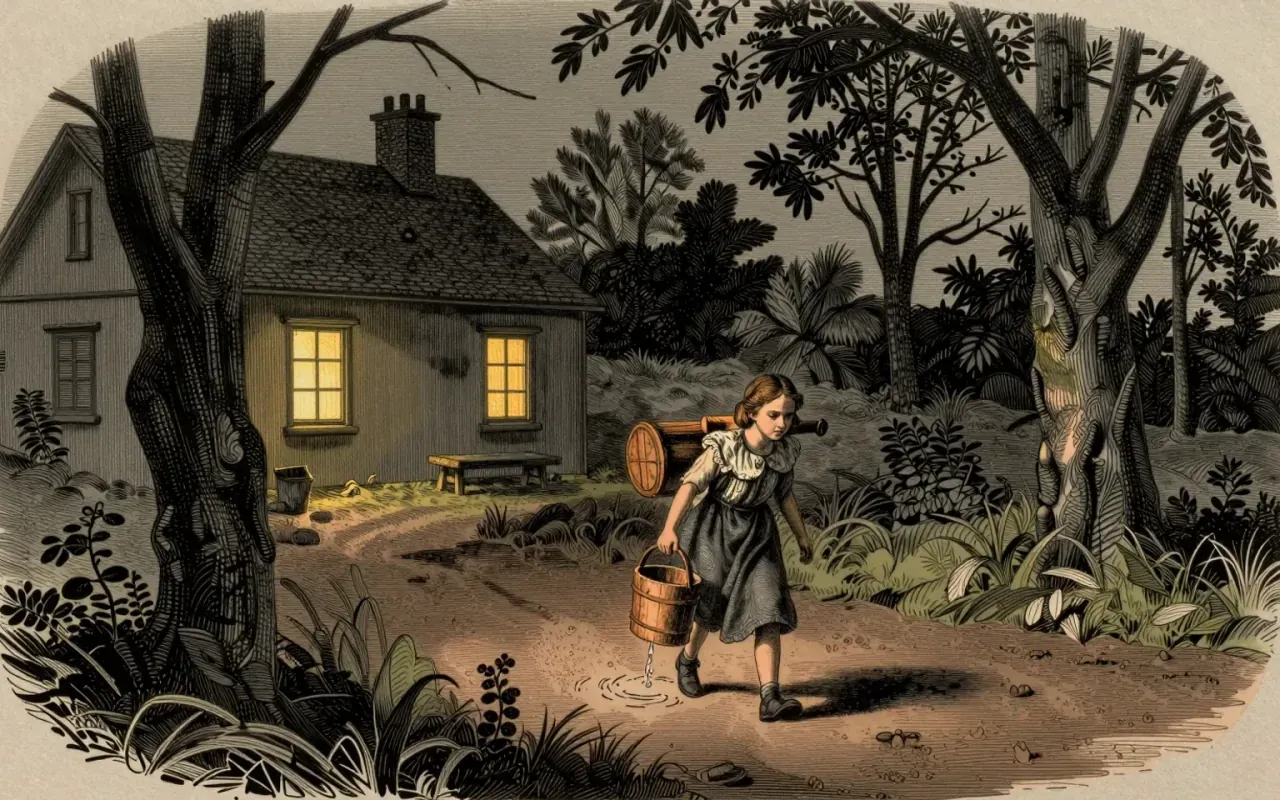
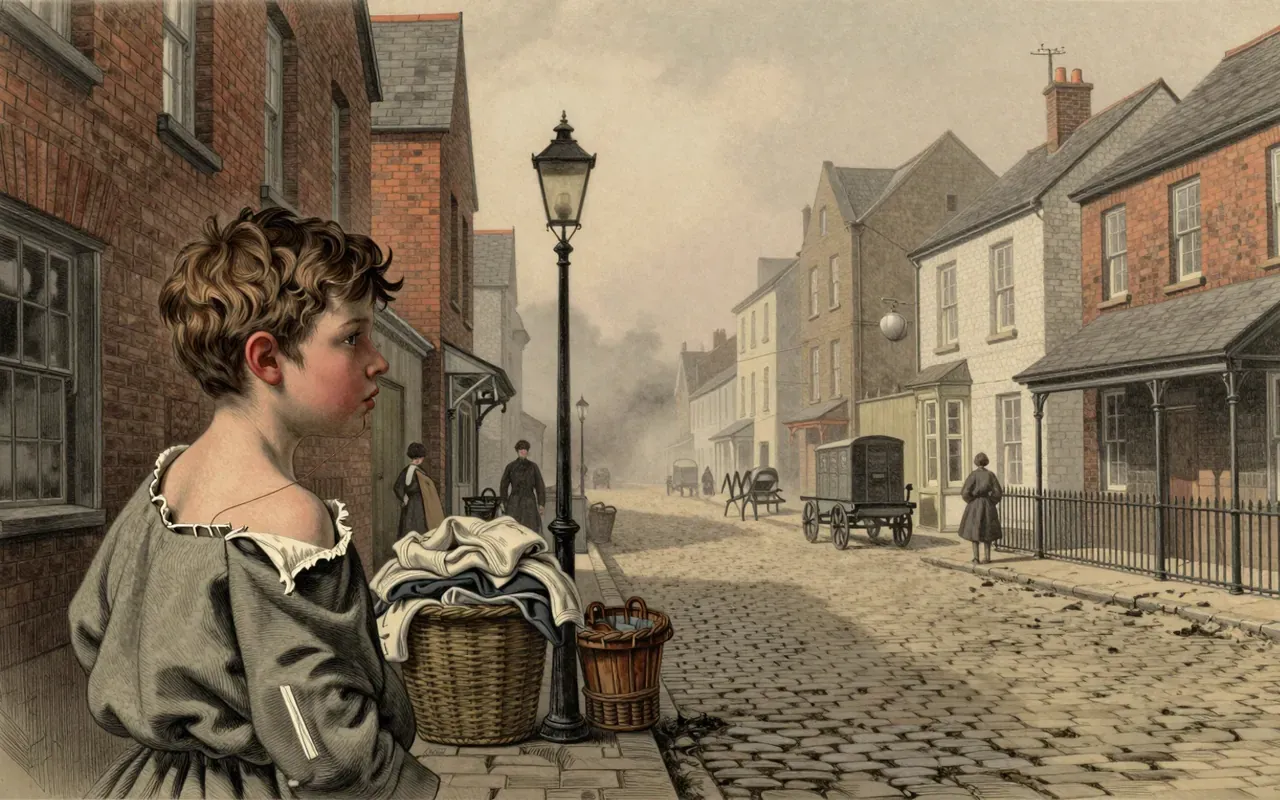
A man steals bread for his starving sister and pays nineteen years. Mercy begins when the bishop chooses forgiveness over the law.
3:30
Fantine and Cosette
The cost of poverty is calculated in one woman's life, and a child raised in chains. Hugo does not abstract this.
8:15
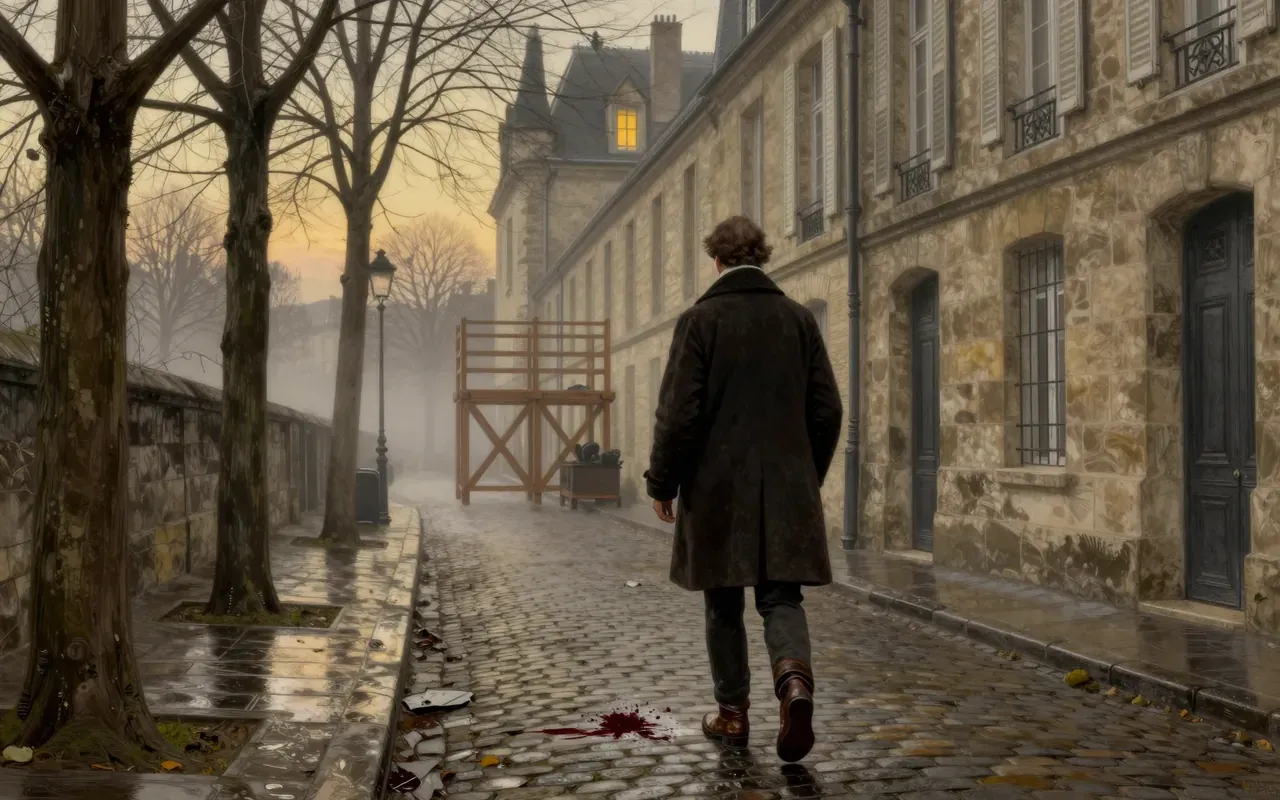
The sewers and the barricades
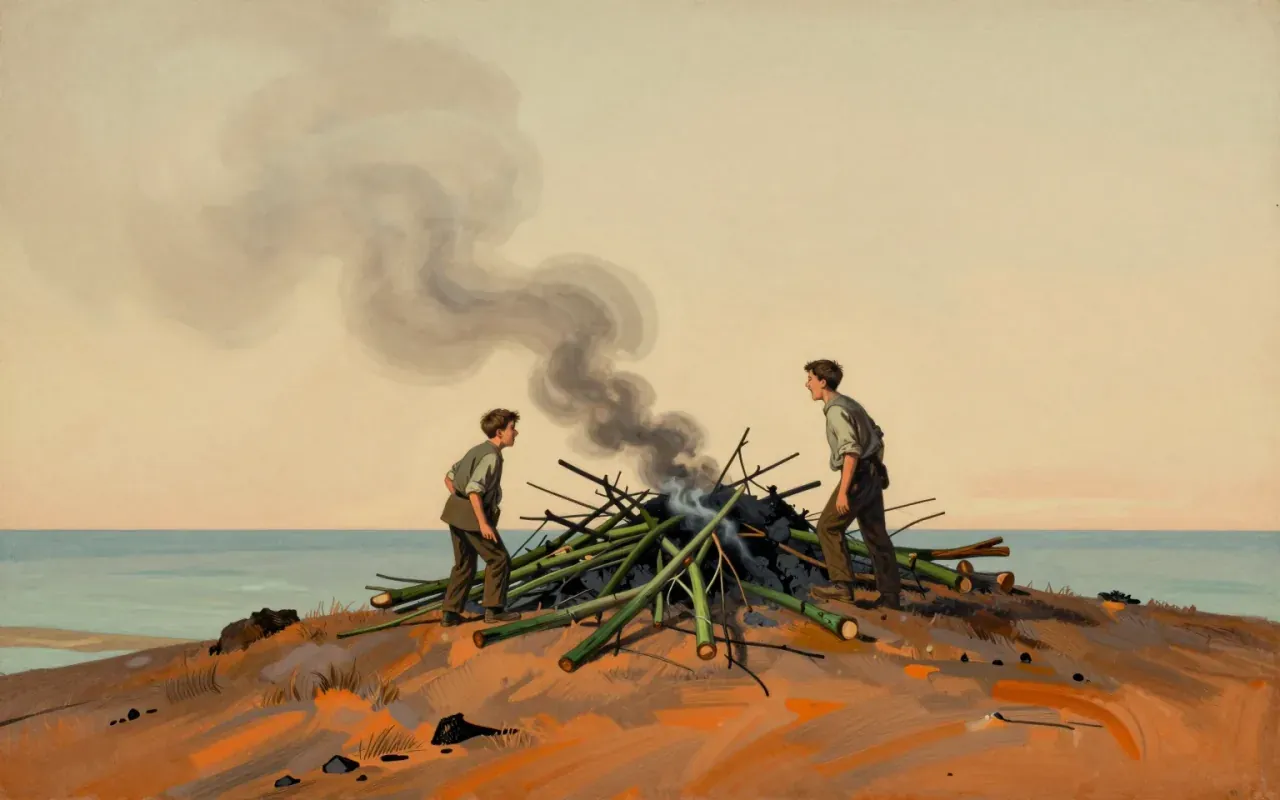
Revolution fails at Paris in 1832. The novel asks what mercy looks like when the just cause is defeated.
12:00
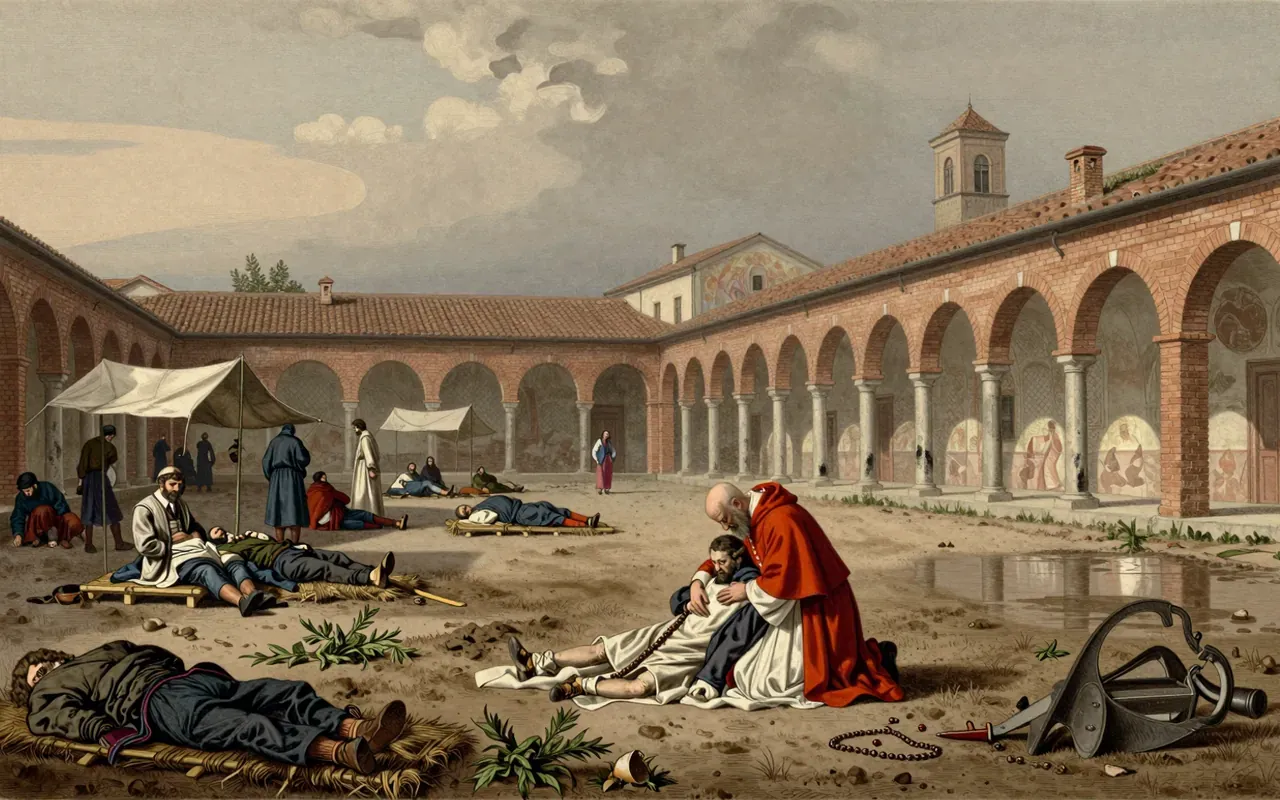
Valjean's end
Redemption is real but it does not mean being reconciled to the world. The book insists the world must change.
Worth your time?
Selectively. Start with the brief, then read the parts we point at.
4/ 5
What works
The central moral argument is relentless and never softens
Individual scenes—the death of Fantine, the barricade, the climax—are unforgettable
It has shaped how literature thinks about justice and mercy
What does not
The digressions on Paris sewers and the Battle of Waterloo feel endless
The romantic subplots are thin and often perfunctory
Hugo's solutions for poverty are now historically superseded
Read it if
Readers willing to sit with a book for weeks
Anyone interested in how novels argue for social change
People who want to understand the historical roots of European politics
Skip it if
Readers who need plot to move quickly
Anyone with no tolerance for historical detail and philosophy
The written brief1 min read
What the book is
Hugo’s 1862 novel of Jean Valjean, a man hunted across a changing France for stealing a loaf of bread, and the society that made him a criminal.
Is it worth your time
Selectively. It is uncompromisingly long and sometimes slow. But if you are prepared to commit, the moral architecture is singular: the poor are not a problem to solve, they are a judgment on the society that made them poor.