What the book is
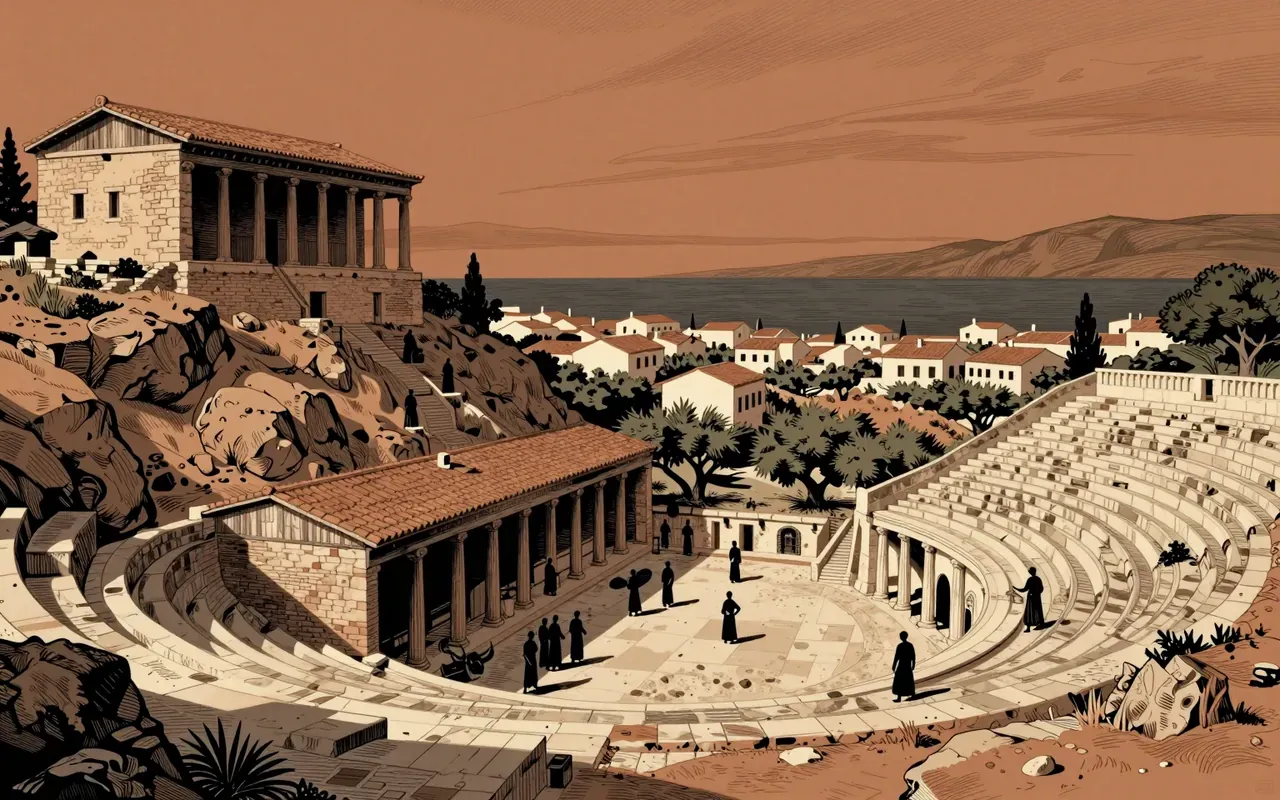
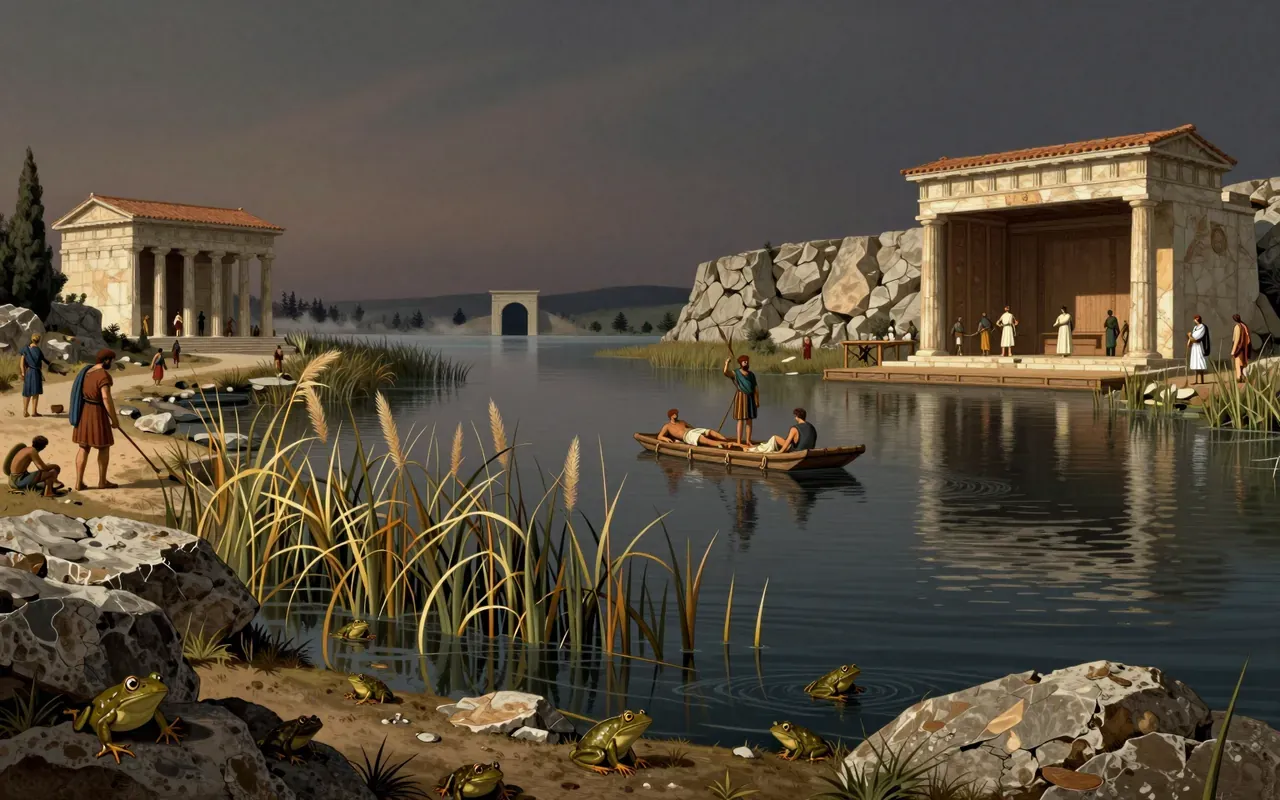
A 405 BCE Athenian comedy in which Dionysus travels to Hades to bring back Euripides—but ends up choosing Aeschylus instead. It is performed at the Lenaia festival, with a live chorus of frogs, a talking dog, and a gate guarded by a ranting porter. The text contains no stage directions beyond choral entrances and exits, but the action hinges on costume swaps, slapstick, and a rigged weighing scale.
The main ideas
Tragedy is statecraft. The frogs’ chant establishes rhythm as political force. The gate of Pluto’s palace becomes a bureaucratic checkpoint where identity is performative and unstable. The contest is scored not by metrics but by weight: Aeschylus’ verses are literally heavier on the scale, a physical metaphor for moral heft. Dionysus’ disguise as Heracles collapses when Xanthias endures torture meant for him—a reversal that exposes the god’s cowardice and the slave’s endurance.
What works
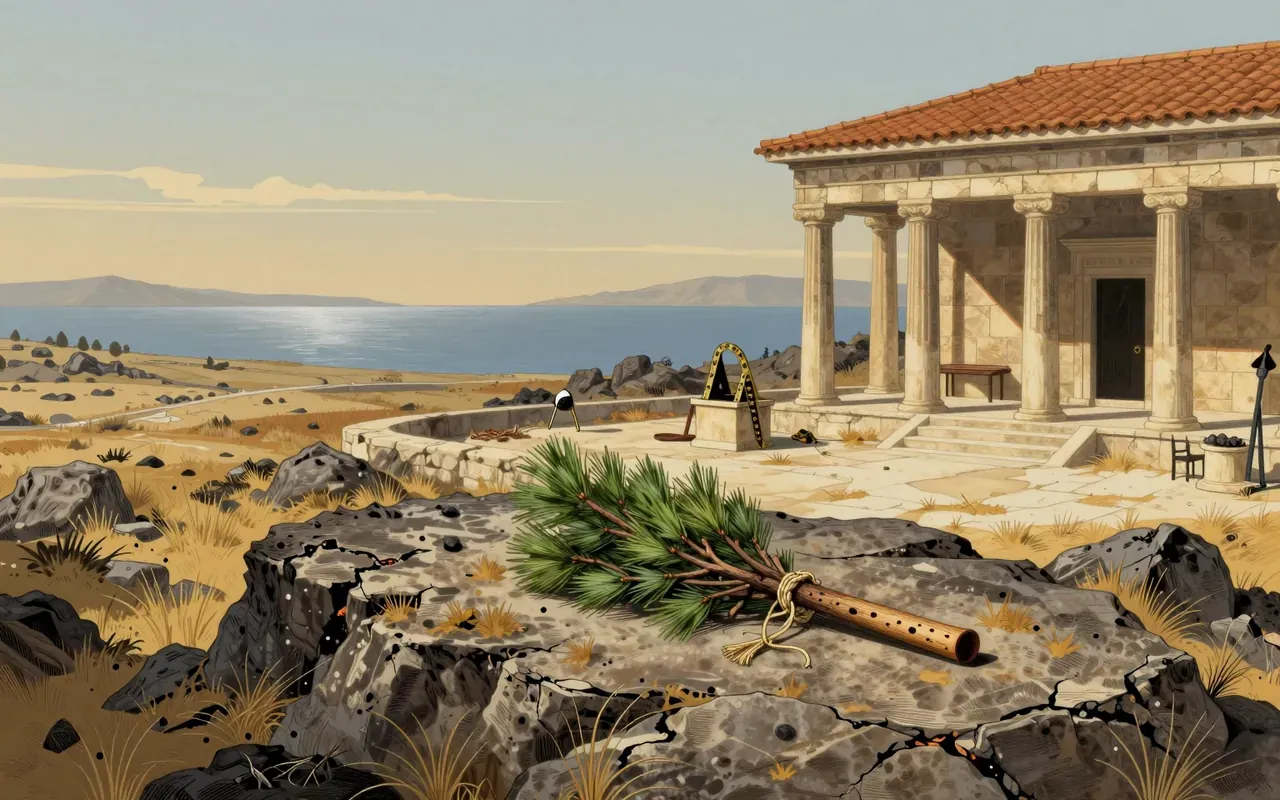
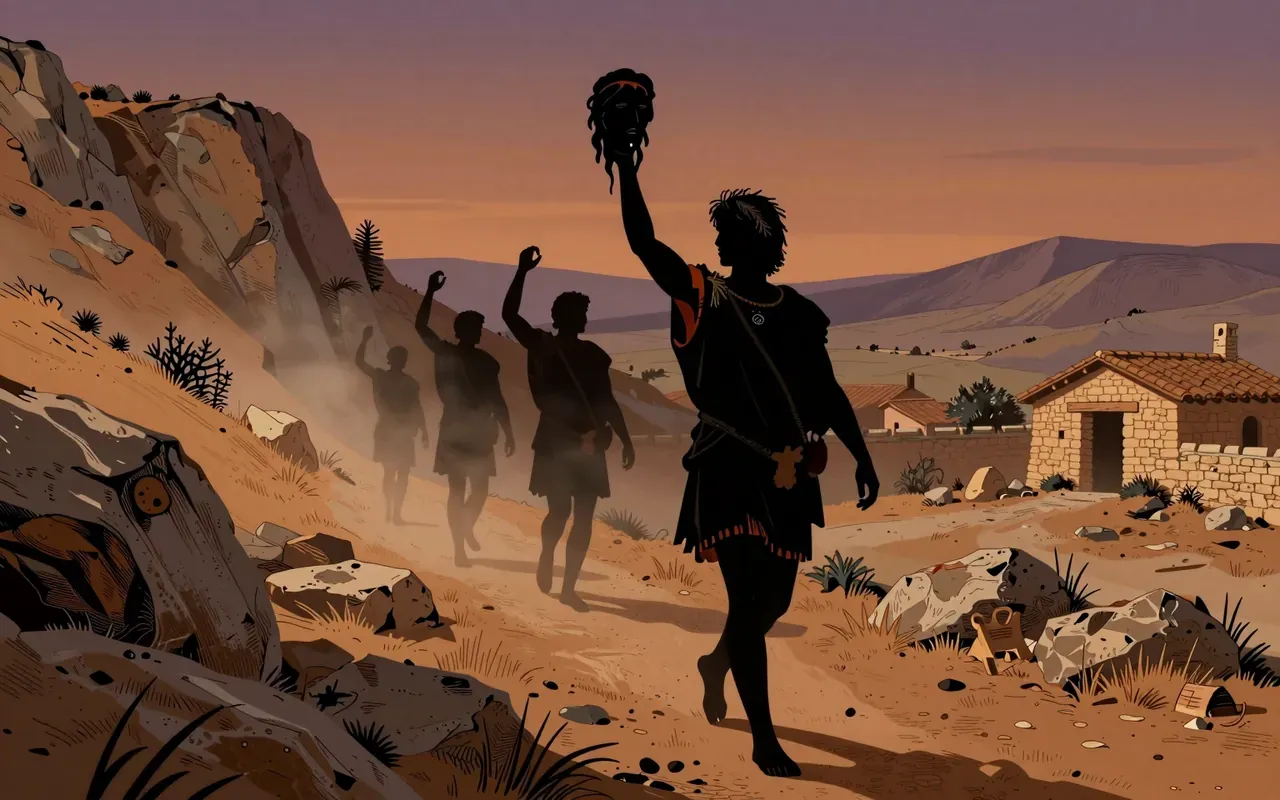
The frog chant (Q1) is unforgettable sonic architecture—repetitive, hypnotic, amphibious. The porter’s monologue at Pluto’s gate is pure bureaucratic farce: he refuses entry to gods unless they cite precedent. The weighing of verses is visual, absurd and precise: Aeschylus wins because his lines tip the scale, not because they are declared ‘better’. The final procession out of Hades—with Aeschylus advising on shipbuilding—is a concrete, non-metaphorical solution to civic crisis.
What does not
It fails as sustained satire of Euripides’ style. The parody relies on misrepresentation—reducing his innovations to rhetorical tics and emotional excess—rather than engaging his actual dramaturgy. The frog chorus dominates early but vanishes before the contest, leaving structural imbalance. The resolution depends on divine whim, not argument: Dionysus chooses Aeschylus after hearing one speech about shipbuilding, not poetic theory.
The themes
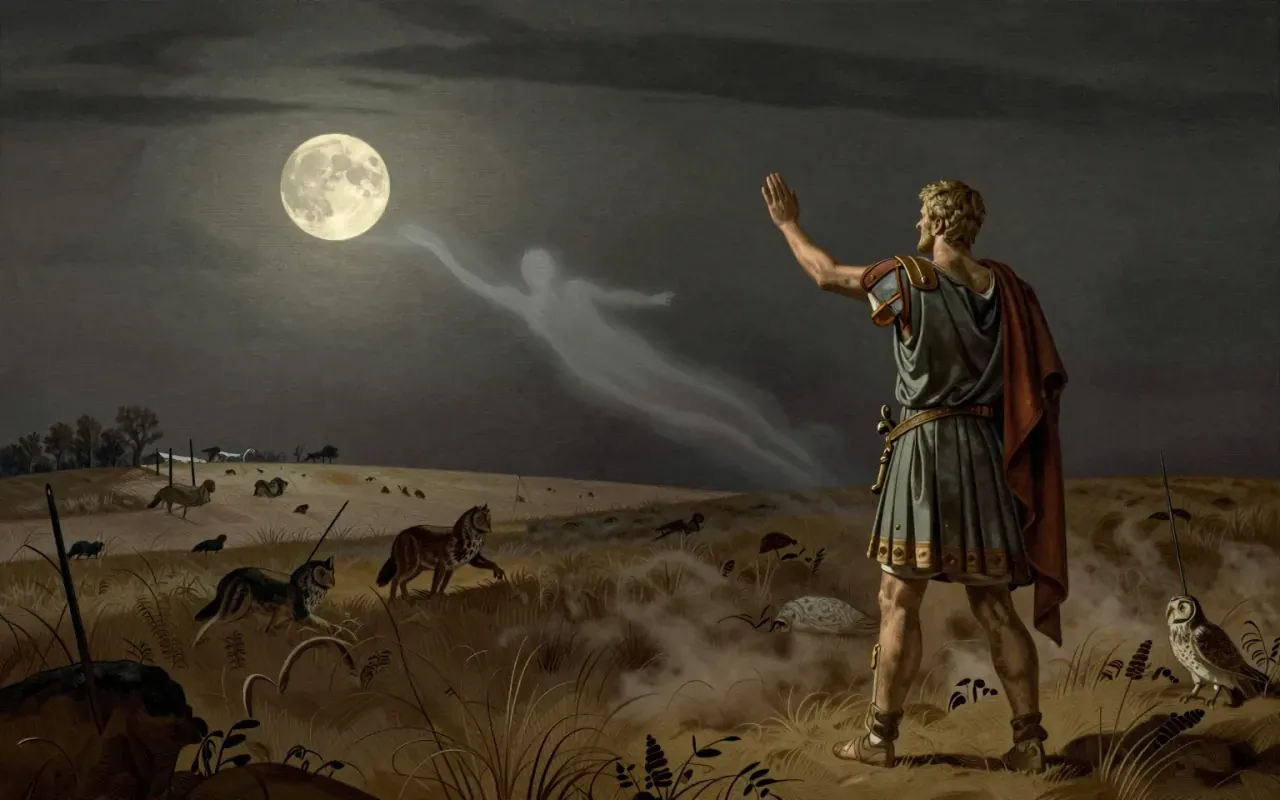
Art’s civic function is the core theme. The frogs embody collective voice turned into noise that drowns reason. The Stygian lake is both literal barrier and symbol of cultural oblivion. Aeschylus’ return is framed as technical rescue: he will advise on shipbuilding and law, not write plays. The play treats poetry as policy, not ornament.
Who should read it
Readers who want to see how ancient Athens treated art as public utility—not self-expression—should read it. Those studying the history of literary criticism will find the first recorded ‘canon debate’ here: Aeschylus versus Euripides, judged by a god who admits he cannot tell good verse from bad without help.
Who should not
Readers expecting coherent character arcs or psychological realism should skip it. There is no development for Dionysus beyond cowardice-to-reluctant-decision. Xanthias disappears after the gate scene. The chorus has no narrative role after the lake crossing.
The assessment
The Frogs argues that tragedy is civic infrastructure. Dionysus does not descend to Hades for divine business but because Athenian democracy is failing—and he believes only a great poet can fix it. The contest between Aeschylus and Euripides is not about aesthetics alone: it is a referendum on whether clarity, moral gravity and civic instruction (Aeschylus) or psychological realism and verbal dexterity (Euripides) serve the polis better. Aristophanes gives the verdict: Aeschylus wins because his lines can rebuild Athens.
Is it worth your time
Yes—if you read it aloud, cut the middle third (the trial-by-logic section), and treat the frogs as the true protagonist. It is 2,400 years old and still the sharpest argument ever made that bad art weakens democracies.