booksbriefs
Topic

Satire

Comedy with a target, and whether the blow lands.

11
in books
12:46
average
140 min
in total
84
across the network
Satire across the network →
All briefs11
13:36

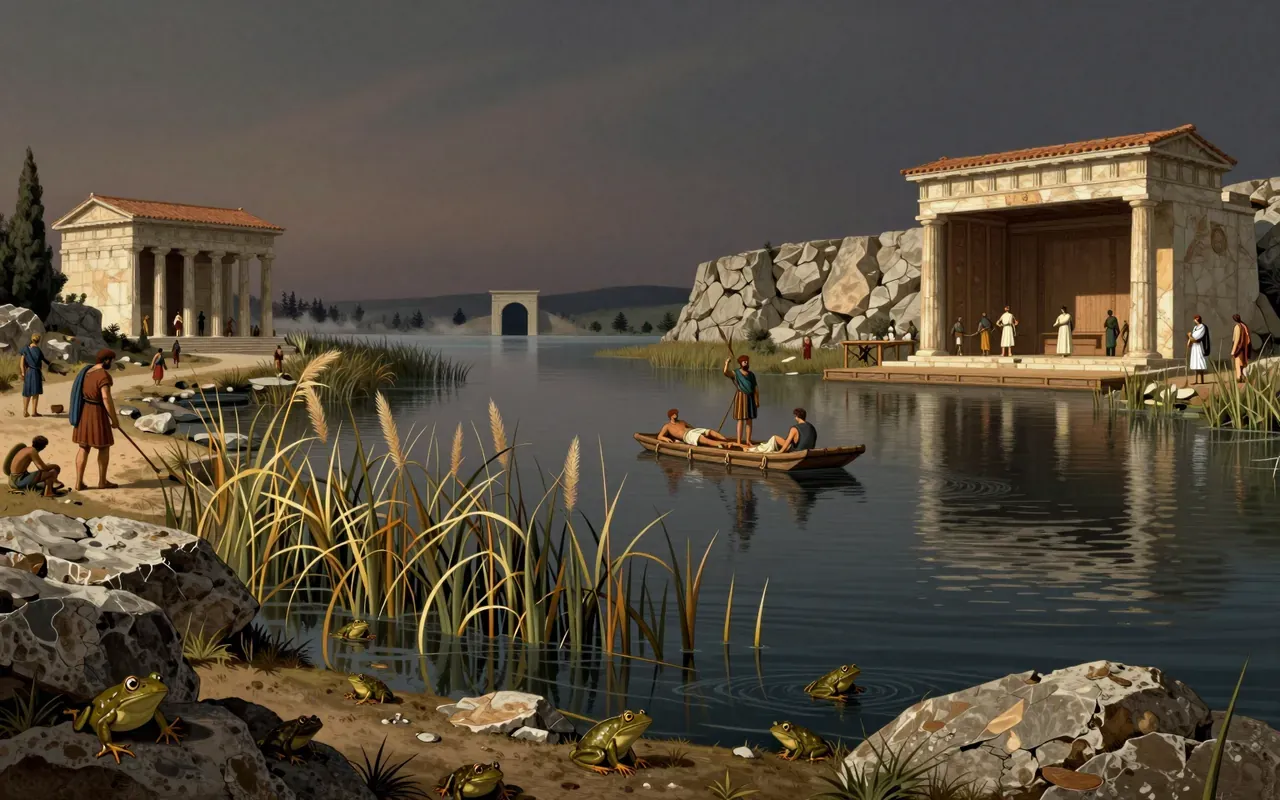
The Frogs

Aristophanes · 0

The Frogs is a 405 BCE Athenian comedy arguing that tragedy sustains democracy. Dionysus descends to Hades to retrieve Euripides—but chooses Aeschylus instead, because his poetry offers civic instruction, not just artistry. The brief explains why the frogs matter more than the plot, why the weighing scale is the play’s true thesis, and why the ending is policy, not poetry.
12:32

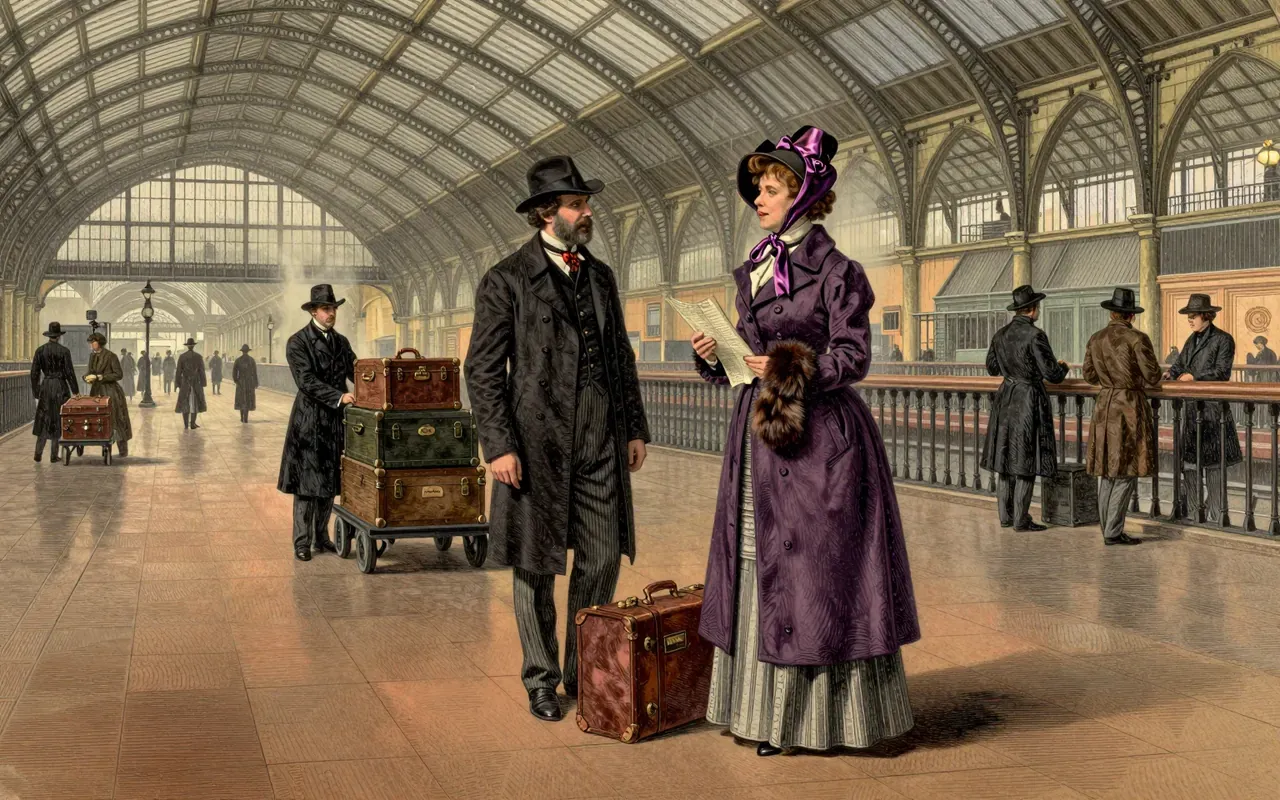
The Importance of Being Earnest

Oscar Wilde · 1893

A satirical three-act play that reduces Victorian respectability to linguistic games. It works because every line lands like a scalpel, not a sermon. Skip any production that treats it as heart-warming—it is not.

14:46

Vanity Fair

William Makepeace Thackeray · 0

Vanity Fair is a satirical novel that treats society as a rigged theatre. It contrasts Becky Sharp’s ruthless self-invention with Amelia Sedley’s passive virtue, exposing class, inheritance and performance as the real engines of power. The brief explains why its irony works, where it grows repetitive, and which chapters deliver its sharpest insights.

15:06

Verses and Translations

Charles Stuart Calverley · 0

Calverley’s 1862 collection uses precise classical translations and absurd original verse to dissect Victorian class, gender and education. It works best in fragments: a tearful reunion with dogs, Sir Hugo shattered by two words, a burglar tripping before Milton’s elegy. Skip the editor’s front matter and all footnotes—they add nothing beyond verification.

11:00

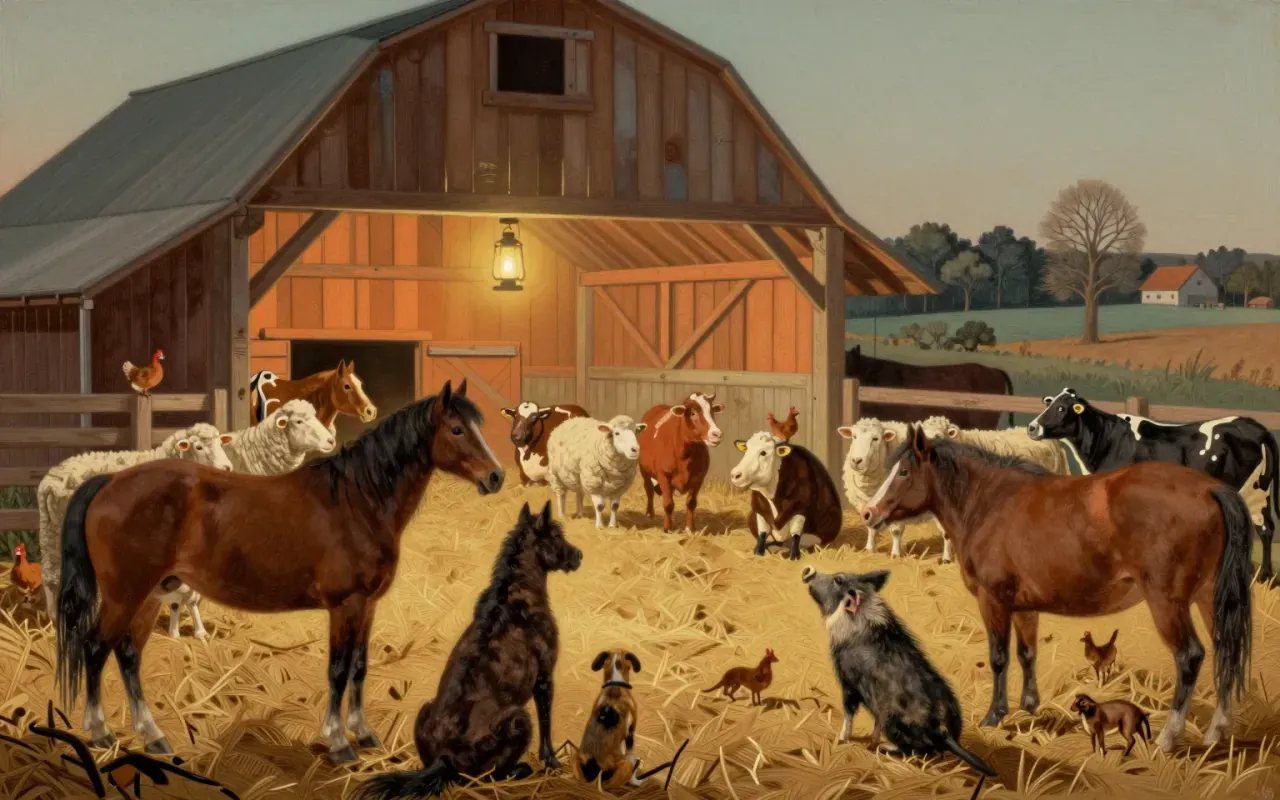
Animal Farm

George Orwell · 1945

Orwell's 1945 allegory of the Russian Revolution told through a farmyard coup. The brief covers the revolution, the factions, how the pigs consolidate power, and why it reads as a prophecy more than fiction.

12:00

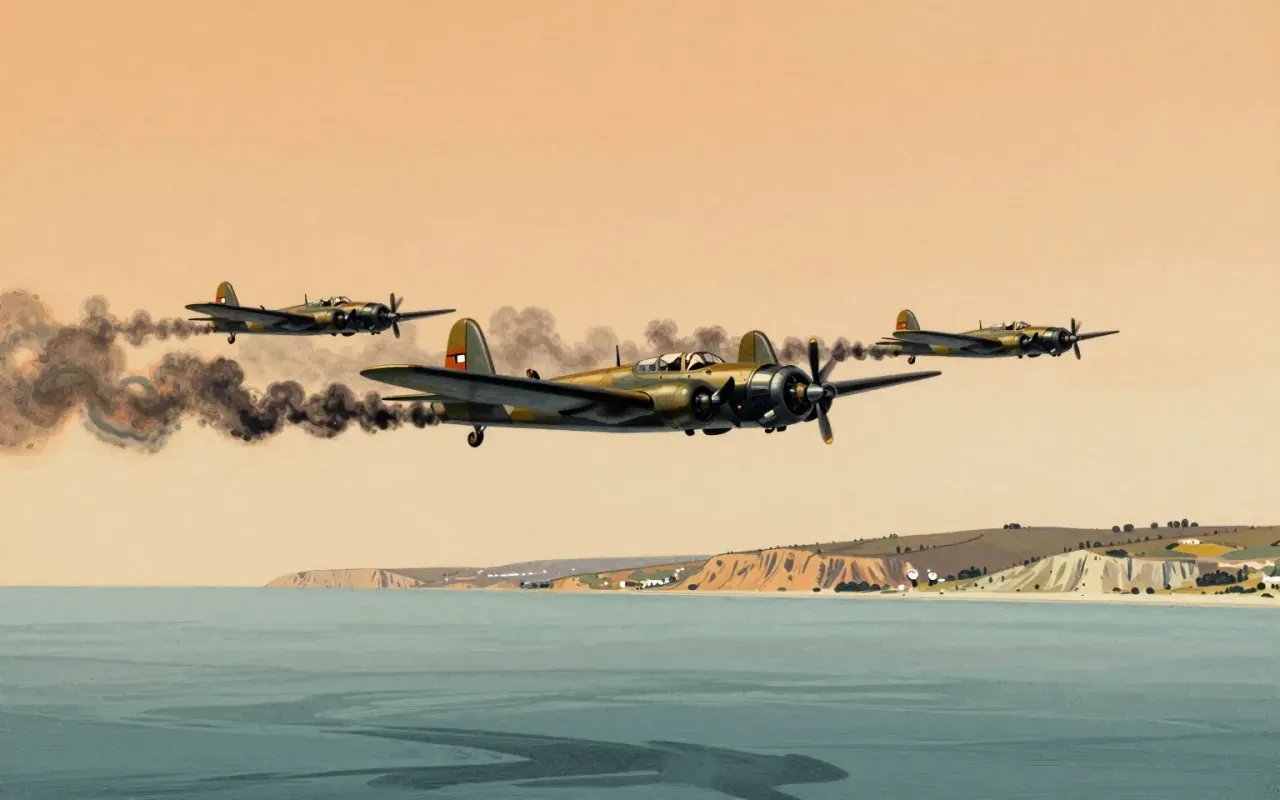
Catch-22

Joseph Heller · 1961

Heller's 1961 novel follows Yossarian, whose only escape from deadly bombing runs is to convince a doctor he is mad. The catch: anyone sane enough to ask is sane enough to fly. It is a circular trap, and the book is built to prove it.

12:00

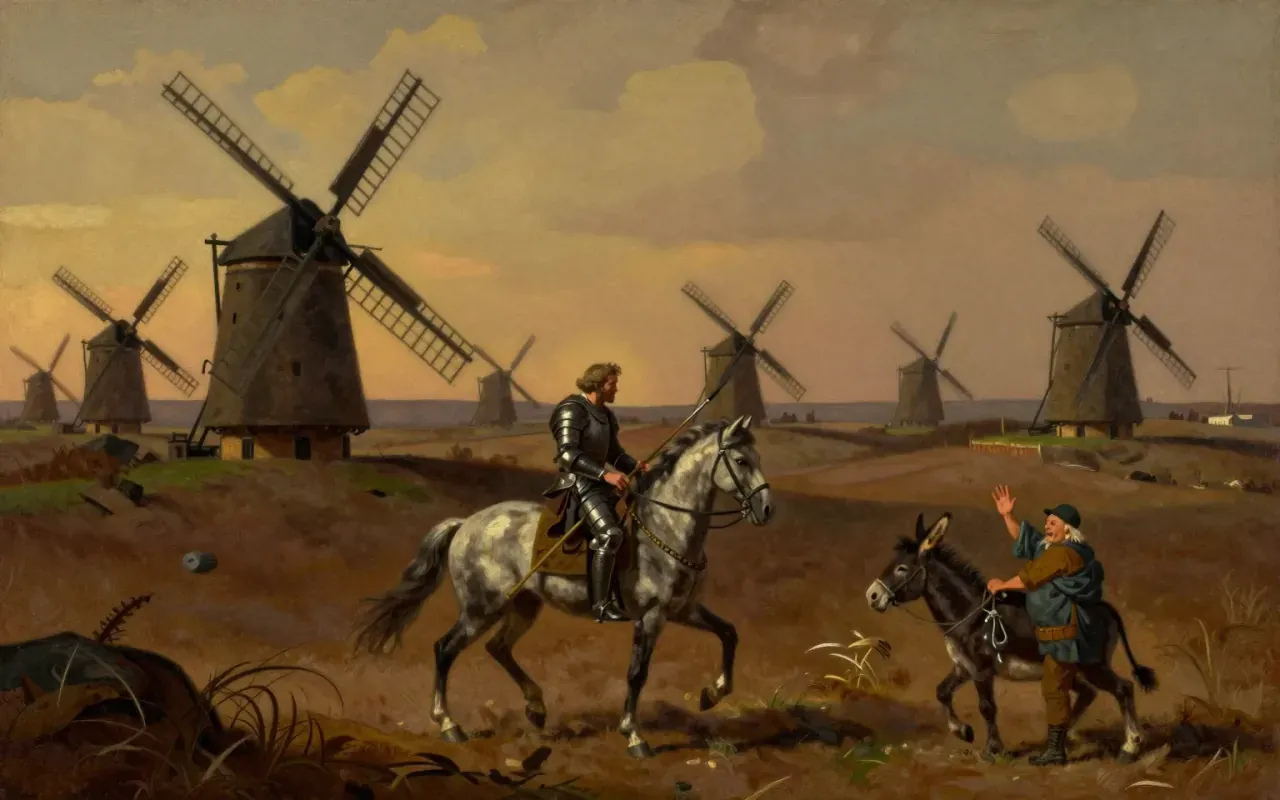
Don Quixote

Miguel de Cervantes · 1605

Cervantes's 1605 novel follows Don Quixote, a minor Spanish nobleman driven mad by chivalric romances who sets out as a knight-errant with his servant Sancho. The brief covers the opening madness and the machinery of the book, what makes it a satire of narrative itself, and which parts can be skipped.

12:30

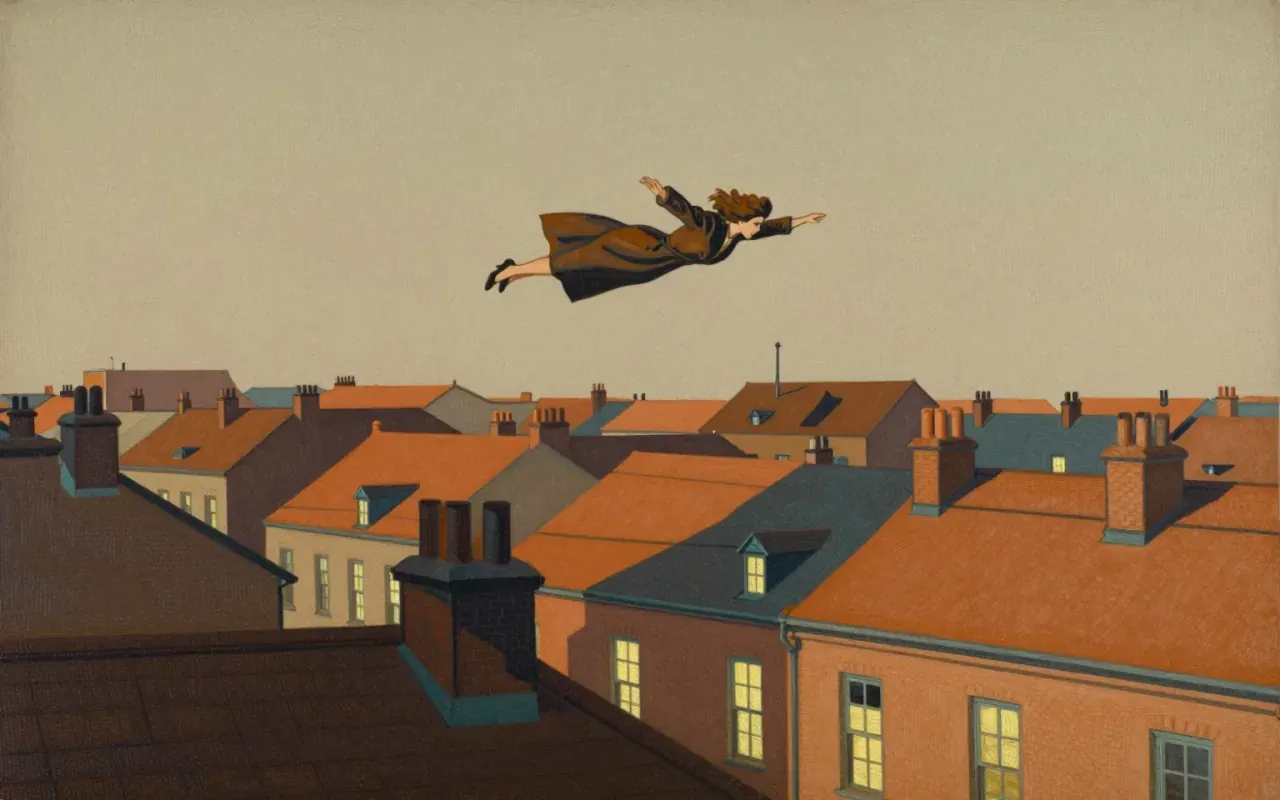
The Master and Margarita

Mikhail Bulgakov · 1967

Bulgakov's 1967 novel, written in secret over a decade and banned until his death, weaves together three narratives. The brief covers the plot in two minutes, the political allegory in three, and why the book survived suppression to become one of the century's definitive critiques of authority.

12:43

A Modest Proposal

Jonathan Swift · 1729

Swift proposes that the Irish poor sell their infants as food, and costs it out precisely. The brief covers how the satire works, why the numbers matter more than the shock, and the last page where the mask drops and the real proposals appear.

13:00

Slaughterhouse-Five

Kurt Vonnegut · 1969

Vonnegut's 1969 novel splices autobiography with science fiction to make the firebombing of Dresden absurd instead of tragic. The book moves through time, skipping freely across a life that has already happened, all of it equally real and equally present.

11:15

Pride and Prejudice

Jane Austen · 1813

Pride and Prejudice is a satirical study of class, courtship and self‑discovery, told through Elizabeth Bennet’s razor‑sharp observations. Austen exposes the hypocrisy of Regency society with brisk dialogue and a tight plot that rewards a quick‑paced reader. The novel’s strengths lie in its memorable characters and social satire; its dated gender expectations and slow pacing may deter modern readers.