Two men dream of owning land. What do you do when mercy and cruelty become indistinguishable?
Steinbeck's novella in a hundred pages about George and Lennie, migrant workers during the Depression, and what happens when a dream meets the world. The brief covers their plan and why it fails, then the impossible choice at the end.
George and Lennie share one vision: a small farm with rabbits to tend. It is all Lennie understands, all George holds onto.
2:45
The world
Depression-era California. The ranch where they work is a place where people are disposable and dreams are currency.
5:15
The accident
Lennie is innocent and catastrophic. One moment of panic unravels everything they planned.
8:30
The choice
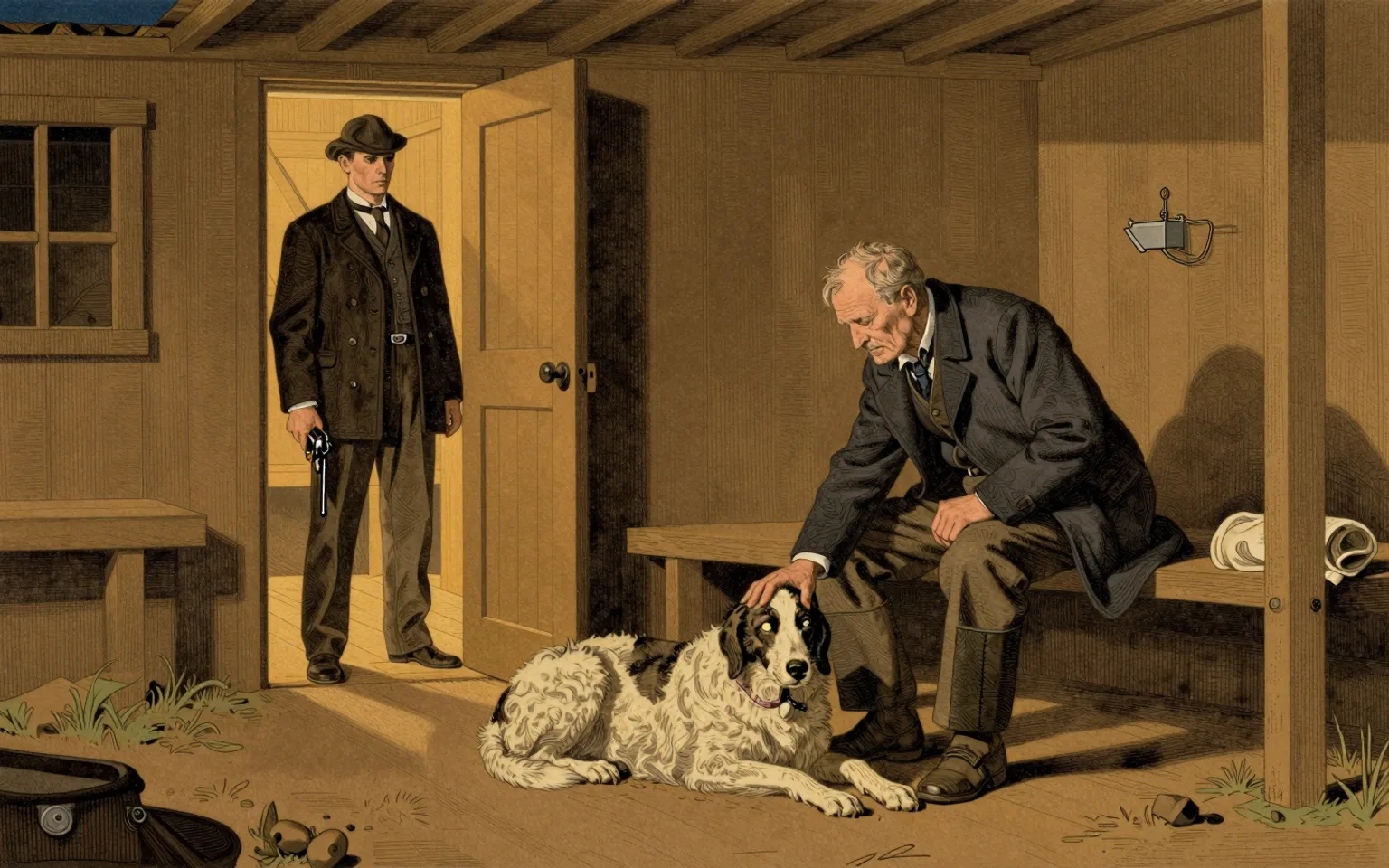
George chooses mercy. He kills Lennie before the mob can. The ending is not justice or tragedy—it is necessary.
Worth your time?
Yes. Read the whole thing.
4.5/ 5
What works
The relationship between George and Lennie is unsentimental and exact
It is short enough to read in one sitting and resonant enough to stay with you
The ending crystallizes a whole American problem in one act of mercy
What does not
Lennie is written as intellectually disabled in a way that modern readers may find reductive
Read it if
Anyone trying to understand what American literature says about vulnerability and friendship
Readers who can sit with tragic necessity rather than tragic injustice
Skip it if
Readers who need optimism or narrative resolution
The written brief1 min read
What the book is
Steinbeck’s 1937 novella of two migrant workers, George Milton and Lennie Small, during the Great Depression, bound by friendship and a shared dream of owning land.
Is it worth your time
Yes. Two hours and a lifetime thinking about what George does at the end.