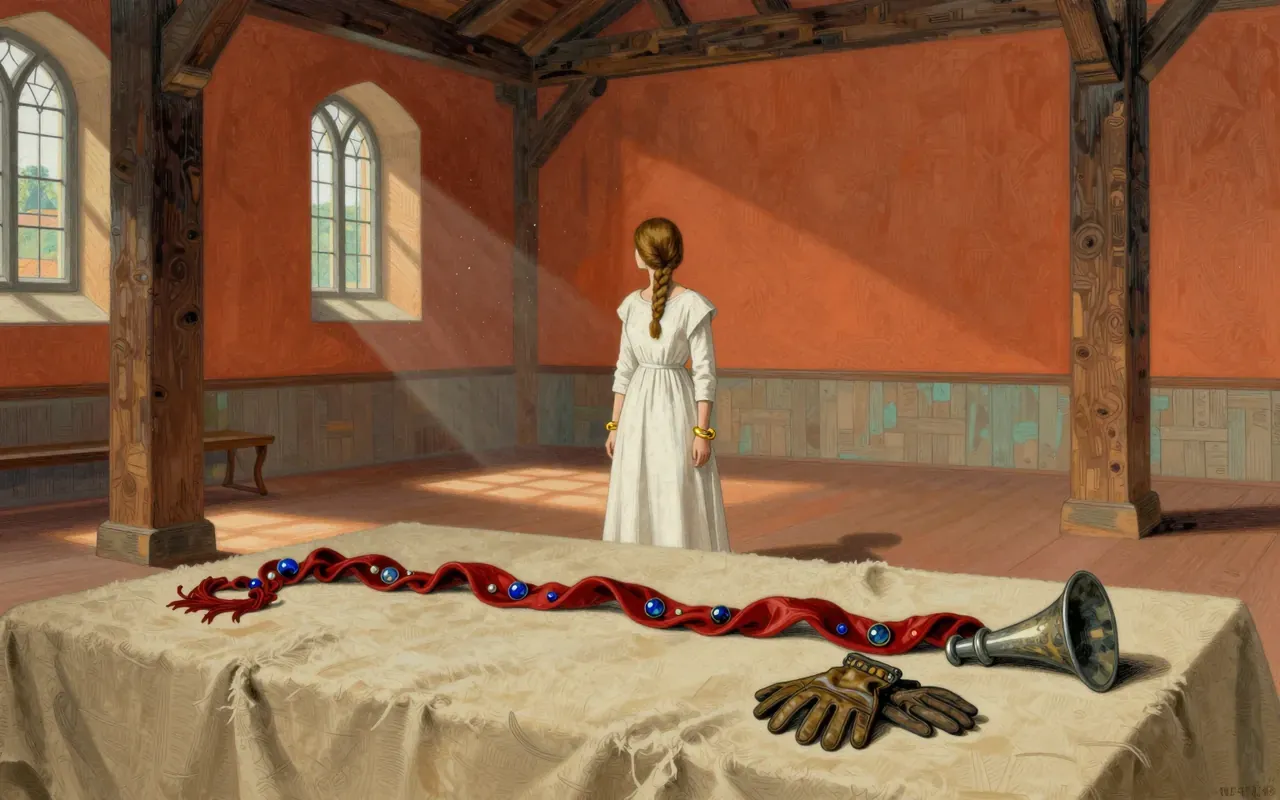
The Nibelungenlied
Honour is a death sentence signed in advance — and everyone in this poem keeps signing it.
A nation assembled late, undone twice, and rebuilt on the memory of both.
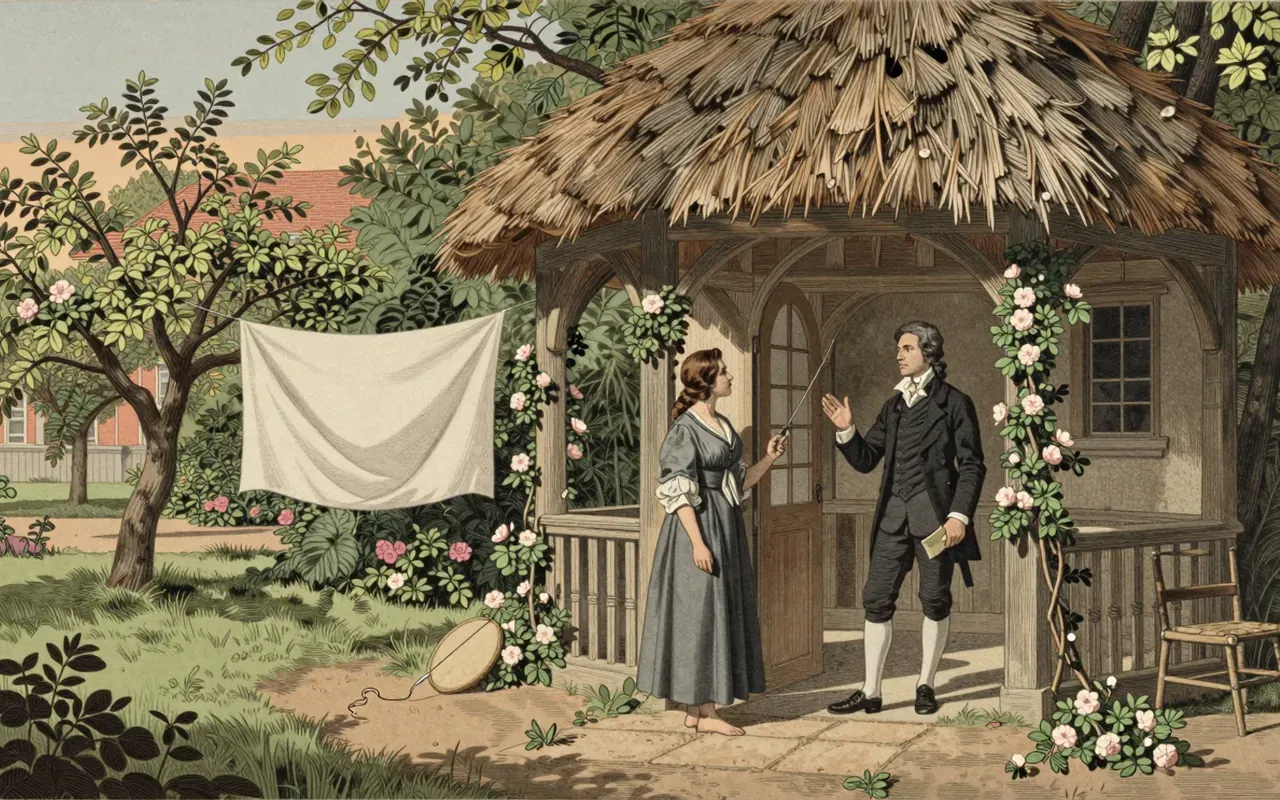
The Robbers is a Sturm und Drang tragedy about moral contagion: Francis forges a letter to disinherit his brother Charles, who then joins a robber band. Charles returns to find his father imprisoned, kills Amelia in a final 'sacrifice', and surrenders to justice. The brief isolates the forged letter, the dungeon revelation, and the suicide-sacrifice climax—and tells you which acts to skip.
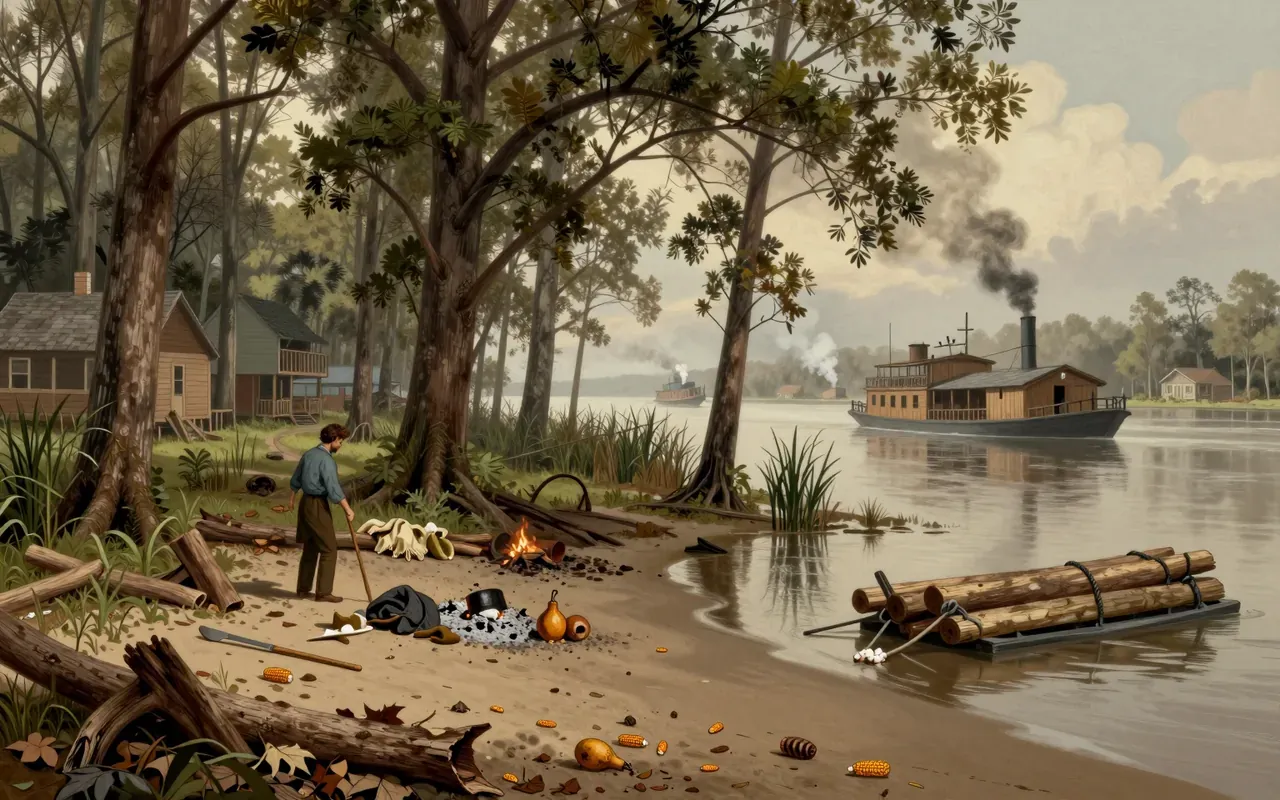
The book argues that moral clarity emerges from direct human contact, not society’s rules—and that Southern 'civilization' is a fraud sustained by violence and self-deception. It does this through Huck’s choices: faking his death, choosing Jim over religion, and rejecting adoption. Tom’s elaborate rescue is exposed as cruel theatre. Read Chapters I–XVI and XXX–XLII. Skip Chapter XL.
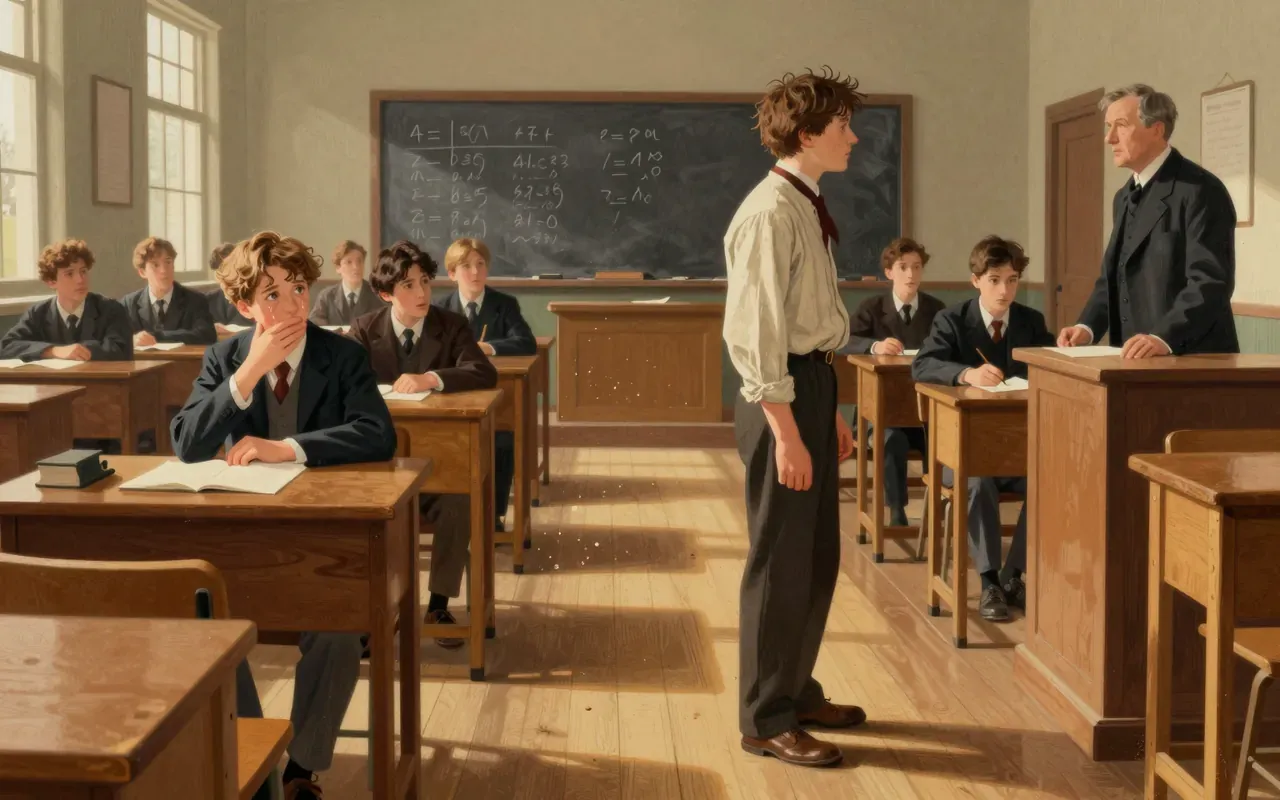
Twain’s 1876 novel treats childhood as a site of real moral risk—not innocence, not corruption, but constant negotiation. Tom’s fence-whitewashing, blood oath, courtroom testimony and cave ordeal are not adventures but ethical trials. The book works best in its sharpest scenes: Ch. II, XX, XXXI and XXXIII. Skip the editor’s introduction and the slower interludes.
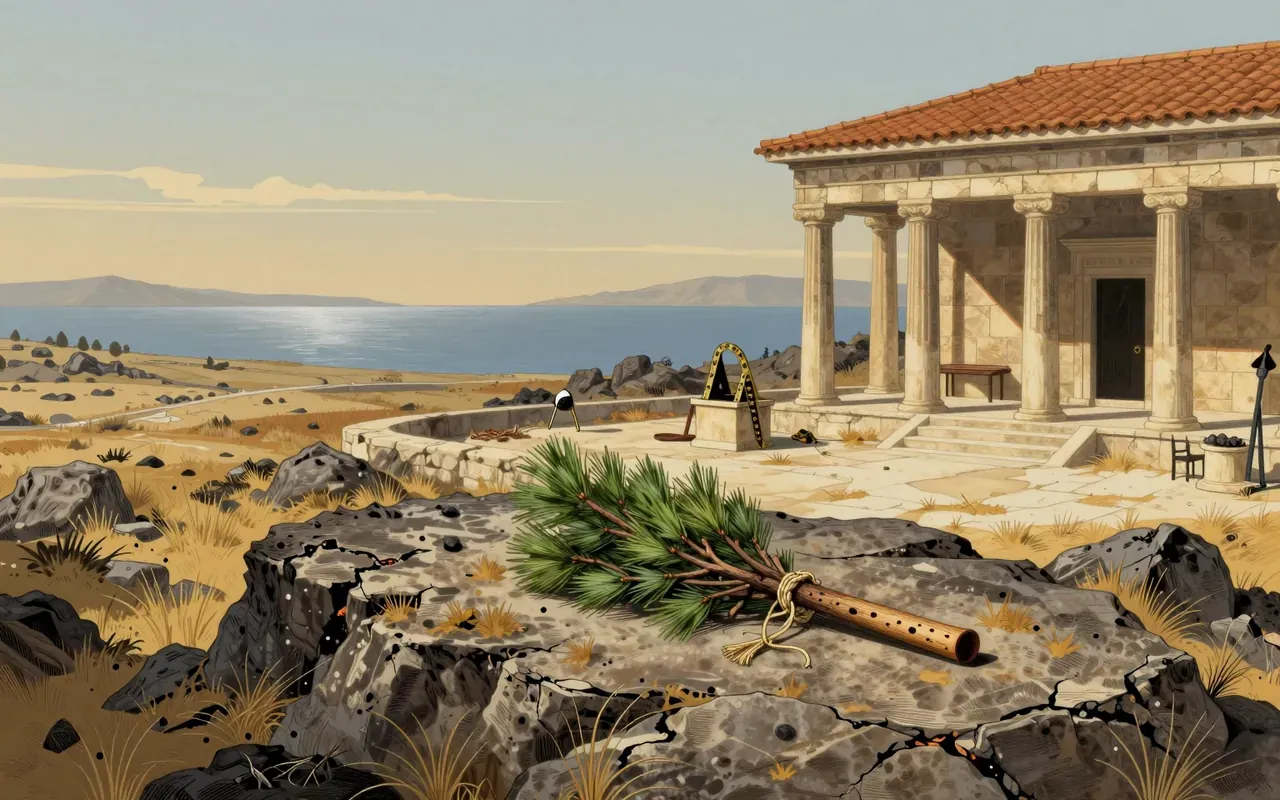
The Agamemnon argues that vengeance is self-replicating, not redemptive. It works best in performance — the Watchman’s vigil, the tapestry scene, Clytemnestra’s speeches — and collapses in exposition. Skip the Chorus’s myth-recounting. Read it aloud, not silently.
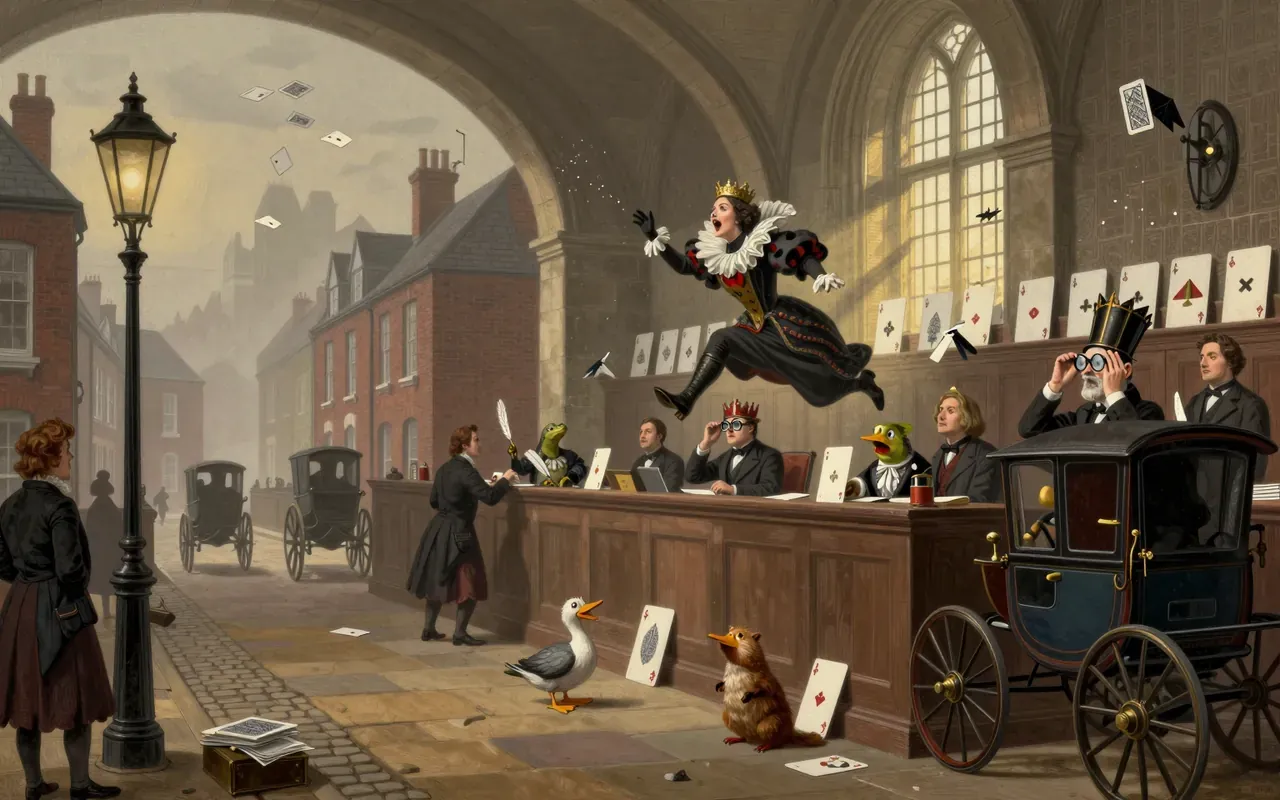
It is a satire of logic, language and authority disguised as children’s fantasy. The brief shows how Alice’s physical instability mirrors her intellectual rebellion—and why the final line, 'You’re nothing but a pack of cards!', is the book’s entire argument. Skip the Duchess’s moralising and the Mock Turtle’s songs.