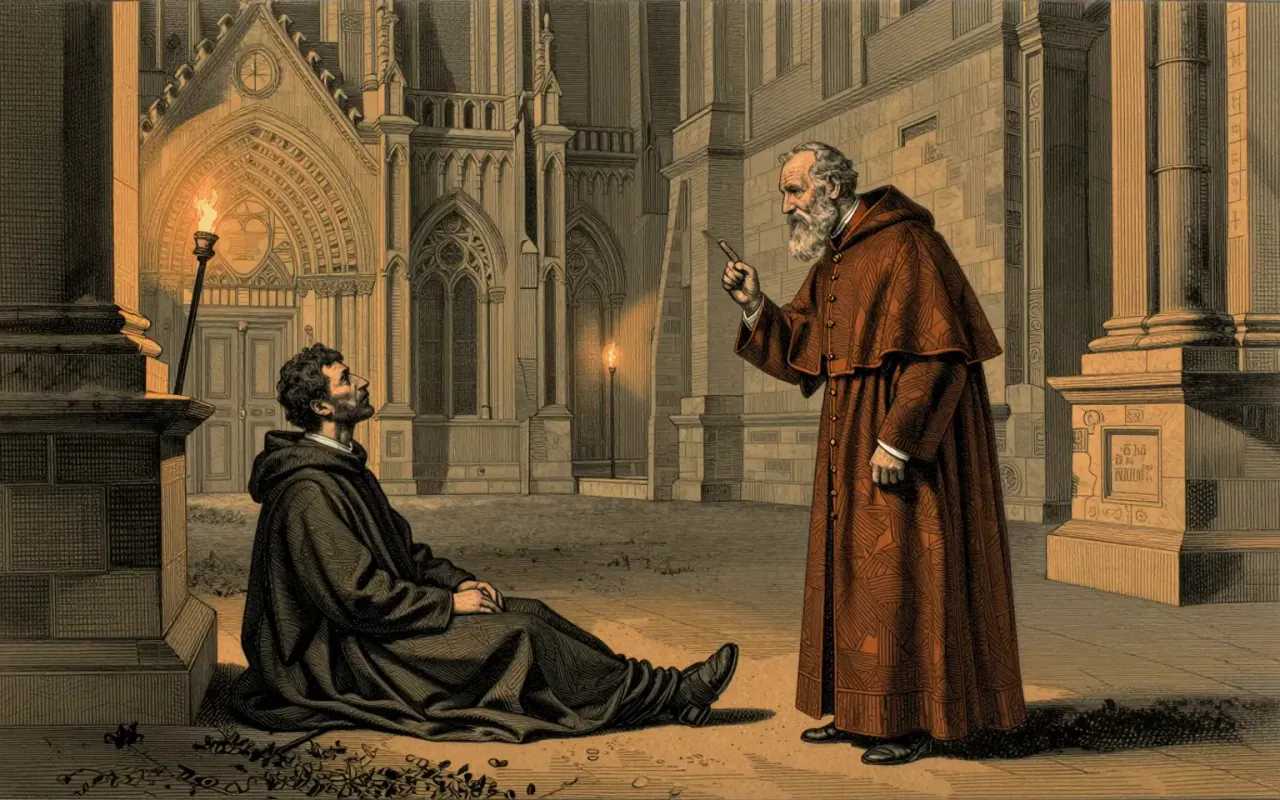
Huxley's world sacrifices everything that makes life worth living to eliminate suffering.
The 1932 novel describes a future where stability is engineered through biological castes, pleasure drugs, and psychological conditioning. It poses a question harder to refute than mere tyranny—what if contentment and freedom are irreconcilable?
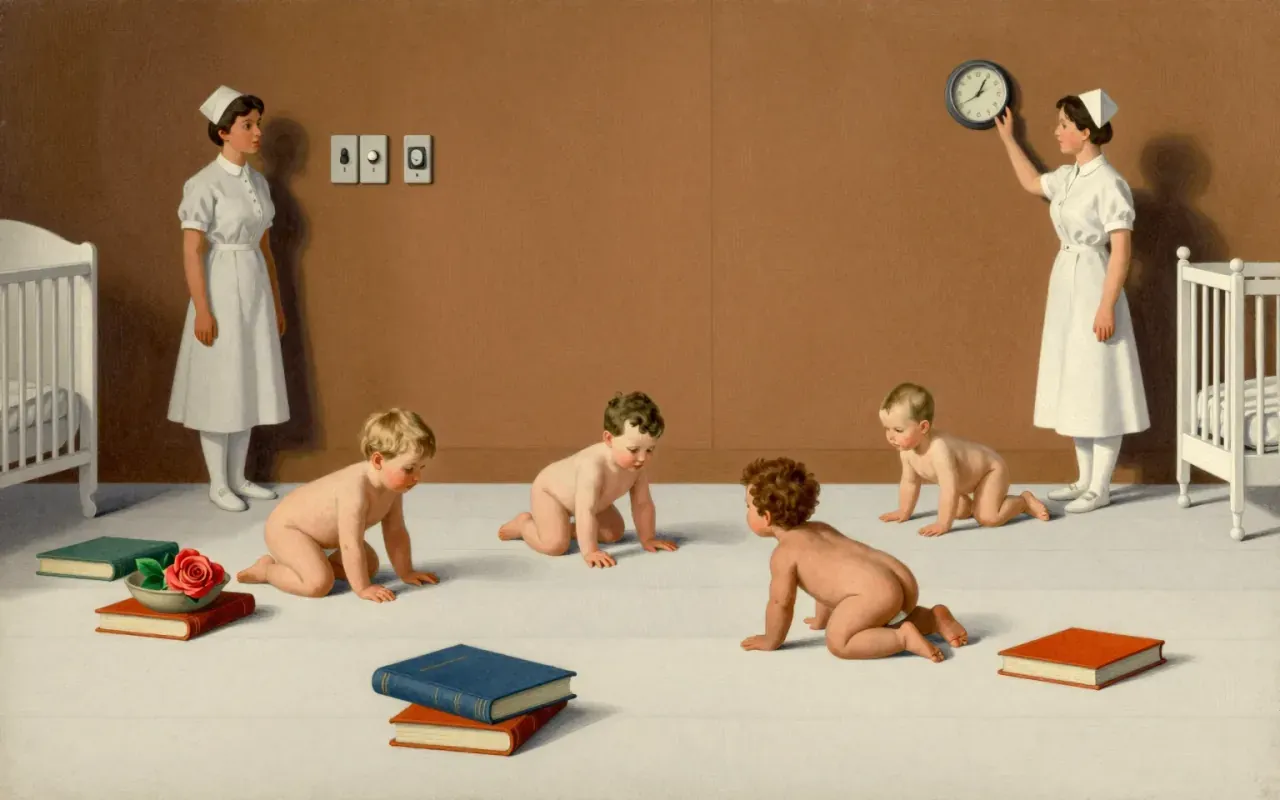
In 2500 A.D., stability is purchased through biological castes, a pleasure drug, and relentless conditioning. No one wants to escape.
2:45
The Cost
Freedom to think, feel, and desire has been engineered out. The price of contentment is personality itself.
5:15
The Crack
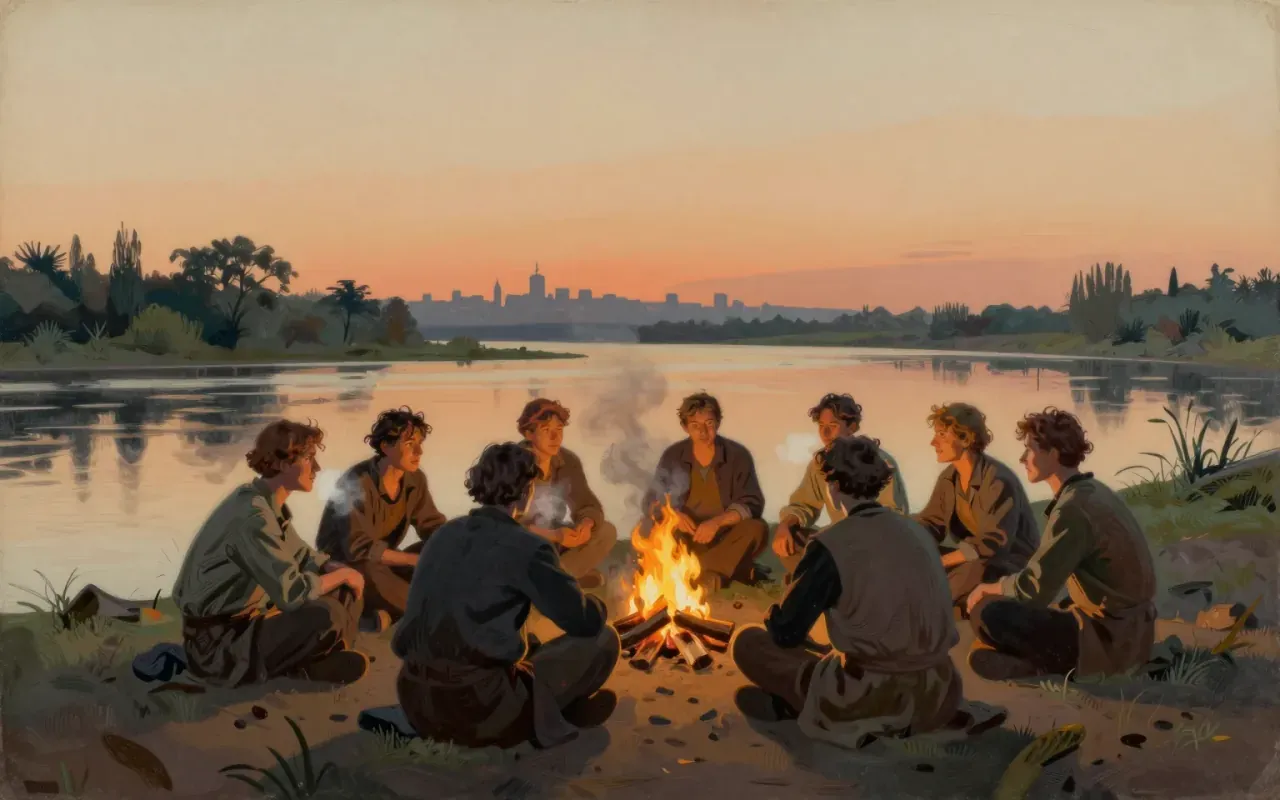
Bernard Marx, an anomaly, questions the world. His rebellion tests whether the system can tolerate a voice of doubt.
7:45
The Reckoning
John the Savage forces the world to choose: it chooses pleasure. Huxley argues this is the right choice—and the worst one.
Worth your time?
Yes. Read the whole thing.
4/ 5
What works
The society is internally consistent and fully imagined
It poses a genuinely difficult philosophical problem
The prose is clear and the book moves quickly
What does not
Female characters are underdeveloped
The ending feels conclusive in a way that undercuts its own question
It is less humanly vivid than its reputation suggests
Read it if
Anyone interested in the nature of freedom and control
Readers of political philosophy who prefer novels to essays
Students of dystopian thought
Skip it if
Readers seeking complex female characters
Those who need a heroic or optimistic ending
The written brief1 min read
What the book is
Huxley’s 1932 novel. In a future world built on biological castes, a pleasure drug called soma, and relentless conditioning, one man questions the system. The book is the collision between his doubt and the world’s certainty.
Is it worth your time
Yes. The idea is the real subject: can a civilization that has solved suffering through pleasure still be human? Huxley argues no. The novel is tight, readable, and the argument holds.