A novel that insists you cannot pursue personal happiness without reckoning with the society that contains you.
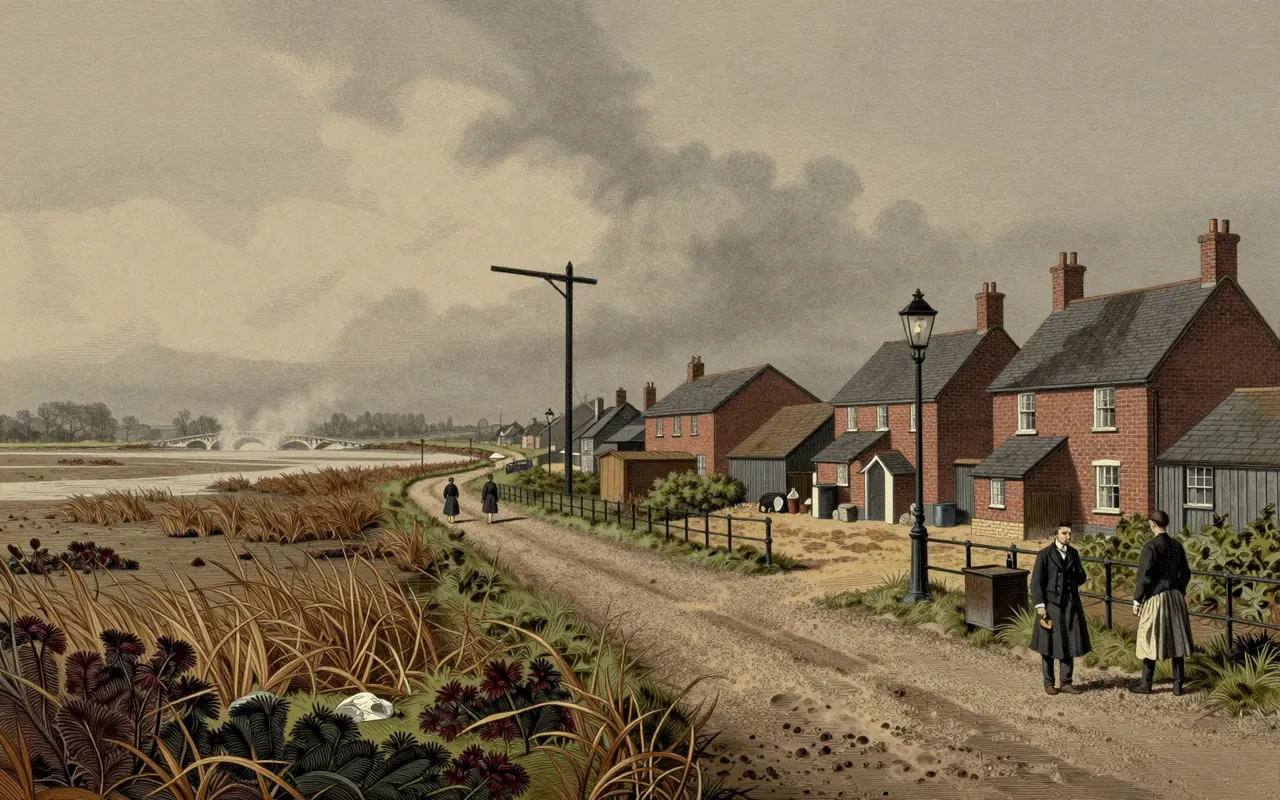
Tolstoy's 1878 novel follows multiple lives in Russian society—the affair between Anna Afremova and Count Vronsky, alongside Levin's marriage and search for meaning through farming. The book argues that domestic life is not private. Who you are is determined by the society around you, and defying it has a cost.
Tolstoy opens with his famous line: all happy families resemble one another. Society's rules govern who can be happy and how.
2:45
Anna chooses desire
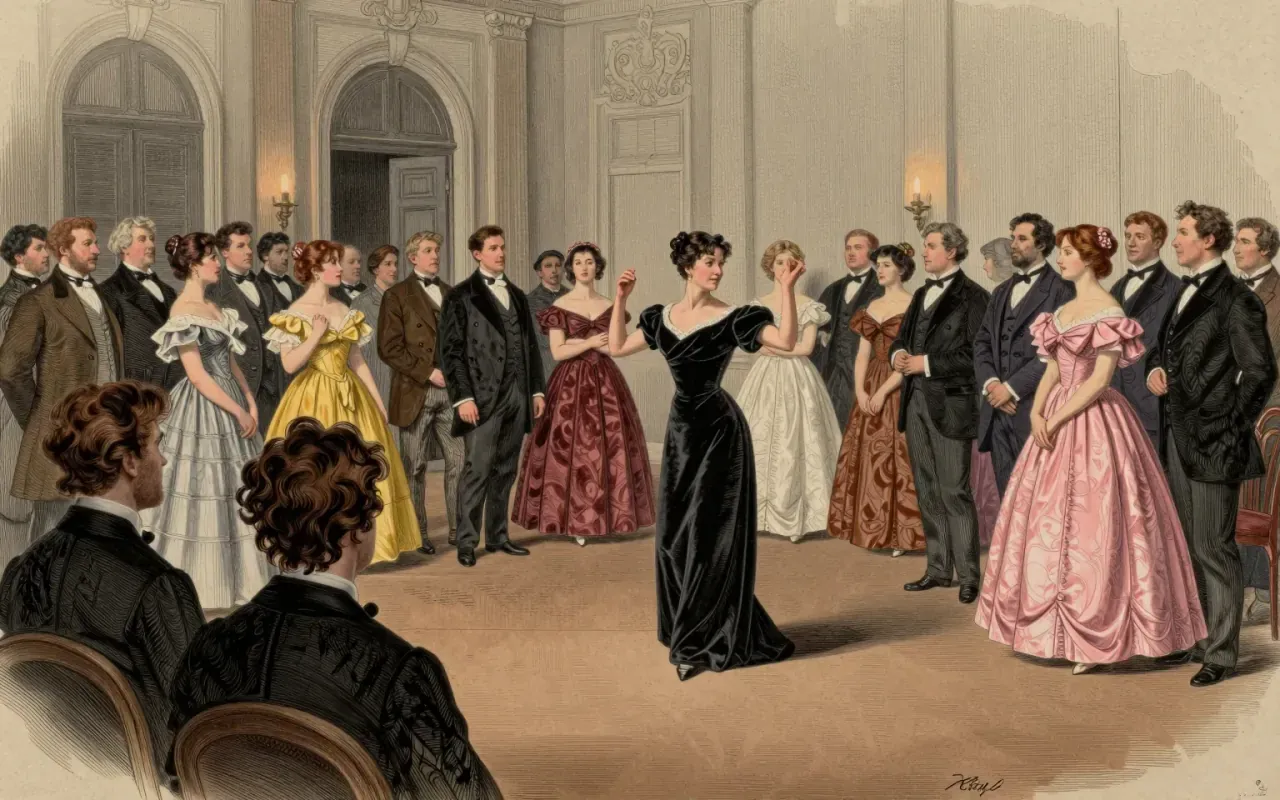
Anna runs away with Vronsky. The affair is not secret—it is public defiance.
5:30
The cost of breaking the rules
Society punishes Anna for betraying her husband. Women who break ranks are cast out; men are forgiven.
8:00
Another path
While Anna's story is tragic, Levin's path shows another way: building a life through work, family, and faith.
Worth your time?
Selectively. Start with the brief, then read the parts we point at.
4.5/ 5
What works
The psychological depth is precision-rendered into every character
The interconnected narratives; Anna's and Levin's stories comment on each other
Tolstoy shows exactly how social pressure works, not through editorializing but through showing
The scale; a novel this long can hold contradictions and the complexity of a whole society
What does not
It is very long and uses that length inefficiently; significant sections are genuinely slow
The philosophical digressions, especially with Levin, feel like authorial commentary rather than narrative
The ending divides readers; some find it redemptive, others find it didactic
Read it if
Readers who want to understand how social pressure shapes individual choice
Anyone interested in how 19th-century Russian society actually worked
People who have time for a long, psychologically complex narrative
Skip it if
Readers who need fast-moving plots over introspection
People who find philosophical digressions tedious
The written brief1 min read
What the book is
Tolstoy’s 1878 novel of Russian society during the transition from rural to modern life. It follows Anna Afremova, who abandons her marriage for a passionate affair; Levin, a landowner searching for meaning; and the web of connections that bind them—a complete picture of a whole society.
Is it worth your time
Selectively. If you have time for a long book and want to understand how society constrains individual choice, yes. If you need something faster or lighter, skip it. Read the brief first; if it moves you, commit the time.