booksbriefs
13:42in productionCh. 1 · The first hunger/ 13:42 · ceiling 15 min
Literary fiction

Barren Ground

Ellen Anderson Gholson Glasgow · 1925 · 519 pages → 13 min 42 s

Love is a luxury the land denies. Glasgow gives Dorinda Oakley endurance instead—and calls it victory.

Barren Ground rejects romantic redemption. It follows Dorinda Oakley from betrayed youth to stoic middle age, arguing that endurance—not love—is the land’s only reward. The book’s power lies in its refusal of catharsis: Jason’s ruin is physical erasure, not tragedy; Dorinda’s grief is for love she never had, not love she lost.

Chapters & takeaways5
  1. 0:44
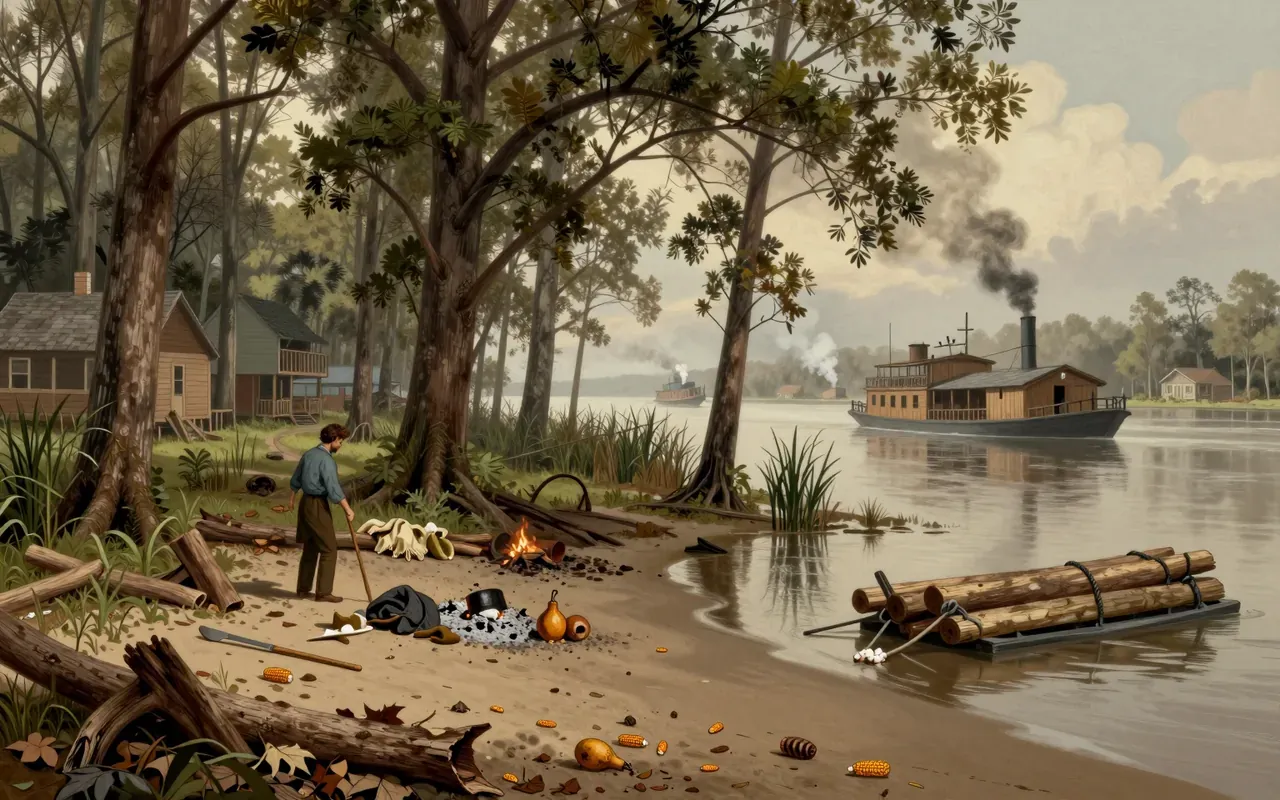
    The first hunger

    Dorinda’s awakening desire is vivid and physical—but the land and her family’s piety treat it as dangerous excess.

  2. 3:16
    The ruin of Jason Greylock

    Jason’s betrayal isn’t tragic—it’s cowardly. His marriage to Geneva Ellgood shatters Dorinda not with grief but with revulsion.

  3. 5:14
    The poorhouse as truth

    The poorhouse is the novel’s moral centre: a sun-bleached skeleton where identity dissolves, and Dorinda’s horror of it outweighs her hatred of Jason.

  4. 8:06
    The end of expectancy

    Her grief is not for Jason but for the love she never had—and the crushing futility of all things is maturity’s worst burden.

  5. 9:40
    Mother love as ruin

    Mother love destroys as surely as it sustains: Mrs. Oakley’s sacrifice hollows Rufus and unravels her own mind.

Worth your time?

Selectively. Start with the brief, then read the parts we point at.

4/ 5
What works
  • Dorinda’s voice is sharp, sardonic, and physically precise—her awareness of her own body anchors every scene.
  • The poorhouse description crystallises the novel’s moral vision in one image.
  • Her final choice—to give the farms to John Abner and embrace quiet fortitude—lands with absolute, unadorned weight.
What does not
  • It reduces Black tenant farmers to loyal dependents without interiority or agency.
  • It states Dorinda’s numbness without dramatising its psychological texture.
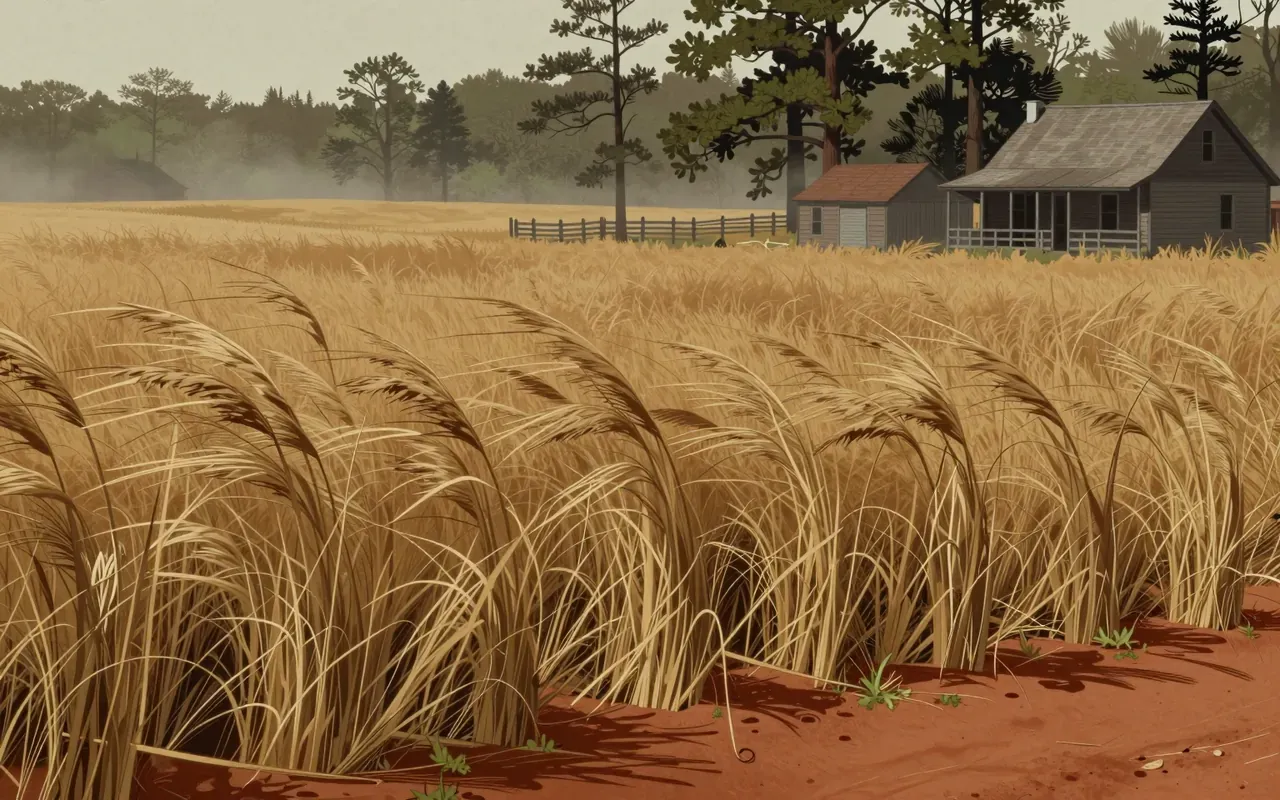
  • The broomsedge prophecy feels tacked on, unearned by the novel’s logic.
Read it if
  • Readers who want a clear-eyed, unsentimental portrait of female self-reliance in the early twentieth-century South.
  • Those interested in how land, class, and gender constrain agency without resorting to allegory.
  • Anyone who values endings that offer fortitude, not closure.
Skip it if
  • Readers seeking psychological depth in secondary characters like Rufus or Mirandy Moody.
  • Those who require moral clarity: Dorinda’s compassion for Jason is rooted in horror of the poorhouse, not empathy.
  • Readers who expect racial complexity beyond the novel’s pragmatic, surface-level depiction of Black tenant farmers.
The written brief2 min read

What the book is

A 1925 literary fiction novel set in post-Reconstruction Virginia, following Dorinda Oakley from passionate youth to stoic middle age. It traces her rejection of romantic love after betrayal, her solitary rebuilding of Old Farm, and her reluctant care for the ruined Jason Greylock in his final months.

The main ideas

The land is indifferent, not symbolic—it shapes character through material constraint, not metaphor. Dorinda’s marriage to Nathan is a tactical surrender, not a compromise. Jason’s dissolution in the poorhouse confirms that moral failure is physical erasure, not tragedy. Mother love ruins as surely as it redeems: Mrs. Oakley’s sacrifice hollows Rufus and collapses her own mind.

What works

Dorinda’s voice is sharp, sardonic, and physically precise—her awareness of her own body anchors every scene. The poorhouse description (‘sun-bleached skeleton… buzzards had picked clean’) crystallises the novel’s moral vision in one image. Her final choice—to give the farms to John Abner and embrace quiet fortitude—lands with absolute, unadorned weight.

What does not

It fails to reckon with race beyond transactional pragmatism: Black tenant farmers appear as loyal dependents, not agents with their own claims on land or dignity. It repeats Dorinda’s numbness without probing its psychological texture—her dissociation is stated, not dramatised. The broomsedge prophecy feels tacked on, unearned by the novel’s otherwise unsentimental logic.

The themes

The novel centres on barrenness as both ecological condition and emotional fact—not infertility alone, but the exhaustion of expectation. It treats the poorhouse as the South’s true moral landmark, not the plantation or church. It insists that maturity’s heaviest burden is not grief, but the futility of all things—the end of expectancy.

Who should read it

Readers who want a clear-eyed, unsentimental portrait of female self-reliance in the early twentieth-century South. Those interested in how land, class, and gender constrain agency without resorting to allegory. Anyone who values endings that offer fortitude, not closure.

Who should not

Readers seeking psychological depth in secondary characters—Rufus, Geneva Ellgood, and Mirandy Moody remain functional, not realised. Those who require moral clarity: Dorinda’s compassion for Jason is rooted in horror of the poorhouse, not empathy. Readers who expect racial complexity beyond the novel’s pragmatic, surface-level depiction of Black tenant farmers.

The assessment

Barren Ground argues that love is a luxury the land denies, and that endurance—not redemption—is the only virtue it rewards. It shows Dorinda Oakley’s transformation from a girl starved for emotional reality into a woman who outlives love, hatred, and even sorrow. The book’s final revelation—that her deepest loss is not Jason but the love she never possessed—refuses consolation and rejects the sentimental arc of Southern womanhood.

Is it worth your time

Selectively. Read chapters [4] to [7] for the novel’s core argument about endurance and futility. Skip the broomsedge prophecy and the early romantic passages—they dilute the book’s austere power.
Same shelf · Literary fiction4 of 49
13:56
Adventures of Huckleberry FinnMark Twain · 0The book argues that moral clarity emerges from direct human contact, not society’s rules—and that Southern 'civilization' is a fraud sustained by violence and self-deception. It does this through Huck’s choices: faking his death, choosing Jim over religion, and rejecting adoption. Tom’s elaborate rescue is exposed as cruel theatre. Read Chapters I–XVI and XXX–XLII. Skip Chapter XL.
14:38
The Adventures of Tom Sawyer, CompleteMark Twain · 1910Twain’s 1876 novel treats childhood as a site of real moral risk—not innocence, not corruption, but constant negotiation. Tom’s fence-whitewashing, blood oath, courtroom testimony and cave ordeal are not adventures but ethical trials. The book works best in its sharpest scenes: Ch. II, XX, XXXI and XXXIII. Skip the editor’s introduction and the slower interludes.
16:43
The Awakening, and Selected Short StoriesKate Chopin · 0Chopin’s 1899 novel argues that self-ownership is lethal for women in patriarchal society—and shows it through Edna Pontellier’s physical, irreversible awakening and drowning. The selected stories reinforce this with figures who cross thresholds (La Folle), cling to ruins (Ma’ame Pélagie), or lose identity to war (Edmond). Skip the editor’s introduction. Read the novel straight through, then 'La Folle' and 'The Locket'.
12:46
Bleak HouseCharles Dickens · 0Bleak House is a forensic satire of the Court of Chancery, using the decades-long Jarndyce suit to show how bureaucracy consumes lives. Esther Summerson’s narration grounds its moral force, while Lady Dedlock’s death in snow delivers its final indictment. Skip the preface and the Krook estate subplot—they weaken the argument.
Up next in Books

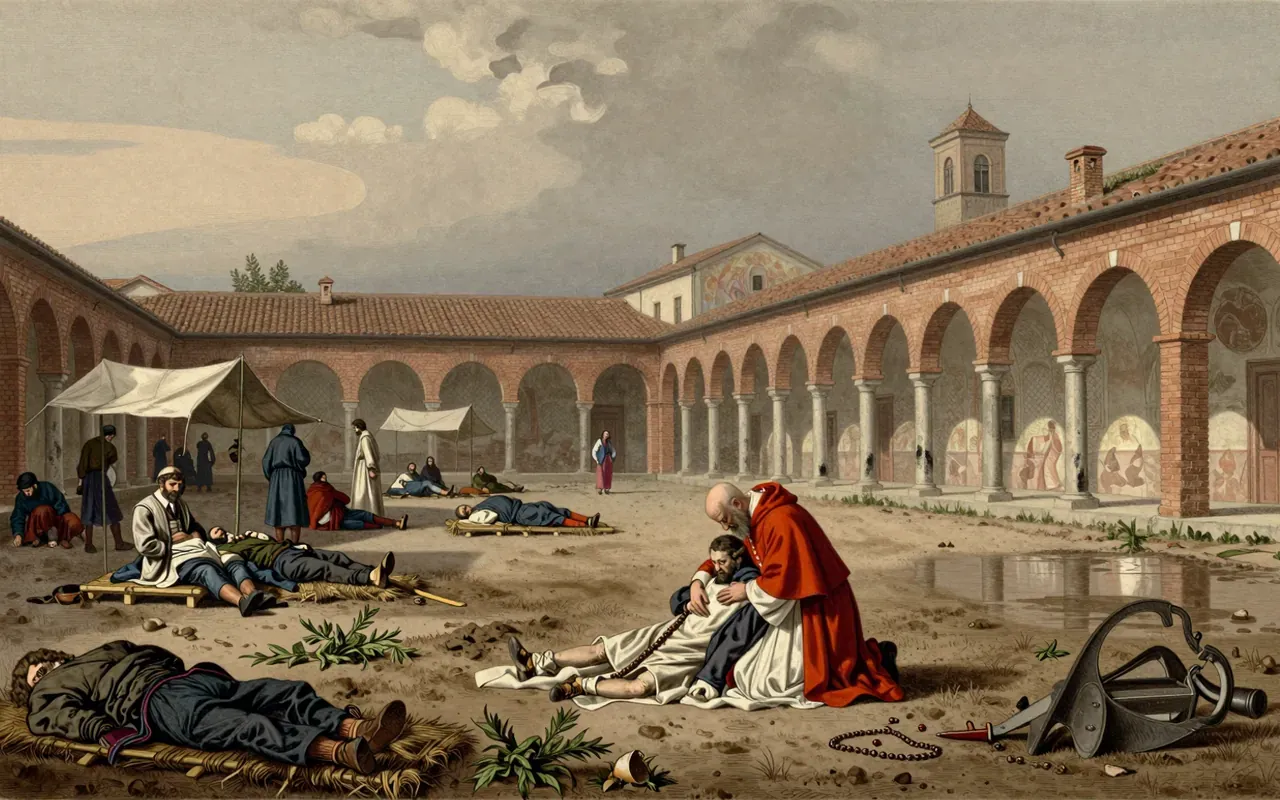
The Betrothed

Alessandro Manzoni · 1800 · 14:28

Grace arrives not in churches but in mud, rain, and a cardinal’s embrace—and the plague is God’s broom.

14:28