booksbriefs
16:19in productionCh. 1 · The gold's false light/ 16:19 · ceiling 15 min
Literary fiction

Silas Marner

Redemption isn’t found in churches or courts—it’s woven, stitch by stitch, in the life you build with someone else’s child.

Silas Marner argues that moral restoration comes from daily care—not divine justice or social approval. It works best when showing how Eppie transforms Silas’s isolation into community, and worst when retreating into Nancy’s fatalism or Silas’s unresolved past. Skip Chapter XVII and the Lantern Yard flashback’s second half.

Chapters & takeaways6
  1. 0:47
    The gold's false light

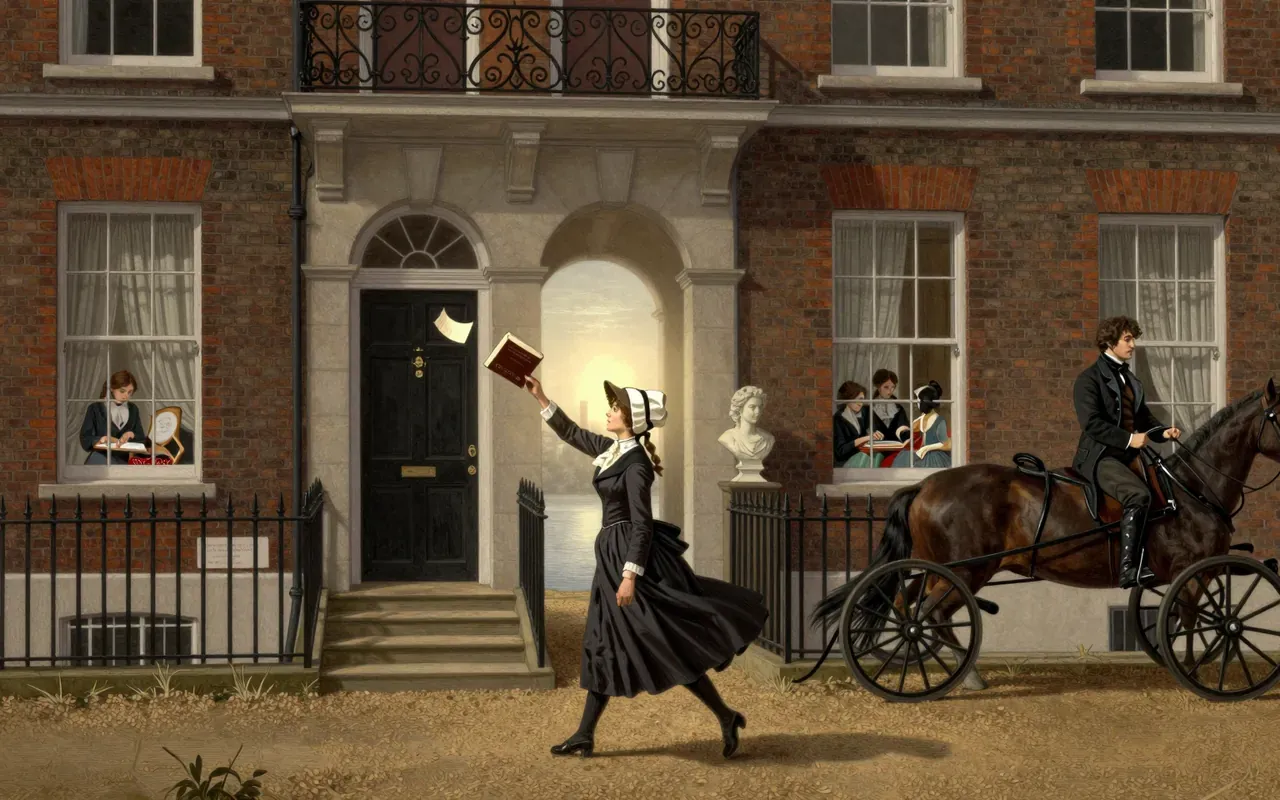
    Silas’s gold is a dead weight—his thoughts circle it endlessly, leading nowhere.

  2. 3:20
    Eppie's living light

    Eppie forces Silas’s thoughts forward, out of repetition and into time.

  3. 6:06
    The unpayable debt

    Godfrey’s confession doesn’t restore him—it only names the debt he can’t repay.

  4. 7:40
    Blood is not belonging

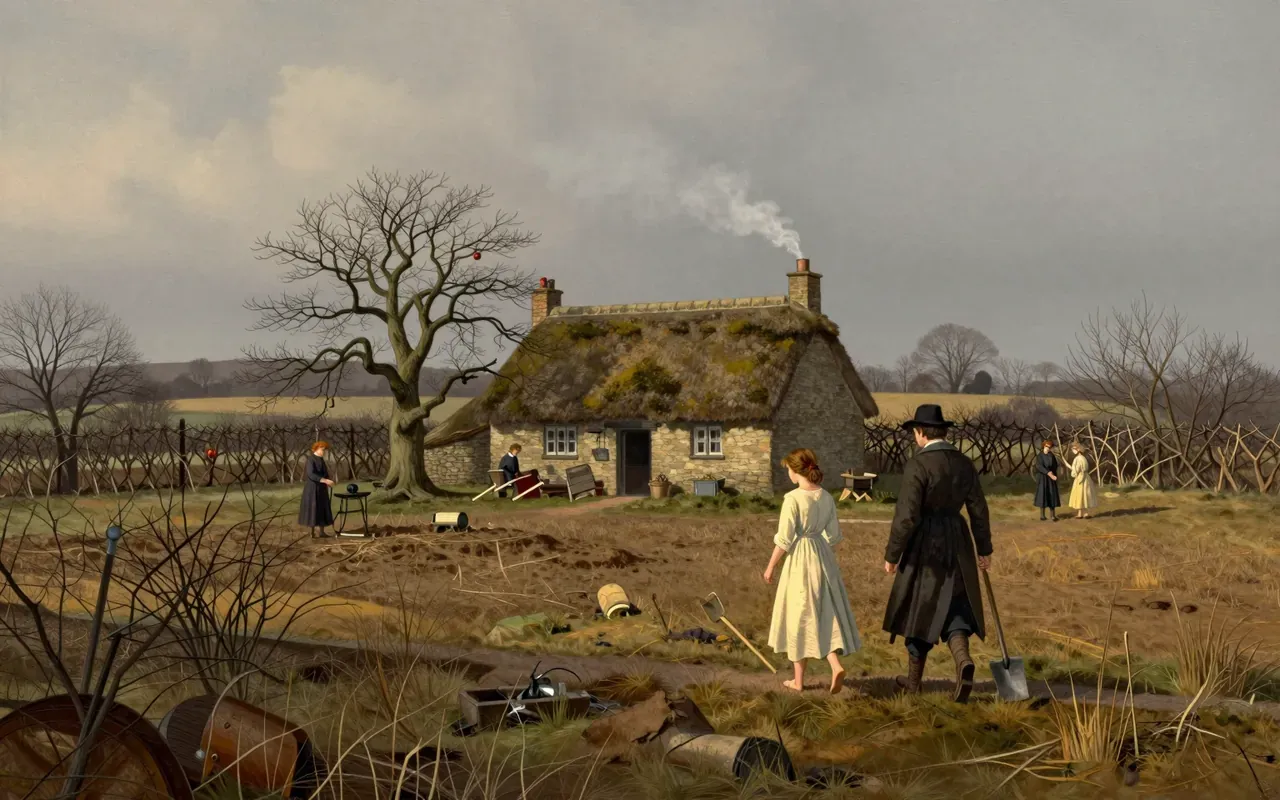
    Eppie refuses adoption because kinship is made in the Stone-pits, not declared at the Red House.

  5. 9:53
    The factory swallows the chapel

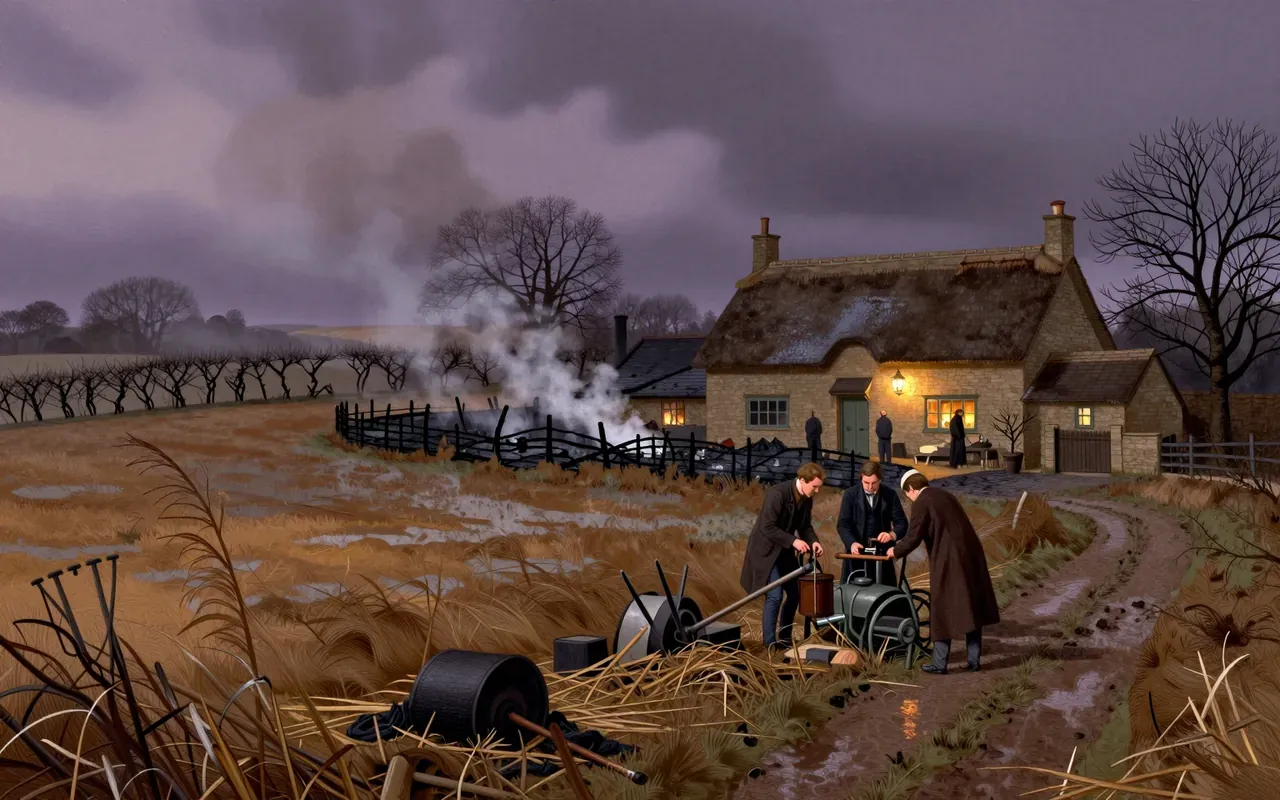
    Lantern Yard is gone—so Silas stops seeking vindication and trusts Eppie’s love instead.

  6. 11:48
    The parade through Raveloe

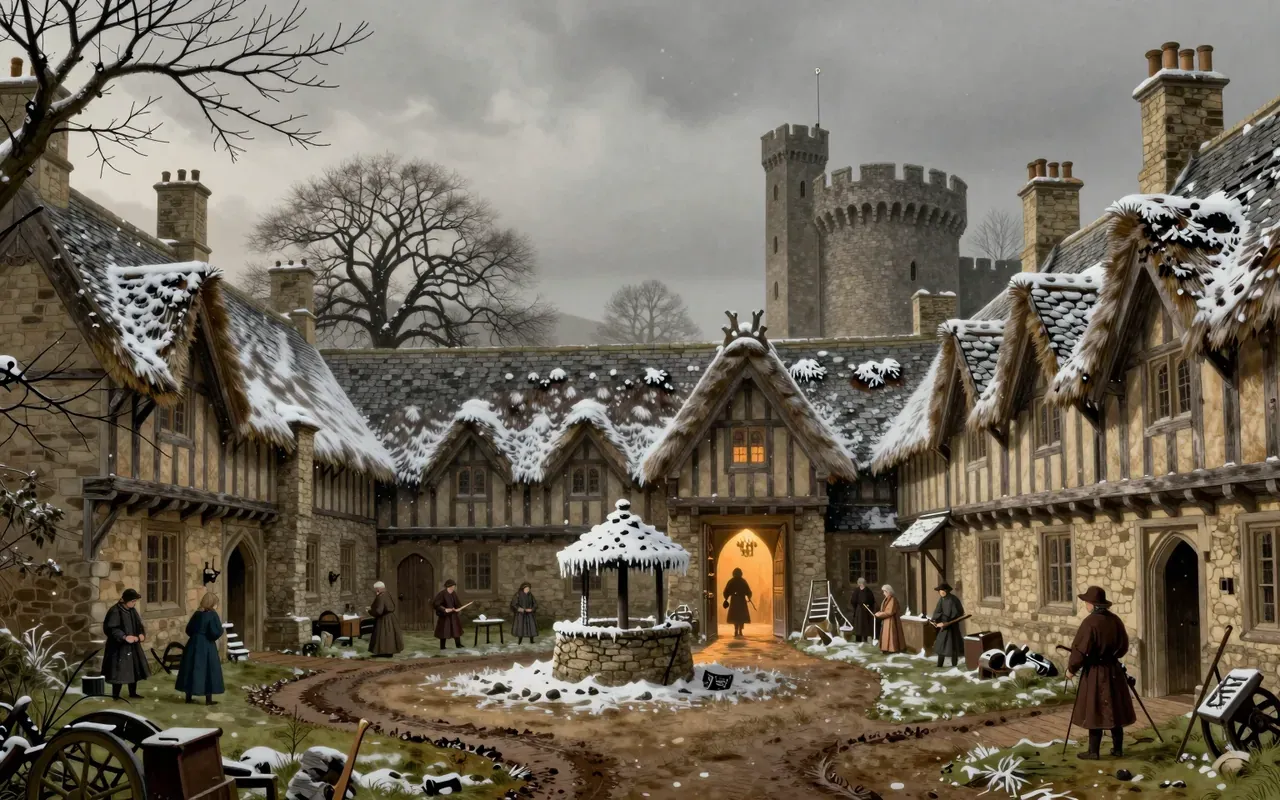
    The wedding procession through Raveloe proves Silas is no longer an outsider—he is now its patriarch.

Worth your time?

Yes. Read the whole thing.

4/ 5
What works
  • Eppie’s voice in Chapter XIX—'If it hadn’t been for you, they’d have taken me to the workhouse'—is irrefutable.
  • Silas’s final line—'I shall trusten till I die'—lands because it follows the factory’s smokestack swallowing Lantern Yard whole.
  • The Rainbow pub scenes ground the novel in communal texture, not abstraction.
What does not
  • The Lantern Yard flashback overextends with vague spiritual anxiety and no resolution.
  • Nancy’s interior monologue in Chapter XVII repeats the same justification without deepening it.
  • The village’s sudden collective goodwill at the end feels unearned—no villager changes their behaviour before the wedding procession passes the Rainbow.
Read it if
  • Readers who want a precise anatomy of moral cowardice and its cost—especially Godfrey’s sixteen years of evasion, ending in his quiet admission: 'There’s debts we can’t pay like money debts'.
Skip it if
  • Readers who need psychological realism: Silas’s breakdown is described but never dramatised; Molly Farren appears only as a corpse in snow; Dunstan is pure function, not character.
The written brief2 min read

What the book is

A Victorian realist novel set in Raveloe, published in 1861, about a weaver whose stolen gold is replaced by an orphaned child. Its structure hinges on two thefts: Dunstan’s robbery of Silas’s money, and Godfrey’s theft of Eppie’s childhood through silence.

The main ideas

The novel replaces theological certainty with relational fidelity: Silas’s gold is inert; Eppie is ‘an object compacted of changes and hopes’. Godfrey’s confession in Chapter XVIII does not redeem him—it only confirms his irreparable failure. Kinship is defined by the Stone-pits, not the Red House: Eppie wears a light white dress, walks between Silas and Aaron, and declares Silas is gaining a son—not losing a daughter.

What works

Eppie’s voice in Chapter XIX—‘If it hadn’t been for you, they’d have taken me to the workhouse’—is irrefutable. Silas’s final line—‘I shall trusten till I die’—lands because it follows the factory’s smokestack swallowing Lantern Yard whole. The Rainbow pub scenes ground the novel in communal texture, not abstraction.

What does not

The Lantern Yard flashback overextends with vague spiritual anxiety and no resolution. Nancy’s interior monologue in Chapter XVII repeats the same justification without deepening it. The village’s sudden collective goodwill at the end feels unearned—no villager changes their behaviour before the wedding procession passes the Rainbow.

The themes

The book turns on class, redemption through labour, and the sufficiency of human love against institutional erasure. Lantern Yard’s demolition in Chapter XXI is not nostalgia—it is proof that moral truth resides in present action, not recovered origins. The Stone-pits become a home only after Eppie chooses them, not because they are inherited.

Who should read it

Readers who want a precise anatomy of moral cowardice and its cost—especially Godfrey’s sixteen years of evasion, ending in his quiet admission: ‘There’s debts we can’t pay like money debts’.

Who should not

Readers who need psychological realism: Silas’s breakdown is described but never dramatised; Molly Farren appears only as a corpse in snow; Dunstan is pure function, not character.

The assessment

Silas Marner argues that moral restoration comes not from divine justice or social reintegration, but from embodied care—specifically, Silas’s daily labour of raising Eppie. It fails when it retreats into providential fatalism, as in Nancy’s Sunday reflection, where her rigid belief in ‘divine will’ justifies withholding love from Eppie. The book’s power lies in its refusal to let blood trump nurture: Eppie’s rejection of the Red House in Chapter XIX is the novel’s ethical centre.

Is it worth your time

Yes—if read straight through, skipping only Chapter XVII (Nancy’s Sunday reflection) and the Lantern Yard flashback’s second half (Ch. II–V). The moral architecture is tight: every scene either advances Silas’s reintegration or exposes Godfrey’s decay.

Same shelf · Literary fiction4 of 49
13:56
Adventures of Huckleberry FinnMark Twain · 0The book argues that moral clarity emerges from direct human contact, not society’s rules—and that Southern 'civilization' is a fraud sustained by violence and self-deception. It does this through Huck’s choices: faking his death, choosing Jim over religion, and rejecting adoption. Tom’s elaborate rescue is exposed as cruel theatre. Read Chapters I–XVI and XXX–XLII. Skip Chapter XL.
14:38
The Adventures of Tom Sawyer, CompleteMark Twain · 1910Twain’s 1876 novel treats childhood as a site of real moral risk—not innocence, not corruption, but constant negotiation. Tom’s fence-whitewashing, blood oath, courtroom testimony and cave ordeal are not adventures but ethical trials. The book works best in its sharpest scenes: Ch. II, XX, XXXI and XXXIII. Skip the editor’s introduction and the slower interludes.
16:43
The Awakening, and Selected Short StoriesKate Chopin · 0Chopin’s 1899 novel argues that self-ownership is lethal for women in patriarchal society—and shows it through Edna Pontellier’s physical, irreversible awakening and drowning. The selected stories reinforce this with figures who cross thresholds (La Folle), cling to ruins (Ma’ame Pélagie), or lose identity to war (Edmond). Skip the editor’s introduction. Read the novel straight through, then 'La Folle' and 'The Locket'.
13:42
Barren GroundEllen Anderson Gholson Glasgow · 1925Barren Ground rejects romantic redemption. It follows Dorinda Oakley from betrayed youth to stoic middle age, arguing that endurance—not love—is the land’s only reward. The book’s power lies in its refusal of catharsis: Jason’s ruin is physical erasure, not tragedy; Dorinda’s grief is for love she never had, not love she lost.
Up next in Books

Sir Gawain and the Green Knight

Jessie L. Weston · 0 · 14:54

Gawain’s flaw isn’t lust—it’s love of life. And that makes him human, not fallen.

14:54