Orwell's argument that totalitarian power corrupts absolutely, and those in power can remake truth itself.
Orwell's 1949 novel follows Winston Smith in a state where the party controls language, history, and thought. The brief covers the mechanics of totalitarian control, what Orwell gets right about power, and which parts of the book hold up.
Big Brother watches everything. The party controls the present, rewrites the past, and is rewriting language itself.
2:30
The machinery of control
Newspeak removes the words for dissent. Doublethink lets people hold contradictions. Surveillance makes resistance impossible.
4:45
Winston's rebellion
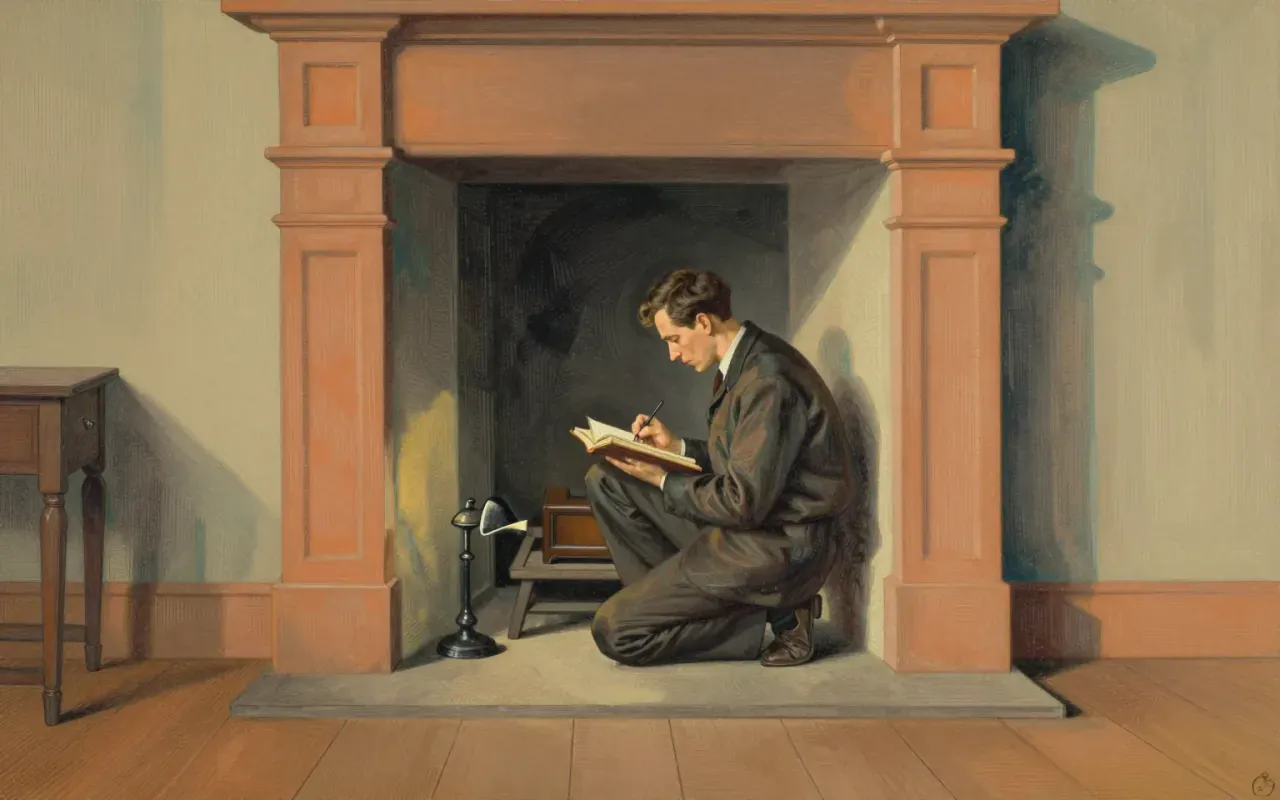
He writes in a diary, takes a lover, is seduced into false hope. The party was watching all along.
8:00
What Orwell gets right
The book shows how power can rewrite reality, and how ordinary people consent to their own erasure.
9:20
What hasn't aged well
The romance is underdeveloped. The appendix on Newspeak is a lecture. But the core idea endures.
Worth your time?
Yes. Read the whole thing.
4.5/ 5
What works
The mechanics of totalitarian control are explained clearly and systematically
The book predicted mass surveillance and information warfare
It is genuinely difficult to look away from
What does not
Offer any alternative to the totalitarian system it describes
Give the characters interior lives; they are functions of the plot
Read it if
Anyone who wants to understand how authoritarian systems consolidate power
Readers curious about the origin of modern dystopian fiction
People concerned about surveillance and information control
Skip it if
Readers who need hope or ambiguity in their endings
The written brief1 min read
What the book is
Orwell’s 1949 novel about Winston Smith, a low-ranking official in a totalitarian superstate, who attempts to escape Big Brother’s surveillance and control. Set in a world where the Party rewrites history, controls language, and watches everyone constantly.
Is it worth your time
Yes. Seven hours, and it will change how you think about power. Read it for the argument about totalitarianism, not for the characters or plot. The ending is bleak by design.