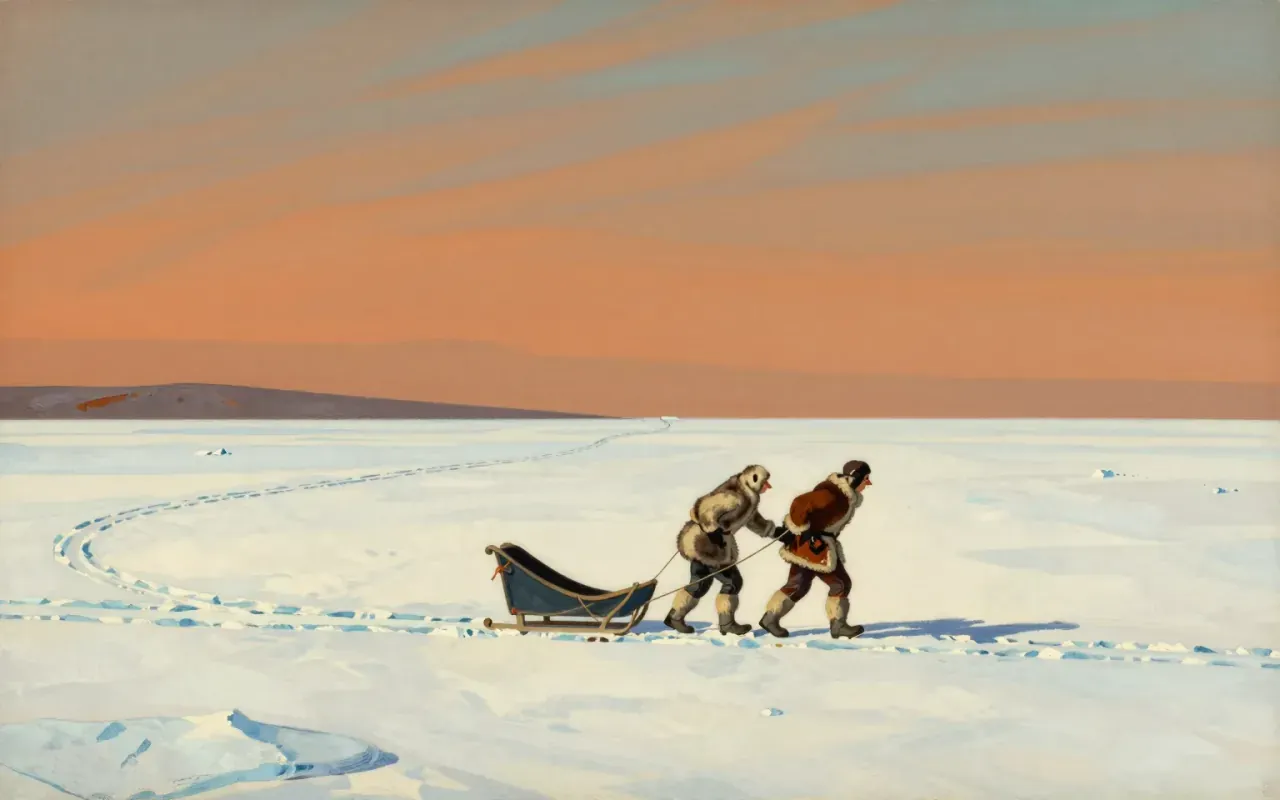
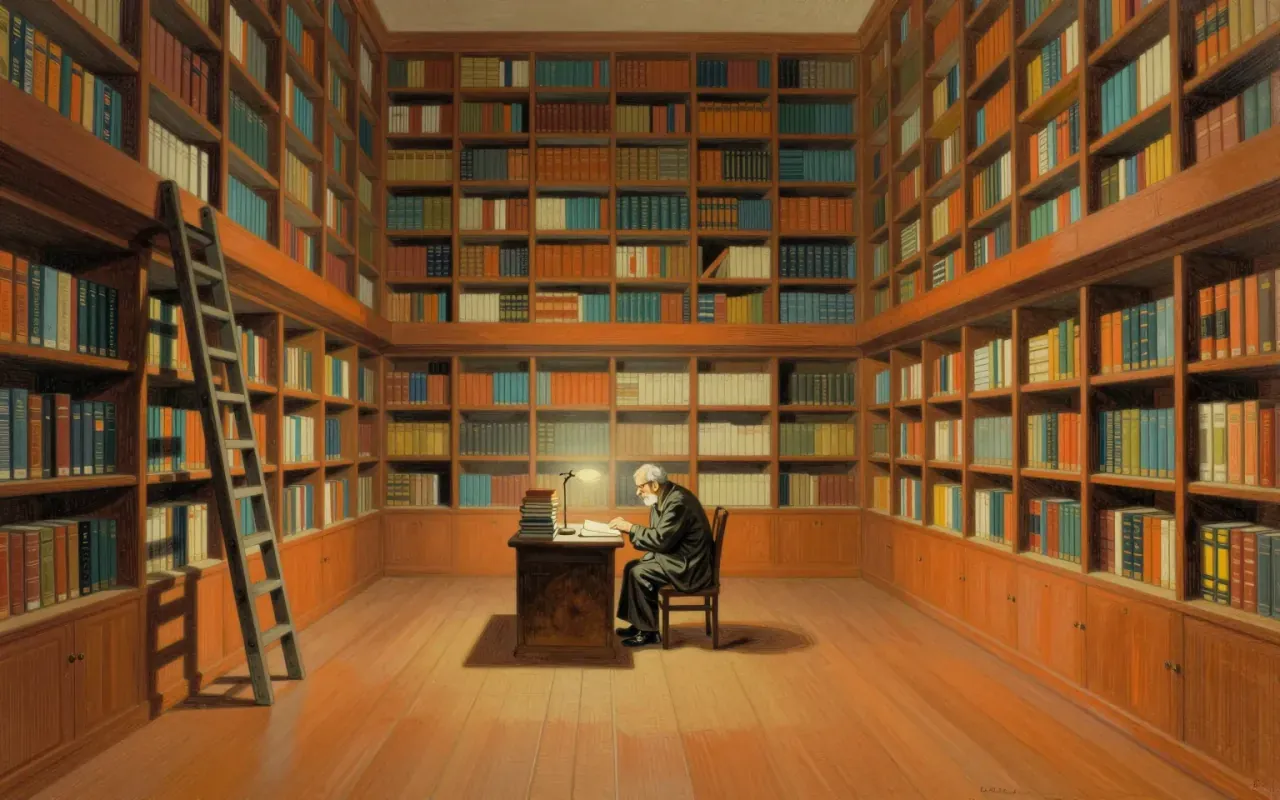
In a future where books are burned and independent thought is forbidden, a fireman discovers what he's been erasing.
Bradbury's 1953 novel follows a fireman in a totalitarian future who questions his role burning books. The brief traces Montag's awakening from enforcer to resister, examines what the book argues about censorship and conformity, and considers what it gets right and where it falters.
In this future, firemen burn books. Montag has never questioned it until a stranger asks him uncomfortable questions.
2:00
Meeting Clarisse
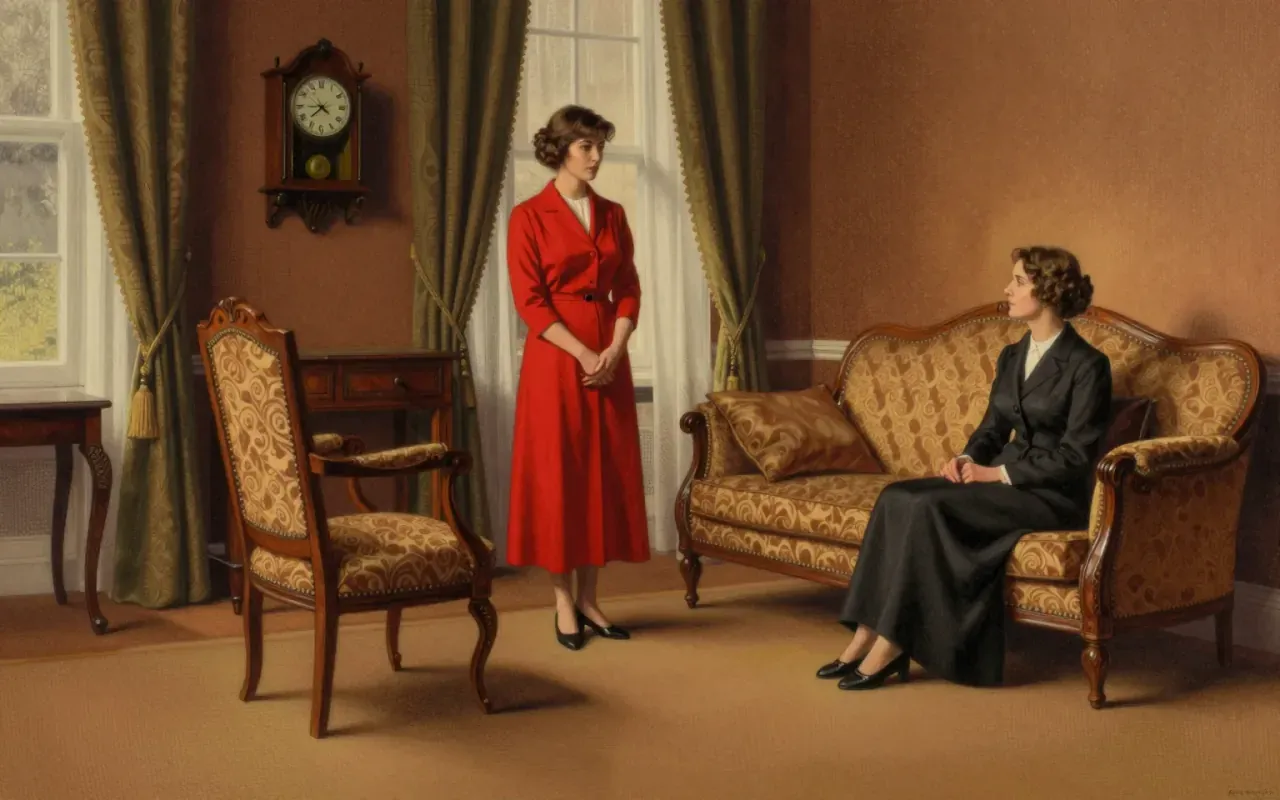
A teenage girl shows Montag there's another way to think. She reads. She asks questions. She makes him doubt.
4:15
The cost of books
Montag steals a book. His wife reports him. His boss orders him to burn his own house. He must choose which life to keep.
6:45
Burning and rebirth
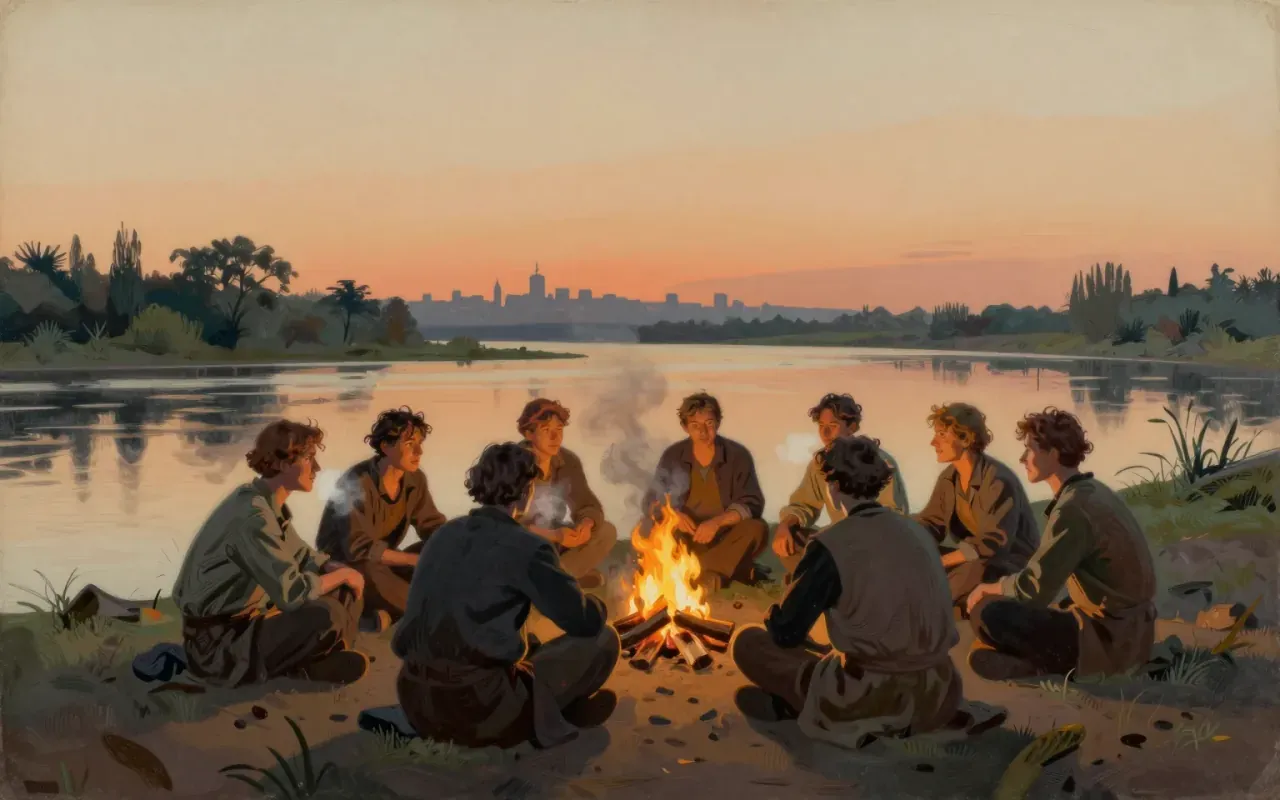
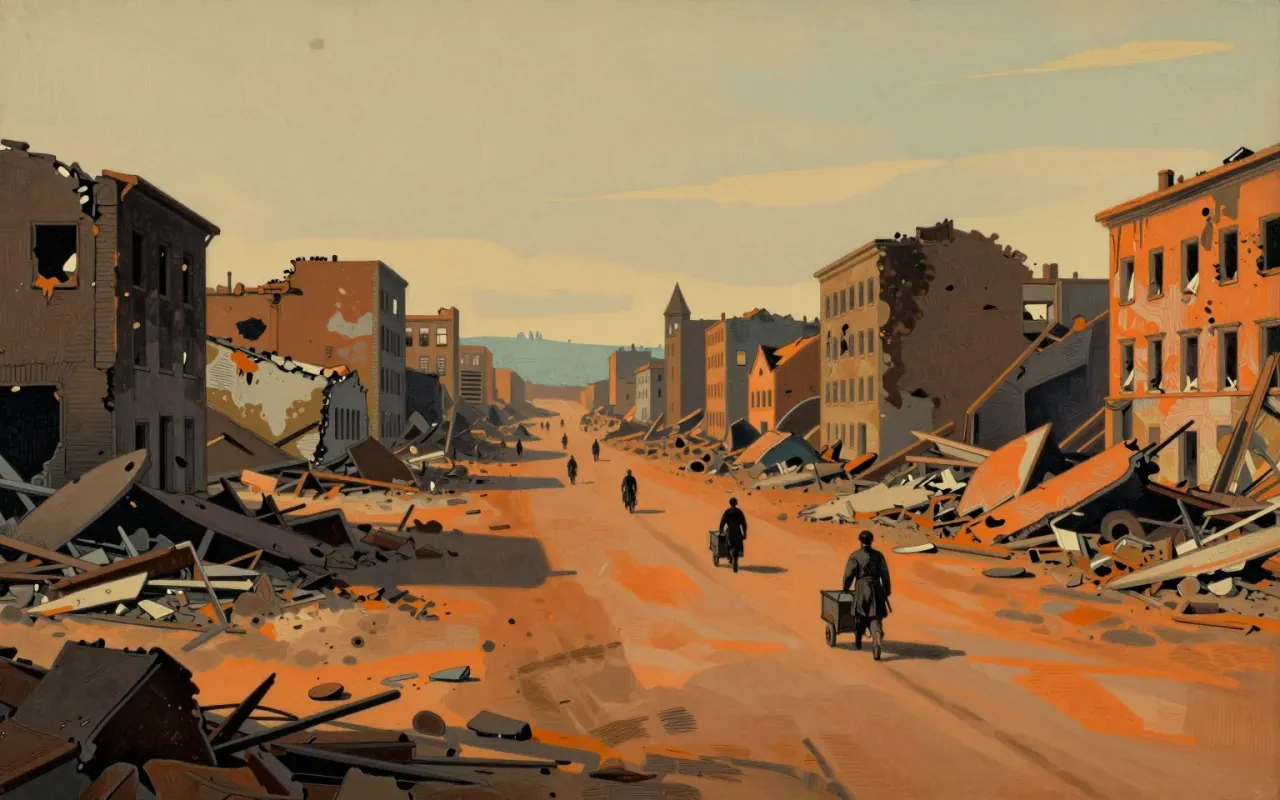
Montag burns his house, flees, and finds others who've memorized books to preserve them. The city destroys itself while he watches.
9:00
What it means
The ending offers no triumph, only survival. The book asks: Can a society learn from its ashes, or will it rebuild the same cage?
Worth your time?
Yes. Read the whole thing.
4.5/ 5
What works
The core premise is chilling and remains relevant
Montag's arc from complicity to resistance is visceral and compelling
The prose moves fast; it reads in an evening
What does not
The satire is often blunt rather than layered
The women in the book serve his journey, not their own
The ending raises more questions than it answers, which some find unsatisfying
Read it if
Anyone grappling with censorship, conformity, or the role of ideas in society
Readers of classic dystopian fiction
Anyone suspicious of easy comfort and mass distraction
Skip it if
Readers who need subtlety in their warnings about totalitarianism
Those looking for strong female characters
The written brief1 min read
What the book is
Bradbury’s 1953 novel set in an American future where books are illegal and firemen burn them on sight. The protagonist, Montag, is a fireman who has never questioned his role until he meets a free-thinking teenager and discovers what he’s erasing.
Is it worth your time
Yes. It is a brief and urgent argument for the power of ideas, dressed in the shape of a novel. The real subject is not the plot but the question: What does a society owe to thought?