1984
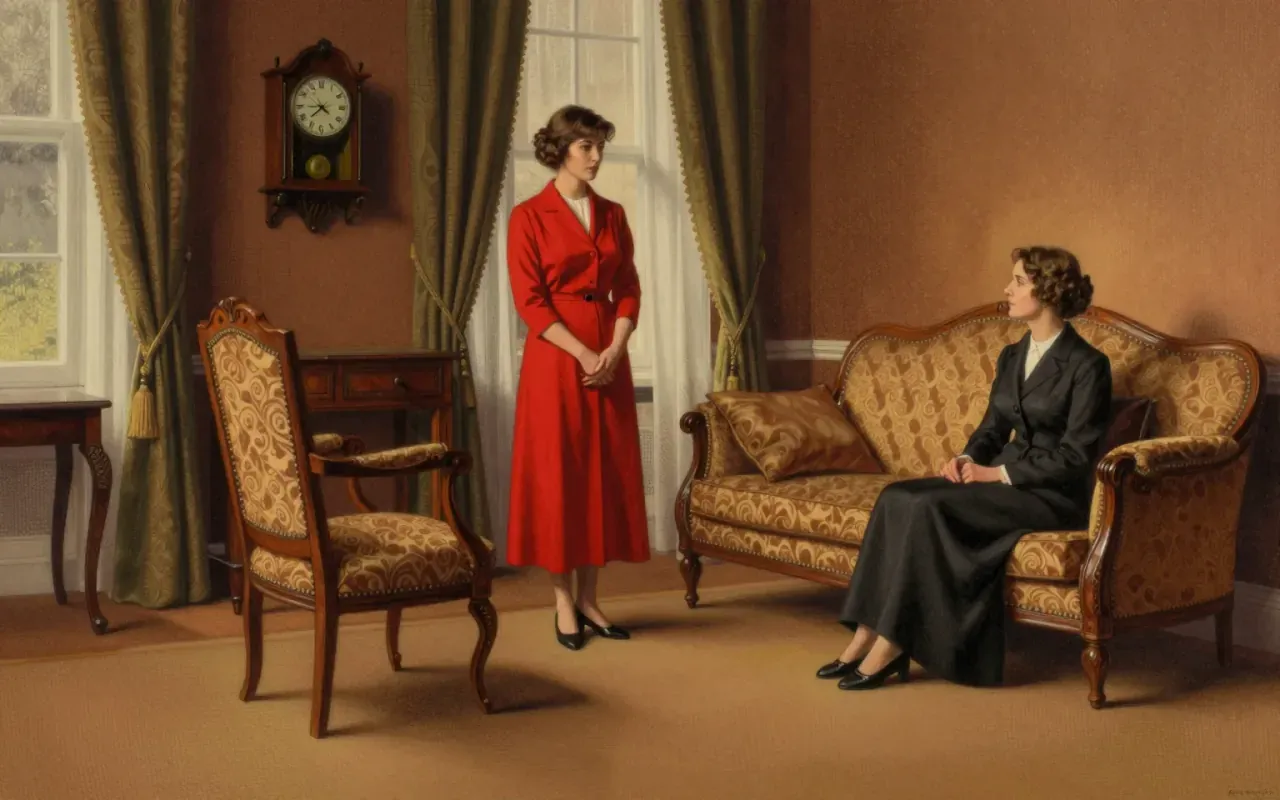
Orwell's 1949 novel follows Winston Smith in a state where the party controls language, history, and thought. The brief covers the mechanics of totalitarian control, what Orwell gets right about power, and which parts of the book hold up.
The future as a warning, usually about the present.

Orwell's 1949 novel follows Winston Smith in a state where the party controls language, history, and thought. The brief covers the mechanics of totalitarian control, what Orwell gets right about power, and which parts of the book hold up.

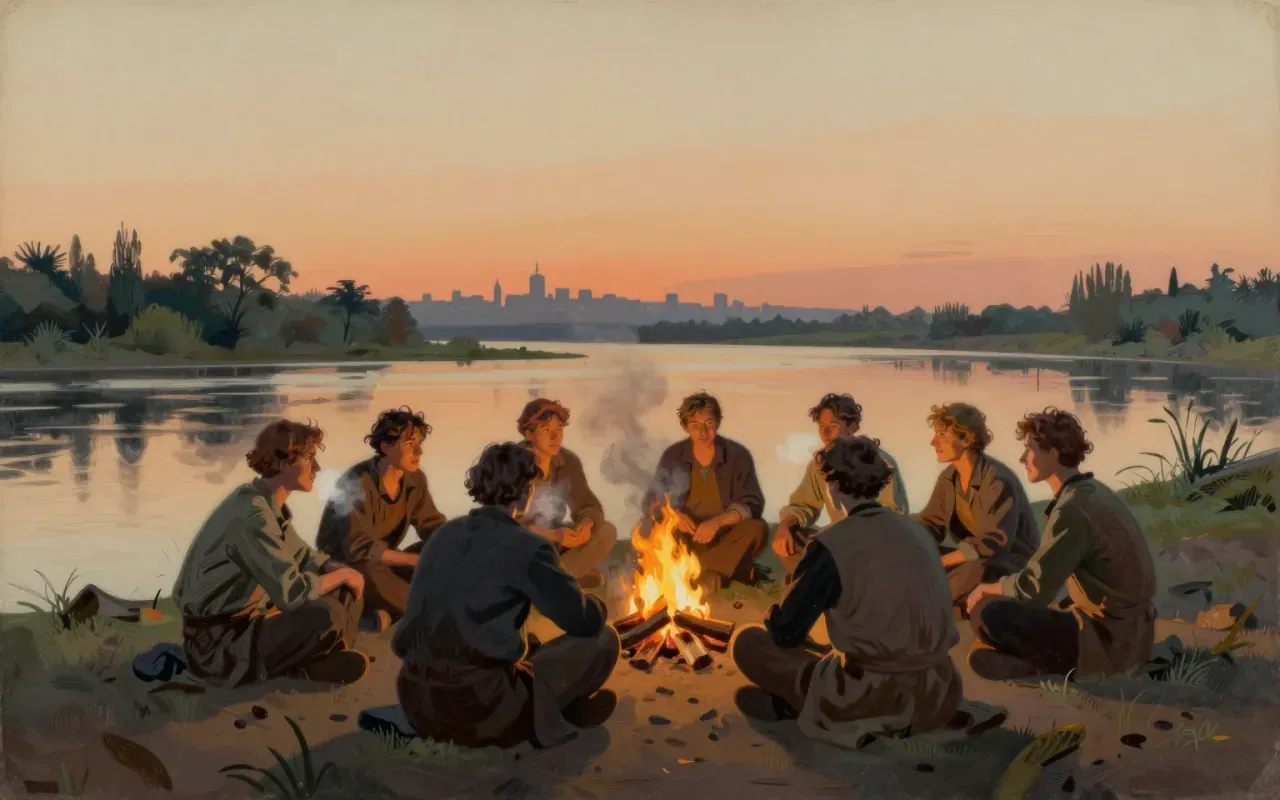
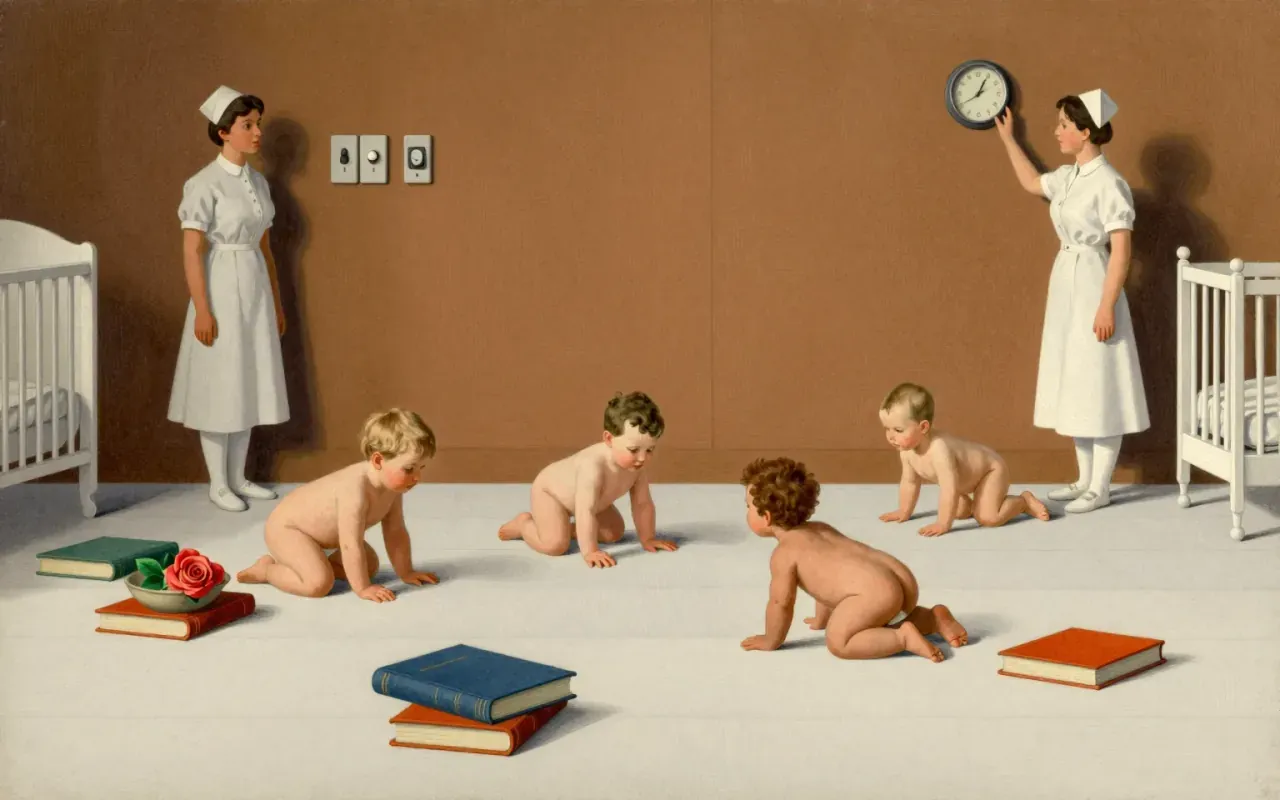
The 1932 novel describes a future where stability is engineered through biological castes, pleasure drugs, and psychological conditioning. It poses a question harder to refute than mere tyranny—what if contentment and freedom are irreconcilable?

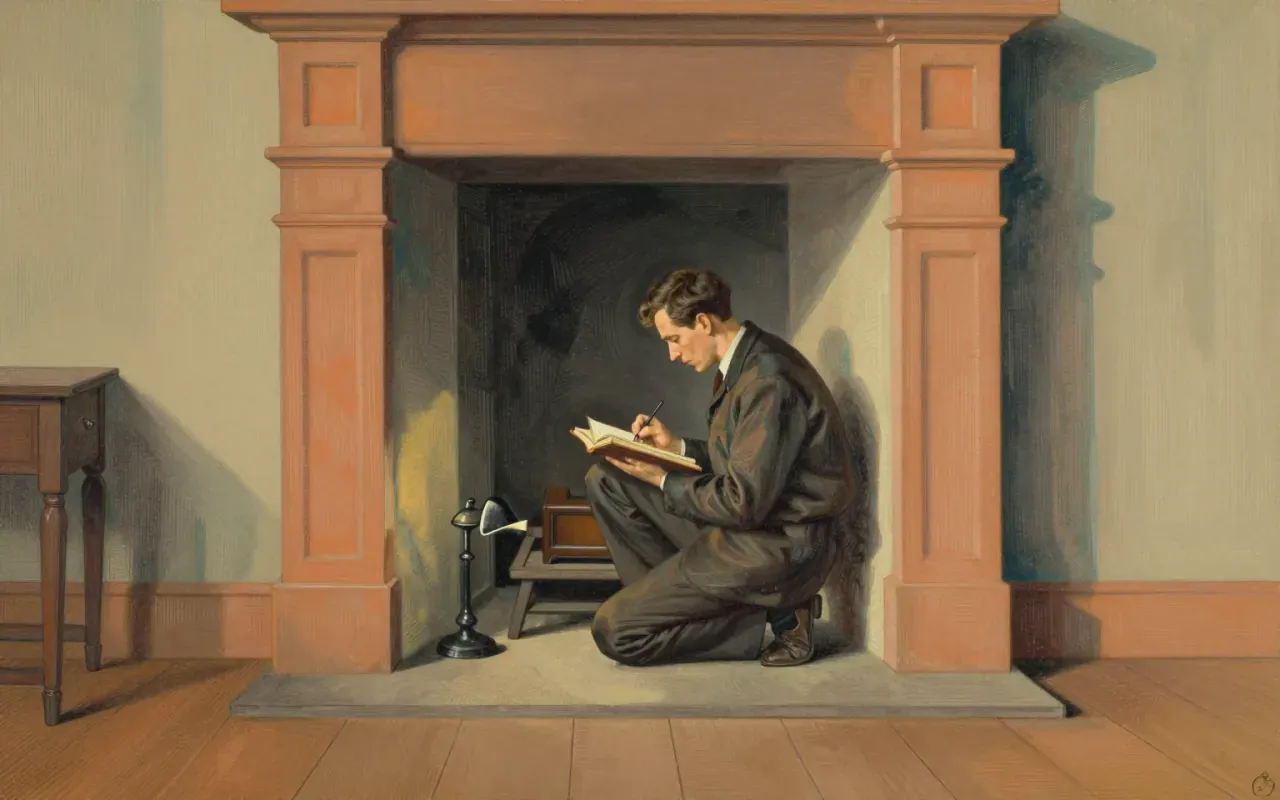
Bradbury's 1953 novel follows a fireman in a totalitarian future who questions his role burning books. The brief traces Montag's awakening from enforcer to resister, examines what the book argues about censorship and conformity, and considers what it gets right and where it falters.

Atwood's 1985 novel follows Offred, a handmaid in the Republic of Gilead, forced to bear children for state-sanctioned rulers. It is a precise anatomization of power, gender, and the small rebellions that survive totalitarianism.

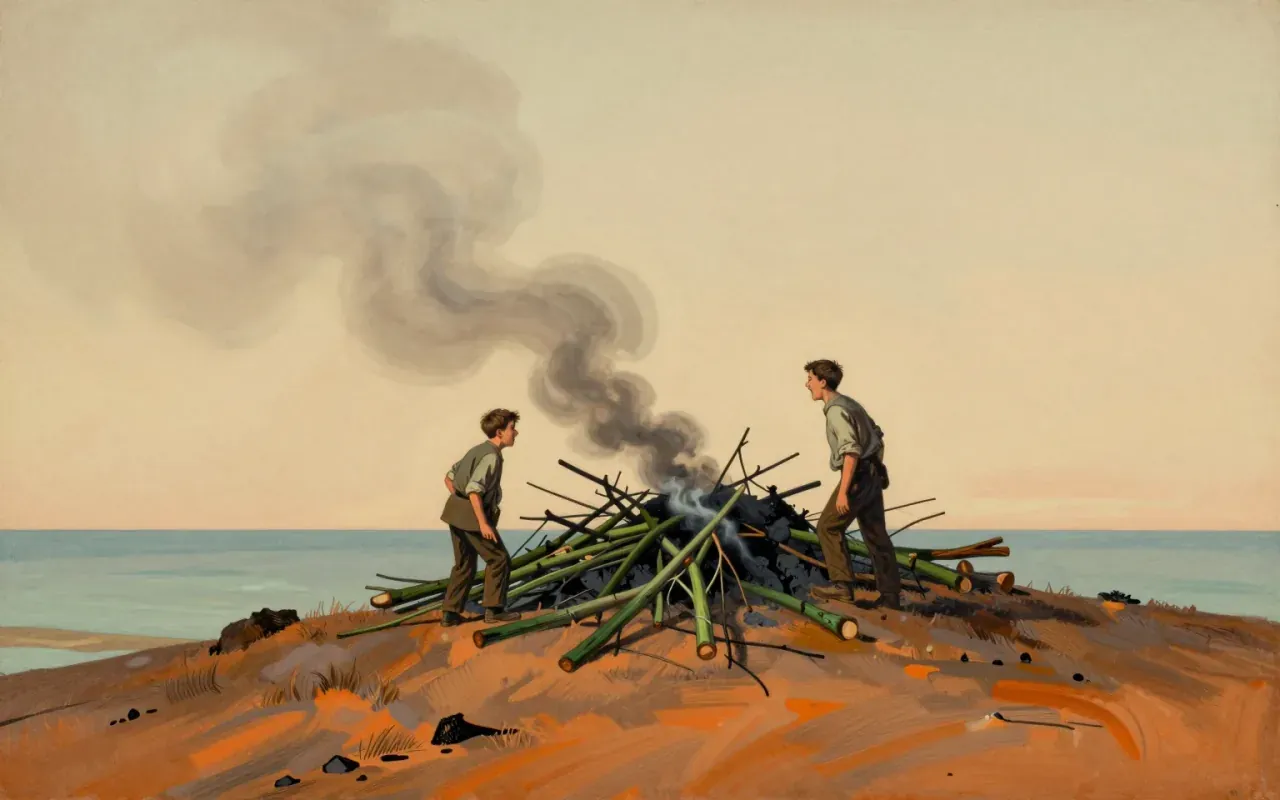
Golding's 1954 novel stages what happens when children are left to organize themselves. The surface reads as survival adventure. Below it is a sharp argument about how quickly order becomes tyranny and civilization masks brutality.