What the book is
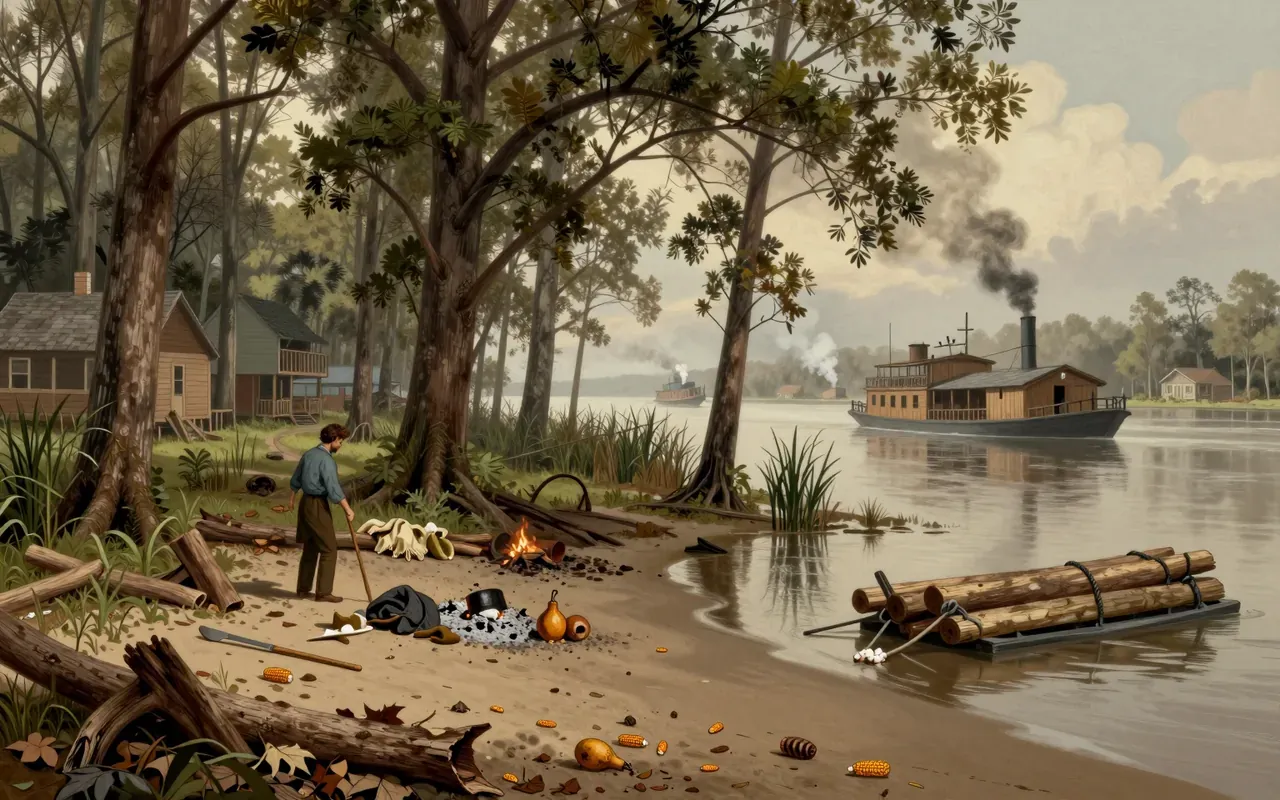
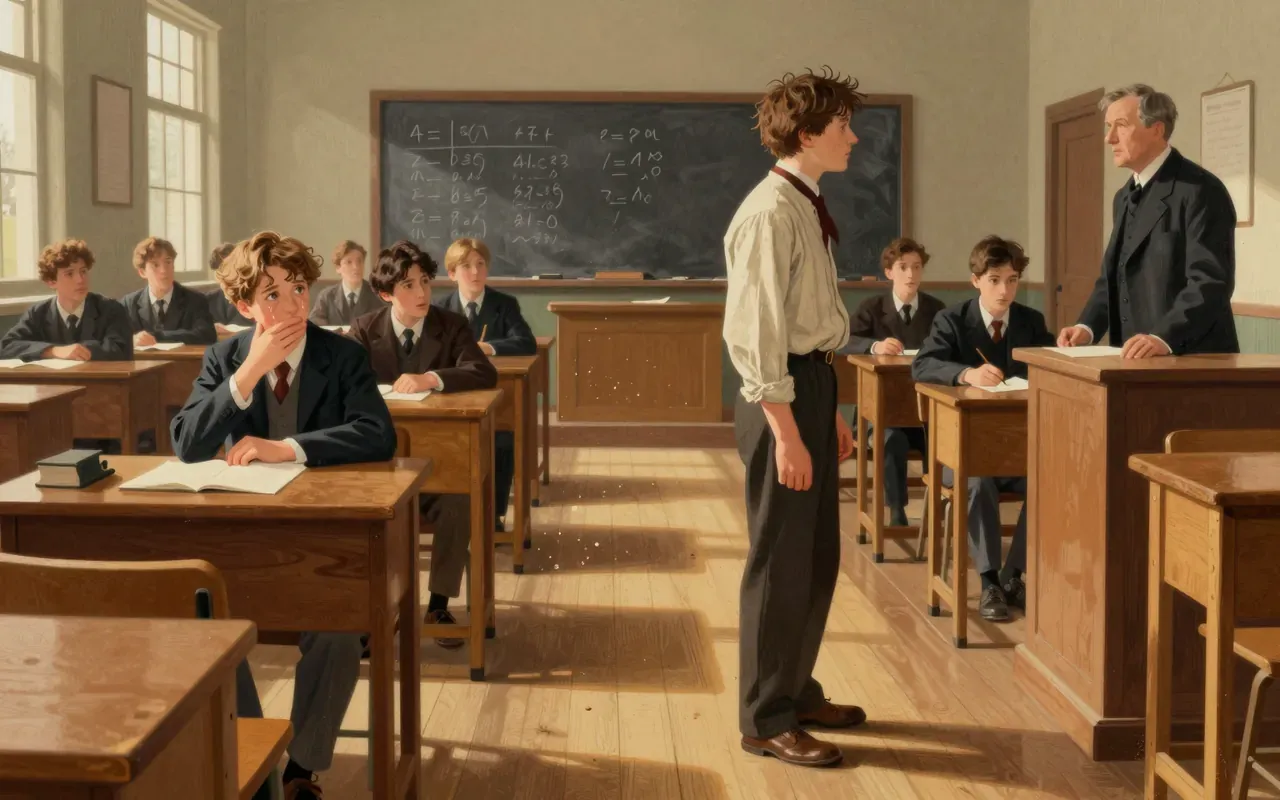
A 1876 novel set in the fictional Mississippi River town of St. Petersburg. It follows Tom Sawyer, aged twelve, across thirty-four chapters that track his schemes, moral failures, narrow escapes and slow, unguided growth. The story uses boyhood as a lens on American small-town life, hypocrisy and unspoken violence.
The main ideas
Tom’s fence-whitewashing is a masterclass in coercive persuasion. His blood oath with Huck and Joe Harper binds them to silence over a murder they witnessed. The pirate hoax reveals how easily the town constructs myth from absence. Tom’s testimony at Muff Potter’s trial breaks that oath—not out of virtue, but because Becky’s suffering forces his hand. The cave sequence strips away fantasy: no Robin Hood here, just exhaustion, bats and a starving man’s last gaze at light.
What works
The fence-whitewashing scene (Ch. II) is flawless social engineering in miniature. Tom’s false dream about returning from Jackson’s Island (Ch. XVII) exposes how adults prefer comforting lies to uncomfortable truths. His public confession for Becky’s crime (Ch. XX) lands with physical force—the whip, the silence, her eyes. The cave’s darkness (Ch. XXXI) is rendered with sensory precision: dwindling candles, limestone dust, the sound of dripping water.
What does not
It does not resolve Injun Joe’s fate with justice or reflection. His death is reported as spectacle, not consequence. The satire of Sunday school, church and civic pretension collapses into farce without structural critique. Huck’s resistance to civilisation is treated as comic relief, not political argument. The treasure’s sudden appearance undermines the earlier moral weight of risk and sacrifice.
The themes
Childhood is neither innocent nor corrupt—it is tactical, improvisational and morally porous. St. Petersburg’s institutions (church, school, law) perform order while failing to see violence, poverty or injustice. The cave is indifferent geography: it holds treasure, terror and corpses with equal neutrality. Wealth changes status but not character—Huck flees the widow’s house even after becoming rich.
Who should read it
Readers who want to see how moral development looks when it happens without guidance, ceremony or reward. Those interested in how American realism began by refusing to flatter its children—or its adults. Anyone studying narrative economy: every chapter advances plot, character or theme; nothing is atmospheric filler.
Who should not
Readers expecting psychological depth from Tom or Becky. Those seeking consistent moral clarity—the book gives Tom courage and cowardice in the same breath. Anyone allergic to dialect: Huck’s speech is rendered phonetically and unrevised, anchoring the text in its time and place.
The assessment
The book argues that childhood agency is real, dangerous and morally consequential. It shows Tom Sawyer navigating guilt, fear and loyalty in a world where adults are often blind or cruel. The graveyard murder, the blood oath, the cave entrapment and Injun Joe’s starvation are not set pieces but moral tests that shape the boys’ characters. Twain refuses to sentimentalise childhood: Tom lies, manipulates and fails repeatedly, yet grows through action, not instruction.
Is it worth your time
Yes—if you read it as Twain intended: as a boy’s-eye view of a society that claims to be orderly but runs on rumour, evasion and luck. Skip the editor’s introduction (not Twain’s text). Read Chapters II, X, XX, XXVI, XXXI, XXXIII and XXXIV straight through. The rest fills in, but these seven chapters contain the book’s spine.