booksbriefs
Topic

Realism

Showing it as it is, which is also a choice.

8
in books
14:21
average
115 min
in total
47
across the network
Realism across the network →
All briefs8
14:38

The Adventures of Tom Sawyer, Complete

Mark Twain · 1910

Twain’s 1876 novel treats childhood as a site of real moral risk—not innocence, not corruption, but constant negotiation. Tom’s fence-whitewashing, blood oath, courtroom testimony and cave ordeal are not adventures but ethical trials. The book works best in its sharpest scenes: Ch. II, XX, XXXI and XXXIII. Skip the editor’s introduction and the slower interludes.

16:43

The Awakening, and Selected Short Stories

Kate Chopin · 0

Chopin’s 1899 novel argues that self-ownership is lethal for women in patriarchal society—and shows it through Edna Pontellier’s physical, irreversible awakening and drowning. The selected stories reinforce this with figures who cross thresholds (La Folle), cling to ruins (Ma’ame Pélagie), or lose identity to war (Edmond). Skip the editor’s introduction. Read the novel straight through, then 'La Folle' and 'The Locket'.

13:55

Ghosts

Henrik Ibsen · 0

Ibsen’s Ghosts argues that inherited lies—not spirits—are the real ghosts. It shows how moral evasion destroys lives across generations. The brief explains why the Orphanage fire matters, what ‘ghosts’ actually mean, and why the ending refuses resolution.

13:46

Hedda Gabler

Henrik Ibsen · 0

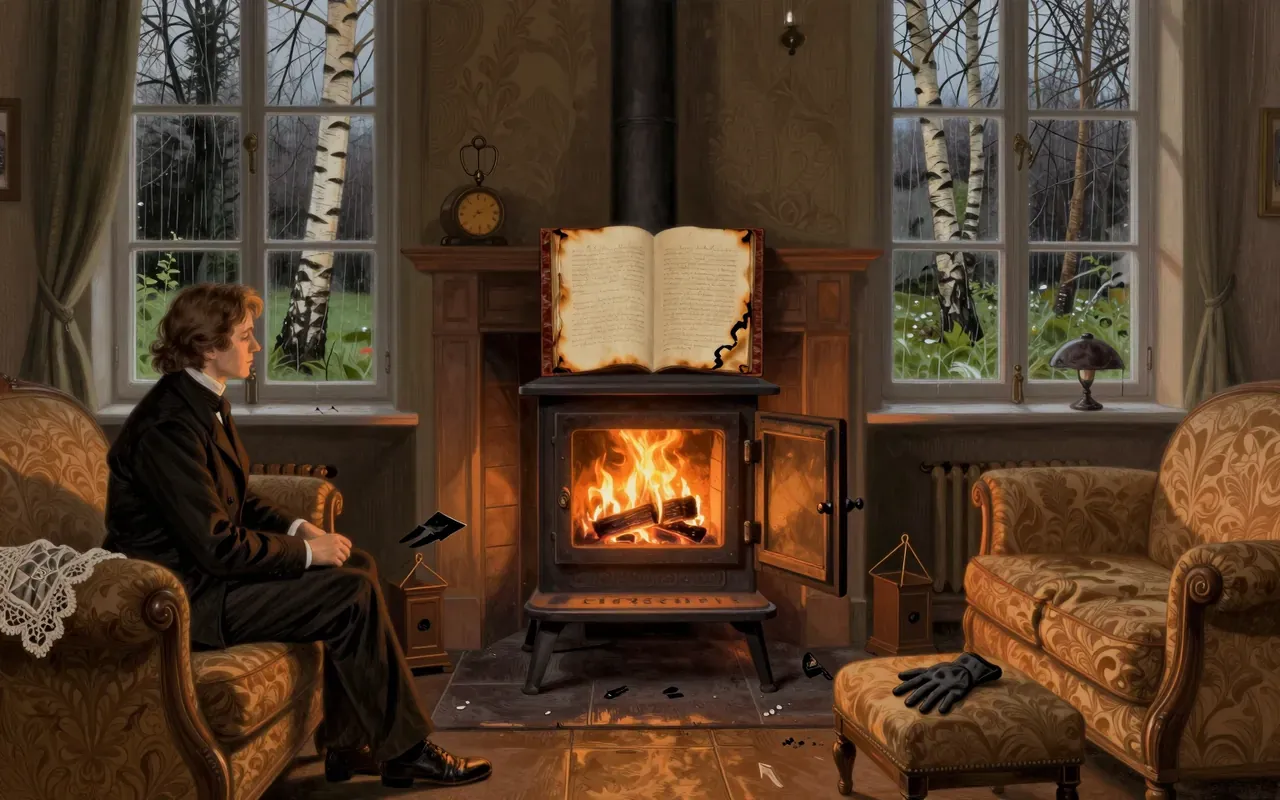
Hedda Gabler is a surgical study of female agency under constraint. It argues that for Hedda, destruction is the only form of authorship left. The brief explains why her final shot is not despair but design—and why the play refuses to forgive, explain, or release her.

14:23

The Maltese falcon

Dashiell Hammett · 0

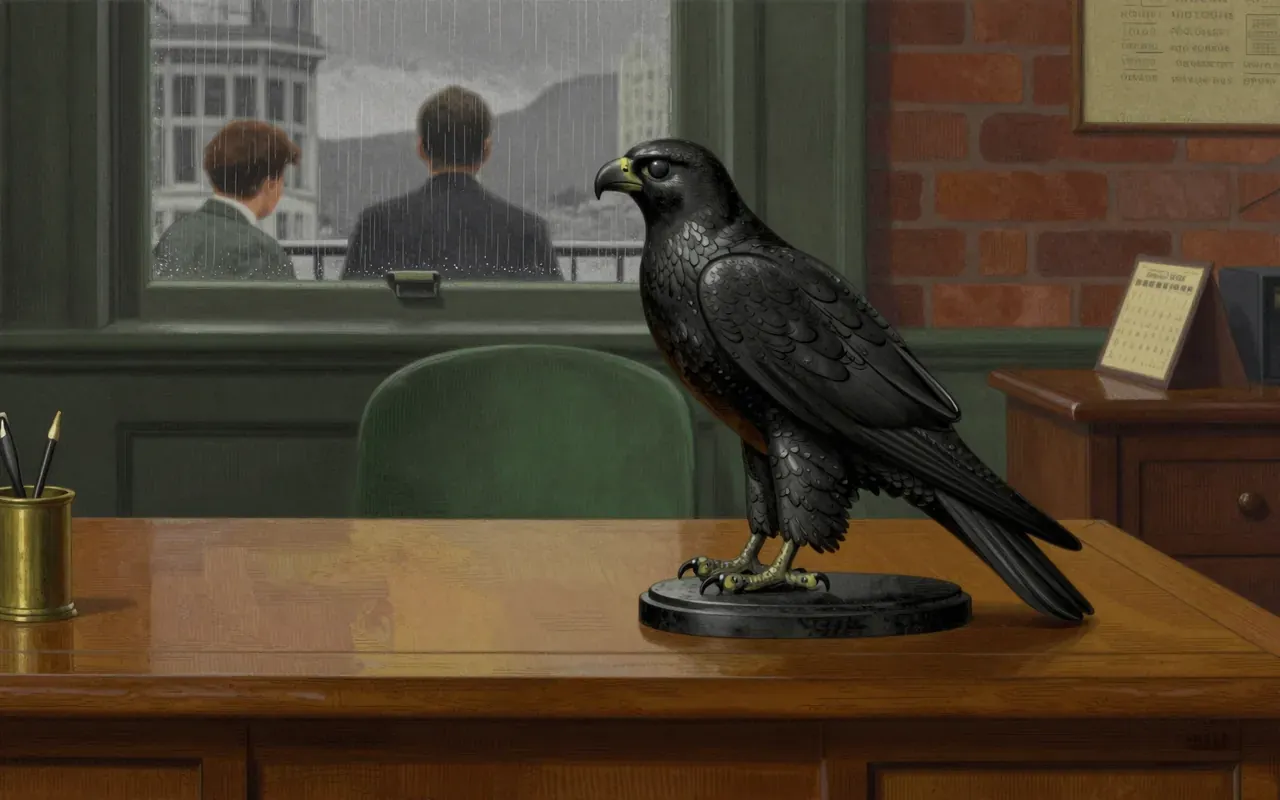
The Maltese Falcon is a tightly wound argument about duty, deception and hollow value. It insists loyalty is contractual, identity is costume, and obsession is blind. The brief extracts Spade’s partner rule, Brigid’s performance, and the falcon’s lead core—and tells you why none of it is metaphor.

15:28

Uncle Vanya

Anton Pavlovich Chekhov · 0

Uncle Vanya is a devastating portrait of wasted lives and unacknowledged labour. It argues that intellectual prestige is often fraud, romantic love is mostly fatigue, and endurance is measured in knitted socks and tuned guitars—not grand gestures. The brief isolates Sonia’s final monologue as the play’s moral centre and tells you why Voitski’s failed shot matters more than his rage.

13:57

The wild duck

Henrik Ibsen · 0

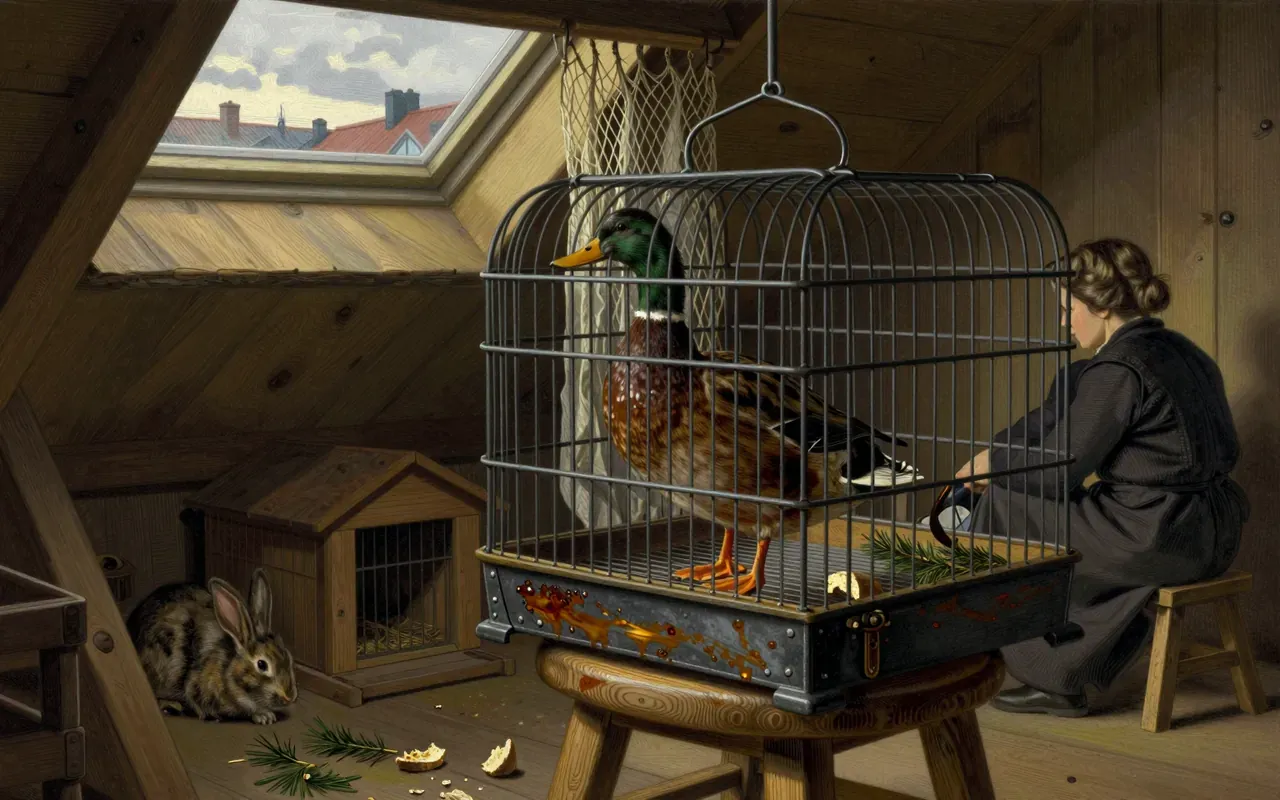
The play argues truth is catastrophic when imposed on fragile lives. Gregers Werle forces Hjalmar Ekdal to confront his wife Gina’s past with Werle Sr., triggering a collapse that ends with Hedvig’s suicide. Relling’s ‘life-lie’ is the play’s core idea: illusion is not weakness but survival infrastructure. Read it for the loft, the duck, and the pistol—not for redemption.

12:00

Madame Bovary

Gustave Flaubert · 1856

Flaubert's 1856 realist novel set in provincial France. Emma Bovary, educated beyond her station, pursues romantic fantasies that her actual life—marriage to a dull country doctor—can never deliver. The book is about how desire becomes destructive in a world that offers no outlet for it.