A woman is stripped of her name, her body, and her future in a theocracy built on coercion.
Atwood's 1985 novel follows Offred, a handmaid in the Republic of Gilead, forced to bear children for state-sanctioned rulers. It is a precise anatomization of power, gender, and the small rebellions that survive totalitarianism.
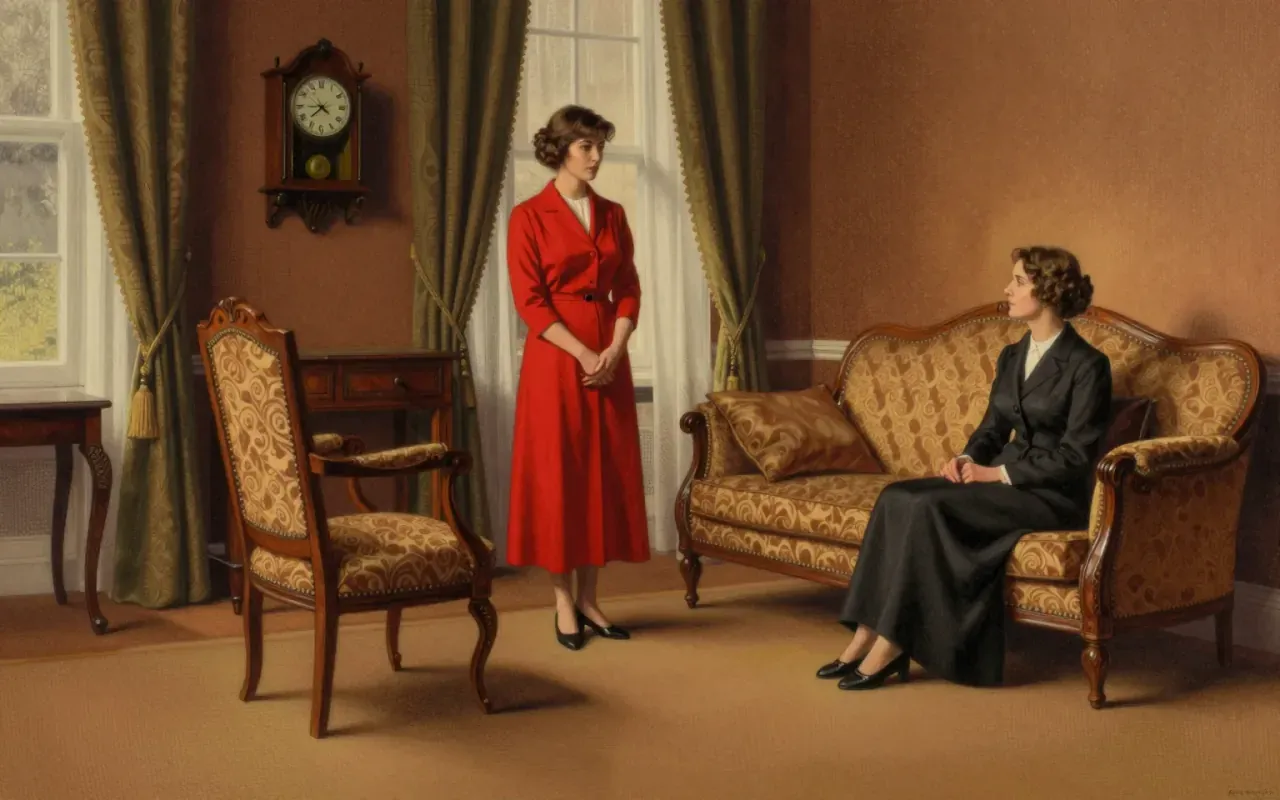
A theocratic state strips women of autonomy. Handmaids are biological vessels. Wives, Marthas, and Econowives occupy other rungs.
2:20
Offred's small acts
Resistance is not grand. It is a name remembered, a moment stolen, a phrase of defiance in an approved conversation.
5:30
The architecture of control
Gilead rules through ritual, surveillance, and the corruption of intimacy. Sex becomes state business.
9:15
What endures
The novel survives because the mechanisms of control it describes are recognizable and durable. It reads neither dated nor distant.
12:40
The ending question
The book ends ambiguously. What happened to Offred? That uncertainty is the whole point.
Worth your time?
Yes. Read the whole thing.
4.5/ 5
What works
The prose is controlled and precise, never overwrought
The voice is singular and haunting; Offred becomes unforgettable
The political vision is constructed with care, not slogans
What does not
The sequels have diminished the original's impact
Read it if
Anyone interested in how power operates through bodies and language
Readers who want to understand a work that reshaped how we talk about women's autonomy
Skip it if
Readers seeking optimism or a rescue narrative
The written brief1 min read
What the book is
Atwood’s 1985 novel set in the Republic of Gilead, a theocratic state where most women are infertile or enslaved. Offred, the narrator, is a handmaid—one of the few fertile women, forced into reproductive servitude. The story unfolds through her memories and constrained observations from inside a regime that has erased her personhood.
Is it worth your time
Yes. Read it for the architecture of a totalitarianism built on gender and reproductive control, for the precision of its prose, and for a vision of power that has only become more visible since 1985. The book is cannily constructed, short enough to finish in a sitting or two, and it stays.