A devil's visit to Moscow becomes an anatomy of Soviet corruption, censorship, and art in a totalitarian state.
Bulgakov's 1967 novel, written in secret over a decade and banned until his death, weaves together three narratives. The brief covers the plot in two minutes, the political allegory in three, and why the book survived suppression to become one of the century's definitive critiques of authority.
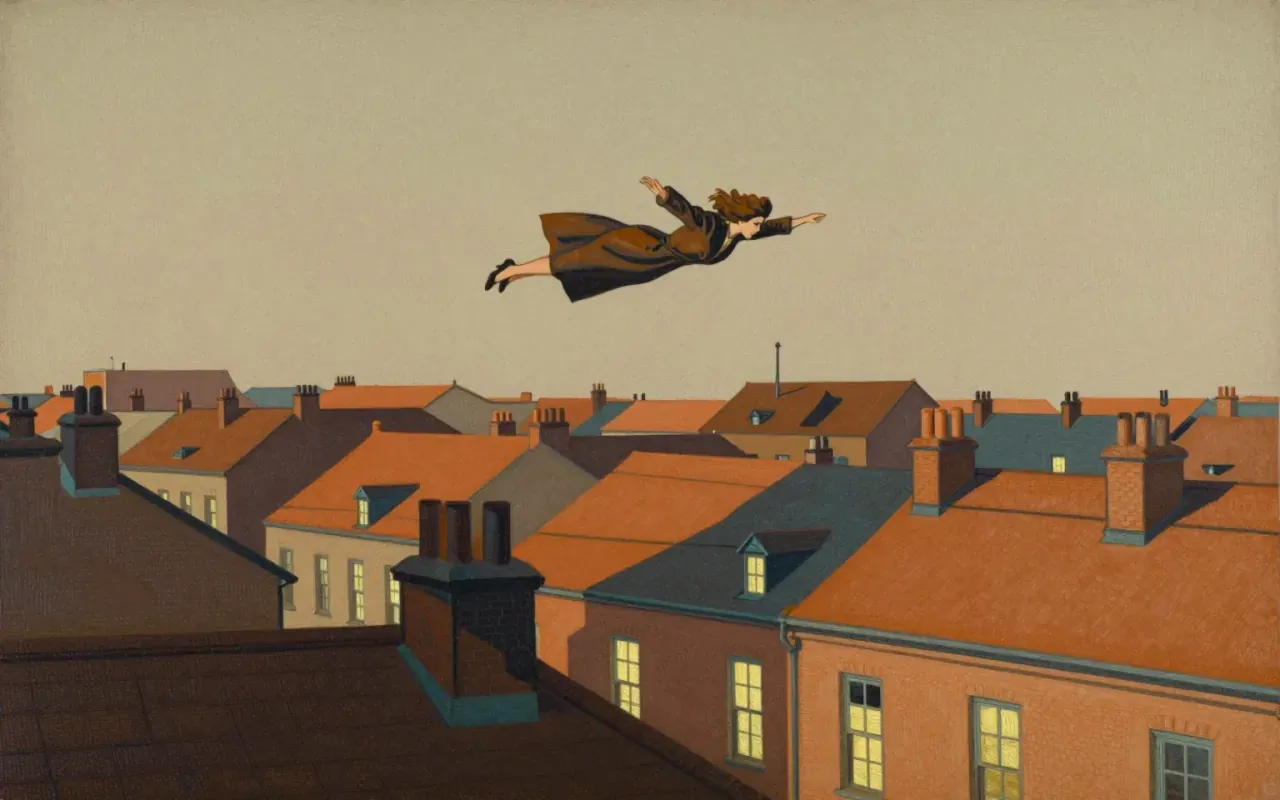
The devil arrives in Soviet Moscow. He does not come as a monster, but as a genteel intruder in a society pretending to be rational and scientific.
2:50
Moscow 1930s
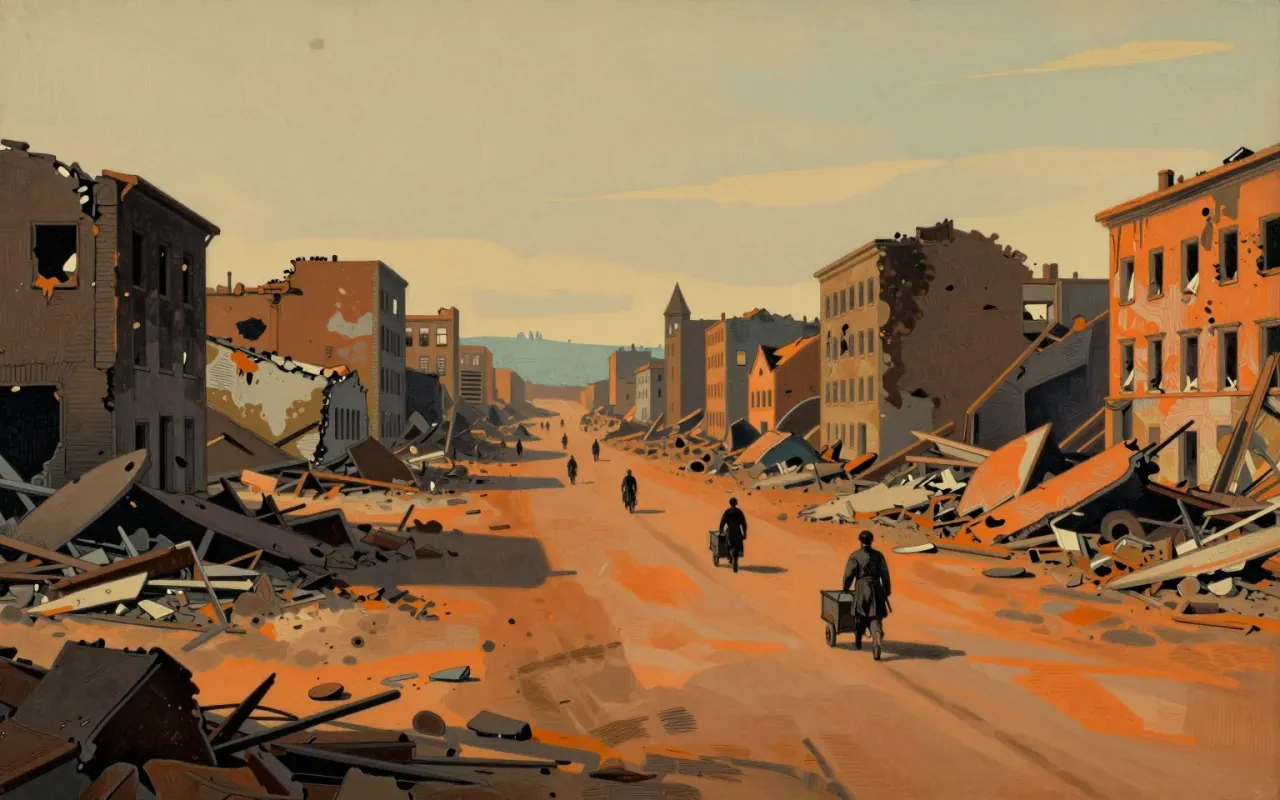
Bulgakov dissects the Soviet apparatus through its small corruptions. A housing scam. A theater. People are not wicked, but the system turns every transaction into theft.
5:50
The Master and Margarita
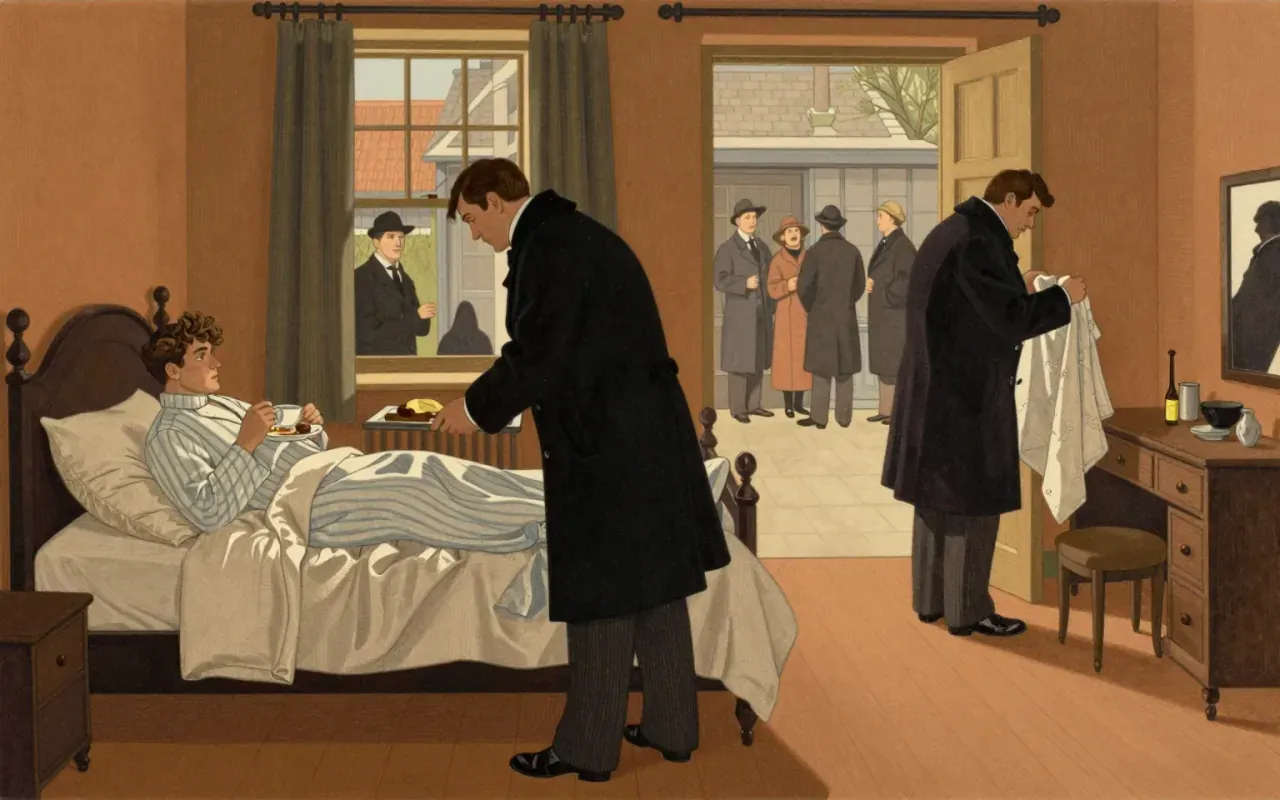
Nested inside is a story of a writer silenced, a woman in love, and Christ's trial under Pontius Pilate. The layers work forward and backward.
9:00
Why it endured
The book was hidden for decades. It survived because it was smuggled, retyped, read aloud in apartments. No censorship board could contain it once it existed.
Worth your time?
Yes. Read the whole thing.
4.5/ 5
What works
The satire operates on multiple levels: no single line is propaganda, but the whole is relentless
The Pontius Pilate chapters are stunning. They stand alone.
Written under impossible conditions and it shows; the care is visible
What does not
The supernatural elements are vivid but sometimes distract from the critique
Some readers find the Moscow sections rambling; they are not
The ending is ambiguous on purpose, which frustrates some
Read it if
Readers interested in how totalitarian systems really function, through detail rather than polemic
Anyone curious about art made in hiding, and what happens when suppression fails
Skip it if
Readers who need a linear plot or a single narrative voice
People looking for a comfortable read; the translation matters and some versions are clumsy
The written brief1 min read
What the book is
Bulgakov’s novel, written in the Soviet Union between 1928 and 1940 and first published in full in 1967, years after his death. The devil visits Moscow. A writer struggles for freedom. Christ stands trial. Three stories that refuse to stay separate.
Is it worth your time
Yes. It is difficult, layered, and demands attention. It is also one of the few books written under totalitarianism that stayed dangerous even after it was allowed to exist.