booksbriefs
Topic

Power

Who holds it, how it is kept, and what it costs.

12
in books
12:42
average
152 min
in total
91
across the network
Power across the network →
All briefs12
12:28

Beyond Good and Evil

Friedrich Wilhelm Nietzsche · 0

The book argues morality is not discovered but created by power, truth is perspectival and life-serving, and nobility arises only where hierarchy is institutionalised. It works best in fragments—especially Chapters IV, V and IX. Skip Chapter VI: its attack on scholars is dated and underdeveloped.
13:57

Hamlet

William Shakespeare · 0

Hamlet is not about indecision. It is about the impossibility of acting on unverifiable truth in a world where every word is overheard and every gesture weaponised. The brief cuts through the soliloquies to show how surveillance, performance and mortality structure the play—and why the Ghost’s first demand is the only thing that matters.

14:13

King Lear

William Shakespeare · 0

King Lear is not about redemption. It shows how power without insight unravels — through Lear’s demand for flattery, Cordelia’s silence, and the storm as physical consequence. The brief isolates its brutal logic, names what works (the storm, the Fool, the blinding), and says what to skip (expository padding). It is worth your time only if you accept that some truths arrive as wounds.

13:30

Othello

William Shakespeare · 0

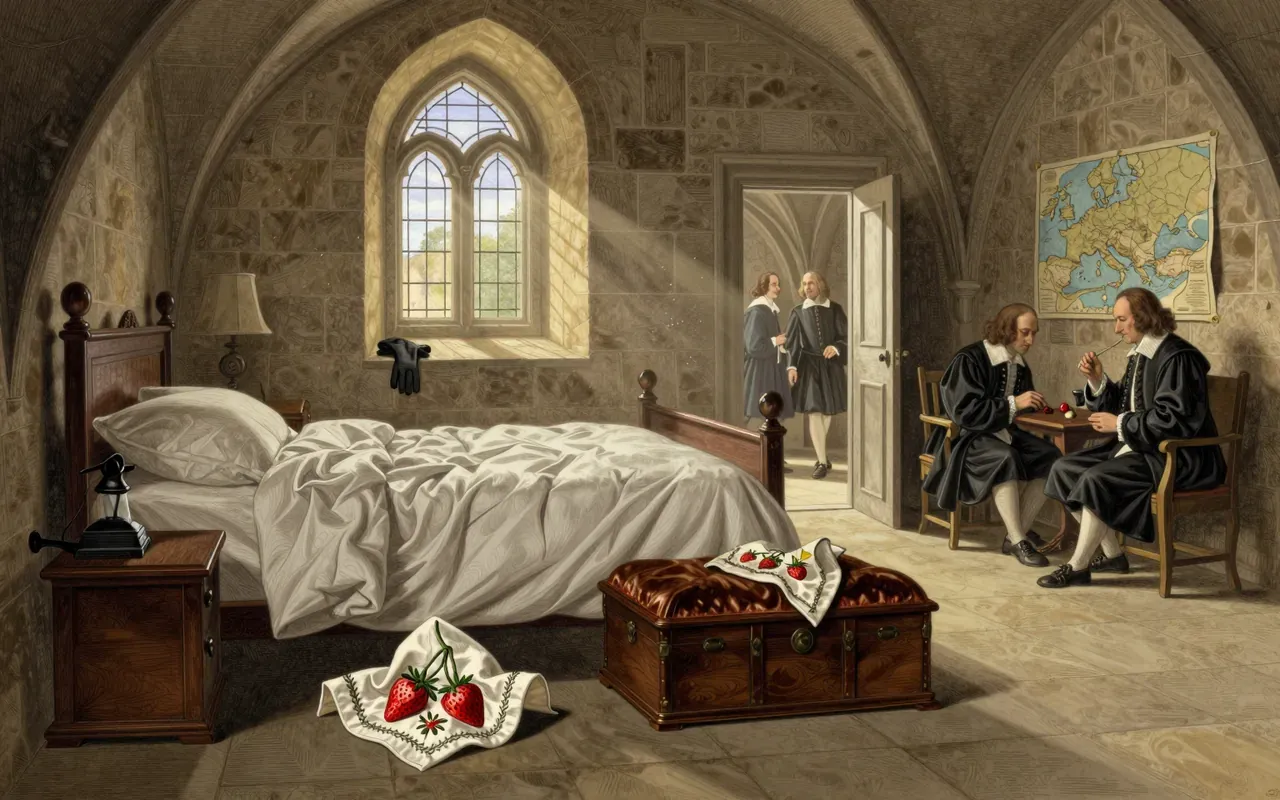
Othello is a tragedy about how language and suggestion can destroy certainty, love, and self. It argues jealousy is not emotion but logic gone rogue—and that 'ocular proof' can be manufactured from nothing. The brief explains why Iago needs no motive, why the handkerchief matters more than any character, and why the play refuses closure.

12:50

Wallenstein's Camp

Friedrich Schiller · 1805

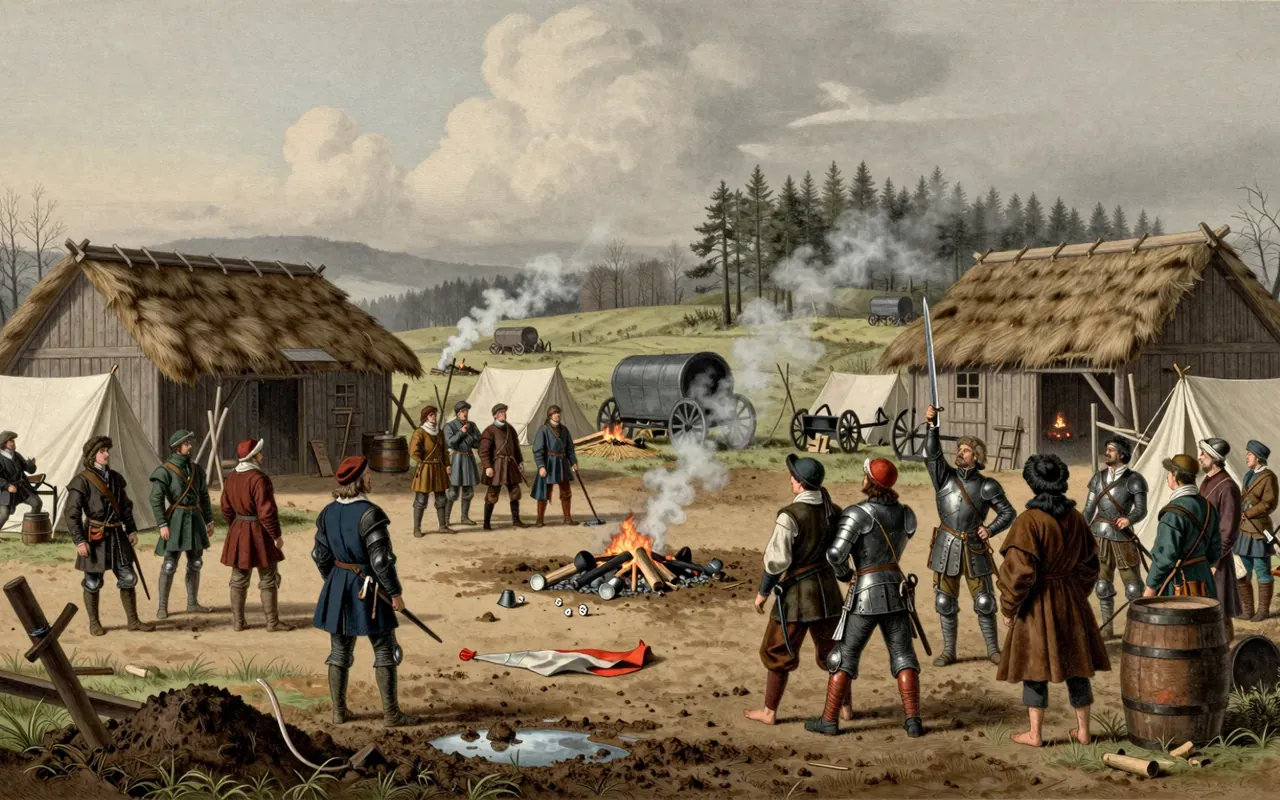
A dramatic poem showing soldiers in Wallenstein’s Pilsen camp pledging loyalty not to empire but to their commander. It argues loyalty is performative, collective and born of fear—not ideology or reason. Read it for its raw depiction of martial sovereignty, not for history or character.

14:27

The Wonderful Wizard of Oz

L. Frank Baum · 1899

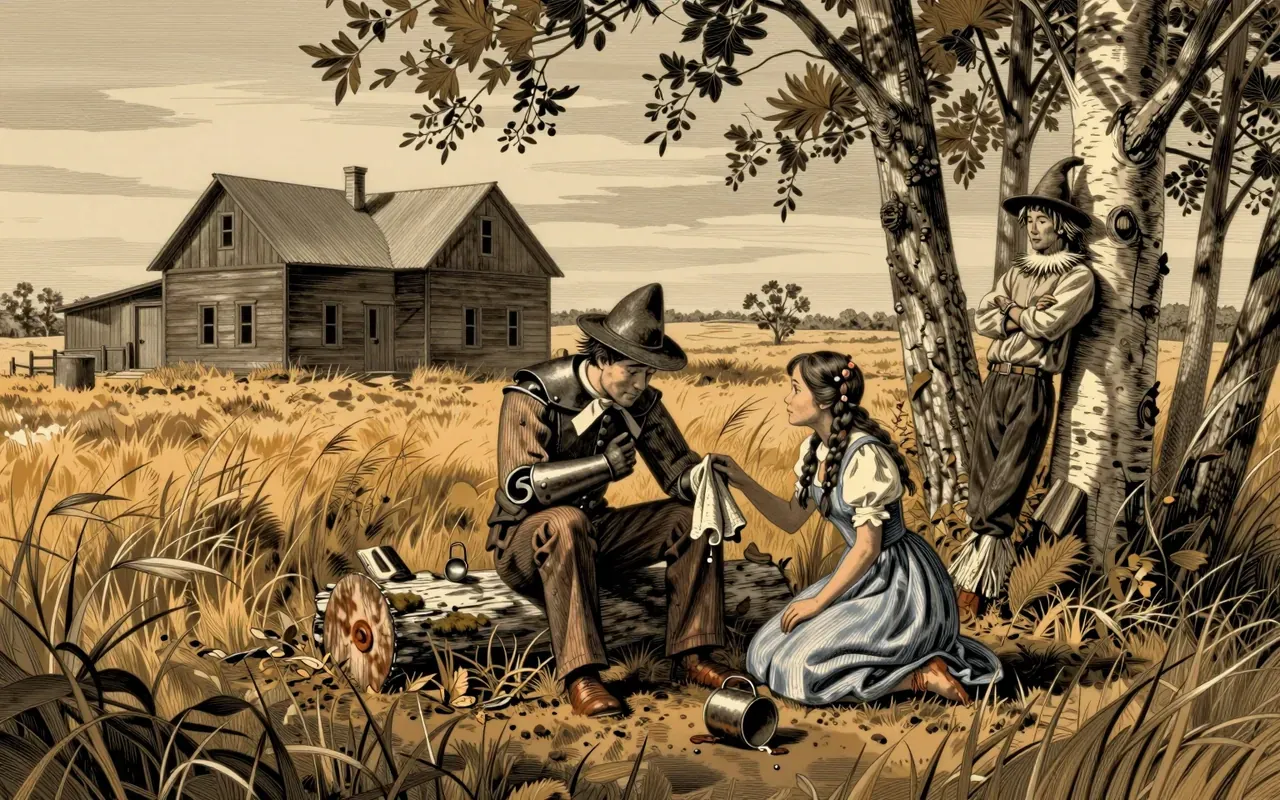
The book replaces Grimm’s moral terror with joyful, amoral wonder. Oz’s green-silk balloon exposes authority as performance. The china Princess’s fear of breaking grounds identity in physical fragility. Glinda reveals Dorothy’s Silver Shoes held her way home all along—but only after she earned return through loyalty and journeying.

11:00

Animal Farm

George Orwell · 1945

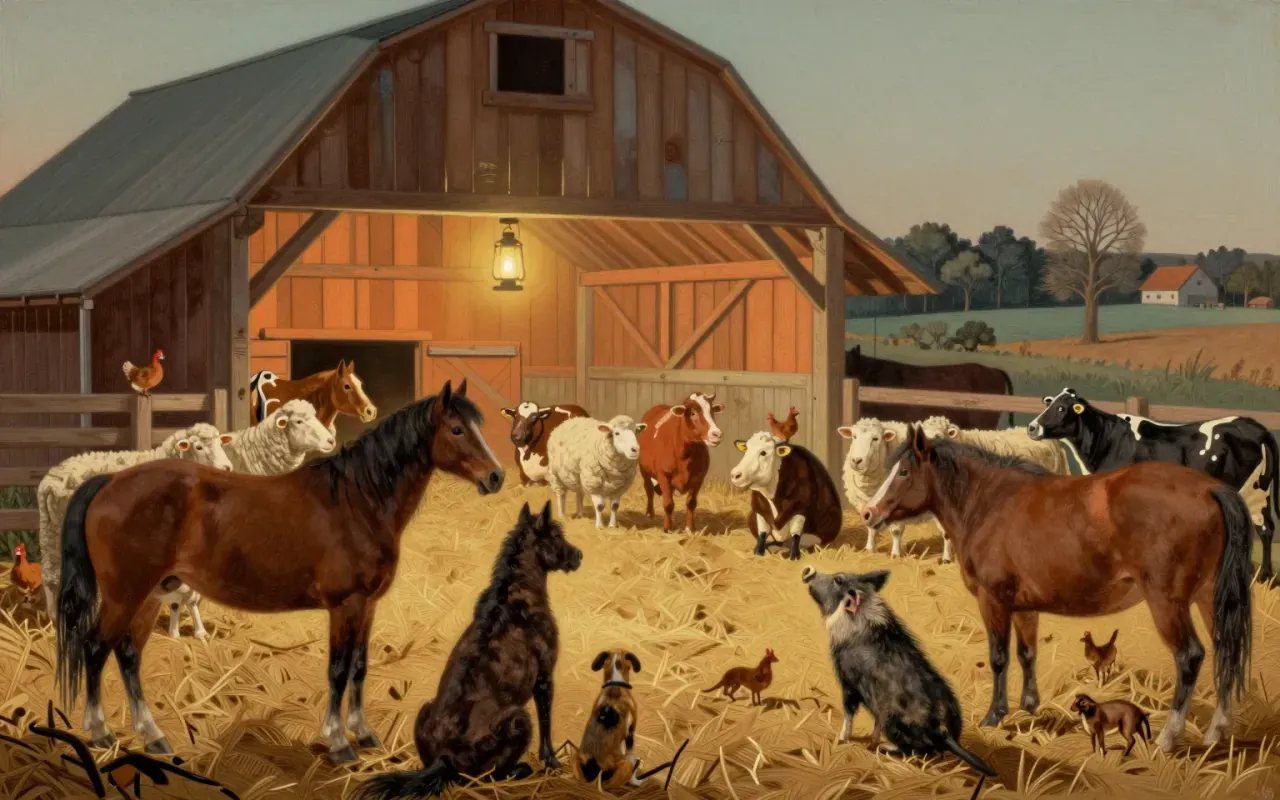
Orwell's 1945 allegory of the Russian Revolution told through a farmyard coup. The brief covers the revolution, the factions, how the pigs consolidate power, and why it reads as a prophecy more than fiction.

12:00

The Lord of the Rings

J.R.R. Tolkien · 1954

Tolkien's trilogy (1954-55) established the modern fantasy epic. The brief covers the quest's architecture, the languages he invented to hold it, and why the appendices might outweigh the text.

12:30

The Master and Margarita

Mikhail Bulgakov · 1967

Bulgakov's 1967 novel, written in secret over a decade and banned until his death, weaves together three narratives. The brief covers the plot in two minutes, the political allegory in three, and why the book survived suppression to become one of the century's definitive critiques of authority.

11:00

The Trial

Franz Kafka · 1925

Kafka's unfinished novel about a man arrested without charges and caught in an impenetrable legal system. The brief covers what the trial actually investigates, the machinery of power behind the courts, Kafka's ambivalence about the work itself, and which chapters matter most.

11:30

The Odyssey

Homer · 650 BC

The Odyssey follows Odysseus on a ten‑year odyssey back to Ithaca, where he must outwit monsters, divine wrath, and a house overrun by suitors. The poem explores fate, hospitality, and cunning, and shows how a hero’s identity is forged by both mortal agency and divine intervention. It remains a foundational myth of Greek culture and a masterclass in epic storytelling.

12:58

Dune

Frank Herbert · 1965

Herbert wrote Dune to show what happens when a population gets the hero it wants. The brief covers the ecology, the politics, why the second half is faster than the first, and whether to stop after book one.