What the book is
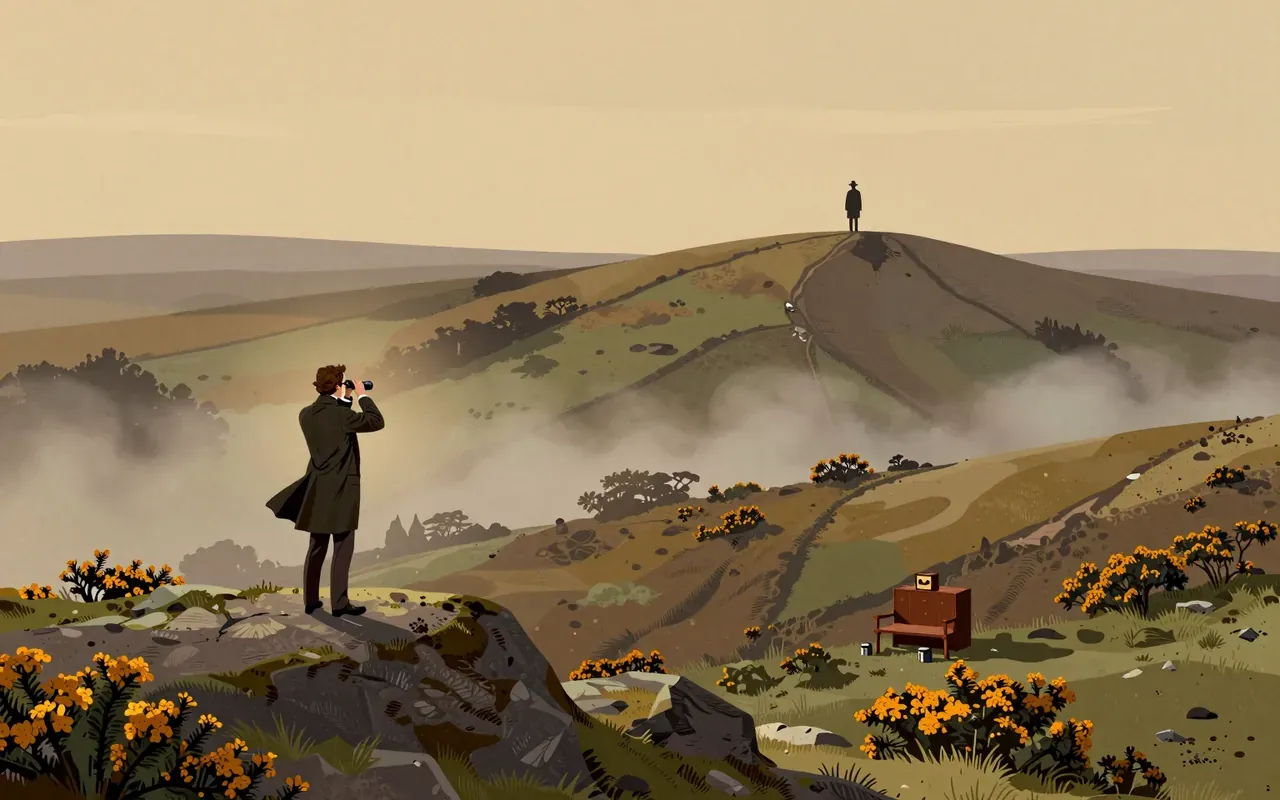
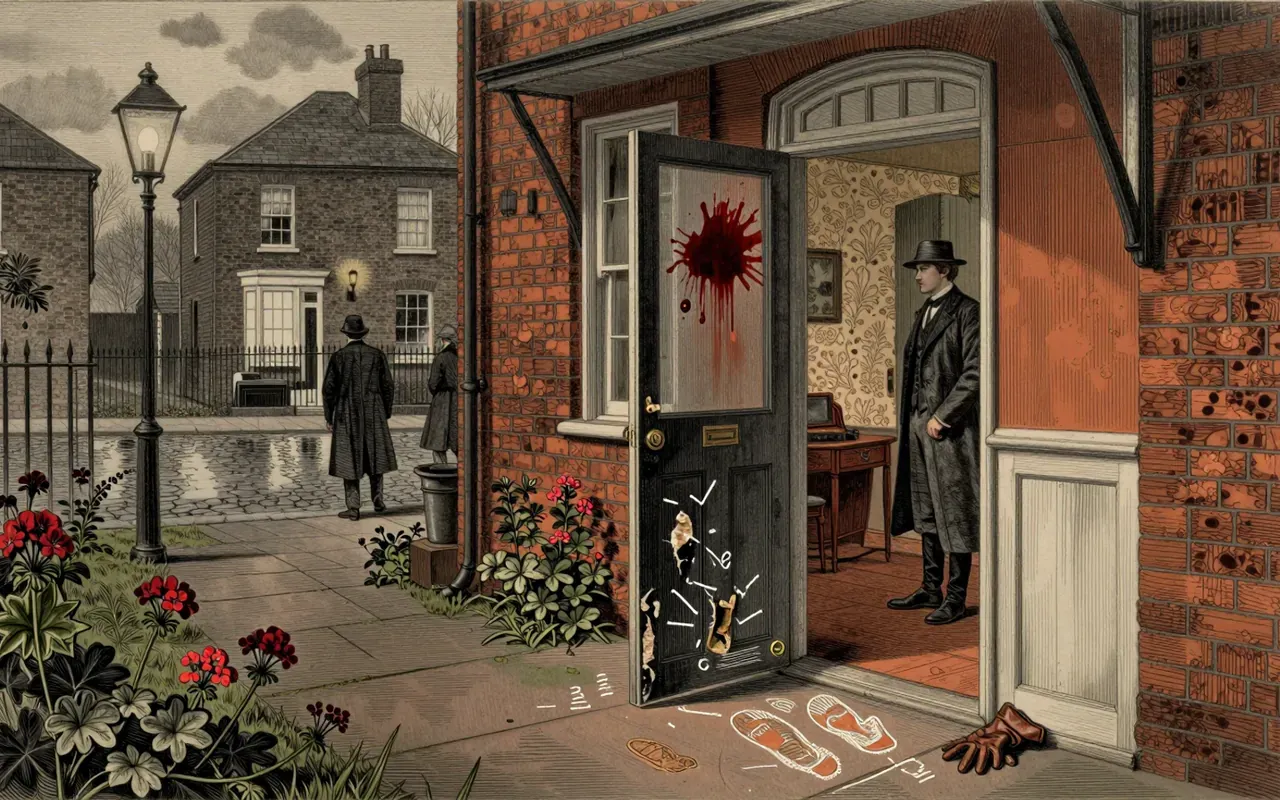
A dual-narrative crime novel: Part I establishes Holmes’s method through the Drebber murder at Lauriston Gardens; Part II reveals the motive via Jefferson Hope’s flight across Utah and pursuit of Drebber and Stangerson. It is the sole Holmes novel narrated entirely by Watson without later editorial framing.
The main ideas
Holmes argues that deduction is a teachable science—not intuition—and that observation must precede inference. Hope argues that justice is personal, ritualised, and absolute when legal systems fail. The book pits analytical reason against moral certainty rooted in trauma and geography: Baker Street logic versus Great Alkali Plain survival.
What works
Holmes’s opening demonstration of deduction—identifying Watson’s Afghan service—is foundational. His arrest of Jefferson Hope in the sitting room delivers visceral satisfaction. The ‘RACHE’ clue and poisoned pills show early mastery of misdirection and physical evidence. The contrast between Watson’s medical gaze and Holmes’s analytical one defines the series’ voice.
What does not
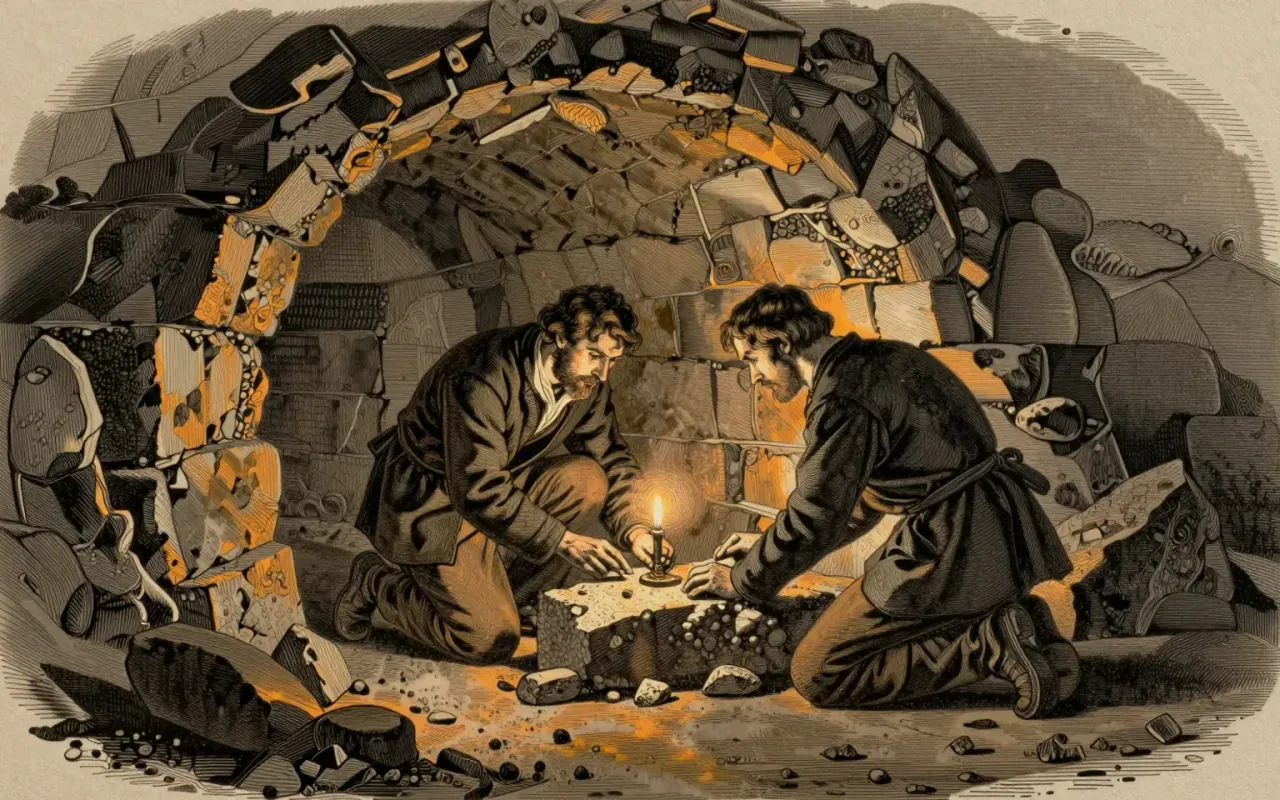
The Utah narrative dominates over half the book but has no connection to Holmes’s method or personality. It reads as a separate novella grafted onto the detective plot. Holmes disappears entirely after Chapter VII of Part I, returning only for the final explanation. The Mormon portrayal relies on sensationalist tropes from 1880s British journalism, not lived experience or nuance.
The themes
Justice as retribution appears in Hope’s confession and his dying words: ‘I don’t want to be remembered as a common cut-throat.’ Faith is tested on the alkali plain and codified under Brigham Young’s ultimatum. The Danite Band embodies institutional terror—‘not the Inquisition of Seville… ever able to put a more formidable machinery in motion’.
Who should read it
Readers interested in the origin of forensic detection as a literary genre should read it. Those studying Victorian representations of religion, empire, or American frontier myth will find raw material in the Utah chapters. Anyone tracing how popular fiction absorbs real-world panic—like British press coverage of Mormon polygamy—will see it here.
Who should not
Readers seeking consistent tone or unified structure should skip it. Readers unwilling to engage with dated, hostile depictions of Mormonism as a ‘formidable machinery’ of persecution should avoid Part II. Readers expecting Holmes to drive the entire plot will be frustrated by his 40% page count.
The assessment
A Study in Scarlet is the first Sherlock Holmes novel, published in 1887. It introduces Holmes as a ‘consulting detective’ who applies observation and deduction to crime. The book splits into two distinct halves: the London murder investigation led by Holmes and Watson, and the Utah backstory of Jefferson Hope’s vengeance against Drebber and Stangerson. The latter section draws on contemporary British anxieties about Mormonism and American frontier violence.
Is it worth your time
Selectively. Read Part I for Holmes’s method and Part II only if you need the full context of Hope’s motive. Skip the Utah chapters if you are reading for detective fiction alone. The book’s influence is undeniable—but its execution is lopsided and ideologically charged.