What the book is
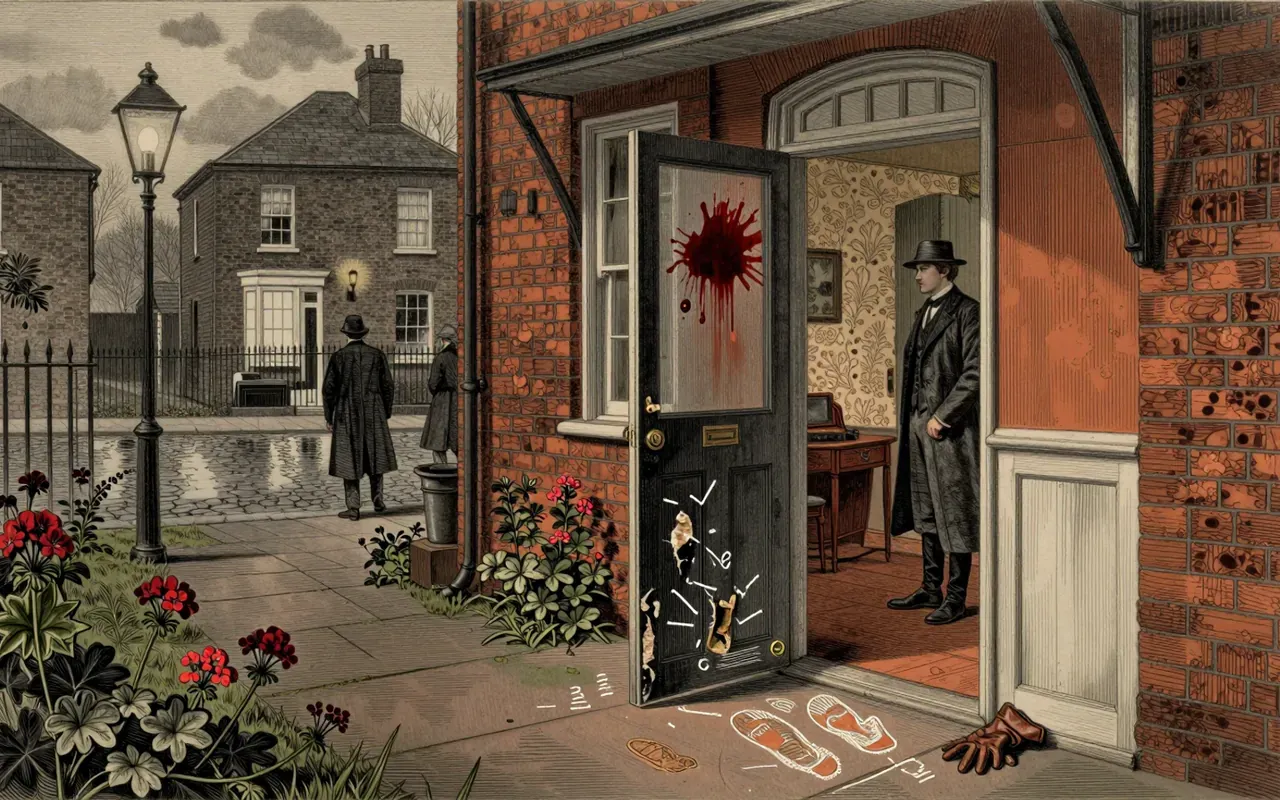
A 1900 detective novel set on Dartmoor, where Sherlock Holmes outsources fieldwork to Watson, then secretly joins him to expose Jack Stapleton—a naturalist posing as a neighbour—as the murderer behind the Baskerville curse. The hound is real, phosphorus-coated, and trained to kill. Stapleton’s motive is inheritance: he is Hugo Baskerville’s descendant (Q19), and his wife is not his sister but his abused spouse (Ch. 12).
The main ideas
The curse is a smokescreen. Stapleton is a Baskerville heir who rewrites the family’s history to erase his claim—and then murders to reclaim it. Watson’s diary format creates epistemic tension: his rationalism strains under the moor’s atmosphere (Q8), yet his fieldwork forces Holmes to abandon Baker Street for the tor. The hound is not a monster but a prop: phosphorus, training, and timing make it lethal (Q23, Q24).
What works
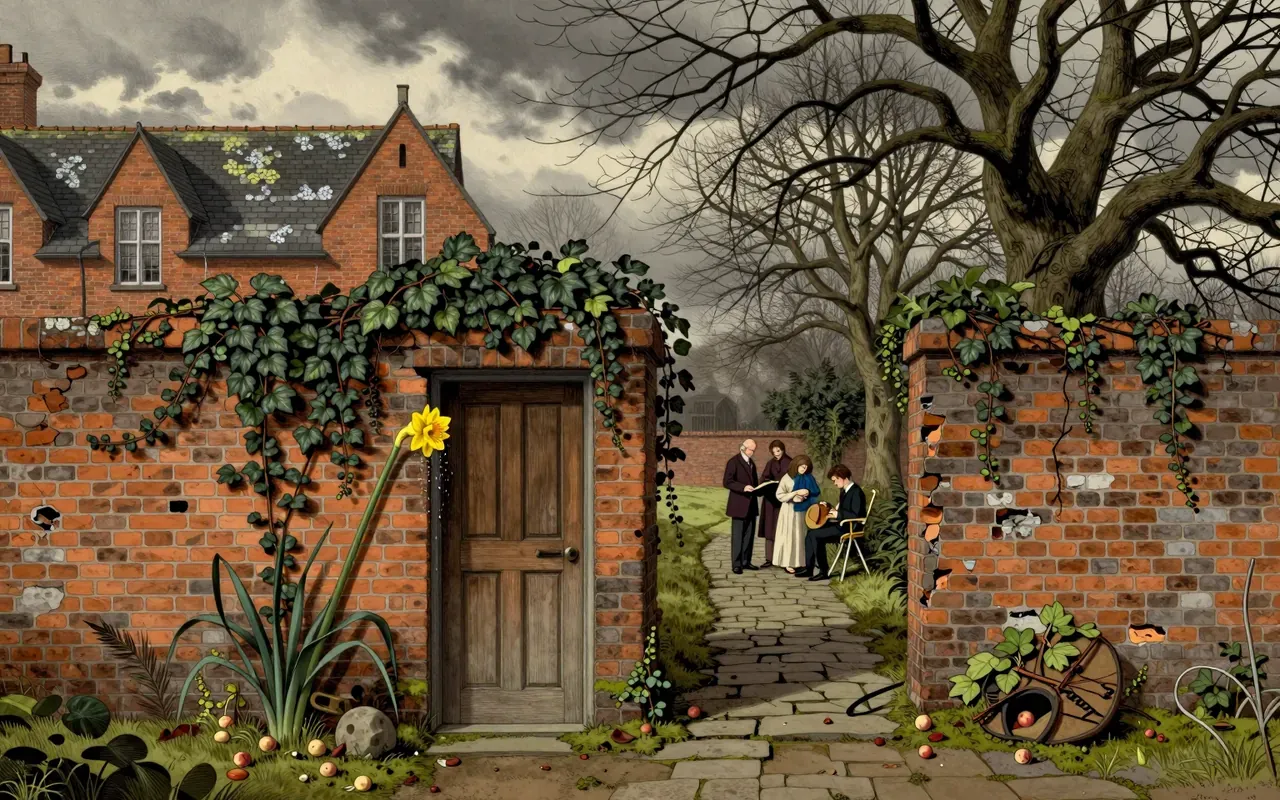
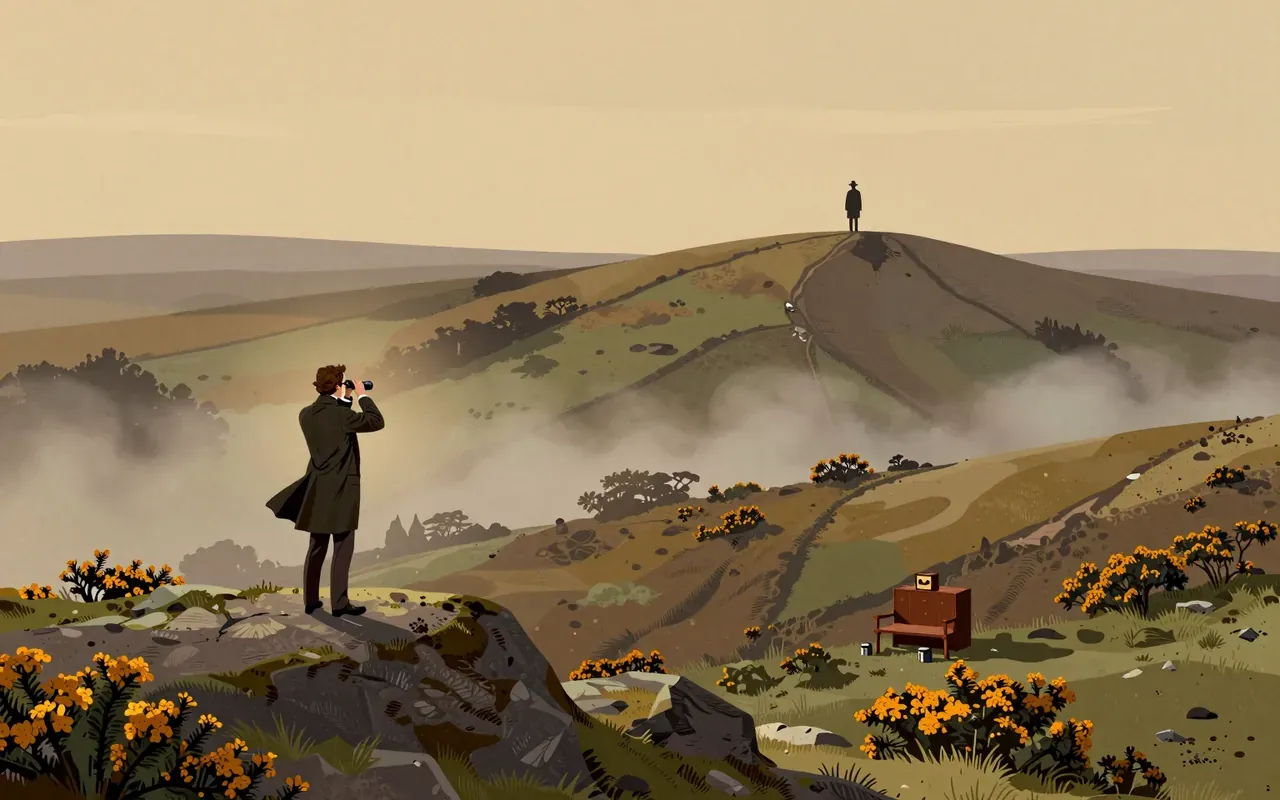
The moor is a character: its fog, tors and mire actively constrain action and perception (Q24). Holmes’s method is shown in motion—not just deduction (Q2, Q27) but operational discipline: he arrives luggage-free (Ch. 13), uses Cartwright for intelligence (Ch. 15), and exploits Stapleton’s overconfidence. Watson’s voice grounds the uncanny: his diary entries (Q8) make dread feel earned, not imposed.
What does not
It fails to resolve Beryl Stapleton’s fate beyond her rescue. Her warning to Sir Henry (Ch. 12) and abuse by Stapleton (Ch. 14) are treated as plot devices, not character arcs. The portrait revelation—Hugo Baskerville’s face matching Stapleton’s—is stated but never dramatised; it arrives as deduction, not discovery. The South American exile threat (Q9) is dropped after Chapter 10 with no follow-up.
The themes
The conflict between rational explanation and inherited dread is resolved not by debunking myth, but by exposing its instrumental use. Surveillance is structural: Barrymore signals Selden (Ch. 9), Frankland spies through a telescope (Ch. 11), Holmes watches from the hut (Ch. 11), and the note ‘Dr. Watson has gone to Coombe Tracey’ (Q12) proves the protagonists are always observed. Lineage is weaponised: Stapleton’s bloodline justifies his crime (Q19), while Hugo’s portrait becomes forensic evidence.
Who should read it
Readers who want to see Victorian rationalism tested by landscape and deception. Those interested in how surveillance structures narrative: every major character is watched, tracked or manipulated. Anyone studying the mechanics of the detective genre’s pivot from Gothic to procedural—from Q23’s hellish hound to Q20’s cork-and-card trophy.
Who should not
Readers expecting psychological depth in Beryl Stapleton or Laura Lyons. Those seeking thematic coherence across all fifteen chapters: the South American exile thread (Q9) vanishes, and Selden’s role ends with his death in borrowed clothes (Ch. 12). Readers allergic to exposition: Holmes’s final recap (Ch. 15) retells the entire plot in one sitting.
The assessment
The book argues that terror is a tool, not a truth. It shows how Stapleton weaponises the Baskerville legend, the moor’s isolation, and the hound’s phosphorus-lit horror to mask premeditated murder. The climax at Merripit House confirms the hound as a manufactured device—not supernatural—but the real horror lies in Stapleton’s patience: he spends months grooming Laura Lyons, manipulating his wife, and studying Sir Henry before acting. Holmes’s admission that he used the baronet as bait exposes the moral cost of rationalism when it demands human risk.
Is it worth your time
Yes—if read as a study in controlled revelation. The first eight chapters build dread deliberately; Chapters 9–12 escalate surveillance and misdirection; Chapters 13–15 resolve motive, method and morality. Skip nothing. Its power lies in the sequence: the hound’s cry (Ch. 9), the note in the hut (Q12), the portrait match (Q19), and the phosphorus reveal (Q23) form an irreplaceable chain.