booksbriefs
Topic

The Victorian era

Confidence, coal and an enormous amount of repression.

13
in books
14:17
average
186 min
in total
37
across the network
The Victorian era across the network →
All briefs13
12:46

Bleak House

Charles Dickens · 0

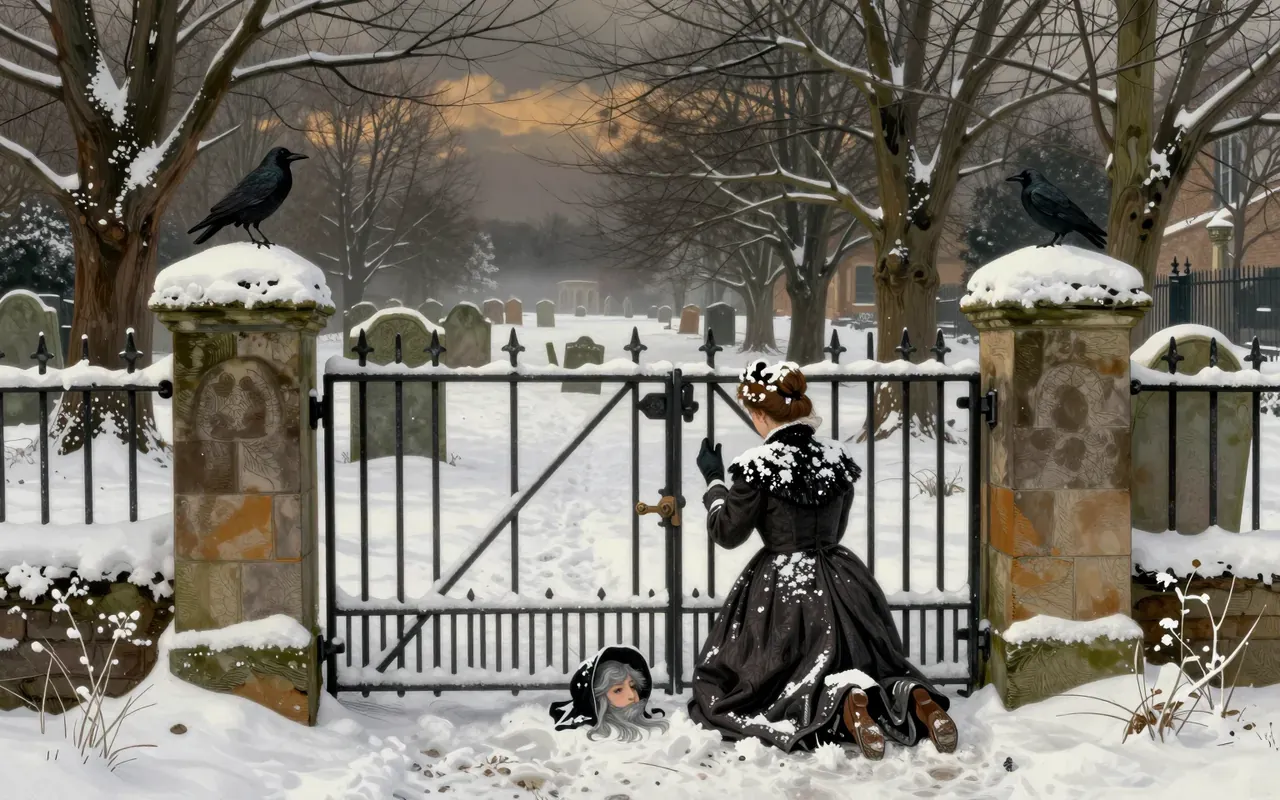
Bleak House is a forensic satire of the Court of Chancery, using the decades-long Jarndyce suit to show how bureaucracy consumes lives. Esther Summerson’s narration grounds its moral force, while Lady Dedlock’s death in snow delivers its final indictment. Skip the preface and the Krook estate subplot—they weaken the argument.
15:26

Far from the Madding Crowd

Thomas Hardy · 0

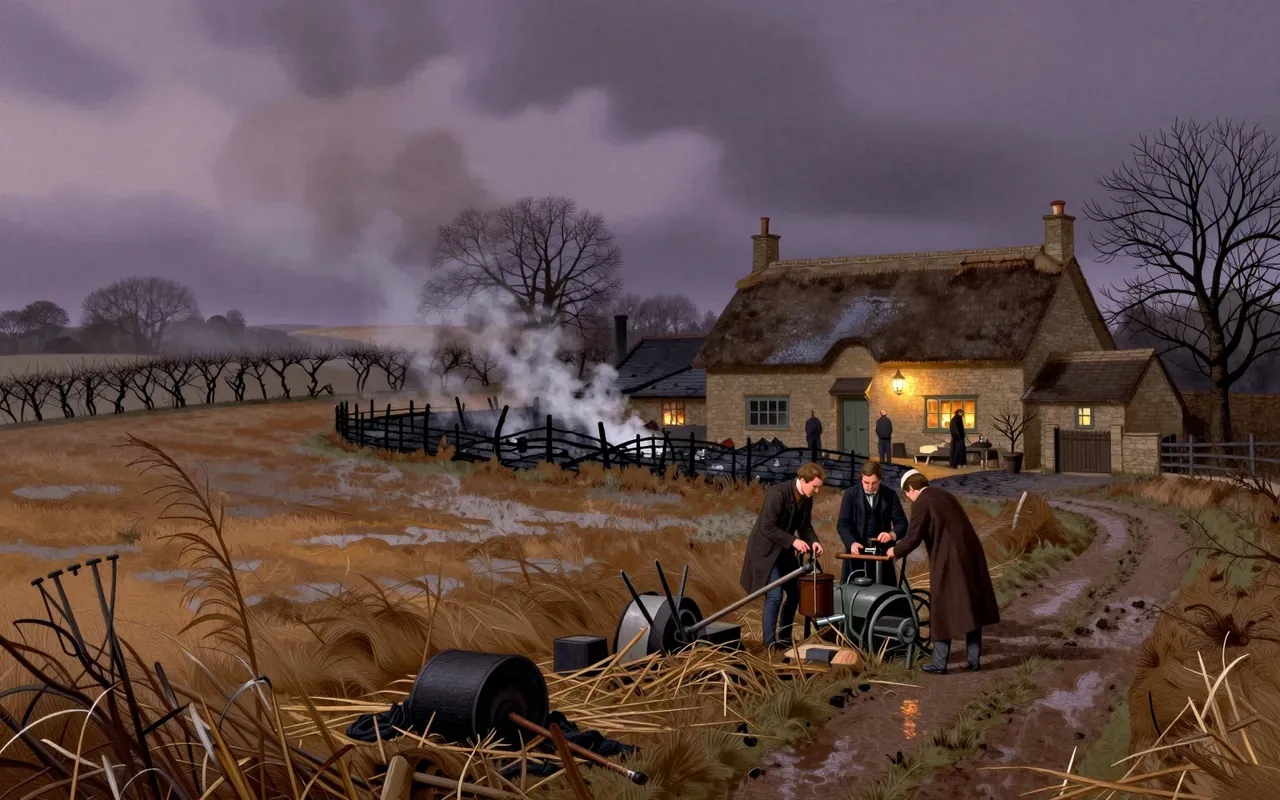
The novel argues that love and sanity are tested not by feeling but by labour, weather and time. It works best in the storm sequence and the final wedding—but collapses under the weight of Boldwood’s unexamined obsession. Read it for its material realism, not its psychology.

14:09

Great Expectations

Charles Dickens · 1861

Great Expectations argues that class shame is internalised before it is acted upon—and that true worth is measured in loyalty, not lineage. The brief isolates Joe’s moral centrality, Jaggers’s ritualised power, and Magwitch’s redemptive love. It tells you which chapters reveal Dickens’s design and which dilute it.

13:49

The Hound of the Baskervilles

Arthur Conan Doyle · 1900

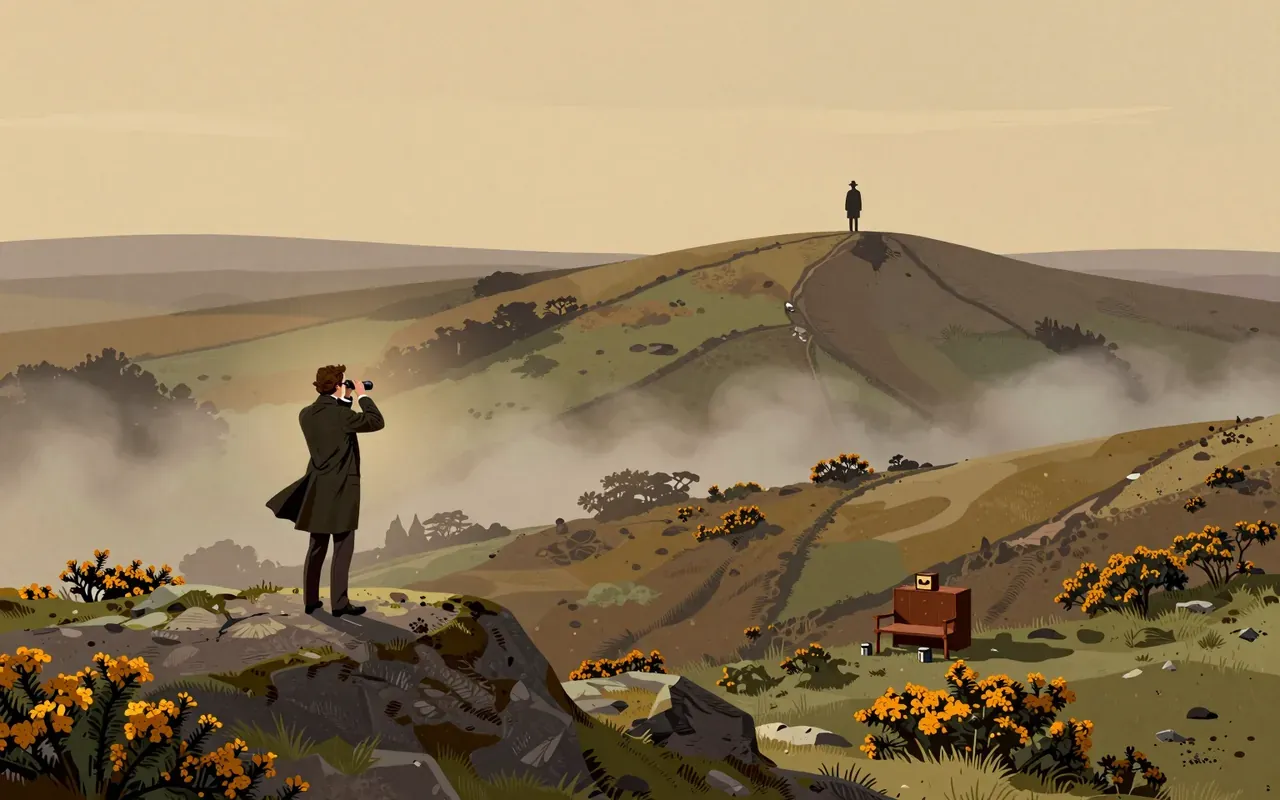
The hound is real—but the curse is a lie Stapleton weaponises to inherit the Baskervilles. Holmes outsources to Watson, then secretly joins him on Dartmoor to expose a naturalist’s calculated murder. The book works because its dread is architectural: the moor, the hut, the portrait, and the phosphorus hound all serve the argument that terror is engineered, not inherited.

12:32

The Importance of Being Earnest

Oscar Wilde · 1893

A satirical three-act play that reduces Victorian respectability to linguistic games. It works because every line lands like a scalpel, not a sermon. Skip any production that treats it as heart-warming—it is not.

15:54

Oliver Twist

Charles Dickens · 1822

Oliver Twist is a satirical indictment of Victorian poor law, not a sentimental orphan story. It exposes the workhouse as a profit engine, Fagin’s gang as its logical offshoot, and Nancy’s murder as systemic failure. The brief strips away the myth of innocence to show how institutions manufacture criminality — then tells you which pastoral interludes to skip.

16:19

Silas Marner

George Eliot · 0

Silas Marner argues that moral restoration comes from daily care—not divine justice or social approval. It works best when showing how Eppie transforms Silas’s isolation into community, and worst when retreating into Nancy’s fatalism or Silas’s unresolved past. Skip Chapter XVII and the Lantern Yard flashback’s second half.

16:04

The strange case of Dr. Jekyll and Mr. Hyde

Robert Louis Stevenson · 1875

The book argues that human duality cannot be surgically divided — and that attempting to do so destroys both selves. It succeeds through structure, pacing and restraint, not exposition. Skip any attempt to read it as scientific speculation: the potion is a cipher, not a hypothesis.

14:45

A Study in Scarlet

Arthur Conan Doyle · 1887

A Study in Scarlet invents the consulting detective but splits its energy between Holmes’s method and Jefferson Hope’s Mormon-era revenge. Its Utah section is ideologically loaded and structurally disruptive. Read Part I for Holmes’s debut deduction; skip Part II unless you need motive.

14:46

Vanity Fair

William Makepeace Thackeray · 0

Vanity Fair is a satirical novel that treats society as a rigged theatre. It contrasts Becky Sharp’s ruthless self-invention with Amelia Sedley’s passive virtue, exposing class, inheritance and performance as the real engines of power. The brief explains why its irony works, where it grows repetitive, and which chapters deliver its sharpest insights.

15:06

Verses and Translations

Charles Stuart Calverley · 0

Calverley’s 1862 collection uses precise classical translations and absurd original verse to dissect Victorian class, gender and education. It works best in fragments: a tearful reunion with dogs, Sir Hugo shattered by two words, a burglar tripping before Milton’s elegy. Skip the editor’s front matter and all footnotes—they add nothing beyond verification.

12:00

Dracula

Bram Stoker · 1897

Stoker's 1897 novel, told through letters and journal entries, documents Count Dracula's attempt to establish himself in England and the small group that opposes him. The book's format is unwieldy but its construction is precise; the creature feels inevitable and the humans feel outmatched.

12:00

The Picture of Dorian Gray

Oscar Wilde · 1890

Wilde's only novel, 1890, a portrait that ages while its subject remains frozen at twenty-five. The brief covers the pact, the corruption, why the painting becomes the moral record the man refuses to be, and what breaks first.