War and Peace argues that individual will is less powerful than historical forces, and then tests that idea across the Napoleonic Wars.
Tolstoy's 1869 epic follows five aristocratic families through twenty years of Russian history. The brief covers the plot in two minutes, the philosophy in five, why the theory of history is the real argument, and which sections actually matter.
Two wars frame the plot; Napoleon invades Russia. Natasha, Andrei, and Pierre navigate love, ambition, and loss as empires collide.
2:00
The philosophy
Tolstoy's thesis: great events happen not because heroes will them, but because millions of small decisions align. History is not shaped by commanders.
5:30
Why the characters matter
Each of the three leads tests the thesis differently. Andrei seeks meaning in action and finds it fails. Pierre seeks it in ideas and finds that fails too. Natasha simply endures.
9:00
The problem for readers
Half the book is plot and character. The other half stops the narrative for Tolstoy to argue with historians. That second half repays the work.
Worth your time?
Selectively. Start with the brief, then read the parts we point at.
4/ 5
What works
The interior life of all three leads is unmatched in scope and honesty
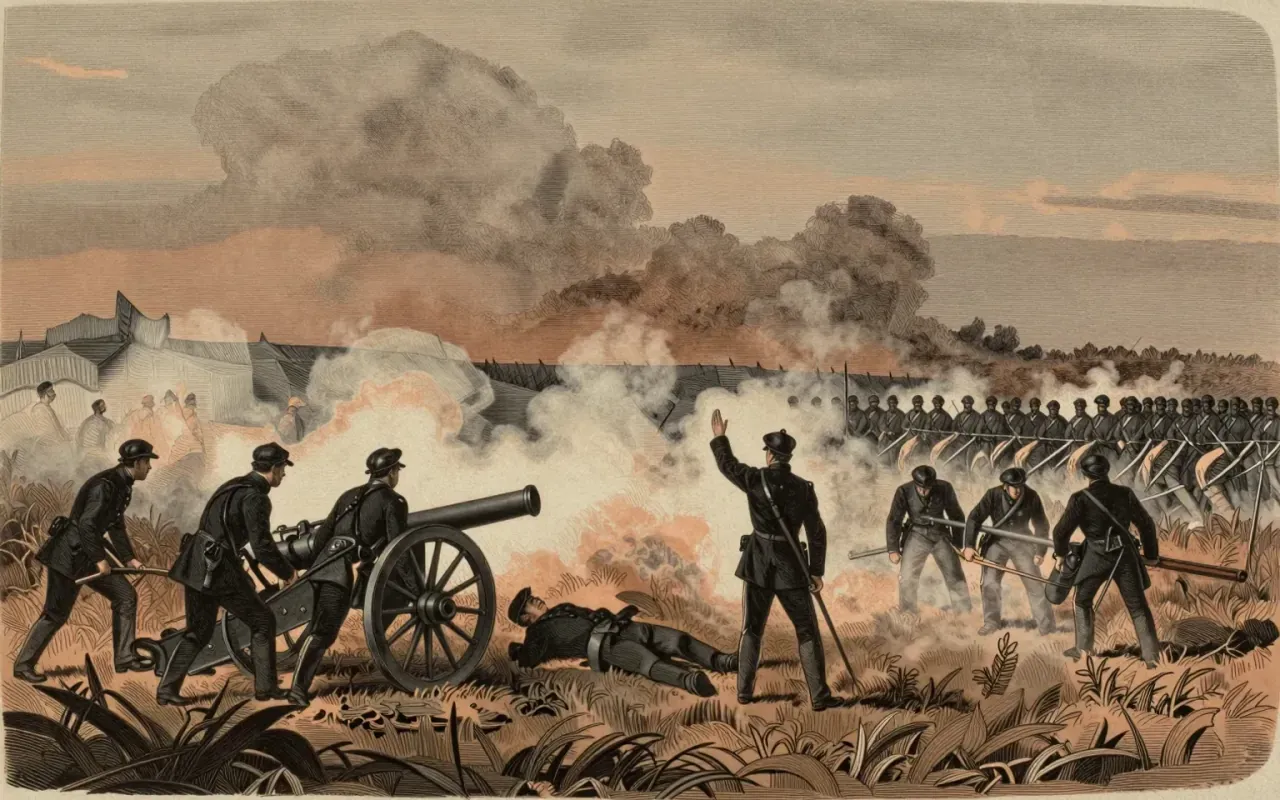
The Battle of Borodino alone justifies the book: the most accurate account of what war feels like to the people in it
The ending genuinely argues something about how history works, not just a moral
What does not
The novel endorses fatalism at the cost of character agency, which modern readers resist
The second half is polemical: Tolstoy lecturing historians can test your patience
The representation of the French and of some Russian groups is period-typical and limited
Read it if
Readers willing to spend 30 hours understanding how history actually moves
Anyone interested in how to write character across the massive scale
Skip it if
Readers who need a story to move forward: this one stops for philosophy
Anyone impatient with 19th-century social detail
The written brief1 min read
What the book is
Tolstoy’s 1869 novel spans 1805–1820 and follows Russian aristocrats through the Napoleonic Wars. It is structured as narrative and as a historical argument: that great events emerge from masses of individual decisions, not from the will of great men.
Is it worth your time
Selectively. The middle 500 pages—Natasha, Andrei, and Pierre at war and in society—are unequaled. The first 200 pages are dense with names and protocols. The last 200 are Tolstoy arguing philosophy. Read the middle first. If it grips you, build tolerance for the rest.