What the book is
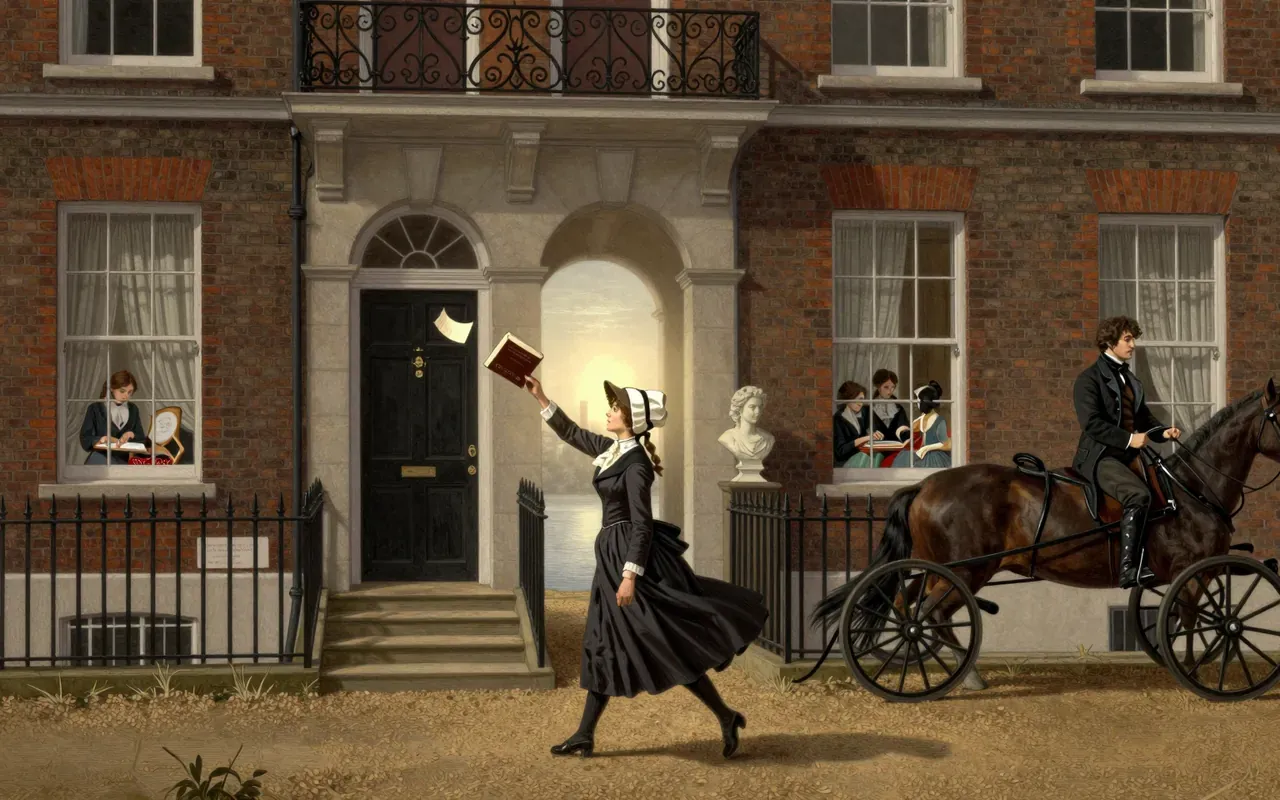
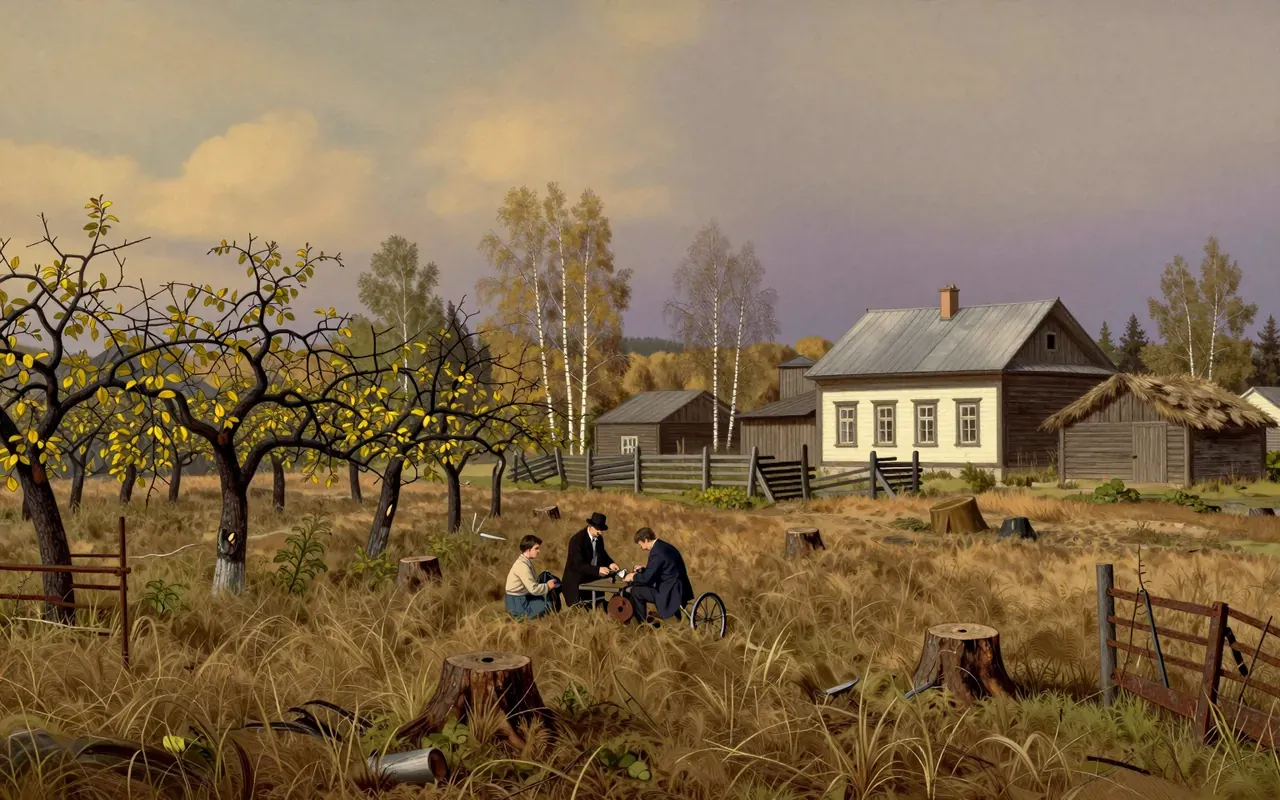
A four-act drama set on a provincial Russian estate in the 1890s. Voitski manages the estate for Professor Serebryakov, whose arrival with his young wife Yelena shatters the household’s numb routine. Astrov, a doctor and conservationist, drifts between exhaustion and idealism. Sonia, Voitski’s niece, works, waits, and speaks the final lines.
The main ideas
It dismantles the myth of the gifted man: Serebryakov’s fame is unearned, Voitski’s sacrifice invisible, Astrov’s idealism inert. It treats love as exhaustion, not passion: Voitski’s confession is drunken and humiliating, Sonia’s devotion is quiet and unpaid. It locates tragedy not in grand events but in the silence after gunfire.
What works
Sonia’s final monologue lands because it follows two hours of suppressed speech. Astrov’s forest lament (Q2) gains weight from its placement amid tea service and petty arguments. Voitski’s failed shot (Q8) is darkly comic because the gun misfires twice—no heroism, just fumbling.
What does not
The play fails to resolve Voitski’s rage meaningfully. His assassination attempt is botched, then forgotten. Serebryakov departs unchallenged. The estate sale proceeds. No structural injustice is corrected. The moral weight lands entirely on Sonia’s shoulders, not the system.
The themes
The play turns on irreversible loss: forests cut down (Q2), time wasted (Q3), trust broken (Q4), secrets that cannot be acted upon (Q6). It treats endurance as moral labour: Sonia’s monologue (Q9) is not hope—it is the decision to keep accounts, knit, tune guitars, and wait.
Who should read it
Readers who recognise the ache of unacknowledged labour. Those who want a play where no one wins, no one converts, and the only redemption is showing up again. Anyone who has ever tuned a guitar to avoid weeping.
Who should not
Readers who need catharsis or justice. Those who expect protagonists to grow, villains to fall, or ideas to resolve. Anyone allergic to silence, repetition, or characters who say ‘I am tired’ more than they say ‘I love you’.
The assessment
Uncle Vanya argues that intellectual vanity and romantic self-deception poison ordinary lives. It shows Voitski’s wasted decades managing Serebryakov’s estate while the professor publishes hollow books and takes credit. It shows Sonia’s love for Astrov ignored, her labour unseen, her final monologue delivered over knitting and guitar-tuning—not in a church or theatre, but in a provincial drawing room at dusk.
Is it worth your time
Yes—if you accept that some books are not about change but about witnessing. It rewards attention to subtext, not plot. It is worth your time if you have ever stayed in a room after everyone else left, just to hear what the silence sounds like.