booksbriefs
Topic

Class

Rank, money and manners, and who is permitted to move between them.

19
in books
14:10
average
269 min
in total
485
across the network
Class across the network →
All briefs19
13:42

Barren Ground

Ellen Anderson Gholson Glasgow · 1925

Barren Ground rejects romantic redemption. It follows Dorinda Oakley from betrayed youth to stoic middle age, arguing that endurance—not love—is the land’s only reward. The book’s power lies in its refusal of catharsis: Jason’s ruin is physical erasure, not tragedy; Dorinda’s grief is for love she never had, not love she lost.
12:46

Bleak House

Charles Dickens · 0

Bleak House is a forensic satire of the Court of Chancery, using the decades-long Jarndyce suit to show how bureaucracy consumes lives. Esther Summerson’s narration grounds its moral force, while Lady Dedlock’s death in snow delivers its final indictment. Skip the preface and the Krook estate subplot—they weaken the argument.

13:54

The Communist Manifesto

Karl Marx · 0

The brief argues the Manifesto is a tactical pamphlet, not a prophecy. It extracts its structural logic: class struggle as history, the bourgeoisie’s self-undermining motion, and why Communists must name—not obscure—their antagonism with capital. It tells you which critiques hold up and which to skip.

13:57

Emma

Jane Austen · 1815

Emma is a precise anatomy of self-deception. It argues that moral growth begins not with grand gestures but with the humiliation of being wrong in front of someone who sees you clearly. The brief isolates the Box Hill reckoning, the Elton misreading, and Emma’s final acceptance of Robert Martin’s worth as the novel’s true turning points.

15:26

Far from the Madding Crowd

Thomas Hardy · 0

The novel argues that love and sanity are tested not by feeling but by labour, weather and time. It works best in the storm sequence and the final wedding—but collapses under the weight of Boldwood’s unexamined obsession. Read it for its material realism, not its psychology.

14:47

The Fortunes and Misfortunes of the Famous Moll Flanders

Daniel Defoe · 1731

Moll Flanders argues that vanity, not poverty, is the root of moral failure — and that redemption requires sorrow for harm done, not just fear of punishment. Its power lies in Moll’s voice: precise, self-deceiving, and relentlessly consequential. Read Parts 1, 2 and 4. Skip the procedural thievery of Part 3.

14:09

Great Expectations

Charles Dickens · 1861

Great Expectations argues that class shame is internalised before it is acted upon—and that true worth is measured in loyalty, not lineage. The brief isolates Joe’s moral centrality, Jaggers’s ritualised power, and Magwitch’s redemptive love. It tells you which chapters reveal Dickens’s design and which dilute it.

14:09

Ivanhoe

Walter Scott · 0

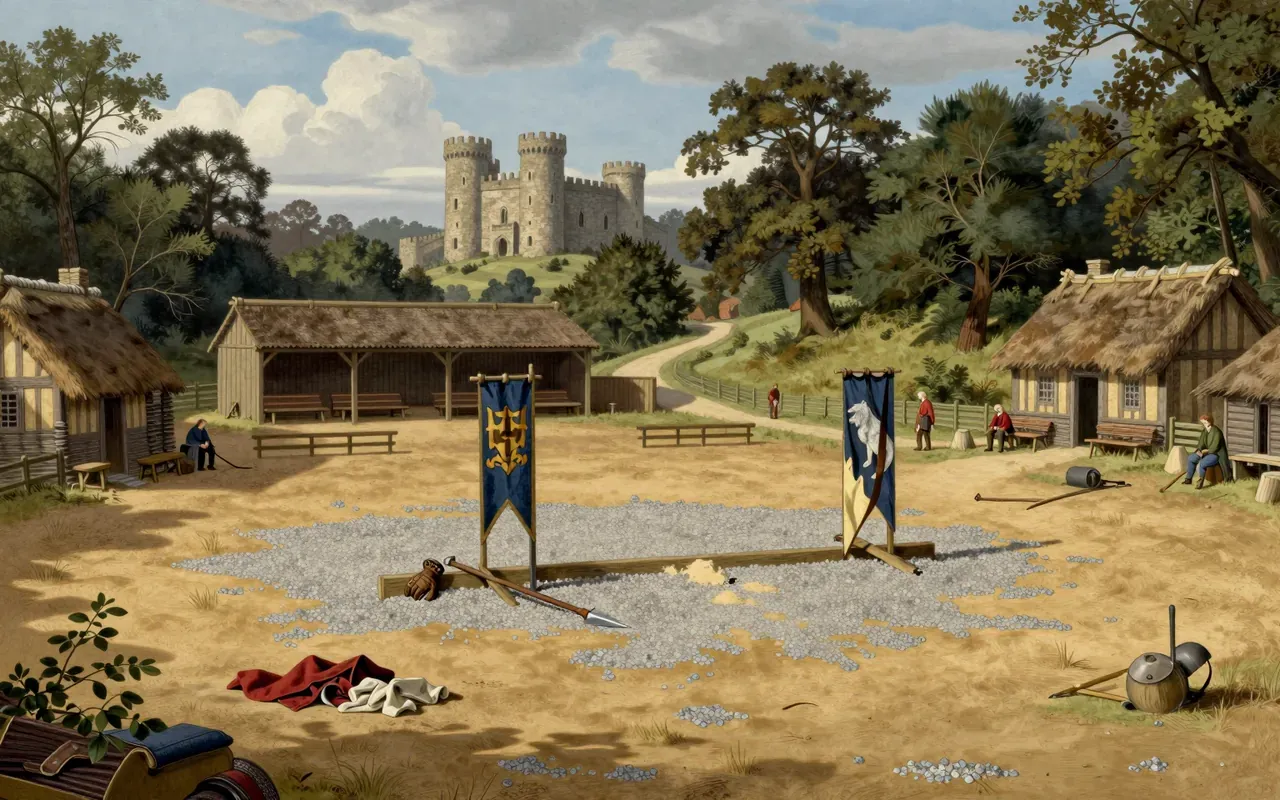
Ivanhoe argues chivalry is theatrical cover for Norman tyranny—and that Rebecca’s trial exposes how religion brands Jewish faith as sorcery. It works best in its contrasts: outlaw justice vs Templar fanaticism, Saxon speech vs Norman meat-names. Skip the tournament padding and Athelstane’s farcical resurrection.

15:13

Master and Man

Leo Tolstoy · 1910

Tolstoy’s 1910 parable strips away all pretence: a merchant and his labourer are stranded in a blizzard, and salvation arrives only when the merchant lies frozen atop the man he exploited. The wormwood circle (VIII) proves reason is useless. Skip the homestead interlude (IV). Read it once, in under ninety minutes.

15:54

Oliver Twist

Charles Dickens · 1822

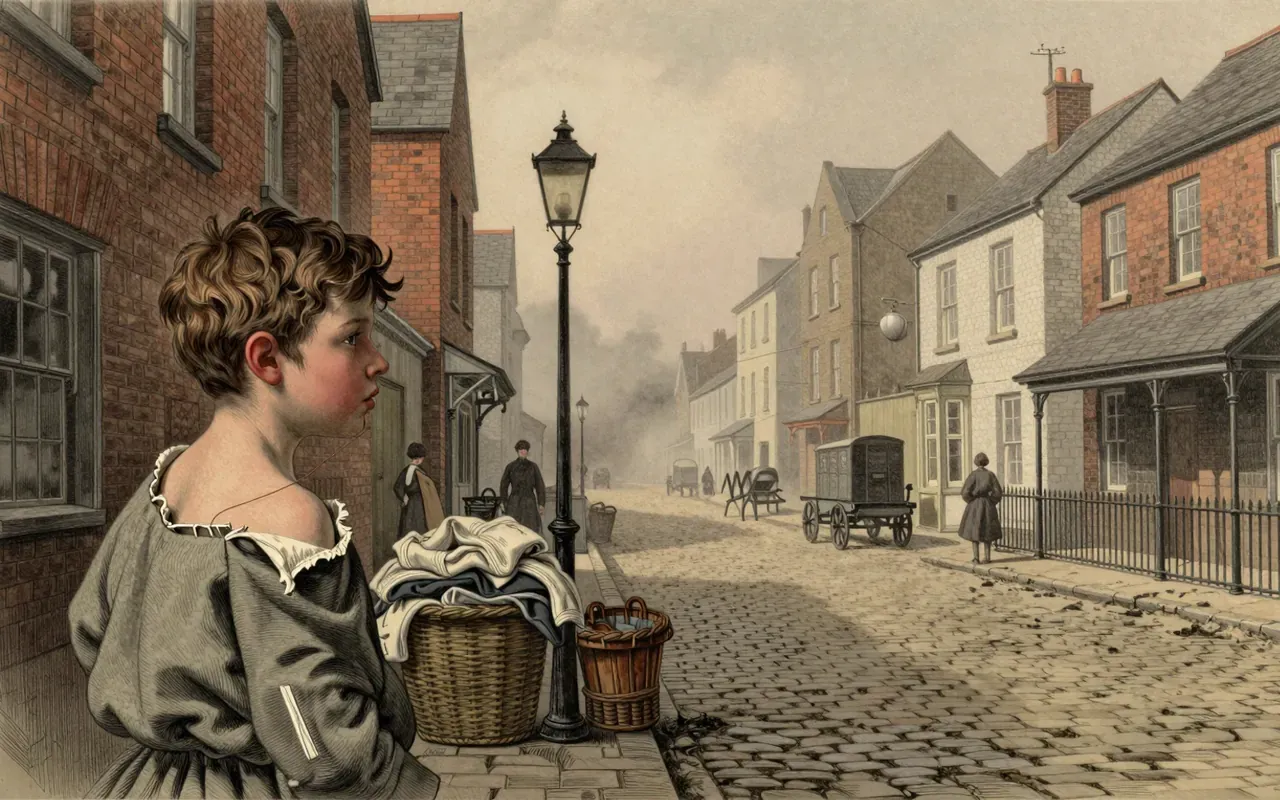
Oliver Twist is a satirical indictment of Victorian poor law, not a sentimental orphan story. It exposes the workhouse as a profit engine, Fagin’s gang as its logical offshoot, and Nancy’s murder as systemic failure. The brief strips away the myth of innocence to show how institutions manufacture criminality — then tells you which pastoral interludes to skip.

14:44

Pygmalion

Bernard Shaw · 1912

Pygmalion is not a rags-to-riches fantasy. It is a surgical dissection of how accent enforces class in England—and how linguistic transformation without power leaves Eliza stranded. The brief shows why Higgins’s triumph is hollow, why Doolittle’s rise is damning, and why Eliza’s final act is not marriage but sovereignty.

14:07

Resurrection

Leo Tolstoy · 0

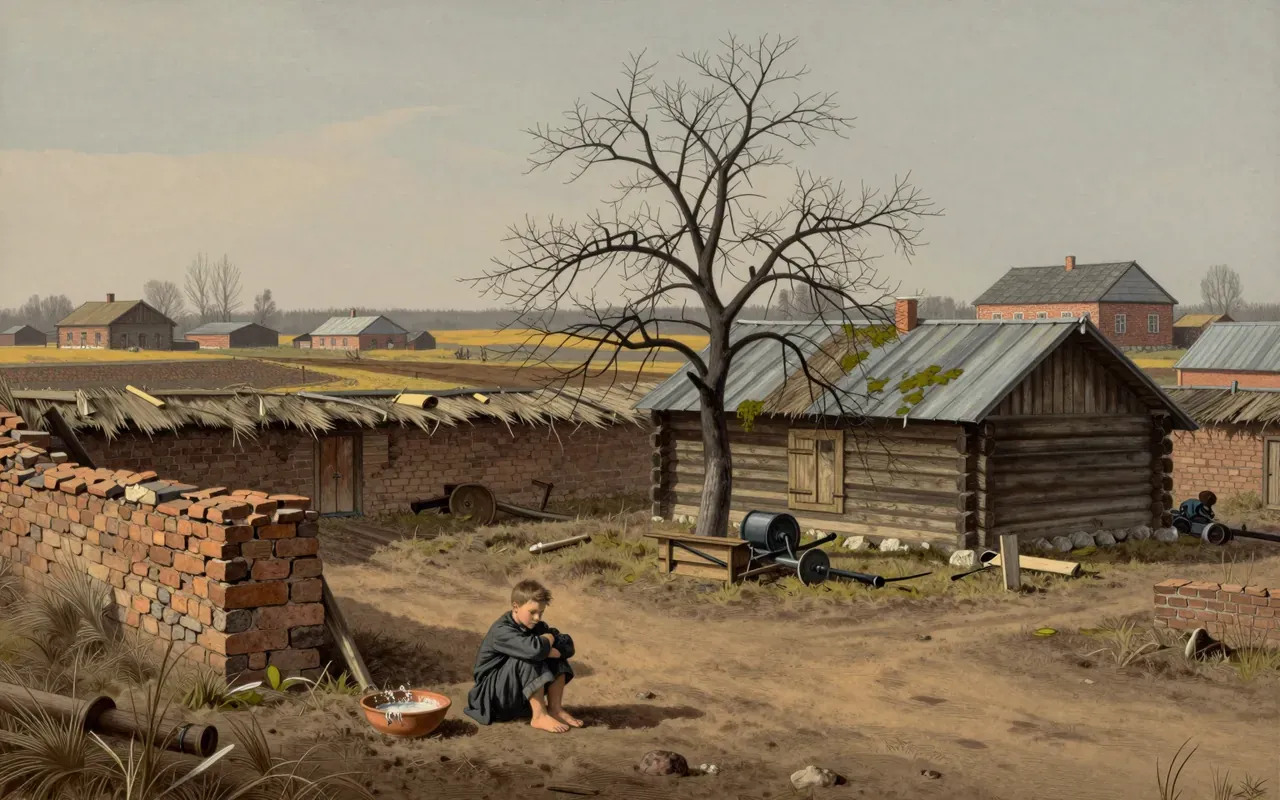
Tolstoy’s final novel argues that law, prison and landed property are tools of class violence. It traces Nekhludoff’s awakening from guilt to Gospel conviction — that love, not law, is humanity’s sole binding principle. The brief isolates the trial, the cell, Panovo’s starvation and the Siberian march as proof. Skip the English visitor and the defiant exile.

15:04

Sense and Sensibility

Jane Austen · 1811

Sense and Sensibility argues that sensibility disables judgment, not deepens feeling. It breaks Marianne through public humiliation and near-fatal illness, then rebuilds her on Elinor’s terms of duty and restraint. The brief shows how secrecy, class, and financial constraint shape every moral choice—and why the novel’s quiet ending is its most radical act.

16:19

Silas Marner

George Eliot · 0

Silas Marner argues that moral restoration comes from daily care—not divine justice or social approval. It works best when showing how Eppie transforms Silas’s isolation into community, and worst when retreating into Nancy’s fatalism or Silas’s unresolved past. Skip Chapter XVII and the Lantern Yard flashback’s second half.

15:26

A Tale of Two Cities

Charles Dickens · 0

A polemic disguised as historical fiction. It argues revolution is cyclical and inevitable—until Carton walks calmly to the scaffold and breaks the cycle. The book’s power lies in its contradictions: trauma is inescapable, yet love can suspend history; justice is performative, yet sacrifice is absolute. Skip Book Two.

14:46

Vanity Fair

William Makepeace Thackeray · 0

Vanity Fair is a satirical novel that treats society as a rigged theatre. It contrasts Becky Sharp’s ruthless self-invention with Amelia Sedley’s passive virtue, exposing class, inheritance and performance as the real engines of power. The brief explains why its irony works, where it grows repetitive, and which chapters deliver its sharpest insights.

10:50

The Great Gatsby

F. Scott Fitzgerald · 1925

Fitzgerald's 1925 masterpiece on wealth, desire, and the American Dream in its fullest delusion. The brief covers who Gatsby is and why he fails, the machinery of class that destroys him, and why the ending matters.

12:46

Crime and Punishment

Fyodor Dostoyevsky · 1866

Fyodor Dostoyevsky’s classic follows Raskolnikov, a debt‑ridden student who murders a pawnbroker to prove a theory of extraordinary men. The novel unravels his psychological collapse, the moral backlash, and eventual confession. It offers a brutal study of guilt, class, and redemption, but its sprawling narrative can feel bloated for those seeking a tight thriller.

11:15

Pride and Prejudice

Jane Austen · 1813

Pride and Prejudice is a satirical study of class, courtship and self‑discovery, told through Elizabeth Bennet’s razor‑sharp observations. Austen exposes the hypocrisy of Regency society with brisk dialogue and a tight plot that rewards a quick‑paced reader. The novel’s strengths lie in its memorable characters and social satire; its dated gender expectations and slow pacing may deter modern readers.