What the book is
A 1862 poetry collection by Christina Rossetti, published when she was 31. It contains Goblin Market (15032 words), The Ruin and the Vision (28213 words), and nine devotional lyrics from Lyra Eucharistica and Lyra Messianica. All poems are written in strict metrical forms—mostly iambic tetrameter—and use rhyme to enforce moral certainty.
The main ideas
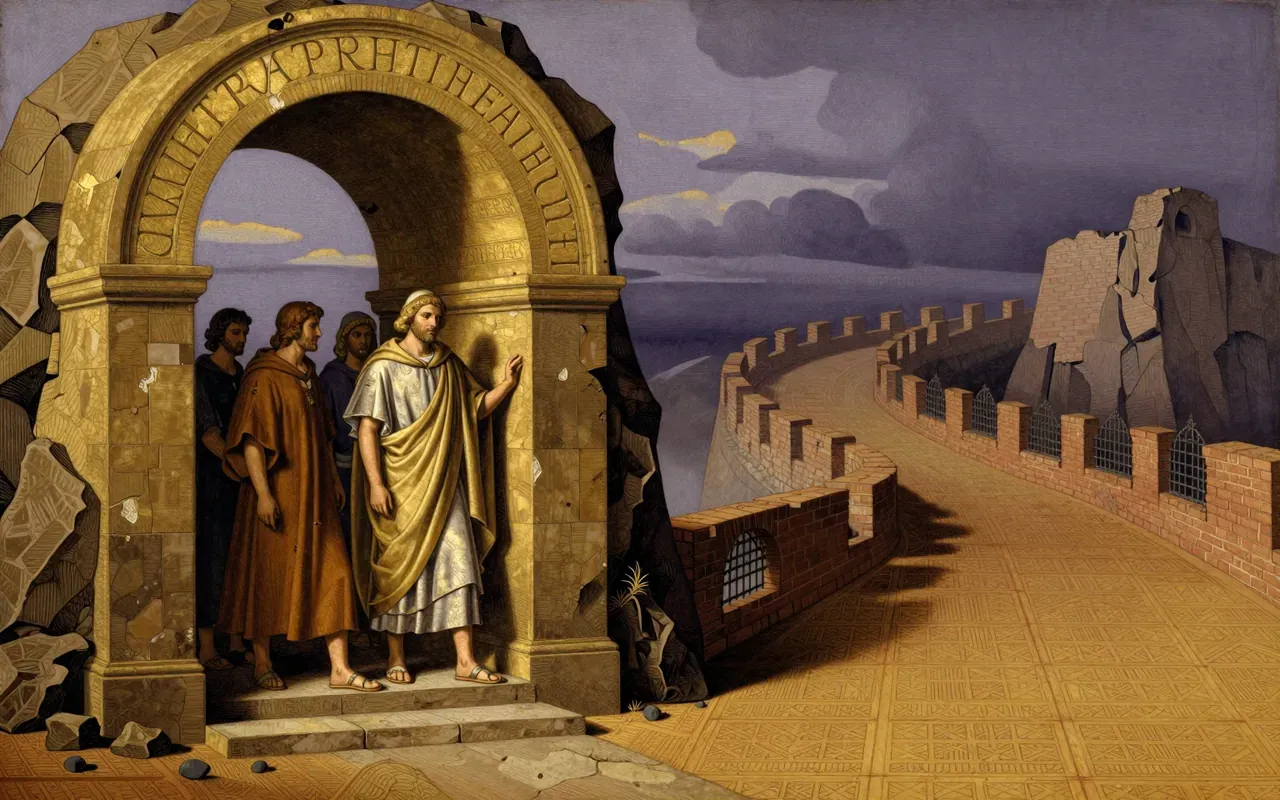
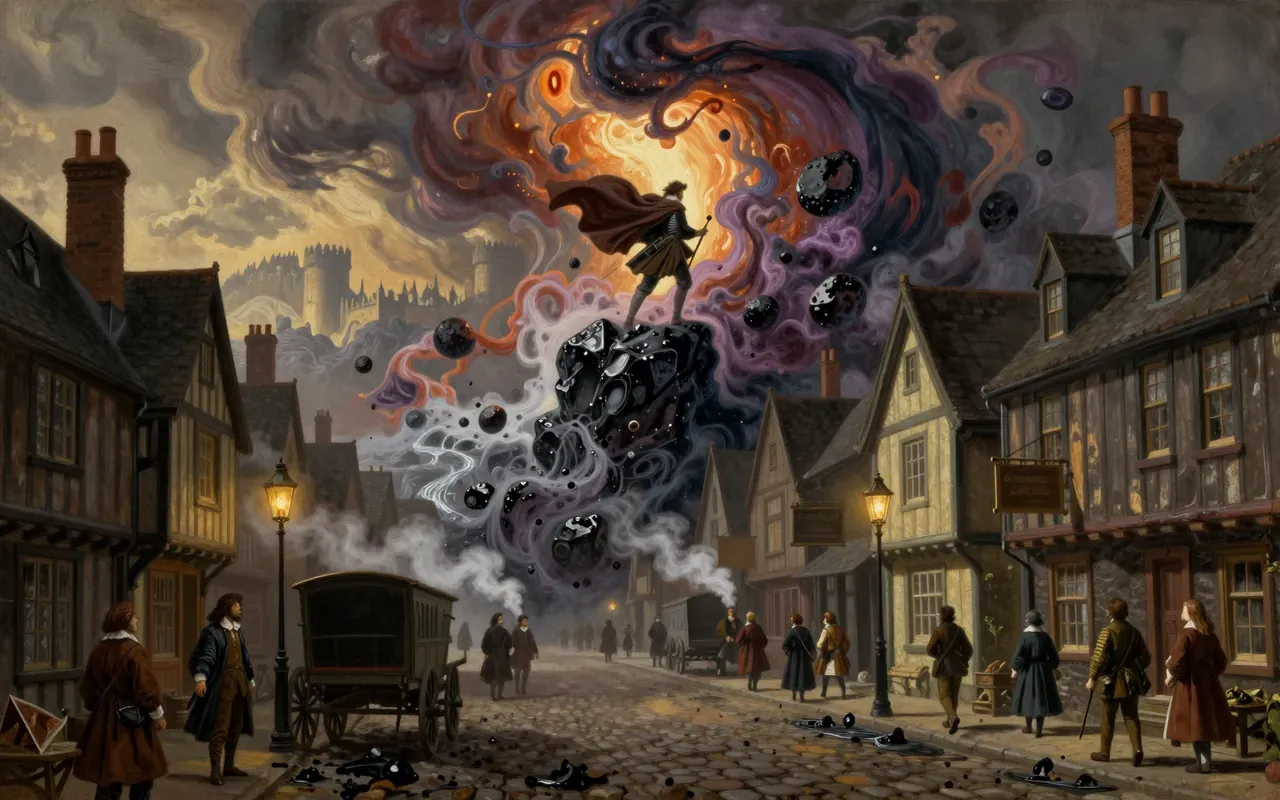
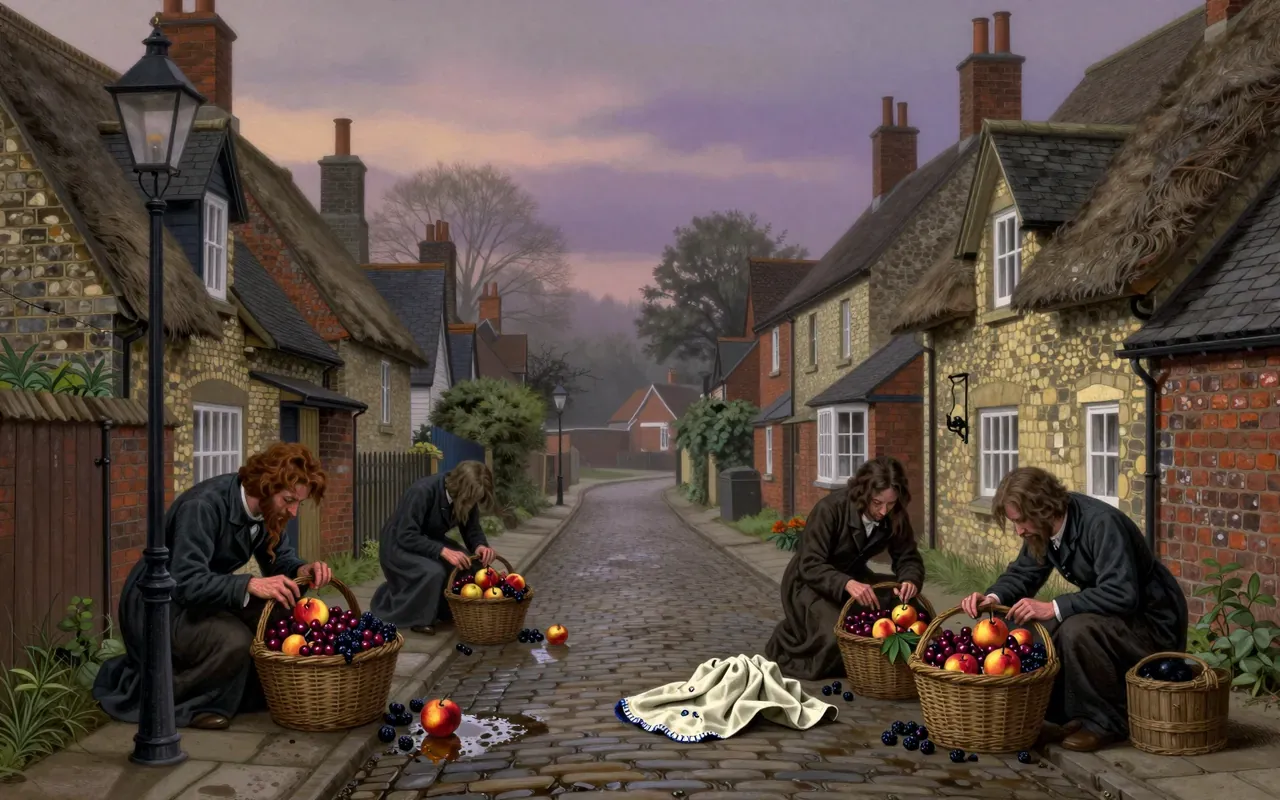
Goblin Market presents temptation as sensory seduction and redemption as embodied endurance: Lizzie’s face smeared with juice is the site of salvation. The Ruin and the Vision maps spiritual collapse onto architectural ruin—a ‘castle of white transparent glass’ shattered—and recovery onto a crowned woman drinking bitterness turned sweet. Devotional lyrics fixate on thirst, unworthiness, and divine sufficiency, using water, light, and chains as recurring metaphors.
What works
Goblin Market sustains its 568 lines with relentless rhythm and escalating sensory detail: the goblins’ cry, Laura’s fever, Lizzie’s assault, the juice’s ‘sour-sweet’ violence. The Ruin and the Vision earns its visionary climax—the crown of thorns, the chain anchored in heaven—because its earlier collapse feels architecturally real. Q2’s ‘no friend like a sister’ lands because it follows Laura’s wasting and Lizzie’s bruised face.
What does not
The Prince’s Progress fails as allegory: its symbolic figures—‘the Prince’, ‘the Bride’, ‘the Dragon’—remain inert and schematic. Its stanzas repeat without deepening. The devotional lyrics collapse into abstraction when they name God without naming a scene, a body, or a consequence. None of the poems engage with Victorian politics, science, or industry.
The themes
The book returns obsessively to three motifs: fruit as corrupting gift, thorns as redemptive burden, and thirst as theological longing. It treats sisterhood as liturgical practice—not sentiment—but only in Goblin Market. Nowhere does it treat romantic love as redemptive; only sacrifice, obedience, and endurance earn grace.
Who should read it
Readers who need poetry that enacts theology rather than describing it. Those who value precise sonic architecture—rhyme, refrain, alliteration—as argument. Anyone studying Victorian gender, sacramental aesthetics, or the poetic logic of temptation and rescue.
Who should not
Readers seeking psychological nuance or social critique. Those allergic to doctrinal certainty or repetitive syntax. Anyone expecting Rossetti’s later austerity: this volume is lush, tactile, and insistently physical—even in its abstractions.
The assessment
Goblin Market, The Prince’s Progress, and Other Poems is Christina Rossetti’s 1862 debut collection. It contains the 568-line narrative poem ‘Goblin Market’, the allegorical ‘The Prince’s Progress’, and devotional lyrics drawn from Lyra Eucharistica and Lyra Messianica. The book argues that desire must be disciplined by sacrifice, that spiritual restoration follows moral crisis, and that sisterhood is a salvific force stronger than temptation. It does not argue for social reform or psychological realism.
Is it worth your time
Yes—if you read only Goblin Market and skip The Prince’s Progress entirely. The devotional lyrics reward slow attention but lack Goblin Market’s dramatic urgency. The book is worth your time as a single, concentrated act of poetic theology: desire, discipline, and deliverance, all in iambic tetrameter.