booksbriefs
14:54in productionCh. 1 · The lovers' flight/ 14:54 · ceiling 15 min
Drama

A Midsummer Night's Dream

Love is irrational, law is arbitrary, and the only real magic is the forest’s power to dissolve both.

A comic play about love’s irrationality, law’s fragility, and the forest’s power to dissolve both. The brief shows how Hermia’s defiance and Lysander’s 'course of true love' speech drive the action — and why the craftsmen’s subplot should be skimmed after the first reading.

Chapters & takeaways6
  1. 0:51
    The lovers' flight

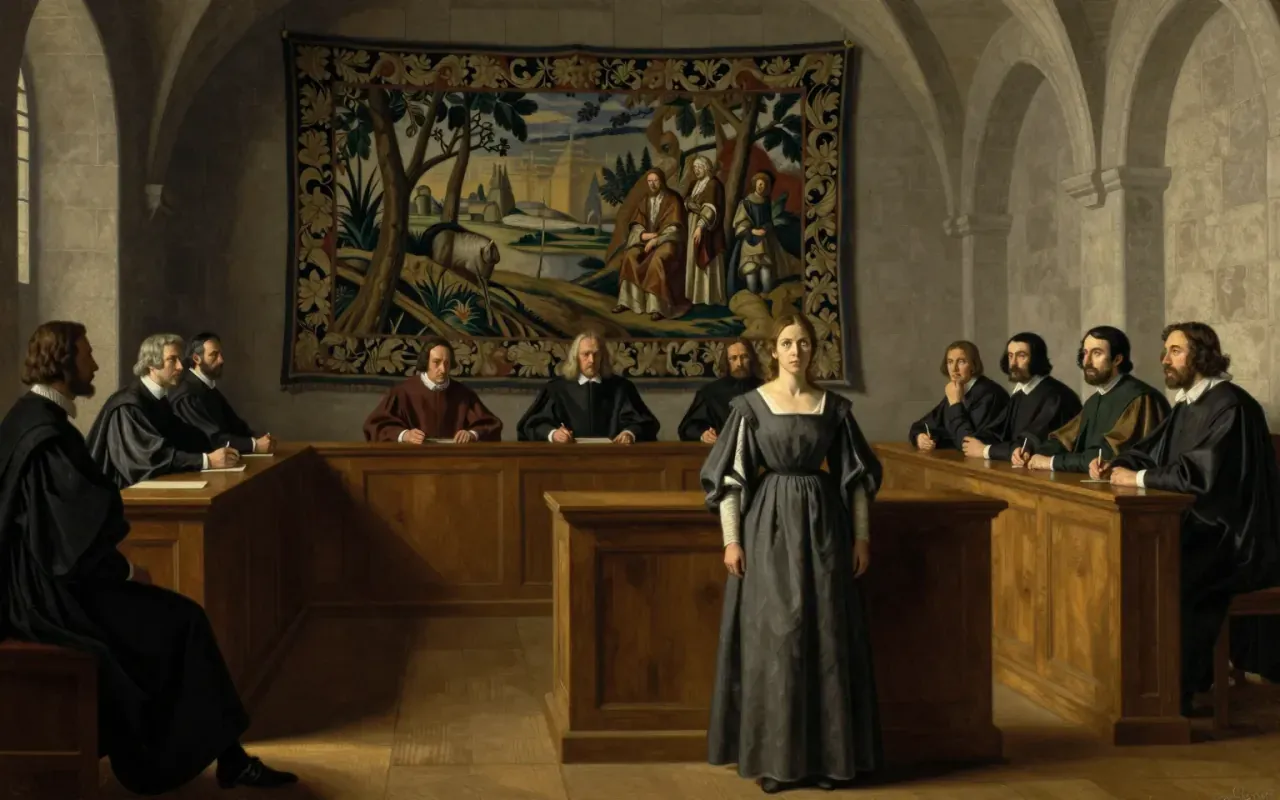
    Hermia defies her father and the Duke to choose love over law.

  2. 2:56
    Course of true love

    Lysander declares love's path is never smooth—establishing the play's core argument.

  3. 5:00
    Theseus and the law

    Theseus embodies Athenian authority, but his power ends at the city's edge.

  4. 7:14
    Helena's betrayal

    Helena betrays Hermia to Demetrius, proving love distorts loyalty.

  5. 8:48
    The mechanicals' play

    The craftsmen rehearse a play for the wedding—comic relief that undermines the main plot.

  6. 11:18
    What to skip

    Skip Pyramus and Thisbe after the first reading. It adds nothing new.

Worth your time?

Yes. Read the whole thing.

4/ 5
What works
  • Hermia’s refusal to obey Egeus is sharp and unambiguous.
  • The ‘course of true love’ speech names the play’s engine.
  • Oberon’s manipulation of Titania exposes power’s theatricality.
What does not
  • The mechanicals’ play is tedious and tonally jarring.
  • Helena’s betrayal feels under-motivated.
  • The resolution relies on magical coercion, not character growth.
Read it if
  • Readers who want to see how comedy dismantles authority.
  • Students of early modern gender roles.
  • Anyone who has ever been hopelessly in love—or watched someone else be.
Skip it if
  • Readers who need psychological realism.
  • Those allergic to verse.
  • Anyone unwilling to accept that a donkey-headed weaver can be the emotional centre of a play.
The written brief2 min read

What the book is

A comic play by William Shakespeare, written around 1595–96, set in Athens and a nearby enchanted wood. It follows four young Athenians fleeing forced marriage, a fairy court in revolt, and six craftsmen rehearsing a tragedy for a ducal wedding.

The main ideas

Love overrides law. Reason collapses at night. Authority is fragile when unobserved. The forest is not a place but a condition: where social rules vanish and desire takes over. Theseus’s decree and Oberon’s potion are equally coercive.

What works

Hermia’s refusal to obey Egeus is sharp and unambiguous. The ‘course of true love’ speech names the play’s engine. Oberon’s manipulation of Titania exposes power’s theatricality. The final triple wedding is both celebration and surrender.

What does not

The mechanicals’ play-within-a-play is tedious and tonally jarring. Helena’s betrayal of Hermia feels under-motivated. The resolution relies on magical coercion, not character growth.

The themes

The play turns on dreams, illusion, and the instability of perception. It treats marriage as political theatre. Power shifts constantly: from Theseus to Oberon, from Egeus to Lysander, from Titania to Bottom.

Who should read it

Readers who want to see how comedy dismantles authority. Students of early modern gender roles. Anyone who has ever been hopelessly in love—or watched someone else be.

Who should not

Readers who need psychological realism. Those allergic to verse. Anyone unwilling to accept that a donkey-headed weaver can be the emotional centre of a play.

The assessment

It argues that love is irrational, law is arbitrary, and order dissolves in the dark. The play stages this through Hermia’s defiance of Egeus and Theseus, Lysander’s ‘course of true love’ speech, and the lovers’ chaos in the woods. It fails when the craftsmen’s subplot drowns out the central tension with clumsy verse and repetitive jokes.

Is it worth your time

Yes—if you read it aloud, skip the Pyramus and Thisbe interlude after the first reading, and treat the fairies as political operatives, not sprites.
Same shelf · Drama4 of 27
Up next in Books

The Nibelungenlied

Unknown · 1962 · 14:10

Honour is a death sentence signed in advance — and everyone in this poem keeps signing it.

14:10