What the book is
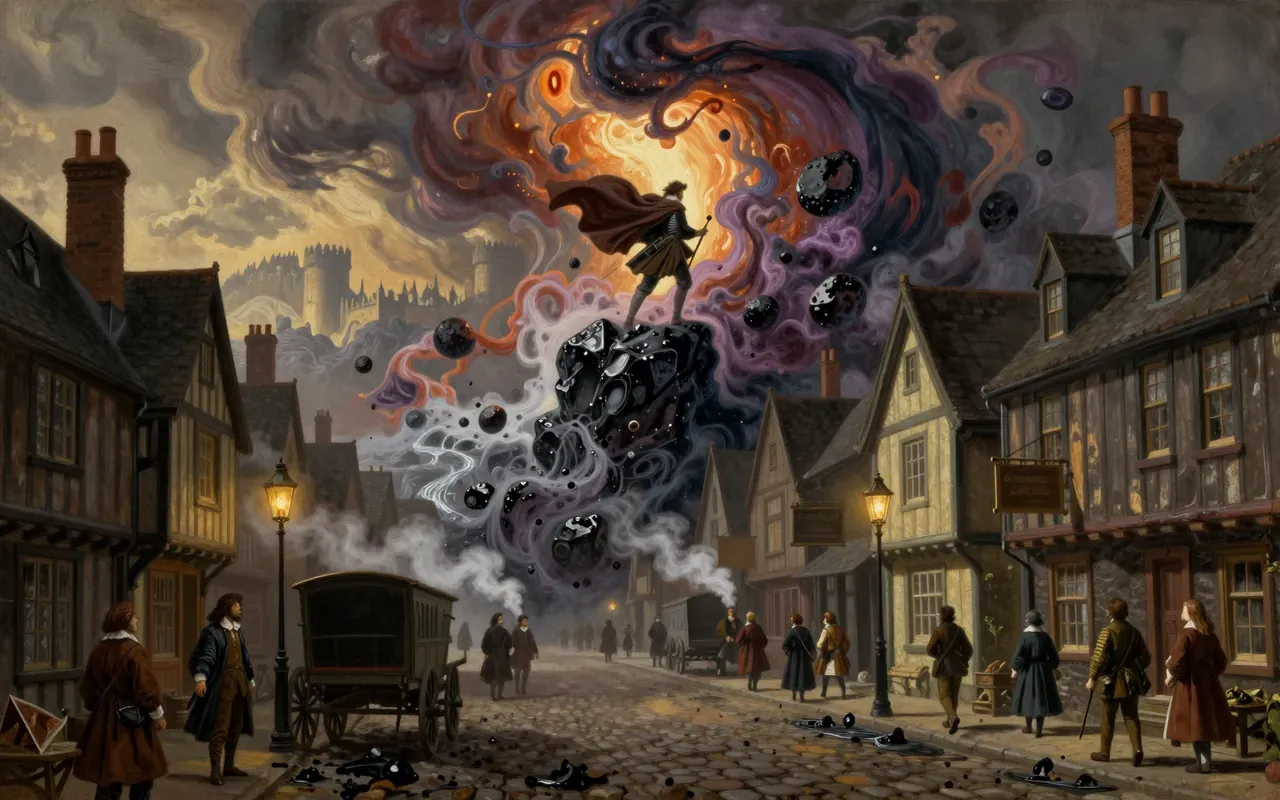
A 1667 epic poem in blank verse, divided into ten books, recounting the biblical Fall of Man through Milton’s theological lens. It opens in Hell with Satan’s defiant speech (‘Better to reign in Hell’), moves through Chaos and Eden, and ends with Adam and Eve expelled—but holding hands, bearing the prophecy of the ‘Woman’s Seed’. It was composed after Milton’s blindness, dictated to aides.
The main ideas
Satan’s pride is strategic, not stupid: he studies Eden, selects the serpent, and tailors his lie to Eve’s desire for knowledge. Adam chooses disobedience knowingly after Eve eats—not from weakness, but solidarity. The Son’s sacrifice is offered before the Fall, making grace prior to sin. Michael’s prophecy in Book X names Abraham, David, and the Messiah—but never Jesus by name, only as ‘the Woman’s Seed’.
What works
Satan’s charisma is undeniable: his speeches in Book I and IV are masterclasses in persuasive self-deception. The description of Eden in Book IV—‘two fair Creatures’ walking ‘hand in hand’—is unmatched in English for embodied innocence. The golden compass in Book VII is a concrete image of divine order imposed on chaos. Abdiel’s solitary fidelity in Book V crystallises the poem’s moral centre.
What does not
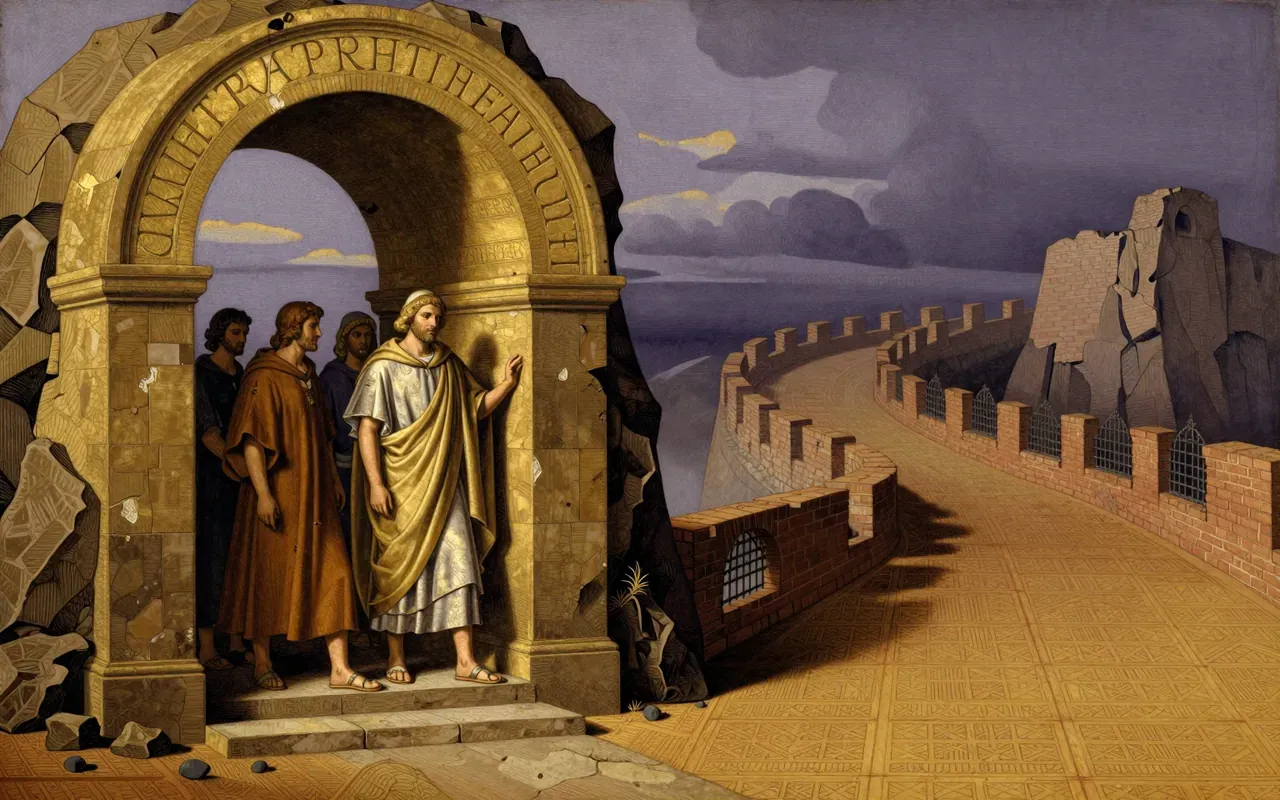
It fails to resolve Eve’s culpability without contradiction: she is rational and deceived, yet punished with subjection. The serpent’s transformation into a literal snake in Book IX undermines the poem’s psychological realism. The cosmic bridge built by Sin and Death in Book IX is visually potent but theologically vague—no source explains how it functions or why it persists.
The themes
Free will is tested not by ignorance but by clarity: Adam and Eve know the command, the consequence, and the goodness of God before they eat. Divine foreknowledge does not cancel choice—it frames it. Sin spreads contagiously: first in shame, then blame, then enmity, then serpentine form. Heaven’s hierarchy is relational, not mechanical: Abdiel stands alone in Book V; the Son acts decisively in Book VI.
Who should read it
Readers who want theology dramatised, not explained—especially those who’ve read Genesis and want to see how Milton reworks its silences. Students of English poetry must confront its syntax, its inversions, its weight. Anyone who takes free will seriously should reckon with Book V’s dream and Book IX’s mutual blame.
Who should not
Readers who expect narrative pace: Book VII’s creation scene runs 9,717 words without a single human character. Those allergic to doctrinal argument will stumble on Raphael’s lectures in Books V and VIII. Readers seeking psychological realism will find Satan’s soliloquy compelling—but the serpent’s sudden sentience in Book VIII unearned.
The assessment
Milton argues that divine justice and human freedom coexist, that rebellion is self-defeating even when charismatic, and that redemption requires both repentance and external grace. The poem’s structure—ten books, not twelve—mirrors its theological architecture: creation, fall, judgment, prophecy. Its central paradox appears in Book I: ‘The mind is its own place’, yet Satan cannot escape Hell because his mind is fixed in refusal. The Son’s thunder in Book VI does not kill but expels—justice as separation, not annihilation.
Is it worth your time
Yes—if you read selectively. Start with Books I, IV, V, IX and X. Skip the war machinery in Book VI unless you need angelic ballistics. Avoid reading straight through: the poem rewards return visits to single passages, not endurance.