booksbriefs
Fiction

Poetry

9
briefs
14:23
average
129 min
in total
9
authors
All briefs9
16:04

The divine comedy

Dante Alighieri · 1321

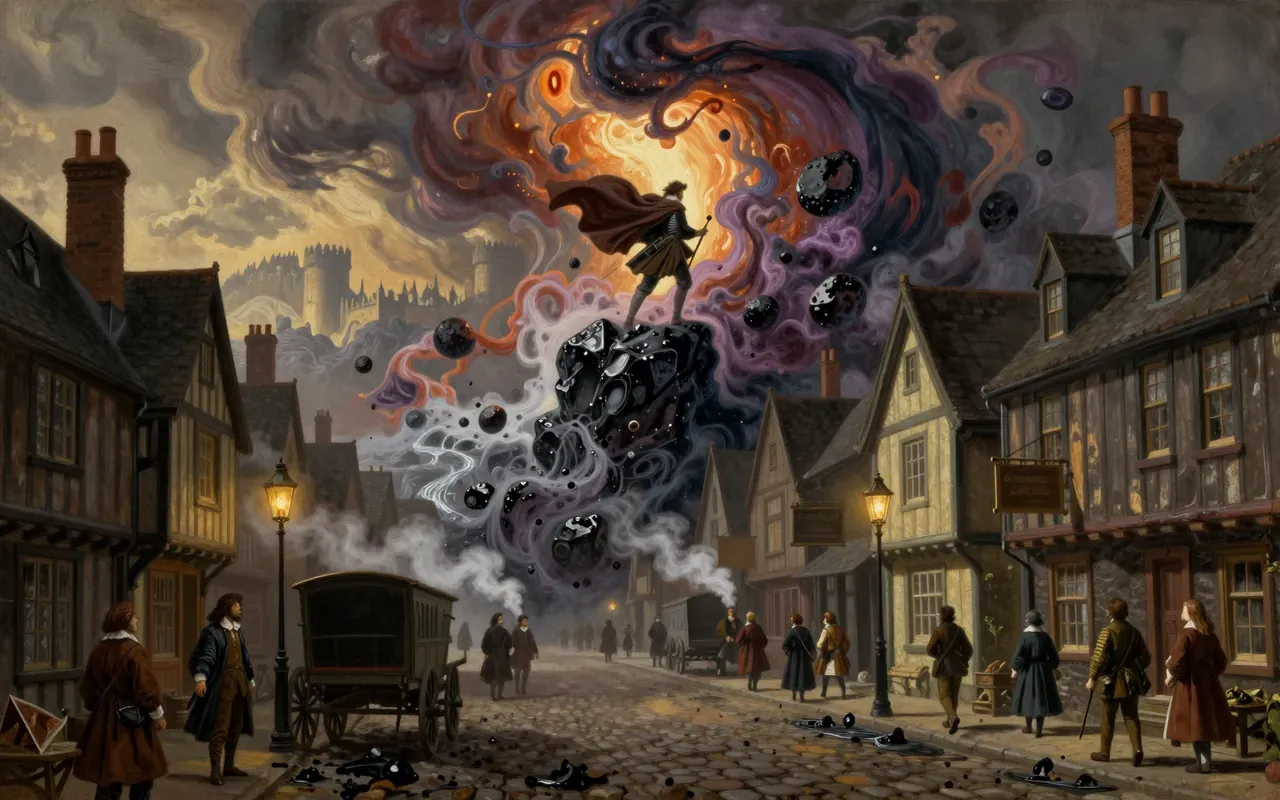
The Divine Comedy argues divine justice is geometrical, not merciful — and builds Hell, Purgatory, and Heaven to prove it. It works best as architecture, not narrative: the rose of Heaven, the frozen core of Hell, the mountain of Purgatory. Skip the angelic digressions unless you study scholastic theology.

13:47

Goblin Market, The Prince's Progress, and Other Poems

Christina Georgina Rossetti · 0

Goblin Market, The Prince's Progress, and Other Poems is Rossetti’s 1862 debut: a tightly wrought collection arguing that desire must be disciplined, salvation is bodily, and sisterhood is liturgical. It works best in Goblin Market’s sensory allegory and falters in The Prince’s Progress’s inert symbolism. Read it for its theology-in-action—not its ideas about society or self.

15:13

Leaves of Grass

Walt Whitman · 1855

Leaves of Grass is Whitman’s lifelong poetic declaration that the self, the body, and democracy are one sacred continuum. It works best in fragments: the opening 'One’s-self I sing', the Lincoln elegies, and the death meditations. Skip the expansions. Read it as liturgy, not argument.

15:06

Paradise Lost

John Milton · 1667

Milton’s 1667 epic argues that rebellion is self-enslaving, that innocence is active, and that grace precedes repentance. It works best in fragments: Satan’s speeches, Eden’s harmony, the Fall’s rupture, and the final departure. Skip the war machinery and speculative cosmology unless you need angelic ballistics.

11:50

The Song of Hiawatha

Henry Wadsworth Longfellow · 0

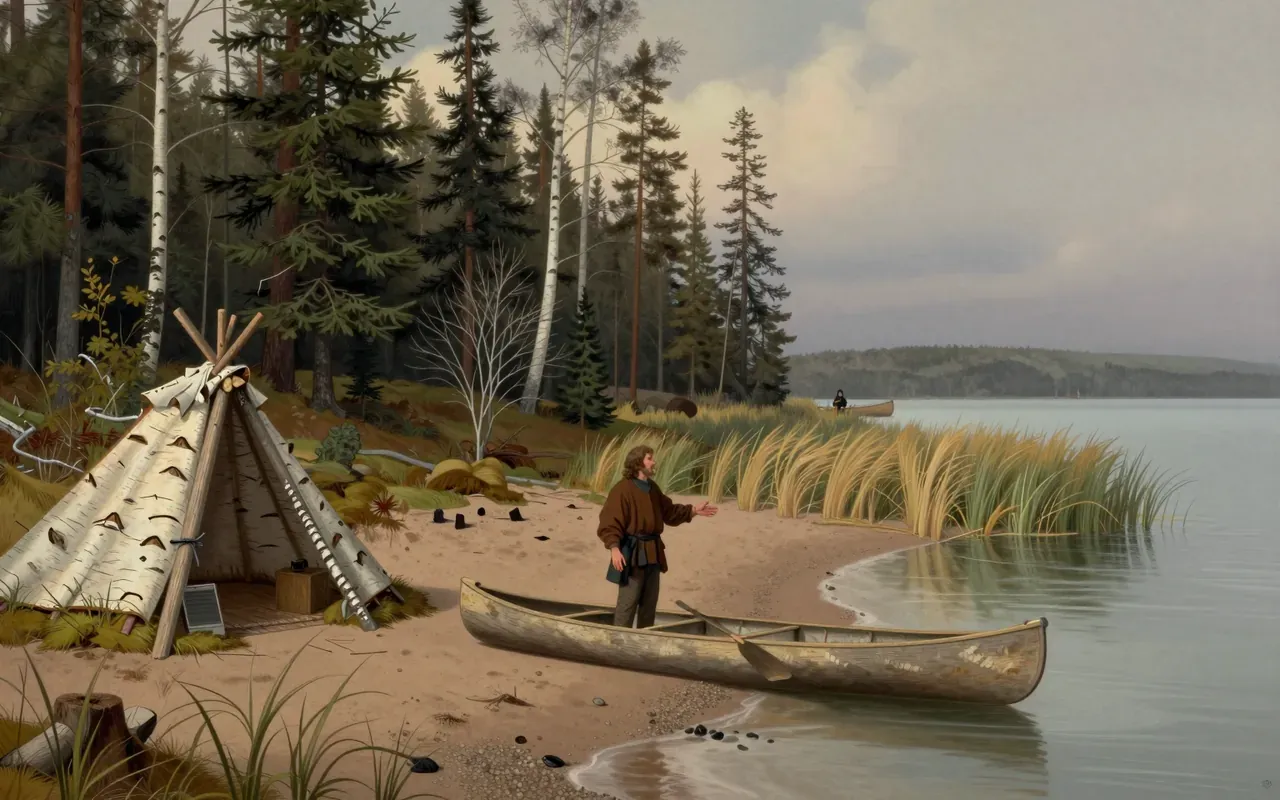
Longfellow’s 1855 poem recasts Ojibway oral tradition into a mythic biography of Hiawatha, using Kalevala metre and Romantic moral framing. It works best in its ritual moments—ghosts testing hospitality, Minnehaha’s death, Hiawatha’s departure—but fails as ethnography or theology. Read Chapters I, IV, V and XXII; skip the botanical interludes and explanatory digressions.

13:26

The Song of Roland

Unknown · 0

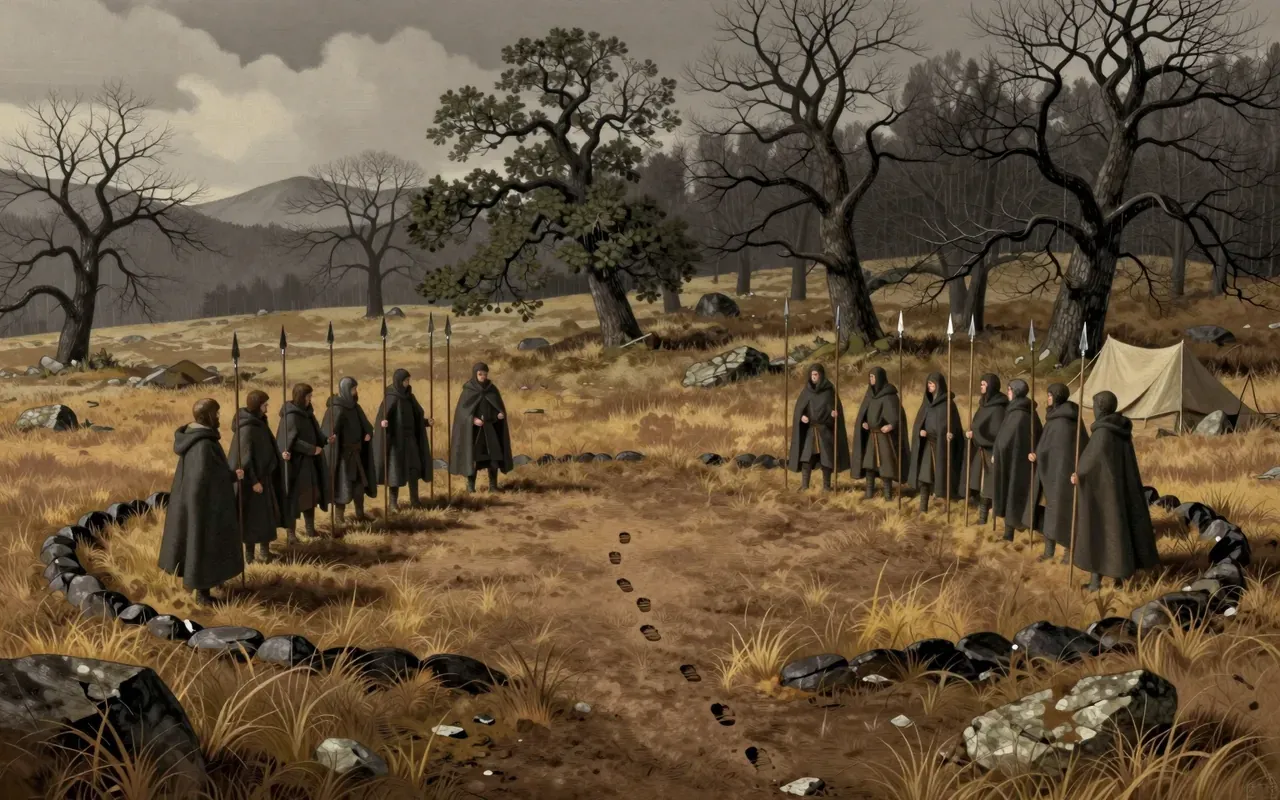
The Song of Roland argues that Christian heroism requires sacrificial death, feudal loyalty demands divine enforcement, and paganism admits no moral complexity. It works best in its violent set-pieces — Roland’s last stand, the duel at Aix, Guenelun’s dismemberment. Skip the councils and speeches. Read only the moments where theology becomes action.

14:25

Spoon River Anthology

Edgar Lee Masters · 0

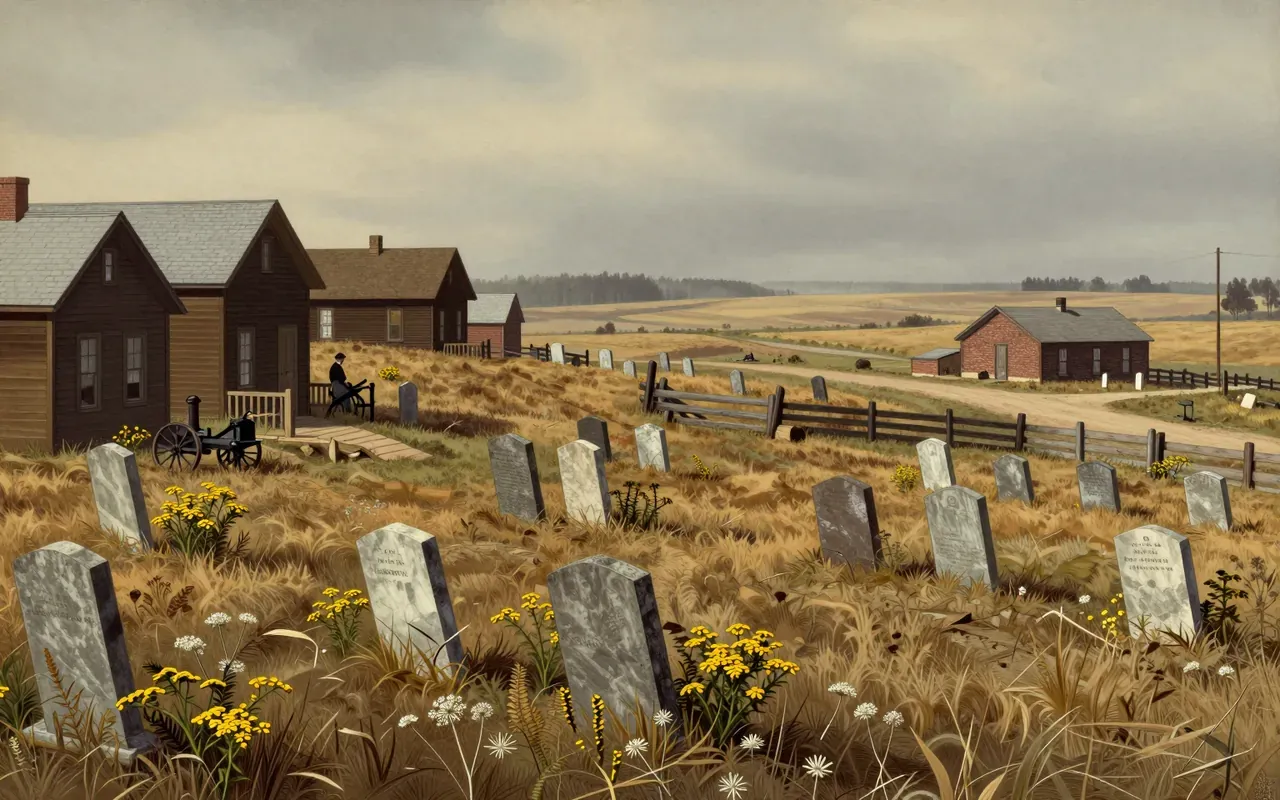
The brief argues that Spoon River Anthology’s power lies entirely in its epitaphs—the dead speaking plainly about lies, loss and local truth. The Epilogue’s mythic allegory undermines that power. Read The Hill. Skip the rest.

15:06

Verses and Translations

Charles Stuart Calverley · 0

Calverley’s 1862 collection uses precise classical translations and absurd original verse to dissect Victorian class, gender and education. It works best in fragments: a tearful reunion with dogs, Sir Hugo shattered by two words, a burglar tripping before Milton’s elegy. Skip the editor’s front matter and all footnotes—they add nothing beyond verification.

14:32

The Waste Land

T. S. Eliot · 1922

The Waste Land is a fractured 1922 poem diagnosing spiritual drought after the First World War. It rejects coherence, using shards of language, myth and memory to enact collapse rather than describe it. The brief tells you why its disorientation is deliberate, which lines anchor its argument, and why it remains essential—if unreadable in the old way.